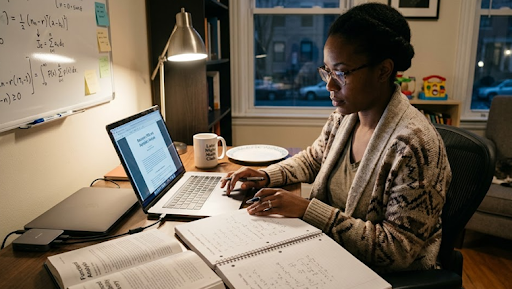
Work—it’s more than just a job. It’s a fundamental part of how people organize societies, how countries interact, and how global norms and policies develop. The United Nations (UN), through its various treaties, conventions, and agencies, plays a pivotal role in shaping international standards for labor, human rights, and economic equity. International relations, in turn, are deeply tied to how work is imagined, regulated, and experienced across countries.
From setting basic labor rights (like the right to safe working conditions, reasonable hours, and freedom from forced labor) to advocating for social protection and fair wages, the UN fosters frameworks that member states are encouraged (or sometimes obliged) to adopt. Agencies such as the International Labour Organization (ILO) help by establishing conventions which, when ratified by countries, create obligations to uphold standards. These standards are not uniform everywhere, but they set a baseline that helps protect workers everywhere.
In international relations, the treatment of labor and work-related policies can influence diplomatic relations, trade agreements, and global collaboration. For instance, countries under criticism for violating labor rights may face pressure via global trade partners, NGOs, or international courts. Additionally, global supply chains—where parts of production are distributed across borders—mean that workers in one country are affected by consumer demand, corporate responsibility, and regulations in another. Work conditions in factories in one country may become a topic of negotiation or activism in another country via international media or trade policies.
Another area where work, the UN, and international relations intersect is in crisis and development contexts. In developing countries, foreign aid or UN development programs often include labor components: job creation, skills training, gender equity, and efforts to reduce informal work. Migration, too, is a key factor—people move across borders for work, remittances flow back home, and migration policies are negotiated among countries. The UN’s Global Compact for Migration or Sustainable Development Goals (especially Goal 8, decent work and economic growth) highlight that work is central to development.
Challenges are many. Enforcing international labor standards is uneven. Some countries ratify ILO conventions but fail to implement them fully. Monitoring is hard. Corruption, weak institutions, or economic pressures (desire for competitive advantage) can lead to undercutting standards. There are also issues around representation—ensuring that the voices of workers, especially marginalized groups (women, migrants, informal sector workers), are included in policy creation.
Another challenge is balancing economic growth and business competitiveness with workers’ rights. Sustainable development demands that work is not exploitative, that it respects human rights, and that economic policies are not solely focused on cost-cutting or deregulation, but also on dignity, safety, and fair compensation.
Technology and globalization continue to transform work. Automation, remote work, artificial intelligence, and digital platforms are reshaping which jobs exist, where work happens, and what protection workers need. The UN has increasingly addressed these themes, urging member states to ensure that new forms of work are governed by labor rights, social protection, and fairness.
In conclusion, the relationship between work, the United Nations, and international relations is complex but essential. Work is not just local; it’s global. Policies in one country can ripple across supply chains, affect migration flows, and become part of global diplomacy. The UN provides frameworks and standards; international relations provide the context and enforcement; people’s lives depend on how these pieces fit together.
For more info: https://youtu.be/nR0XwaKQy_o
by Daniela Febres