
What Is Library Science? Careers and Degrees
December 26, 2025 2025-12-26 8:00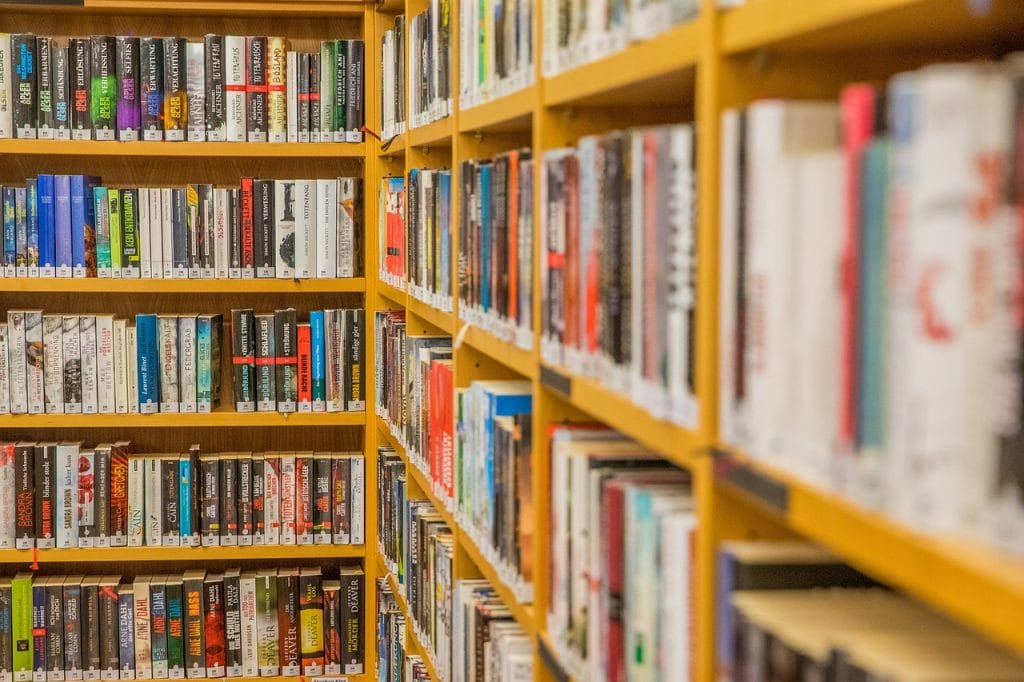
In This Article:
The world is evolving in terms of knowledge, technology, and data where the systems and processes are now digitalized to organize information. At the center of this growing world is library science, a field dedicated to managing books and archives while preserving digital resources, organizing information systems, and facilitating access to knowledge in an easy way. Students and researchers now lack time to locate books they can refer to, which is why library science has gained more prominence than ever before. This guide to give an idea what library science is, its advantages and its relevance in the modern world.
Understanding Library Science
Let’s begin with some understanding as to what library science is. It is also called library and information science (LIS) which studies the methods, systems, and technologies used to organize information and make it accessible to people. Traditionally linked to physical libraries and printed materials, the discipline has evolved significantly. Today, library science includes digital cataloging, online research platforms, metadata systems, user experience design, artificial intelligence in information retrieval, digital preservation, and information literacy. When someone asks, what is library science today, the answer is a combination of librarianship, information technology, and data management, all designed to help individuals and institutions navigate an overwhelming amount of information efficiently and ethically.
Why Library Science Matters
Even in an age where search engines and artificial intelligence seem capable of answering any question – library science remains essential because information is useful only when it can be trusted and relevant. Libraries are not just buildings; they are centers of organized knowledge and its smooth access by everyone. Modern librarians, research aids and information professionals play important roles in research assistance, digital archiving, information ethics, privacy protection, and education. Organizations from schools to government agencies rely on these trained professionals who understand how to preserve, classify, and retrieve information in meaningful and accurate ways that can save time and resources.
Degrees in Library Science
An academic path in library science can vary depending on the goals and location of individuals. Some students begin their journey in this field with a bachelor in library science, which provides foundational knowledge in cataloging, research skills, and principles of information related to the organization. This degree can prepare students for entry-level roles such as library assistant or technician who can become the go to person for information access.
The most recognized qualification in this field is the master in library science which is also known as an MLIS or MLS. This masters degree is often required for professional librarian roles, especially in public libraries, universities, and specialized institutions which requires serious implementation of technicalities. A master’s program may include areas of study like – archival science, digital librarianship, metadata and cataloging systems, academic research methods, and community or youth services. For individuals balancing work and education – many universities offer an online library science degree, which is a great opportunity for those who want to enhance their degree while working in the role, and without relocating.
There are professionals who also add certificates or specialized library science courses to their resume, in digital preservation, library technology systems, data management, or special collections. Here, one must understand that since it is an evolving field, continuous learning is important to stay relevant.
What You Study in a Library Science Program
While courses vary by institution, most library science programs cover core subjects including cataloging and classification, digital information systems, reference and research services, collection development, information policy and ethics, and archival studies. Many programs require practical internships, allowing students to apply theoretical knowledge in real-world environments such as museums, academic libraries, or corporate research units.
Library Science Careers and Jobs
Individuals with a library science background has varied career options. They can work as librarians, archivists, records managers, museum curators, research specialists, metadata analysts, or information managers – depending on the interest and available options. These career opportunities are in public libraries, academic institutions, government departments, schools, museums, hospitals, law firms, corporations, technology companies, and nonprofit organizations. In many cases, the work involves not only helping users find information but also building digital systems, maintaining databases, developing research tools, and safeguarding cultural and historical materials.
Library Science Salary Expectations
A library science salary depends on experience, location, and specialization. Entry-level positions may begin with modest wages, especially in public service environments. However, specialized roles involving digital information management, metadata systems, legal research, or corporate information services can command significantly higher salaries. Professionals who combine LIS knowledge with technology skills, such as database management or digital archives, often experience the strongest earning potential.
Is Library Science the Right Path for You?
Now, the pertinent question is how to understand if this field is the right choice for a professional. People with interest in research, organizational work, lifelong learning, digital literacy, and an ability to explore knowledge to help others are perfect for this job. This is because the field values curiosity, patience, communication, and critical thinking so, if an individual is interested in contributing to education, accessibility of documents or resources, and cultural preservation, then pursuing a library science degree may be a fulfilling choice. Hence, this field offers meaningful work and diverse career possibilities. From digital archiving to community engagement, library science supports the essential human need to learn, discover, and share knowledge.
Start learning with purpose today!
Author Bio

Kathakali Basu is a dynamic Content Strategist and Brand Communication expert at Atlantic International University, with a knack for transforming ideas into compelling narratives. With a Masters in Sociology and certification in Content Marketing, Kathakali expertly crafts strategies that elevate brands and captivate audiences. Her extensive experience in content writing and strategy has helped numerous businesses articulate their vision and connect meaningfully with their target market. Passionate about blending creativity with data-driven insights, Kathakali thrives on creating impactful content for the last 16+ years that not only resonates but drives results.
An animal lover and believer in inclusivity, she actively participates in animal rescues and rehoming. When she’s not strategizing, you’ll find her exploring the latest trends in digital marketing or indulging in reading and her love for storytelling.