Respiratory tract infections are among the most common illnesses affecting humans worldwide. From mild conditions such as the common cold to severe diseases like pneumonia or tuberculosis, bacteria play a significant role in many of these infections. Understanding how these bacteria spread, how to prevent their transmission, and how to control outbreaks is essential to protecting public health and improving clinical outcomes.
The Respiratory Tract and Its Defense Mechanisms
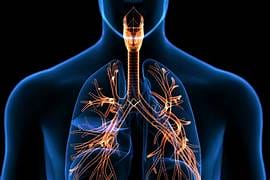
The respiratory tract is divided into two main parts:
-
The upper respiratory tract, which includes the nose, throat, and sinuses.
-
The lower respiratory tract, which includes the trachea, bronchi, and lungs.
These areas are constantly exposed to the external environment, making them prime entry points for pathogens. However, the human body has several built-in defense systems, such as mucus, cilia (tiny hair-like structures that trap and remove particles), and immune cells that help eliminate bacteria before they cause harm.
Despite these defenses, bacterial pathogens can sometimes overcome them, especially when a person’s immune system is weakened or when bacteria evolve resistance to treatment.
Common Bacteria That Infect the Respiratory Tract
Some of the most well-known bacterial pathogens responsible for respiratory infections include:
-
Streptococcus pneumoniae – A leading cause of pneumonia, meningitis, and sinus infections.
-
Haemophilus influenzae – Can cause bronchitis, pneumonia, and ear infections.
-
Mycobacterium tuberculosis – The bacterium responsible for tuberculosis (TB), a highly contagious and often deadly disease.
-
Bordetella pertussis – Causes whooping cough, particularly dangerous for infants and young children.
-
Staphylococcus aureus – Can lead to serious lung infections, especially in hospital settings.
Understanding how these bacteria spread and interact with the human body is the first step toward preventing infection and improving treatment strategies.
Modes of Transmission
Bacteria that infect the respiratory tract are primarily spread through respiratory droplets — tiny particles released when an infected person coughs, sneezes, talks, or even breathes. These droplets can travel short distances and settle on surfaces or be inhaled by others.
Transmission can also occur through:
-
Direct contact: Touching an infected person’s hands or face.
-
Indirect contact: Touching contaminated surfaces (door handles, phones, medical equipment) and then touching the mouth, nose, or eyes.
-
Airborne spread: Some bacteria, like Mycobacterium tuberculosis, can remain suspended in the air for long periods, increasing the risk of infection in enclosed spaces.
Crowded areas, poor ventilation, and inadequate hygiene practices greatly increase the likelihood of bacterial transmission.
Prevention Strategies
Preventing the spread of bacterial respiratory infections requires both individual and community-based efforts. Key preventive measures include:
-
Good Hygiene Practices
-
Wash hands frequently with soap and water.
-
Avoid touching the face, especially the mouth, nose, and eyes.
-
Cover the mouth and nose when coughing or sneezing, preferably with a tissue or the elbow.
-
Vaccination
-
Vaccines against Streptococcus pneumoniae and Haemophilus influenzae type B have significantly reduced the number of severe bacterial infections.
-
Continued immunization programs are crucial, especially for children, the elderly, and immunocompromised individuals.
-
Environmental Control
-
Improve ventilation in homes, schools, and workplaces.
-
Regularly clean and disinfect surfaces that are frequently touched.
-
Healthy Lifestyle Choices
-
Avoid smoking, which damages respiratory defenses.
-
Maintain a balanced diet, regular exercise, and sufficient sleep to strengthen the immune system.
-
Use of Masks and Respiratory Etiquette
Control and Treatment
Once a respiratory infection is detected, early diagnosis and appropriate treatment are vital. Health professionals often use laboratory tests to identify the specific bacteria involved and determine the best course of antibiotics.
However, one of the greatest challenges today is antibiotic resistance, which occurs when bacteria evolve to survive exposure to medications. To combat this, both healthcare providers and the public must use antibiotics responsibly — only when prescribed and for the full duration of the treatment.
In hospitals and clinics, infection control programs focus on:
-
Isolating infected patients when necessary.
-
Sterilizing medical equipment properly.
-
Promoting hand hygiene among healthcare workers.
At the community level, surveillance programs and public health education play a crucial role in detecting and preventing outbreaks.
The Role of Public Awareness
Raising awareness about respiratory infections helps individuals make informed decisions about their health. Education campaigns about hygiene, vaccination, and early medical consultation can dramatically reduce the spread of bacterial diseases.
Understanding the science behind transmission and prevention not only protects individuals but also strengthens the entire healthcare system. As global travel and urbanization increase, so does the need for proactive measures that keep communities safe.
Conclusion
Bacteria that infect the respiratory tract remain a major public health concern, but with proper knowledge, hygiene, and preventive action, their impact can be significantly reduced. The combination of modern medicine, public education, and responsible antibiotic use offers hope for a healthier, safer world.
By understanding how these bacteria spread, learning effective prevention techniques, and supporting community-level control measures, we can all contribute to stopping the cycle of infection.
For more information and an in-depth explanation of this topic, visit: https://youtu.be/THMMgfFA5Ss
by Daniela Febres