Introduction
Oral hygiene is a vital part of health throughout life, but its importance increases significantly as we grow older. With age, natural changes in the mouth, gums, and teeth, as well as medical conditions and medications, can all make oral care more challenging. Many people may think oral hygiene is just about brushing and flossing to keep teeth clean, but it plays a much deeper role. Proper oral care helps prevent disease, preserves overall health, maintains quality of life, and allows older adults to enjoy eating, speaking, and smiling without discomfort or embarrassment.
How the Mouth Changes with Age
As the body ages, the mouth undergoes noticeable changes. Tooth enamel naturally wears down over time, making teeth more vulnerable to cavities. Gums often recede, exposing the roots of teeth to bacteria and increasing sensitivity. Saliva production may decrease, especially in individuals taking multiple medications, leading to dry mouth—a condition that raises the risk of tooth decay and infections. Older adults may also face tooth loss, require bridges, implants, or dentures, and may struggle with the maintenance of these appliances if daily oral care is neglected. These changes mean that oral hygiene becomes a key defense against further complications.
Common Oral Health Issues in Older Adults
Without consistent oral care, older adults face higher risks of serious dental problems. Gum disease (periodontitis) is particularly common and can cause bleeding gums, loose teeth, and even tooth loss if untreated. Cavities also remain a threat, especially on exposed tooth roots. Dry mouth, caused by medications for high blood pressure, diabetes, or depression, not only increases decay but can make eating and speaking uncomfortable. Oral infections, fungal conditions such as thrush, and poorly fitted dentures can lead to pain and reduced appetite, making nutrition a concern. Preventing these issues with daily hygiene habits is far easier and healthier than treating them after they appear.
Oral Hygiene and Overall Health
The connection between oral health and general health is well established, and this link becomes more critical as we age. Poor oral hygiene has been associated with heart disease, diabetes, respiratory infections, and even stroke. Oral bacteria can enter the bloodstream and affect vital organs, creating risks far beyond the mouth. For older adults with chronic illnesses, untreated dental problems may worsen existing conditions. For example, gum disease has been linked to poor blood sugar control in people with diabetes. By maintaining good oral hygiene, older adults can support not only their smiles but also their long-term physical well-being.
The Emotional and Social Impact of Oral Health
Oral health is not just a medical issue—it has strong emotional and social effects. Healthy teeth and gums help older adults feel confident, allowing them to smile, speak, and interact with others without fear of pain, bad breath, or embarrassment. On the other hand, poor oral hygiene may cause self-consciousness, leading some to avoid social situations or withdraw from family and community activities. Being able to eat comfortably also ensures that older adults can continue enjoying a wide variety of foods, which contributes to both physical health and quality of life. Preserving oral health is therefore closely tied to preserving independence, dignity, and self-esteem.
Strategies for Maintaining Oral Hygiene as You Age
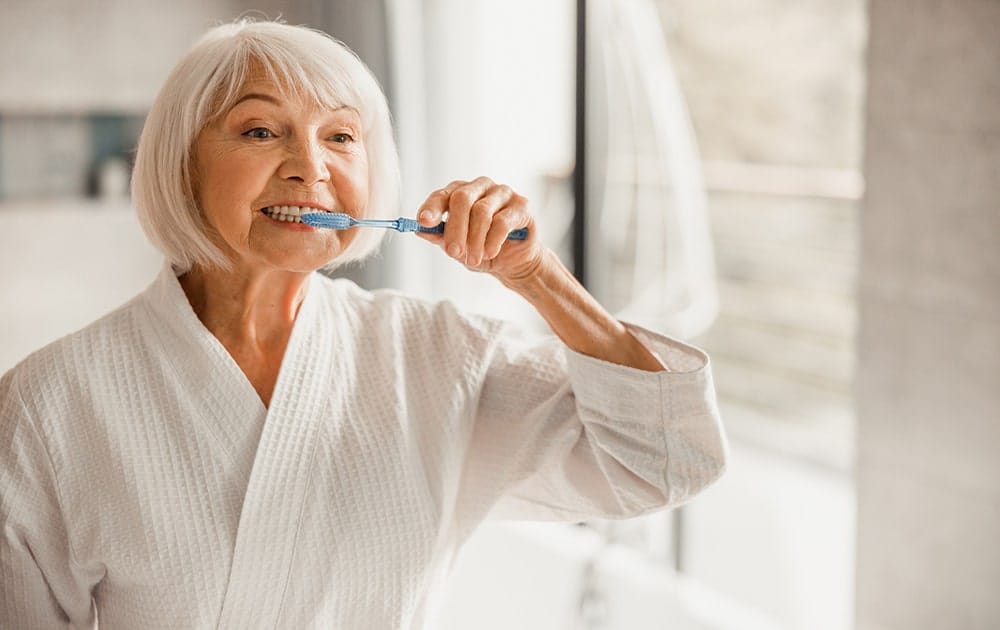
Practicing consistent oral hygiene can make a tremendous difference in preventing age-related dental problems. Brushing teeth twice daily with fluoride toothpaste strengthens enamel and protects against decay. Flossing once a day helps remove plaque and food particles between teeth, where brushing alone cannot reach. For older adults with arthritis or limited hand strength, electric toothbrushes and floss holders can make these tasks easier. Regular dental visits are essential for professional cleanings and early detection of issues such as cavities, gum disease, or oral cancer. Seniors with dentures, bridges, or implants must also clean and maintain them daily. Additionally, drinking water frequently, limiting sugary foods, and using saliva substitutes can help manage dry mouth.
The Role of Healthcare and Community Support
Dentists, caregivers, and healthcare providers play a vital role in supporting oral hygiene for older adults. Educating patients about proper techniques, offering resources for affordable dental care, and encouraging regular check-ups can reduce the risk of oral health disparities. Community programs that provide mobile dental services or financial assistance for seniors can also help ensure access to care. By creating a support system that values oral health as part of total wellness, societies can help older adults maintain healthier lives for longer.
Conclusion
Oral hygiene is more than a routine—it is a foundation for healthy aging. As people grow older, changes in the mouth, medical conditions, and daily challenges make oral care more important than ever. Good habits like brushing, flossing, and regular dental visits, along with proper support from healthcare providers, can prevent disease, protect overall health, and preserve confidence and independence. A healthy mouth contributes to a healthy body and mind, making oral hygiene one of the keys to living well at every age.
by Daniela Febres