Education is one of the most powerful tools for shaping the minds and futures of young children. From the earliest stages of life, learning plays a vital role in developing cognitive, emotional, and social skills that last a lifetime. The foundation laid during the first years of education is not only about academic knowledge—it’s about nurturing curiosity, confidence, and creativity in children so they can grow into responsible, capable, and compassionate adults.
1. Building a Strong Cognitive Foundation
Early education helps develop a child’s brain during its most active period of growth. Research shows that the first five years of life are crucial for brain development, as this is when children begin to form neural connections related to language, memory, reasoning, and problem-solving.
Engaging activities such as reading, storytelling, puzzles, and games stimulate intellectual growth and help children understand the world around them. These experiences also lay the groundwork for future academic success by enhancing concentration, comprehension, and communication skills.
2. Developing Social and Emotional Intelligence
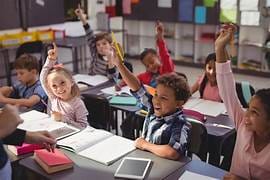
Education goes beyond books and numbers—it teaches children how to interact with others. In early classroom settings, young learners begin to understand the importance of cooperation, empathy, and sharing. They learn to listen, express feelings appropriately, and build meaningful friendships.
Social interaction in an educational environment also helps children gain emotional resilience—the ability to handle frustration, adapt to change, and solve conflicts peacefully. These skills are essential for success not only in school but also in adult life.
3. Encouraging Creativity and Curiosity
Curiosity is the spark that ignites lifelong learning. When children are encouraged to ask questions and explore ideas, they develop critical thinking and innovation.
Art, music, storytelling, and play-based learning allow children to express their imagination freely. Creative activities are not “just fun”; they are essential for cognitive flexibility and emotional well-being. Schools that promote creative learning environments produce students who are more confident in their ability to think independently and find solutions to problems.
4. Establishing Healthy Habits and Discipline
Education introduces structure and routine into a child’s life. Following schedules, completing tasks, and respecting classroom rules help children develop self-discipline and time management skills.
Teachers also play a key role in shaping positive habits such as cleanliness, teamwork, and respect for others. When these values are instilled early, children are more likely to grow into disciplined and responsible adults.
5. Narrowing Social Inequality
One of the most powerful aspects of education is its ability to create equality. Access to quality early education gives all children—regardless of their family background—a fair start in life. It helps bridge the gap between social and economic differences by providing opportunities for every child to develop their potential.
Educated children are more likely to become self-sufficient, contribute to their communities, and inspire others to pursue learning.
6. Preparing for Lifelong Learning
Early education is not just preparation for elementary school—it’s preparation for life. Children who start learning early tend to have higher academic achievement, better behavior, and stronger motivation to succeed.
They learn that effort leads to improvement, and mistakes are opportunities for growth. This mindset of lifelong learning empowers them to stay curious, adaptable, and resilient in an ever-changing world.
7. Strengthening Families and Communities
When children receive a solid educational foundation, the benefits ripple outward to families and entire communities. Educated children grow into adults who value knowledge, contribute positively to society, and make informed choices about health, environment, and relationships.
Parents and teachers working together also build stronger partnerships that support emotional stability and continued learning at home.
Conclusion
The benefits of education for younger children extend far beyond the classroom. It shapes who they are, how they think, and how they interact with the world. By investing in early education, we invest in a future generation of thinkers, leaders, and innovators who will make the world a better place.
Every lesson learned in childhood—whether in reading, kindness, or creativity—becomes a building block for a lifetime of growth, success, and happiness.
By Daniela Febres