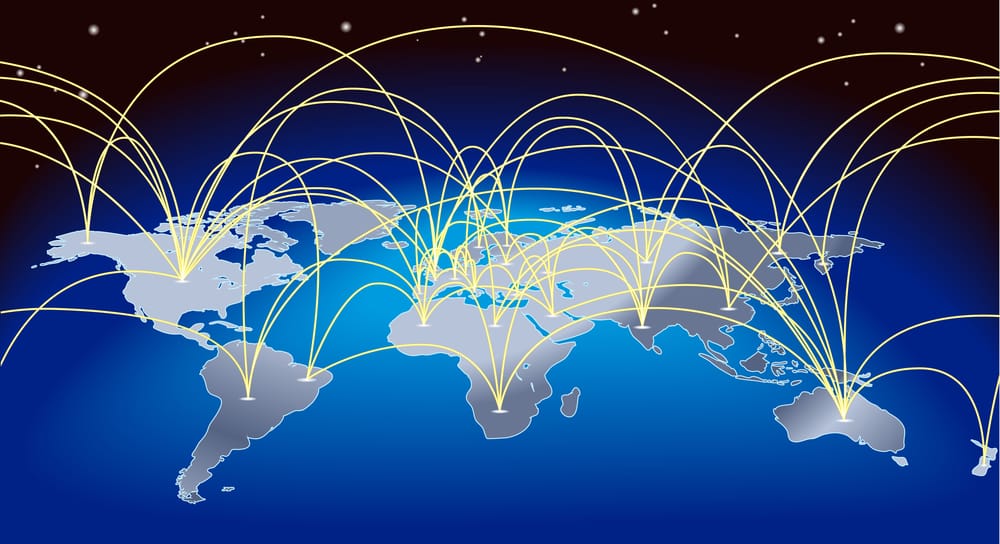
In today’s interconnected global economy, tariff and trade measures play a crucial role in shaping the flow of goods, services, and capital across borders. These tools are used by governments to regulate international trade, protect domestic industries, and respond to economic or political challenges. While they can support national development and employment, they also carry the risk of trade wars, inflation, and disruption of supply chains.
What Are Tariffs?
Tariffs are taxes imposed on imported goods. They raise the cost of foreign products, making them less competitive compared to locally produced alternatives. Countries use tariffs to:
-
Protect domestic industries from cheaper international competition
-
Encourage consumers to buy locally
-
Generate government revenue
-
Retaliate against unfair trade practices
However, tariffs can also result in higher prices for consumers, reduced variety, and tension between trading partners.
Non-Tariff Measures
Not all trade restrictions come in the form of tariffs. Governments often implement non-tariff measures (NTMs) such as:
-
Import quotas (limits on the amount of a product that can enter the country)
-
Licensing requirements
-
Health and safety standards
-
Subsidies to local producers
These measures aim to protect consumers, ensure product quality, and promote national interests. Yet, they can also be used strategically to block foreign competition under the guise of regulation.
Global Trade Agreements and Organizations
To prevent protectionism and promote fair competition, countries often form trade agreements and join international organizations. Key players include:
-
The World Trade Organization (WTO)
-
Regional trade blocs like the European Union (EU), Mercosur, and the African Continental Free Trade Area (AfCFTA)
-
Bilateral and multilateral agreements such as NAFTA/USMCA, TPP, and RCEP
These frameworks are designed to reduce trade barriers, resolve disputes, and create predictable trading environments.
The Balance Between Free Trade and Protectionism
While free trade encourages efficiency, innovation, and global cooperation, protectionism appeals to governments aiming to preserve jobs, industries, or national security. The challenge lies in finding the right balance—where countries can benefit from global trade while safeguarding their own economies.
Recent years have seen shifts in trade dynamics due to geopolitical tensions, pandemics, and climate change, prompting many nations to reconsider their trade strategies. The trend is moving toward “smart trade”—using tariffs and trade measures strategically rather than relying purely on open or closed markets.
For more information and a detailed explanation of these concepts, watch this informative video:
📽️ https://youtu.be/qhbeXzFME9Q