Distance Learning at AIU is enhanced by vast academic resources and innovative technologies build into the Virtual Campus: Hundreds of self-paced courses with video lectures and step by step lessons, thousands of optional assignments, 140,000 e-books, the Social Media & Networking platform allowing collaboration/chat/communications between students, and MYAIU develop students holistically in 11 areas beyond just academics.
AIU offers a wide range of majors in areas including the Arts, Business, Science, Technology, Social, and Human studies. More than 120 degrees and programs are available for adult learners at the associate’s, bachelor’s, master’s, doctoral and postdoctoral level.
Distance Learning at AIU is enhanced by vast academic resources and innovative technologies build into the Virtual Campus: Hundreds of self-paced courses with video lectures and step by step lessons, thousands of optional assignments, 140,000 e-books, the Social Media & Networking platform allowing collaboration/chat/communications between students, and MYAIU develop students holistically in 11 areas beyond just academics.
The world is YOUR campus!”, that is the message of AIU’s month magazine Campus Mundi. Hear the voices and see the faces that make up AIU. Campus Mundi brings the world of AIU to you every months with inspirational stories, news and achievements by AIU members from around the world (students and staff are located in over 200 countries).
The oceans cover more than 70% of our planet and are home to an incredible diversity of life. They regulate the Earth’s climate, produce much of the oxygen we breathe, and provide food and livelihoods for billions of people. Yet, despite their importance, our oceans are under severe threat from human activities such as overfishing, plastic pollution, habitat destruction, and climate change. Protecting them is not just an environmental issue—it is a necessity for our survival.
The Vital Role of Oceans
Oceans act as the planet’s life-support system. They absorb carbon dioxide, help regulate global temperatures, and drive weather patterns. They are also a source of inspiration, culture, and recreation for people around the world. Their health directly impacts our health, economies, and food security.
Major Threats to Ocean Health
One of the most pressing issues is plastic pollution. Millions of tons of plastic enter the seas every year, harming marine life and entering the food chain. Overfishing depletes fish populations, disrupts ecosystems, and threatens the livelihoods of coastal communities. Climate change leads to rising sea temperatures, ocean acidification, and coral bleaching, all of which devastate marine biodiversity. Coastal development and destructive practices like bottom trawling destroy vital habitats such as mangroves, seagrasses, and coral reefs.
How We Can Protect Our Oceans
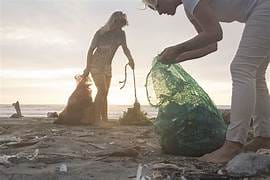
Protecting our oceans requires global cooperation and individual action. Governments must enforce sustainable fishing practices, expand marine protected areas, and reduce greenhouse gas emissions. Industries need to innovate to reduce waste, use sustainable materials, and lower their carbon footprint. On a personal level, individuals can make a difference by reducing plastic use, supporting sustainable seafood, participating in coastal clean-ups, and raising awareness about ocean conservation.
The Power of Education and Advocacy
Education plays a crucial role in ocean protection. By teaching communities about the value of marine ecosystems and the threats they face, we can inspire more people to take action. Advocacy ensures that ocean health remains a priority in environmental policies and international agreements. Collective voices can influence governments and corporations to adopt stronger protections and more sustainable practices.
Conclusion
Our oceans are a shared resource, vital to all life on Earth. Protecting them is both a moral obligation and a practical necessity for ensuring a healthy, sustainable future. The time to act is now—through cooperation, innovation, and individual commitment, we can restore and preserve the beauty, biodiversity, and benefits of our oceans for generations to come. by Daniela Febres