The ocean is the beating heart of our planet. It regulates the climate, produces most of the oxygen we breathe, feeds millions of people, and supports an extraordinary network of life that stretches from the surface to the deepest, darkest trenches. Yet today, the ocean faces unprecedented threats—pollution, overfishing, acidification, loss of biodiversity, and rising temperatures.
Amid this crisis, each of us holds the power to help. Caring for our oceans begins with understanding their importance and embracing everyday actions that protect their future.
The Ocean’s Role in Our Lives
Though we often think of the ocean as something distant, it touches every aspect of our existence. It absorbs nearly one-third of the excess carbon dioxide humans produce, acting as a natural climate buffer. It generates more than half of the Earth’s oxygen, making every second breath we take a gift from the sea.
Additionally, millions of people rely on marine ecosystems for food, work, cultural identity, and scientific discovery. Healthy oceans mean healthy communities.
Recognizing this deep connection is the first step in protecting them.
Reducing Plastic Pollution: Small Choices, Big Impact
Plastic waste is one of the most visible and dangerous threats to marine life. Millions of tons of plastic enter the ocean every year, harming animals, contaminating ecosystems, and breaking down into microplastics that even humans now consume.
However, reducing this pollution is possible, and it starts with our daily habits:
-
Choose reusable bags, bottles, and containers
-
Avoid single-use plastics such as straws and cutlery
-
Support businesses that use sustainable packaging
-
Recycle responsibly and reduce overall waste
Every plastic item you refuse is one less piece that can end up in the ocean.
Supporting Sustainable Seafood
Overfishing has pushed many species to the brink of collapse. Choosing sustainable seafood helps reduce pressure on vulnerable species and supports fishermen who follow responsible practices.
Look for certifications such as:
-
MSC (Marine Stewardship Council)
-
ASC (Aquaculture Stewardship Council)
-
Seafood Watch recommendations
When we make mindful decisions, we help restore balance to marine ecosystems.
Reducing Carbon Footprint for Ocean Health
Climate change is warming the ocean, bleaching coral reefs, melting polar ice, and disrupting the delicate balance of marine life. Cutting our carbon footprint is one of the most powerful ways to help:
-
Use energy-efficient appliances
-
Reduce car travel; walk or cycle when possible
-
Support renewable energy initiatives
-
Choose plant-based meals more often
-
Buy local, seasonal foods to reduce transport emissions
By easing the burden on the climate, we also protect the ocean.
Protecting Coastal Ecosystems
Mangroves, wetlands, seagrass meadows, and coral reefs serve as nurseries for marine species and natural barriers against storms. They also absorb massive amounts of carbon. We can help preserve these ecosystems by:
-
Supporting conservation organizations
-
Avoiding boating or anchoring in sensitive areas
-
Reducing pollution that runs off into waterways
-
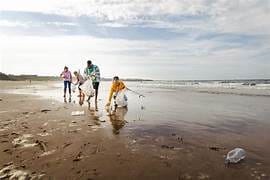
Participating in beach clean-ups
-
Respecting wildlife and coastal habitats when traveling
Healthy coastlines are essential for healthy oceans.
Advocating for Ocean-Friendly Policies
Real change requires strong environmental policies. Supporting leaders, organizations, and initiatives focused on marine conservation helps amplify our impact. You can:
-
Sign petitions protecting marine reserves
-
Support bans on single-use plastics
-
Encourage local leaders to invest in clean water systems
-
Vote for policies that prioritize climate and ocean protection
-
Share information to raise awareness in your community
Collective voices create powerful waves of change.
Educating Ourselves and Others
Knowledge is one of the greatest tools we have. By learning about marine ecosystems, sharing what we know, and inspiring others to take action, we amplify our reach.
We can:
-
Teach children about the importance of oceans
-
Follow trusted marine research organizations
-
Support educational programs and documentaries
-
Spread awareness online and in our communities
An informed society is a motivated society.
Reconnecting With the Ocean
When we spend time near the ocean—swimming, diving, sailing, or simply sitting on the shore—we develop a deeper respect for its beauty and fragility. This connection can inspire lifelong commitment to protecting it.
The more we feel connected, the more we care—and the more we care, the more we act.
A Future We Can Shape Together
Caring for our oceans is not a burden; it is an opportunity. Every decision, every habit, and every small act has the potential to create positive change. Protecting the seas means protecting our climate, our food systems, our communities, and the generations that come after us.
The ocean is resilient, but it needs our help. When we choose sustainability, speak up, reduce waste, and support conservation, we become part of a global movement that safeguards our blue planet.
The responsibility is shared, but the impact is immense. Together, we can ensure that the beauty, strength, and life of the ocean continue to thrive.