Introduction
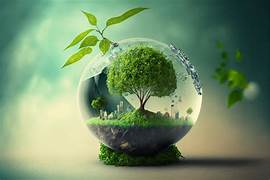
The environment is the foundation of life on Earth, providing us with clean air, water, food, and resources for survival. However, human activity has placed immense pressure on the planet through pollution, deforestation, overconsumption, and climate change. Helping our environment is no longer an option—it is a responsibility. Each of us, through our daily choices and actions, can make a difference. Protecting the environment means protecting our own health, our future, and the well-being of generations to come.
Reducing Waste
One of the most effective ways to help the environment is by reducing waste. Plastic pollution is one of the biggest threats to oceans and wildlife. Simple steps such as using reusable bags, bottles, and containers can prevent tons of plastic from ending up in landfills and waterways. Recycling paper, metal, and glass reduces the need to extract raw materials and lowers greenhouse gas emissions. Composting food scraps is another way to reduce waste while enriching the soil for gardening and farming.
Conserving Water
Fresh water is a limited resource, and millions of people worldwide struggle with access to clean water. We can conserve water by turning off taps when not in use, fixing leaks, and using water-efficient appliances. In agriculture and landscaping, switching to drip irrigation and planting drought-resistant plants can save large amounts of water. Conserving water also reduces the energy needed to pump, treat, and heat it, lowering our environmental footprint.
Saving Energy
Energy use is a major contributor to climate change, especially when it comes from burning fossil fuels like coal and oil. To reduce energy consumption, we can use energy-efficient appliances, switch to LED lighting, and unplug devices when not in use. Choosing renewable energy sources such as solar and wind power helps reduce carbon emissions. Even small steps—like walking, biking, or using public transport instead of driving alone—save energy and reduce pollution.
Protecting Forests and Wildlife
Forests are often called the “lungs of the Earth” because they absorb carbon dioxide and produce oxygen. Yet deforestation continues at alarming rates. Supporting sustainable forestry, reducing paper consumption, and planting trees are ways we can protect forests. Protecting habitats also safeguards wildlife. Many species face extinction due to loss of habitat, poaching, and pollution. Supporting conservation organizations, avoiding products made from endangered animals, and respecting natural habitats during travel are practical ways to protect biodiversity.
Practicing Sustainable Consumption
Overconsumption drives pollution, waste, and resource depletion. Choosing sustainable products—such as those made from recycled materials or certified by eco-labels—helps reduce harm. Buying local produce supports farmers and reduces the carbon footprint of long-distance transport. Reducing meat consumption, even slightly, can lower greenhouse gas emissions and save water. The idea of “reduce, reuse, recycle” applies not just to waste, but to all the choices we make as consumers.
Educating and Advocating
Helping the environment is also about spreading awareness and pushing for change. Educating family, friends, and communities about environmental challenges encourages collective action. Supporting policies that protect the environment—such as renewable energy initiatives, conservation programs, and stricter pollution controls—can create large-scale improvements. Participating in clean-up projects, tree-planting drives, or environmental clubs is a way to act locally and inspire others.
Conclusion
Helping the environment may seem overwhelming given the scale of global problems, but every action counts. By reducing waste, conserving water and energy, protecting forests, practicing sustainable consumption, and advocating for change, we can each play a role in healing the planet. The choices we make today will shape the future of our Earth. Taking care of the environment means taking care of ourselves, ensuring a healthier, more sustainable world for generations to come.