Introduction
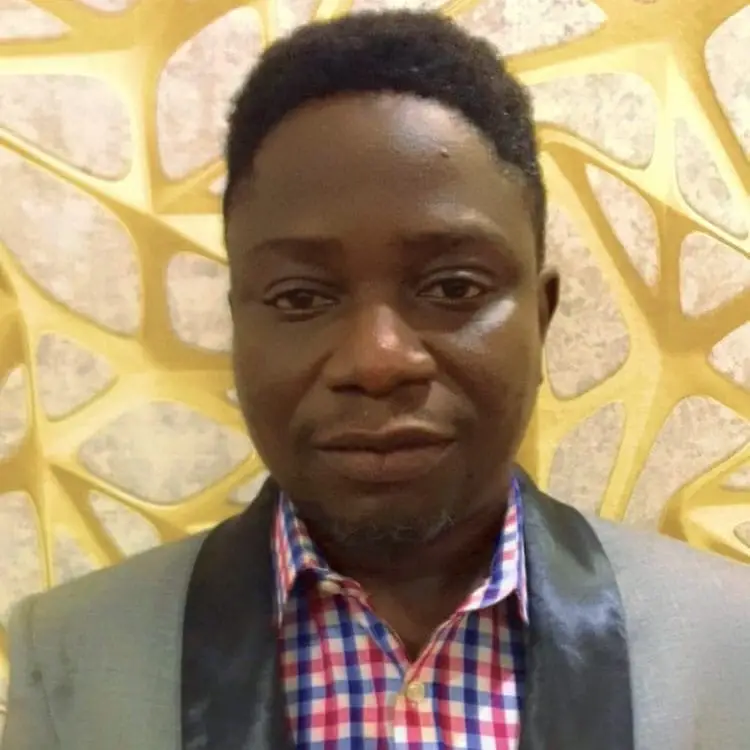
Rural communities are the backbone of agricultural production, natural resource management, and local economies in many parts of the world. Yet, within these essential communities, the roles and contributions of men and women are often unequally recognized and unequally valued. Understanding how gender, complementarity, and respect intersect in rural settings is key to building sustainable and equitable development. In his insightful presentation, Gender, Complementarity, and Respect for Rural Livelihoods, Tobias R offers a compelling lens through which to explore the importance of gender-balanced participation in rural life.
Rural Livelihoods and Gender Dynamics
Rural livelihoods refer to the strategies people use to sustain themselves and their families in non-urban areas, primarily through agriculture, animal husbandry, fishing, and traditional crafts. These livelihoods are complex systems shaped by cultural traditions, environmental conditions, and access to resources. Within this context, gender roles often define who does what, who makes decisions, and who has access to land, tools, education, and capital.
In many rural communities, men may traditionally manage cash crops and large livestock operations, while women are tasked with subsistence farming, food preparation, water collection, child care, and tending smaller animals or gardens. Despite the fact that both roles are vital, women’s contributions are frequently considered secondary or invisible in economic terms. This imbalance leads to inequality in ownership, recognition, and power—and hinders the development potential of entire communities.
Complementarity: A Path Toward Balance
Complementarity does not mean sameness. It recognizes the interdependence of distinct roles—the way different responsibilities and strengths come together to form a complete and effective system. In rural livelihoods, complementarity between men and women means acknowledging that both bring essential knowledge, labor, and decision-making capacity.
For example, a woman’s knowledge of medicinal plants, seed preservation, or water conservation may be just as vital as a man’s expertise in operating machinery or market negotiations. Together, these skills ensure the long-term sustainability of both household economies and ecological resources. When we recognize and invest in complementarity, we elevate all voices and create stronger, more adaptable communities.
The Consequences of Gender Imbalance
When gender inequality persists in rural communities, it has far-reaching consequences. Women may be excluded from land ownership, denied access to credit, left out of training programs, or silenced in community decision-making. This not only limits their individual potential but also weakens the overall resilience of the community.
The absence of women’s voices in agricultural planning, climate adaptation, or resource management often results in policies that overlook their practical knowledge and everyday experience. Moreover, when women’s work is unpaid or undervalued, it reinforces cycles of poverty and limits children’s access to education, nutrition, and opportunity.
Respect as the Foundation of Development
At the heart of true development is respect—for people, traditions, labor, and difference. Respecting rural livelihoods means recognizing the dignity of work, no matter how informal or unrecognized it may be. It means challenging gender stereotypes that limit who can lead, who can learn, and who can own.
Respect also involves engaging men and boys in conversations about shared responsibility, equity, and cooperation. Gender equality is not a “women’s issue”—it is a community issue. By fostering respect across genders, generations, and roles, rural societies can build a more inclusive foundation for economic growth, environmental stewardship, and peace.
Creating Change Through Inclusion
To advance gender complementarity and respect in rural areas, change must occur on several levels:
-
Policy change: Governments must guarantee land rights, legal protection, and access to resources for women and men alike.
-
Education and training: Both genders should be included in agricultural extension services, leadership programs, and environmental planning.
-
Community engagement: Conversations around gender roles and responsibilities should be inclusive, respectful, and rooted in cultural understanding.
-
Support for women’s networks: Empowering women through cooperatives, mentorship, and local leadership strengthens entire communities.
These steps are not just ethical—they are economically smart and environmentally necessary in a changing world.
Conclusion
Gender, complementarity, and respect are not abstract concepts; they are practical, powerful tools for transforming rural livelihoods into systems that are fair, efficient, and sustainable. By recognizing the strengths and needs of all community members—regardless of gender—we can build a rural future that is rich in opportunity and rooted in equity.
Tobias R’s presentation is a must-watch for educators, policy makers, activists, and anyone committed to rural development and social justice. His insights invite us to rethink how we value labor, power, and partnership in the places that feed and sustain us all.
👉 Watch the full video here: https://youtu.be/sGJ702F8nV4
By: Daniela Febres