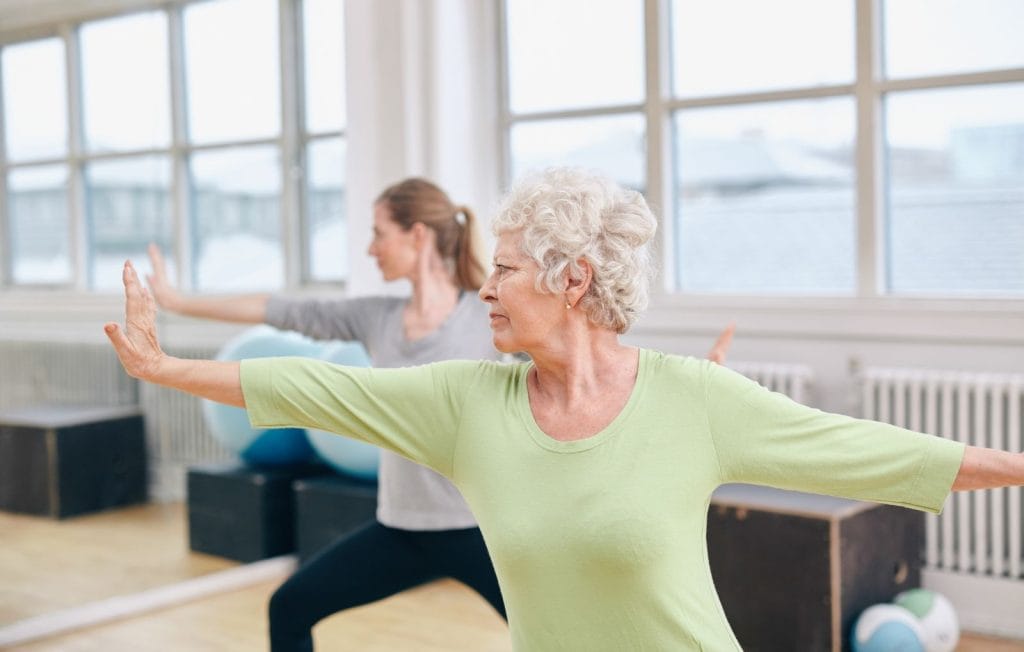
Exercise is one of the most powerful tools we have to maintain and improve our health. In a world where technology has made life more convenient but also more sedentary, physical activity is no longer just a lifestyle choice—it is a necessity. The human body is designed to move, and regular exercise impacts nearly every aspect of our physical, mental, and emotional well-being.
Physical Benefits of Exercise
Engaging in regular physical activity strengthens the heart, lungs, and muscles. Cardiovascular exercises such as walking, jogging, cycling, or swimming improve circulation and reduce the risk of heart disease, high blood pressure, and stroke. Strength training builds lean muscle mass, enhances metabolism, and prevents the natural decline in muscle strength that comes with aging. Flexibility exercises like yoga or stretching reduce stiffness and improve posture, making daily movements easier and safer.
Exercise is also closely linked to maintaining a healthy weight. By burning calories and balancing energy intake, physical activity helps prevent obesity—a major risk factor for diabetes, heart disease, and certain cancers. Moreover, exercise boosts bone density, lowering the chances of osteoporosis and fractures later in life.
Mental and Emotional Health Benefits
The benefits of exercise go far beyond the physical. Regular activity stimulates the release of endorphins, often called “feel-good hormones,” which reduce stress and promote happiness. It can also improve sleep quality, memory, and concentration, making it an effective tool against insomnia and cognitive decline.
Research shows that exercise helps alleviate symptoms of anxiety and depression by promoting relaxation and reducing tension. Group activities such as sports or fitness classes foster social connections, which further support mental health. Even simple routines like daily walks can provide moments of mindfulness and peace, giving individuals time to reset mentally.
Long-Term Health and Disease Prevention
One of the most important roles of exercise is disease prevention. Regular activity reduces the risk of chronic conditions such as type 2 diabetes, high cholesterol, certain cancers, and metabolic syndrome. It improves the body’s ability to regulate blood sugar and enhances immune function, helping us fight infections more effectively.
Exercise also contributes to healthy aging. Active individuals are more likely to maintain mobility, independence, and quality of life in their later years. By protecting the brain and body, physical activity can delay or reduce the impact of age-related diseases like dementia and arthritis.
Building Healthy Habits
The key to enjoying the benefits of exercise is consistency. Health experts recommend at least 150 minutes of moderate-intensity aerobic activity or 75 minutes of vigorous activity per week, combined with muscle-strengthening activities twice a week. However, even small amounts of movement add up. Choosing the stairs instead of the elevator, walking during breaks, or doing light stretches at home can make a difference over time.
Finding an activity that brings joy is essential—whether it’s dancing, hiking, swimming, or practicing martial arts. Enjoyable activities are easier to sustain, turning exercise from a chore into a fulfilling part of daily life.
Conclusion
Exercise is not just about building a stronger body; it is about building a healthier, happier, and longer life. From reducing disease risks to improving mood and energy levels, the benefits are far-reaching and undeniable. In many ways, movement is medicine—accessible, effective, and vital for everyone. By making physical activity a priority, we give ourselves the gift of resilience, vitality, and well-being that lasts a lifetime.