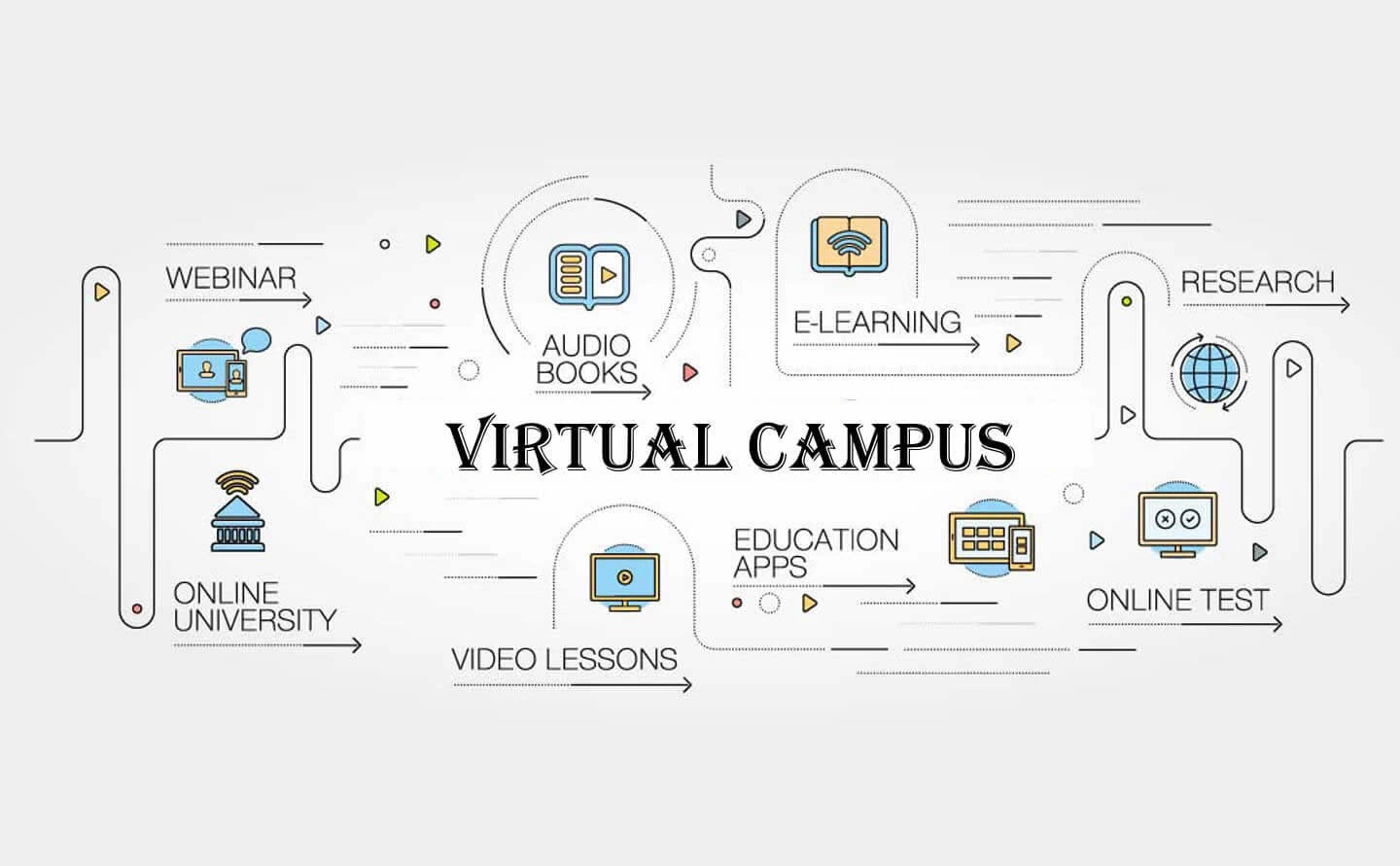
Distance Learning at AIU is enhanced by vast academic resources and innovative technologies build into the Virtual Campus: Hundreds of self-paced courses with video lectures and step by step lessons, thousands of optional assignments, 140,000 e-books, the Social Media & Networking platform allowing collaboration/chat/communications between students, and MYAIU develop students holistically in 11 areas beyond just academics.
The world is YOUR campus!”, that is the message of AIU’s month magazine Campus Mundi. Hear the voices and see the faces that make up AIU. Campus Mundi brings the world of AIU to you every months with inspirational stories, news and achievements by AIU members from around the world (students and staff are located in over 200 countries).
School of Social & Human Studies
A Masters in Civil Disputes and Litigation is available via distance education, catering to both licensed attorneys and those with law degrees seeking advanced civil law knowledge, as well as those that want a stronger foundation in dispute resolution methods and Court Procedures. The curriculum provides an emphasis on practical experience in all aspects of Litigation, including how to analyze cases; Draft, Negotiate, and Develop a Litigation Strategy.
Students will be provided the flexibility of the Remote Study option. Based on the principles of Andragogy (the study of how Adult Learners learn), the course encourages Self-Direct Learning, encourages the use of Critical Thinking skills, and enables adult learners to apply Theoretical Principles to Real Life Experiences. By combining Structured Course Work of master’s degree in civil litigation with Interactive Assignments, civil litigation and dispute resolution master’s students will learn how to navigate Complex Civil Disputes and improve their online masters in civil litigation Career Development within the Legal Profession.
Important: Below is an example of the topics or areas you may develop and work on during your studies. By no means is it a complete or required list, as AIU programs do not follow a standardized curriculum. It is meant solely as a reference point and example. Want to learn more about the curriculum design at AIU? Check here: Course and Curriculum
The Civil Litigation Process Program consists of a broad series of core courses, which give students a complete picture of civil disputes and litigation. In addition to providing theoretical knowledge regarding civil procedure, contracts and torts, alternative dispute resolution, drafting and filing of pleadings, managing evidence and courtroom skills, each of the core courses will also offer students a means of learning about the above topics and acquiring practical skills. In the process of completing these courses, students will develop the ability to analyze civil cases, plan a strategy to pursue a claim through litigation, and to gain proficiency in the processes associated with significant litigation.
The postgraduate in civil litigation program has created a structured orientation designed to help students successfully transition into distance education and the niche area of Civil Disputes and Litigation. Students will be introduced through the orientation modules to how the program is organized; online tools used for civil litigation master’s degree online education, and methods of conducting legal research, as well as basic legal concepts. The civil dispute resolution master’s program orientation takes into account principles of adult learning as well as how to develop successful strategies for studying and managing time effectively, along with understanding ethical conduct in their future profession, which will aid their success in all areas of the Degree Program, including advanced coursework and practical assignments.
Research projects completed in conjunction with the Civil Disputes & Litigation Master’s Program provide students with opportunities to enhance their critical thinking, practical problem-solving, and deep understanding of civil law through research. The research projects allow students to research current civil law issues, evaluate relevant existing case law, and formulate evidence-based solutions for complex civil disputes.
Using the research component to facilitate self-directed learning and application of theoretical concepts, the research component supports the development of students’ analysis, preparation of written materials, and ability to advocate for civil litigants. Professional knowledge gained through the research component may relate to areas of contract enforcement, tort claims, alternative dispute resolution methods, and developments in procedural law relating to civil litigation.
Publication – Students have the chance to make an impact in the area of civil dispute/litigation through research-based publishing. Through writing case studies, critiquing developments in the law, and incorporating the applied knowledge from courses or internships that they have completed, students are able to present their skills and knowledge to the larger legal community. Not only do these publications improve a student’s level of understanding of civil law and litigation strategies, but they also build a student’s professional profile; assist in connecting with current discussions/ issues of law; and promote an atmosphere of scholarship and continuous learning.
The thesis defense is a significant part of the Master of Civil Dispute Resolution & Litigation, as it enables students to present and defend their work to a thesis committee that consists of faculty members and legal professionals. It is an assessment of the civil litigation degree online student’s ability to compile, apply legal principles, and conduct research in a critical and analytical manner. In addition to validating the student’s research capabilities; the thesis defence prepares students for future master of laws in civil litigation professional activities and scholarship in the area of civil litigation by emphasizing professionalism, competitiveness, and rigor in their presentations.
Using online programs and tools to enhance student(s) course experience and provide a flexible approach to course learning by allowing students to work through materials/complete assignments/participate in discussions when and where they want. Technology offers students engaging resources such as simulations of court cases and/or alternative dispute resolution (ADR) resources where they can learn through application of theory into practice. This technology environment allows for an individualized, responsive, and dynamic way for adult learners to pursue education to meet their specific needs.
The program focuses on both academics and the value of Community Engagement & Social Responsibility to demonstrate social responsibilities to students. Students are given opportunities to engage with the community through participation in Legal Aid initiatives, Pro Bono Projects, Discussion Forums with their peers, practitioners and Civil Society Organizations. Through these activities, civil law postgraduate programs students collaborate, network, and apply their academic skills to solve real-world issues related to civil litigation and disputes. By incorporating Social Awareness and Community Involvement into the experience of learning, the masters in legal dispute resolution program produces lawyers who are well-rounded and have a strong commitment to ethical legal practices and the betterment of society.
Begin Your Journey!
AIU’s Summer of Innovation and Growth gives you the ability to earn up to $5000 in tuition credit by completing free lessons and courses.
Whether you’re looking to acquire new skills, advance your career, or simply explore new interests, AIU is your gateway to a world of opportunities. With free access to 3400 lessons and hundreds of courses the ability to earn credits and earn certificates there’s no better time to start learning.
Join us today as a Guest Student and take the first step towards a brighter, more empowered future.
Explore. Learn. Achieve.
All students can use many types of academic resources that help them learn more efficiently and conduct research. All learners can access the following types of academic resources: digital library, case law databases, e-journals, legal research tools, and curated study materials on basic and advanced topics in the area of civil disputes and litigation. All academic resources are designed to help students learn independently through objective analysis of case law and credibility, which will give the legal studies student a deeper understanding of the complexities of the law & court procedures and allow them to keep up to date with the latest developments.
Complete assignments online or offline at your convenience with 24/7 access to distance learning through AIU’s Virtual Campus. Step by Step guides including videos, tutorials, live webinars and examples for each course. All materials can be access on all web browsers as well as via AIU's Mobile App which brings all the features of the Virtual Camus to your Mobile Device.
MyAIU’s primary goal is to go beyond Academics, it looks to guide students through 11 elements that are key to living life optimally in all aspects. By identifying and reflecting on these key areas, an opportunity arises to holistically address them, through positive change, habits, reinforcement and tools to keep students on their chosen path.
The students have the opportunity to produce, edit and host their own show reaching a worldwide audience, the AIU community and giving notice of their expertise/passion in the subject. AIUTV & AIU Radio allow students to explore new ways to communicate, develop a platform and form potential collaboration with likeminded individuals.
AIU Campus Mundi is a monthly magazine that gathers the most notable news and information about the university and its members in one convenient place. The magazine allows our community to be well informed, involved and keep in tough regardless of their geographic location. AIU Campus Mundi publishes, news, research, events, awards, academic achievements.
Each year AIU organizes graduation ceremonies where the students can assist and share their experiences with fellow students and academic members Participation in the ceremony is optional, the day’s events include conferences, research presentations, group meetings, networking, lunch and formal dinner.
Through the participation of international symposiums with law practitioners, scholars, and peers from various countries, students gain access to an international forum through participating in these events, where they can present their findings, exchange ideas about current developments or issues in civil litigation and disputes, and receive input from many different viewpoints on how to best practice law.
Two live, on-line classes are held each day, providing learners with opportunities to participate in interactive learning with their professors and classmates. These live class sessions provide learners an opportunity to ask questions, take part in discussions about case studies, and acquire real-world application of techniques used in litigation of civil disputes.
Through the combination of case management structured lectures and dynamic back-and-forth conversation among participants during these sessions, active participation promotes a more in-depth understanding of what learners have previously learned, reinforces the key elements of those topics, and enables him/her/it to utilize their theoretical knowledge in real life situations, both increasing learners’ understanding of the law of legal advocacy and improving the level of professionalism.
Students will be able to engage with this program by preparing independent research papers, developing a number of specialized projects, and collaborating with other students and/or faculty members on writing opportunities. In addition, through their individual research activities and participation on collaborative projects, students will gain valuable expertise in the area of legal research and evaluation of complicated cases while developing individual viewpoints that they can share with fellow students, as well as legal scholars and practitioners.
Collaborative writing and working on partner projects enables students the opportunity to work collaboratively, create strong written works, and understand how the peer review/publication process works; as well, it assists students in establishing their professional identities, and gaining experience producing products to provide benefit to the legal profession as a whole.
To help students gain success in their professional paths as civil litigators or through civil litigation dispute resolution, students can obtain help through the Career Center as it provides a complete array of services to guide students in their growth as future civil litigators or civil dispute resolution professionals. The Career Center meets with every student to provide personalized career counselling, connects students with job-placement support; connects students with internship opportunities, and connects students with legal practitioners for professional partnerships through networking events. In addition to one-on-one consultations with students to prepare resumes, prepare for interviewing, and hone their skill set as lawyers by attending skill-enhancement workshops, the Career Center prepares all law students interested in developing leadership skills, wanting to pursue careers as legal advisors or working in specialty areas of civil law/dispute resolution.
Having successfully completed their Master’s Degree in Civil Disputes & Litigation, our online graduates can expect a variety of professions available to them in the legal profession. With this degree, graduates have the requisite knowledge and practical skill set necessary for successfully handling complex civil cases; negotiating settlements or closing deals; and managing the entire process of resolving disputes through arbitration or mediation, etc. Typical career opportunities would include working for law firms, corporate legal departments; at an arbitrators or mediators office; in government agencies and as consultants to other businesses/companies. As such, graduates of this programme will be able to use their training/education output to provide assistance and support for the resolution of civil disputes in a variety of legal settings.
With the help of our program, we provide our students with many different types of specialized tools and resources that can help them advance their learning, research, and practice related to Civil Disputes and Litigation. Through these types of tools students will have access to the legal research databases, case management software, document drafting applications, virtual courtroom simulations, and the ability to work collaboratively within an online workspace. By utilizing these technologies as part of the students’ learning experience, they will be able to build their technical skills along with their legal knowledge, thus providing a way for students to conduct research, perform analysis and draft all necessary legal documents, while also performing simulated litigation exercises that mirror what they would do in the real world.
This program encourages students to get involved with legal organizations and professional associations in order to learn and grow as attorneys by networking with lawyers and becoming familiar with the current trends and issues surrounding civil dispute resolution and litigation. Students who join these organizations will be able to attend conferences, participate in workshops and receive newsletters; all of which will aid them in both their academic and professional endeavors. Connecting with these organizations provides students with a unique chance to see what the best performing members of our profession do, how they do it, and what the standards of excellence are for attorneys in the legal profession.
You can apply for the Master’s of Civil Disputes and Litigation program if you have an accredited LL.B (Bachelor of Laws) or a foreign equivalent degree from an accredited university. You must demonstrate a basic knowledge of the legal system as well as an interest in continuing your education at a higher level in law. Additional application requirements may be to send your transcripts, a photo ID, a statement of reason for applying, and possibly also provide letters of recommendation. This educational opportunity is available to both new graduates as well as current employees in the field of civil dispute resolution, litigation, and the practice of mediation.
To enroll in the Master of Civil Dispute & Litigation program (MCL), you will need to follow a standardized application process that has been created to assist prospective students throughout the entire application period. The steps generally include completing an online application form, providing documentation (transcripts and other items) to verify academic eligibility, checking identification)/ citizenship status, submitting a Statement of Purpose/Personal Statement (also known as a Personal Statement), and in some instances, letters of Reference for Professional Preferences (LOR). After reviewing and approving the application materials received by the applicant, the applicant receives an offer of admission and enrollment instructions/tuition fees payment information so that they may begin their online learning experience in Civil Disputes & Litigations.
Through a combination of financial assistance and scholarship opportunities offered through this program, we have made it possible for deserving students to get a quality advanced legal education. Eligible candidates may be able to receive either merit-based scholarships, need-based financial assistance or installment tuition plans. Using these methods, we can reduce some of the financial stress associated with obtaining a Master’s degree in Civil Disputes & Litigation and allow students to concentrate on their studies and career growth. We provide support in understanding the application process, eligibility and types of funding available to assist students in obtaining funding based on their individual needs.
AIU makes its Master’s programs – like our Masters program in Civil Disputes & Litigation – affordable and viable to a global community of students through a flexible cost structure. Students can choose to pay in monthly installments of AIU online tuition without interest instead of paying in one lump sum; thus, students can make payments that fit within their individual budgets. The combination of payment flexibility and self-paced distance learning provides learners with the freedom to go through their courses at an appropriate pace without feeling pressured by a strict time frame to complete coursework or due to financial hardship of making payments for class fees in one lump sum.
The Master’s in Civil Disputes and Litigation is a Master’s degree programme that focuses on providing students the tools and techniques to resolve civil disputes legally while providing them with the knowledge to pursue litigation if necessary.
After completing a Master’s in Civil Disputes & Litigation, graduates can find various types of jobs including: civil litigation attorney/solicitor, legal consultant, mediator / arbitrator, corporate legal advisor/counsel, compliance officer, and legal researcher or dispute resolution expert.
Yes, AIU offers Masters in Civil Litigation online.
Most programs covering the Master of Laws in Civil Disputes & Litigation offer instruction in various areas including Civil Procedure, Contract Law, Tort Law, Evidence & Proof, Alternative Dispute Resolution, Drafting Legal Documents/Courtroom Advocacy, and Legal Research.
"*" indicates required fields