Masters in Communication

School of Science & Engineering

Academic Freedom to Discover Your Purpose

Open Curriculum Design at Atlantic International University

Pursuing a Master of Arts in Communication at Atlantic International University (AIU) offers a comprehensive exploration into advanced studies in communication. This graduate degree in communications empowers students to delve into diverse specializations in communication master’s programs, ranging from public relations and corporate communication to strategic communication and communication and media studies. The curriculum is designed to build upon the foundational knowledge gained in a communication studies master’s, equipping graduates with the skills needed to excel in various professional settings.

AIU’s communication graduate programs emphasize practical experience and theoretical understanding. Whether you’re interested in a Public Relations Master’s degree, a Corporate Communication Master’s, or a Strategic Communication Master’s, you will find a tailored path that aligns with your career aspirations. This dynamic approach ensures that graduates are not only proficient in the latest communication strategies but also prepared to lead in an ever-evolving global landscape.

Courses and Topics in Online Masters in Communication

IMPORTANT: Start the path to a discovery of investigation interest to discover what study areas and subjects you may want to explore, as you begin your education. I want to emphasize that the following list is not exhaustive to meet your needs, and it is not a requirement, emphasizing the emphasis of AIU to offer the individualized world of learning groups and field work, instead of set responsibilities. Think of this example as an example of the many options and ways you can experience at AIU. If you are intrigued with studying at AIU because of the specific unique construct curriculum or study options does it entice you for more detail exploration?

An Online Master of Arts in Communication gives students a full program with many courses intended to deepen knowledge and enhance skills across the field of communications. Students engage in graduate work in communications through many various courses and topics in their communication graduate programs. 

For instance, in strategic communication, students learn how to create persuasive messages for strategic opportunities for different audiences and platforms, within public and community relations, students learn techniques for image and relationship management, and in corporate communication, useful for effective corporate engagement, both internal and external. 

Another dimension to a communication master’s program is area of specialization allowing deeper exploration into niches such as communication and media studies, which study the impact of media on society and culture. Every course in a master’s in communications program is designed to prepare graduates for the complexities of global communication challenges, for leadership in all sectors. This thoroughness in the graduate degree program in communications fosters critical thinking, strategic planning, and skilled communicators for professional purposes.

Orientation Courses

Orientation courses – commensurate with a Master of Arts in Communication – are foundational courses, which assist students in their journey across various specialisation streams in communication studies. These first courses are also relevant for students about to advance into a graduate degree in Communications, in that the courses help to overview and contextualise “findings” in the discipline on a continuum of important components.

Orientation subjects could include understanding the principles and theories of the communication studies master’s, the breadth of the communication graduate programs, and then an explanation of the myriad of specialisation examples within communication master’s programs. Students will cover areas such as public relations, corporate communication, and strategic communication, with an understanding of how these sectors are a part of communication studies (and media studies) master’s programs.

These college orientation courses are so important – they offer students a rich foundation of knowledge to support their learning in advanced studies of communication, and will allow them to engage with more complex topics, advanced theoretical learning, and experiential practice in following courses.

  • Communication & Investigation (Comprehensive Resume)
  • Experiential Learning (Autobiography)
  • Fundament of Knowledge (Integration Chart)
  • Professional Evaluation (Self Evaluation Matrix)
  • Organization Theory (Portfolio)
  • Academic Evaluation (Questionnaire)
  • Fundamental Principles I (Philosophy of Education)
  • Development of Graduate Study (Guarantee of an Academic Degree)

Research Projects in Masters in Communication

Research projects in a Master of Arts in Communication program are integral components that allow students to apply their learning to real-world scenarios. These projects are pivotal in the completion of a graduate degree in communications, fostering deep engagement with advanced studies in communication. Students may choose topics aligned with their career goals across various specializations in communication master’s programs. 

Whether exploring the efficacy of strategic communication tools in corporate settings, analyzing trends in communication and media studies, or developing innovative public relations campaigns, these research projects enhance graduate students’ abilities to critically analyze and create solutions for complex communication issues. This hands-on experience prepares graduates of communication graduate programs to excel in diverse professional environments, contributing valuable insights and innovations in their fields.

  • MBM300 Thesis Proposal
  • MBM302 Master of science Thesis (5,000 words)

Publication – At AIU, cutting-edge research is one of our primary focuses, and we strive to support academic excellence through the dissemination of our students’ discoveries. In student communication technology, our students are given opportunities to present their ground-breaking ideas that will contribute to the broader academic dialogue. By formally publishing student research and giving them academic recognition, we are helping them advance their academic footprints, giving prospective scholars an academic beginning framework, and moving the field forward.

Ignite Change with a Master’s in Communication!

Unlock Your Potential

Dissertation & Thesis Defense

During the last module in the communication course at AIU, students are given the unique opportunity to show their skills and creativity through a detailed thesis proposal. This stage is critical, as it marks the end of their communication course journey, and allows them to explore in-depth topics within the curriculum.

The thesis defense is a core component of the program and will allow the student to showcase their research ability, analytical thinking, and literary knowledge, both demonstrating their readiness to contribute to the field of communication after graduation from AIU.

Impactful Experience of Masters Student at AIU

Pursuing a Master of Arts in Communication at AIU at the Masters level is an impactful experience related to seeing yourself as a master in communication, or advanced studies of communication. This graduate degree is designed for students to enhance your knowledge, and to extend your thinking strategically. In the very diverse set of programs in communication in the graduate programs at AIU, you focus deeply on a variety of options in communication masters that will prepare you for challenges and opportunities in the communication professions including public relations, corporate communications, and other strategic communications.

The program blends theory and practice to deepen the knowledge you will have about the communication and media studies master’s degree topics that we teach. It utilizes a powerful lens for you to develop as a leader and innovator who turns and translates complex information into meaningful strategies. And beyond this, you will do all this through advanced coursework and research for your future, where you can shape and impact global communication contexts. This experience through AIU’s master’s program will not only enrich your career but also shape your journey as a leader in the communications profession.

Community & Social

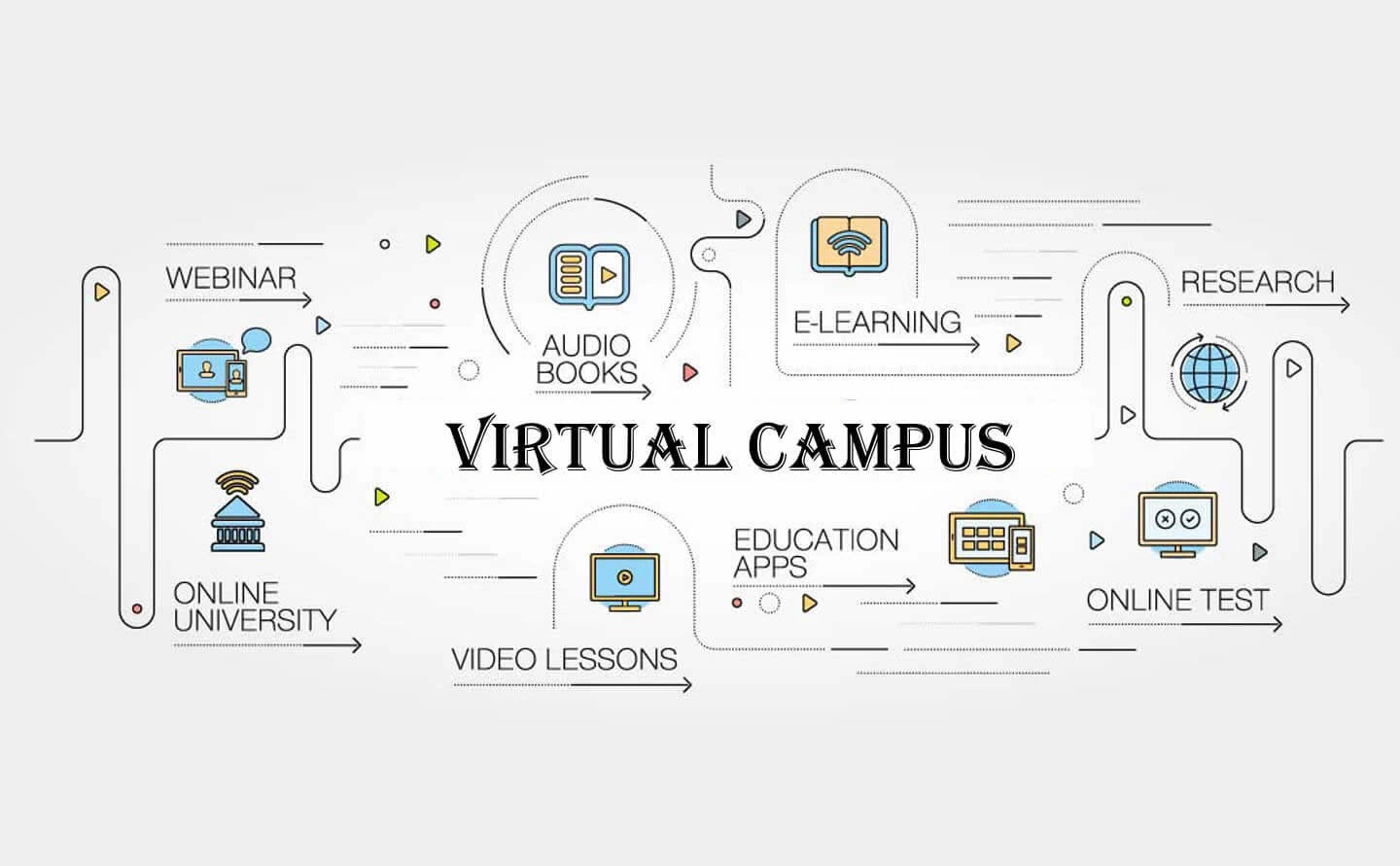
The masters in communication at AIU has created a vibrant community through advanced technologies and collaborative learning platforms to build a supportive educational experience. The community of AIU is facilitated meaningfully through many technologies, including The Virtual Campus, Mobile APP, MYAIU, AIULink, and AIUTV, where students, faculty and alumni can connect and create a network of communities for collaboration.Participating in interesting symposia, webinars, and conferences allows the community to connect worldwide.

Accessing the Merlin Media Center opens up a number of additional academic programs and resources while maintaining connectivity through AIULink. The AIU Virtual Campus, APP available on Android and iOS devices, gives seamless access to programs, tools, and academic resources. These portals have helped share stories, explore holistic life development and help humanity, creating an AIU experience unlike any other.

Contact Us Today!

Begin Your Journey!
AIU’s Summer of Innovation and Growth gives you the ability to earn up to $5000 in tuition credit by completing free lessons and courses.
Whether you’re looking to acquire new skills, advance your career, or simply explore new interests, AIU is your gateway to a world of opportunities. With free access to 3400 lessons and hundreds of courses the ability to earn credits and earn certificates there’s no better time to start learning.
Join us today as a Guest Student and take the first step towards a brighter, more empowered future.
Explore. Learn. Achieve.

Academic Resources

At AIU, The Virtual Campus is an innovative gateway with 25+ specialized tools, all of which support and empower students while they learn with an educational purpose. Our latest feature, the Virtual Reality 3D immersive learning experience here, increases community engagement, promotes growth, motivation, and inspiration among all of our students.

AIU also provides leading Artificial intelligence (AI) tools such as ChatGPT, Dall-E, and Midjourney, PDF Executive Assistance, Slide Generator, Slide Generator and other tools and we are adding new Ai tools so that students are fluent in this new trend and can reap the productivity benefits.

Through our vast online library of 260,000 books and 30 million peer-reviewed articles, and 105,000 resources co-curated by the AIU community, we create an unrivaled academic context that supports the growth, development, and success of our students.

Live Classes

AIU provides a very different way of virtual learning, by having exciting two live sessions each day. These live classes can also be accessed from the library of live classes where 100s of classes can be pulled together for a student to personalize their academic journey. The live classes are facilitated by experienced faculty and professionals in a variety of businesses, and each live class includes discussion as a group, periods of time allocated for inter-active question and answer sections or collaborative problem-solving, undoubtedly enriching your understanding of the community.

When participating in these sessions students build knowledge and expertise, but also begin to develop skills and practice the skills you will be examining in the course. AIU’s live classes create stimulating discussions; updated skills and resources; and opportunities for instructors, and business leaders to give you individualized feedback; thus, you are guaranteed to gain something while you journey through the study of communication.

Feel free to skim through some of our archived live classes on the subject of communication.

Special Projects, Research, Publication, Co-authoring

Special projects, research, and publication are notable experiences in a Master of Arts in Communication programs. It allows students to explore and contribute in meaningful ways in the field of communication. The students engaged in research projects, other critical inquiry, using their areas of passion and for their advanced studies in communication areas such as public relations, corporate communication, and strategic communication. 

Given how projects produce such salient scholarly work and provide a justification to engage in opportunities for publication and co-authoring with faculty and industry professionals; these learning and development opportunities that enhance the graduate level communications and media studies post-secondary experience and reach student profiles in an academic and industry competitive perspectives that create highly developed graduates from these graduate degree programs that are favoured from academia to industry. Several of these co-creation collaborative projects exemplify the required rigor of graduate degree applied scholarship in communication and bridge theory to practice.

Transform Ideas to Impact through Meaningful Conversations

Create Flexible Learning

AIU's Career Center for MA in Communication

The AIU Career Center has a high level of importance for graduate students pursuing their MA in Communication. Specifically, it has high importance for graduate students that are planning their future direction in a meaningful career in the communications area. The career center is effective in supporting students whether they are completing their Master of Arts in Communication with a public relations concentration, corporate communication concentration, or a strategic communication concentration. The services available through the Career Center provide very unique personal applications to graduate students when comparing their specific experiences in the industry and developing numerous contacts and connections in the industry. 

The Career Center provides graduate students with the direction needed to flow from advanced degree in communication to an applied profession. The behavior of conducting brand awareness workshops, attending career fairs, and working through networking experiences are made available to graduate students to help ensure the process is as seamless as possible. AIU’s Career Center continually works to assist graduate students in building resumes, interviewing, and connecting with job positions related to communication and media studies. As a result, each student in AIU’s graduate program for communications is completing the program as great candidates and ready to pursue their various communication-related roles around the globe!

Job Overview

The communications specialist is a critical role for both messaging to internal/external groups. Communication strategists develop specific content for adaptable mediums like social media, websites, press releases; determine messaging strategy, develop four communication platforms standards and policies. Communication specialists work collaboratively within a communication team across the organization or department to promote aligned messaging and goals and vision. Communication specialists can review their practices and procedures for communicating and measuring engagement to support their recommendations for campaigns or projects using their information to justify recommendations.  

Writing, editing, interpersonal, focused writing that is detail-oriented is critical for communication specialists; they also should understand various digital communication platforms. Communications specialists are a very important piece of brand reputation management, ownership of customer engagement, and the success of their organization and strategic communication.

Job Opportunities for Masters in Communication 

Master of Communication graduates will find more than enough job openings across wide ranging fields. Potential roles for a Masters in Communication will have opportunities for teachers, education or learning facilitator, public relations specialists, corporate communication manager, marketing communication manager, social media manager, media relations manager, content strategist, communication adviser/consultant, researcher/analyst, academic researcher and communication director for non-profits. The following is a very small selection of potential job positions for graduates with a Master of Communication. Regardless of interest and skills, graduates of a Masters in Communication should be able describe work in just about any industry including corporate, non-profit, government, education, and media.

Employment Opportunities for Masters in Communication

Graduates with a Master’s in Communication have a wide array of employment opportunities across various sectors. Some potential career paths include:
  • Public Relations Specialist: Crafting and managing public relations campaigns, creating press releases, and building relationships with media outlets.
  • Corporate Communication Manager: Developing internal and external communication strategies, crisis management communication, and maintaining brand reputation.
  • Marketing Communication Manager: Creating marketing materials, coordinating promotional events, and developing integrated marketing communication plans.
  • Social Media Manager: Managing social media accounts, creating content calendars, and analyzing social media metrics to optimize engagement.
  • Media Relations Manager: Building relationships with journalists, pitching stories to the media, and coordinating interviews.
  • Content Strategist: Developing content strategies, creating editorial calendars, and overseeing content production for various platforms.
  • Communication Consultant: Providing strategic communication advice to organizations, conducting communication audits, and offering training workshops.
  • Research Analyst: Conducting communication research, analyzing data, and providing insights to inform communication strategies.
  • Academic/Researcher: Teaching communication courses at universities, conducting research in communication studies, and publishing scholarly articles.
  • Nonprofit Communication Director: Developing communication strategies for nonprofit organizations, managing fundraising campaigns, public opinion, and raising awareness for social causes.

These are just a few examples of the diverse employment and career opportunities now available to graduates with a Master’s in Communication. Depending on their interests and expertise, individuals can find fulfilling careers in various industries, including corporate, nonprofit, government, academia, and media.

Resources for Professionals with a Masters in Communication

For professionals looking to increase, and maintain, their effectiveness and efficiency, there are numerous tools that are available to you following completion of a Master’s in Communication. The following is a brief review of the types of available resources that you can use to assist your work across types of communication:

Associations for Professionals with a Masters in Communication

Individuals with a Master’s in Communication may derive immense value from involvement in professional organizations which can create networking possibilities, professional development resources, and organization knowledge. 

Examples of professional organizations:

  • Public Relations Society of America (PRSA): PRSA is one of the oldest professions for public relations and communication professionals. PRSA has networking opportunities, and also education and advocacy opportunities.
  • International Association of Business Communicators (IABC): IABC is a global association for business communication professionals. IABC provides their members resources for communication, professional development, and member community.
  • American Marketing Association (AMA): The AMA is the association for marketing and communications professionals, which allows you to access marketing research, events, and educational access.
  • Association for Education in Journalism and Mass Communication (AEJMC): The AEJMC is an association for journalism and mass communication education and research, which allows for opportunities for both educator and scholar.
  • National Communication Association (NCA): NCA is a prominent organization for all communication researchers and practitioners. NCA offers many resources, conferences, and publications to develop and serve a community of communication professionals. 
  • Association for Women in Communications (AWC): AWC is dedicated to the advancement of women in communication fields. AWC supports its members through networking, mentorship, and professional development.

Communicate with Confidence with a Master’s in Communication

Learn More

Prerequisites for Masters Making use of the Degree in Communication

In order to study toward a Master of Arts in Communication, applicants usually must have a related bachelor’s degree, and in certain cases programs will waive this requirement and allow students to apply as candidate students. The graduate course or course of study will be an advanced study of communication principles and is expected to build upon the undergraduate study. Your Master of Communication will also come with areas of specialization such as communication and media studies, public relations, corporate communication and strategic communication. 

To apply to graduate programs of communications, students are typically required to supply transcripts from a degree granting institution, letters of recommendations, statement of purpose and sometimes GRE scores. In some cases, schools may ask for writing samples or writing portfolios of previous work in communication. 

Upon completion of the program, graduates will have earned the graduate distinction of a “degree” in communications that correlate with a specific set of skills and/or knowledge needed to pursue a variety of communications roles in equally diverse contexts.

How Can You Apply?

The process of applying for an online Masters in Communication is fairly straightforward. First, research and identify an accredited university that offers the program you would like to complete. Then, carefully review the admission information, essentially making sure you meet the admission requirements, which usually requires a bachelor’s degree from an accredited institution and transcripts of all academic study. Once you obtain all the information, complete the online application form and submit the application fee (most schools will accept payment via credit or debit card). The application form will require you to provide information about your academic and professional experience, as well as personal identifying information. 

Along with the application form, you will be required to attach documents such as letters of recommendation; a personal statement that should convey your true and honest interests in communication and its implications for your life; and a resume/CV. Some students will also be required to submit standardized testing such as GRE (General Requisite Exam). Finally, after hitting the submit button, and once requirements for the program have been fulfilled, students simply need to keep an eye on the degree program application portal for updates, and respond to any inquiries from the admissions office.

Financial Support & Scholarships

We are proud to offer scholarships for undergraduate students who enroll in our university. Fill out your personal information so we can help you find a variety of potential scholarship options to help you with your journey! Let us help you meet your academic and professional goals, as well as help you foster your academic dreams.

How much is a Masters in Communication?

We recognize how important flexibility can be regarding one’s financing of their education. For that reason we have built a monthly payment plan to help you make your master’s program successful and free of financial worry, depending on which program type you select. Our tuition rate is affordable and takes you “full ride” over the full cost of the Masters in Communication.  So reach for the future with AIU! You’ll find the very best in higher learning available on your budget. Your dreams are at the palm of your hands.

FAQs

What are the career prospects for graduates with a master's in communications?

Graduates with a Master’s in Communications have diverse career prospects across industries such as public relations, marketing, corporate communication, media, and nonprofit organizations. They can pursue roles as public relations specialists, corporate communication managers, social media managers, marketing communication directors, or media relations managers. Additionally, opportunities exist in fields like journalism, advertising, academia, and government agencies. With advanced communication skills, strategic thinking, and expertise in various communication channels, graduates are well-equipped to thrive in dynamic and evolving professional environments, driving organizational success through effective communication strategies.

Can I specialize in a specific area within communications during my master's studies?

Yes, specializing in a specific area within communications is common during master’s studies. Many programs offer diverse specializations such as public relations, corporate communication, strategic communication, media studies, or digital communication. Students can tailor their coursework, research projects, and internships to focus on their chosen specialization, gaining in-depth knowledge and skills in their area of interest. Specializing allows students to develop expertise in a particular niche, making them more competitive in the job market and better prepared for careers in their desired field within the broader realm of communication.

How does a master's in communications differ from an undergraduate degree in the same field?

A Master’s in Communications differs from an undergraduate degree by providing more advanced and specialized knowledge, as well as a focus on practical application and research within the field. While undergraduate programs typically offer foundational knowledge and a broad overview of communication theories and principles, master’s programs delve deeper into specific topics, such as strategic communication, media studies, or public relations. Additionally, master’s programs often incorporate opportunities for internships, research projects, and collaboration with industry professionals, preparing graduates for leadership roles and specialized careers within the communication field.

What types of courses can I expect to take in a master's in communications program?

In a Master’s in Communications program, you can expect to take a variety of courses covering advanced topics such as communication theory, strategic communication, media studies, public relations, and corporate communication. Other common courses include digital communication, crisis communication, intercultural communication, research methods, and ethical considerations in communication. Depending on the program and your chosen specialization, you may also have the opportunity to take electives or seminars focusing on specific areas of interest, allowing you to tailor your coursework to align with your career goals and interests within the field of communication.

Let us know your goals and aspirations so we can chart a path at AIU to achieve them!
//
Admissions Counselor
Juan Mejia
Available
//
Admissions Counselor
Sandra Garcia-Fierro
Available
//
Admissions Counselor
Rene Cordon
Available
//
Admissions Counselor
Veronica Amuz
Available
//
Admissions Counselor
Alba Ochoa
Available

"*" indicates required fields

This field is for validation purposes and should be left unchanged.
Name*

"*" indicates required fields

This field is for validation purposes and should be left unchanged.
Name*

"*" indicates required fields

This field is for validation purposes and should be left unchanged.
Name*

"*" indicates required fields

This field is for validation purposes and should be left unchanged.
Name*

"*" indicates required fields

This field is for validation purposes and should be left unchanged.
Name*

"*" indicates required fields

This field is for validation purposes and should be left unchanged.
Name*

"*" indicates required fields

This field is for validation purposes and should be left unchanged.
Name*

"*" indicates required fields

This field is for validation purposes and should be left unchanged.
Name*

"*" indicates required fields

This field is for validation purposes and should be left unchanged.
Name*

"*" indicates required fields

This field is for validation purposes and should be left unchanged.
Name*

"*" indicates required fields

This field is for validation purposes and should be left unchanged.
Name*

"*" indicates required fields

This field is for validation purposes and should be left unchanged.
Name*

"*" indicates required fields

This field is for validation purposes and should be left unchanged.
Name*

"*" indicates required fields

This field is for validation purposes and should be left unchanged.
Name*

"*" indicates required fields

This field is for validation purposes and should be left unchanged.
Name*

"*" indicates required fields

This field is for validation purposes and should be left unchanged.
Name*

"*" indicates required fields

This field is for validation purposes and should be left unchanged.
Name*

"*" indicates required fields

This field is for validation purposes and should be left unchanged.
Name*

"*" indicates required fields

This field is for validation purposes and should be left unchanged.
Name*

"*" indicates required fields

This field is for validation purposes and should be left unchanged.
Name*