By harnessing wind, water, and the stars – the ancient Persians built ice-making machines that can compete with the modern-day sustainability ideas. Here’s how these massive mud-brick domes kept the desert chilled—before electricity even existed.
A Glimpse into the Past: Ice in the Heart of the Desert
It seems almost mythical – frozen water, harvested and preserved in the searing heat of the desert. Yet for millennia – the people of ancient Persia mastered this feat through architectural marvels known as yakhchāls meaning – ice pits in Persian. These were not mere storage units – they were sophisticated, sustainable refrigerators operating centuries before the invention of electricity.
The earliest known yakhchāls date back as far as 400 BCE. They were extensively used during – the Achaemenid, Safavid, and Qajar eras. These 20 meters domes still lie in Iran’s arid landscape, silent witnesses to one of humanity’s earliest battles with climate extremes. According to secondary research, these structures were not only used to store ice but to manufacture it – often in environments where daytime temperatures could exceed 40°C (104°F).
The Ingenious Anatomy of a Yakhchāl
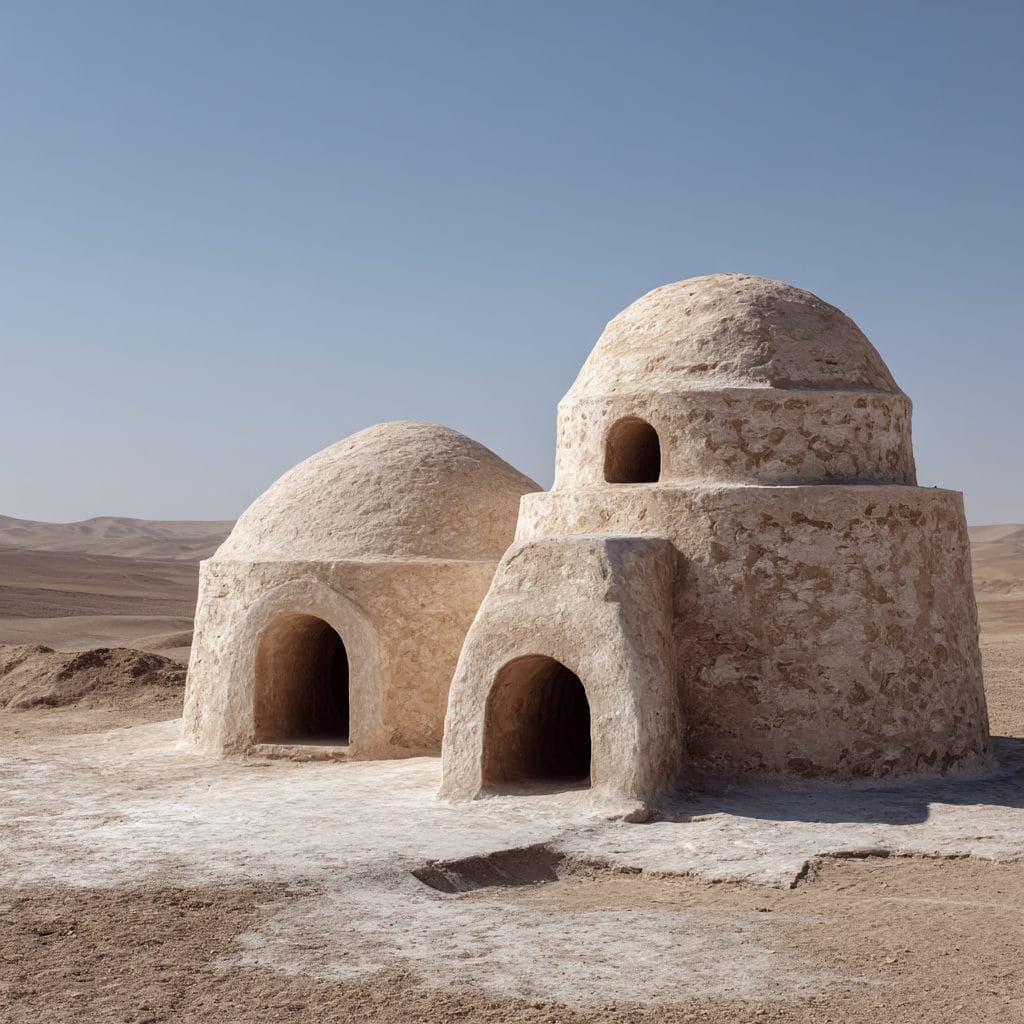
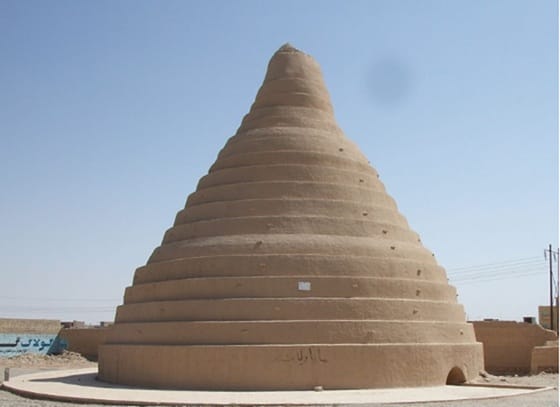
At a glance – a yakhchāl resembles a giant beehive made of mud. Although its shape is not aesthetic – it is rooted in physics and precise environmental engineering.
- The Conical Dome
The above-ground section is a thick, conical dome – often between 10 to 18 meters tall. Constructed with sarooj – a composite of sand, clay, lime, ash, goat hair, and egg whites. The structure was highly water-resistant and thermally insulative. With a 2 meters thick wall at the base, tapering towards the top. Here, the hot air could rise and escapes while the cooler air remained below maintaining the temperature within the dome. Also, the dome’s shape reduced solar exposure during the day while maximizing heat radiation at night. This was the reason why it had cooler interior even during the hottest months. Moreover, the construction material – sarooj enabled passive insulation – keeping the stored ice from melting for months.
- The Subterranean Vault
Beneath the dome lies a large, deep ice storage chamber – sometimes reaching 5,000 cubic meters in volume. Dug below the desert surface – these pits took advantage of naturally cooler subterranean temperatures.
- The Ice-Making Pools
Adjacent to the dome were shallow, stone-lined pools called mohabbat. During winter nights, water would be poured into these pools. Thanks to the low humidity, clear skies, and the principles of radiative cooling – the water would freeze overnight, despite ambient temperatures not always dropping below zero. According to secondary research, the surface water in the pools cooled down through radiation into the night sky – enabling ice to form even when air temperatures hovered above freezing. This process when repeated formed thick slabs of ice that were broken and stored in the pit.
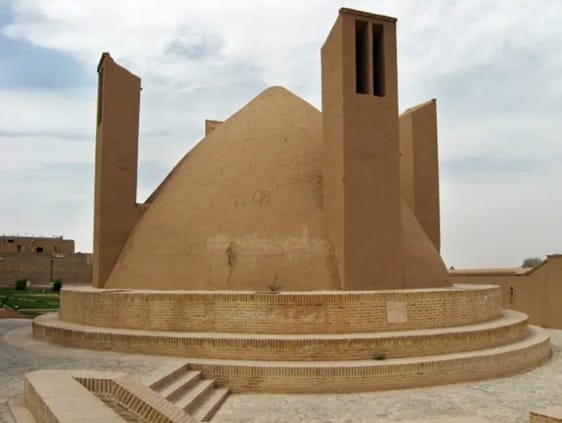
What made yakhchāls truly revolutionary was their ability to make and preserve ice using no fuel—only air, earth, and water. This was accomplished through an integrated design using qanāts and badgirs. Here it must be mentioned that qanāts were ancient Persian aqueducts that channeled groundwater through underground tunnels. Yakhchāls were often built near qanāts to supply clean and cool water for ice-making. On the other hand, some yakhchāls also incorporated badgirs – vertical wind towers that captured desert breezes and funneled them downward. It was a simple mechanism where hot air rose and escaped through the dome’s top – while cooler air was drawn in and circulated around the stored ice. This maintained a temperature of up to 15–20°C compared to the outside environment.
Sustainability Before Sustainability Had a Name
In an era of climate anxiety and rising energy costs, the yakhchāl has reemerged as a case study in sustainable architecture. It’s a working model of net-zero refrigeration, centuries ahead of its time. In fact, in 2017, Max Fordham LLP, a UK-based engineering consultancy, recreated the thermal performance of a yakhchāl using computational models. Their simulations confirmed what ancient builders already knew – passive cooling using radiative and evaporative methods could keep ice preserved year-round in the right conditions.
Yakhchāls weren’t only architectural marvels – they were an integral part of daily life. Ice was used to make sharbat – cool and refreshing drinks and faloodeh – frozen vermicelli dessert. In fact, ice was sold in bazaars and delivered to wealthy homes. Large yakhchāls in cities like Yazd and Kerman were signs of prosperity and royal patronage. They were also used as surviving structures.
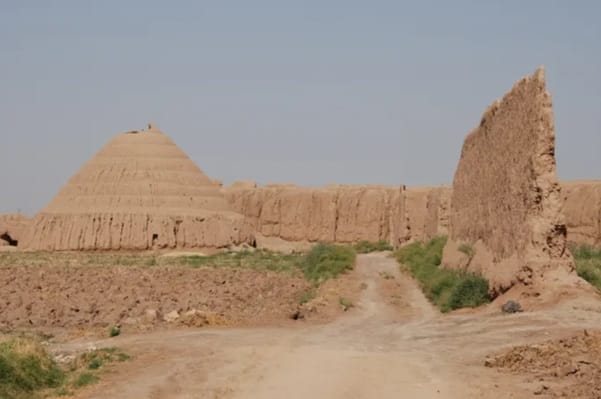
Yakhchāl-e Moayedi, Kerman – 20 meters tall is one of the best-preserved examples. Meybod Yakhchāl, Yazd Province – paired with caravanserais were used by long-distance travelers. Abarkuh Ice House, near the ancient 4,000-year-old cypress tree deserves special mention. Even today, in modern Persian – yakhchāl is the word for refrigerator. However, of the hundreds of yakhchāls that once existed, many now lie in ruins.
In the face of growing global energy demand and water scarcity – the yakhchāl teaches a powerful lesson – sustainability is not a new idea. The solutions to modern problems may well lie buried in ancient soil.
Whether as cultural artifacts or blueprints for tomorrow’s climate-smart cities – yakhchāls remain a timeless example of human ingenuity, born from necessity – perfected through observation, and executed with art.