Aging has long been seen as an inevitable phenomenon — wrinkled skin, slower thinking, aching joints, and fading vitality. Recently, biologists have been able to identify and decode the molecular switches that can control how fast a human age. The picture emerging from this research is revolutionary. Aging is not purely random wear and tear. It’s an orchestrated process, influenced by biochemical “switches” that can be turned up or down by our genes, diet, environment, and daily habits. In other words, how fast you age may depend on how you live.
Let’s explore the 10 major “aging switches” that science suggests can influence one’s biological clock.
Telomeres are protective caps at the ends of the chromosomes, like the plastic tips on shoelaces. Each time the cells divide, telomeres shorten slightly. When they become too short, the cell stops dividing thus, entering a state known as senescence. Now, short telomeres are a hallmark of aging and are linked to – heart disease, diabetes, and reduced lifespan.
Here it is important to understand what controls the switch. Chronic stress accelerates telomere shortening by releasing cortisol and oxidative molecules. Hence, healthy lifestyle factors such as – exercise, meditation, and nutrient-rich diets can preserve telomere length. In fact, according to secondary research, telomerase activation is an enzyme that rebuilds telomeres and it can be stimulated naturally through compounds like astragalus root and intermittent fasting.
-
Cellular Senescence: The Zombie Cell Problem
With the aging of cells, few of them stop dividing but also refuse to die – entering a state known as senescence. These “zombie” cells linger in the body, releasing inflammatory signals that damage the other cells and accelerate tissue degeneration — a process referred to as inflammaging. Senescent cells accumulate with age and play a central role in conditions like – arthritis, dementia, and cardiovascular disease.
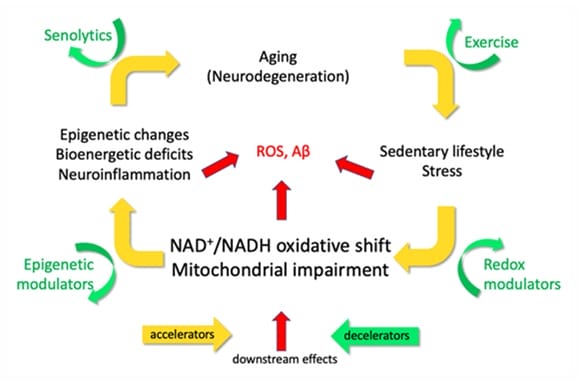
Research suggests that the body can clear these cells naturally, and certain lifestyle choices can help support that process. Regular physical activity, balanced nutrition, and avoiding chronic inflammation can reduce the buildup of senescent cells. Scientists are also developing senolytic therapies — a way to selectively destroy these dysfunctional cells.
-
Mitochondrial Function: Powering Longevity
The third switch is related to mitochondria – often called the “powerhouses” of the cell because they produce ATP – the molecule that fuels nearly every biological process. Over time, even the mitochondrial DNA goes through damage. This reduces the energy production, increasing harmful free radicals. This results in an energy crisis – contributing to fatigue, muscle loss, and the progression of neurodegenerative diseases.
Supporting mitochondrial health is, therefore, an important aspect to slow the process of aging. High-intensity exercise, brief cold exposure, and nutrient compounds such as – coenzyme Q10 or NAD+ precursors can enhance mitochondrial efficiency. In simple terms, keeping your cells’ power stations in top shape helps every tissue in your body resist the slow march of time.
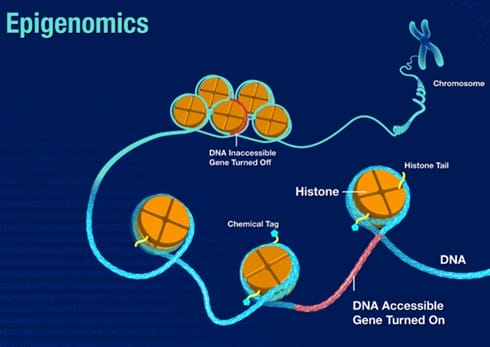
According to secondary research, while genes provide the blueprint for life, the epigenome decides which parts of that blueprint are read. Epigenetic changes are the chemical “tags” on the DNA that determines whether genes are turned on or off. As people age – these patterns drift, silencing protective genes and activating harmful ones. Scientists can now measure this drift using epigenetic clocks – which can predict biological age more accurately than the years.
Epigenetic aging can be influenced by the environment and lifestyle. Diets rich in folate, B vitamins, and choline support proper methylation – while regular exercise, restorative sleep, and stress reduction help maintain youthful gene expression. Certain plant compounds – resveratrol and spermidine, mimic the benefits of caloric restriction. It is one of the most powerful interventions known to slow epigenetic aging.
-
NAD+ Levels: The Fuel for Repair
The fifth factor is – NAD+ – a molecule found in every cell – essential for metabolism and DNA repair. But the truth is, NAD+ levels start to decline with age – leading to slower cellular repair and reduced energy production. However, there are ways to replenish it. Supplementation with precursors such as – nicotinamide riboside (NR) or nicotinamide mononucleotide (NMN) can help restore cellular NAD+. Intermittent fasting and regular exercise also naturally stimulate its production. Preserving NAD+ means supporting your body’s ability to repair itself from within — a key determinant of how gracefully one can age.
-
Autophagy: Cellular Housekeeping
The sixth most interesting thing is autophagy where the body cleans up its own damaged components. It’s the process by which cells recycle misfolded proteins and worn-out organelles – keeping everything running smoothly. But with age, autophagy slows down – leading to cellular clutter and disease.
Fasting is one of the most effective ways to activate autophagy. Even short periods without food trigger the body to clear out cellular debris and rejuvenate itself. Certain plant compounds like curcumin and green tea catechins also enhance this process. Hence, autophagy is the body’s version of maintenance.
-
Inflammatory Pathways: Cooling the Fire Within
Inflammation is the body’s defense mechanism which is useful when fighting infection but harmful when it continues. Chronic and low-grade inflammation can slowly corrode tissues and lead to several diseases – from heart disease to Alzheimer’s.
Hence, reducing chronic inflammation is essential and it requires a multipronged approach. Diets rich in omega-3 fatty acids, antioxidants, and phytonutrients can calm the inflammatory response along with regular movement and sufficient sleep. Managing stress is equally vital – as psychological strain triggers inflammatory chemicals that accelerate the process of aging at the molecular level. A calm mind is in fact an anti-aging tool in itself.
-
Proteostasis: The Balance of Proteins
Every cell relies on a delicate balance of protein production, folding, and recycling. When this equilibrium falters, damaged or misfolded proteins accumulate — a feature shared by many neurodegenerative diseases. Maintaining proteostasis is, therefore, essential to keeping cells young and functional.
Heat shock proteins, which are activated by stressors like exercise or sauna use – play a major role in maintaining this balance. Fasting and certain plant-based diets also support proper protein recycling. Avoiding highly processed foods and sugars helps too, since they cause glycation — the crosslinking of proteins that stiffens tissues and dulls vitality
-
Hormonal Balance: The Endocrine Clock
According to secondary research, health is dependent upon hormones to a great extent — metabolism, mood, sleep, reproduction, and repair. With age – levels of testosterone, estrogen, and growth hormone decline, while cortisol – the stress hormone, tends to rise. This shift leads to fatigue, fat accumulation, and a general loss of vitality.
To prevent it, resistance training, deep sleep, and stress management help sustain youthful hormone levels naturally. Again, consuming healthy fats and maintaining stable blood sugar also support hormone production. Restoring hormonal balance is to ensure that every system in the body communicates effectively so that the overall wellbeing can be improved.
-
The Microbiome: The Gut-Body Connection
Inside the gut lives a vast ecosystem of microbes that influence digestion, immunity, and even mood. As human beings age, the diversity of these microbes often declines – leading to inflammation, weakened immunity, and metabolic problems. Recent research suggests that people who live beyond 100 have different microbiomes from young people. Hence, if the gut health is maintained through fiber rich food, colorful fruits and vegetables, and fermented food then it can promote microbial diversity ensuring a healthy life.
The concept of “aging switches” transforms the aging process from a vague, inevitable decline into a series of targetable, biological mechanisms. Aging is not a singular event but a collection of failing systems – each with its own underlying causes. By focusing the efforts on the most critical switches – through targeted nutrition, smart exercise, restorative sleep, and strategic supplementation – great progress can be made.
Hence, by understanding the 10 aging switches, one can gain control to master the skill and partially reverse the process with exercise, meditation, and proper diet.