Distance Learning at AIU is enhanced by vast academic resources and innovative technologies build into the Virtual Campus: Hundreds of self-paced courses with video lectures and step by step lessons, thousands of optional assignments, 140,000 e-books, the Social Media & Networking platform allowing collaboration/chat/communications between students, and MYAIU develop students holistically in 11 areas beyond just academics.
The world is YOUR campus!”, that is the message of AIU’s month magazine Campus Mundi. Hear the voices and see the faces that make up AIU. Campus Mundi brings the world of AIU to you every months with inspirational stories, news and achievements by AIU members from around the world (students and staff are located in over 200 countries).
How does the repeated rediscovery of immune-based cancer treatments show both progress and limitations in science?
If IFx succeeds, what challenges could arise in long-term monitoring, side effects, or cancer resistance?
How can society ensure a true cancer cure is accessible and affordable worldwide?
Reflecting on the history and future of cancer treatment, write an essay that addresses the three questions provided. In your essay, discuss how the rediscovery of immune-based therapies illustrates both the progress and limits of scientific advancement, explore the potential challenges of modern immunotherapies like IFx, and consider how society can ensure equitable access to a possible cancer cure worldwide. Use examples from history, science, and ethics to support your arguments.
(Login to your student section to access the AIU Additional Resources Library.)
Cancer has plagued humanity since the beginning of history. Fossil records show that dinosaurs had tumors in their bones, and the first records from humans as early as the ancient Egyptians already characterized it as an incurable disease. Despite the billions invested in research and new treatments (surgery, radiation, and chemotherapy) – cancer remains a leading cause of death worldwide.
But now, there is a leap forward in the 21st century. Scientists are learning how to train the human immune system to recognize and kill cancer cells. At the forefront of this effort is TuHura Biosciences company that blends some ideas that were first immersed about 5,000 years ago. Their innovative therapy, IFx, not only fights cancer but perhaps reveals true immunity to cancer.
To understand the significance of this journey we need to go through history across the timeline of Asia to ancient Egypt, Italy in the dark ages of medieval times to modern 19th century New York to now in biotechnology laboratories.
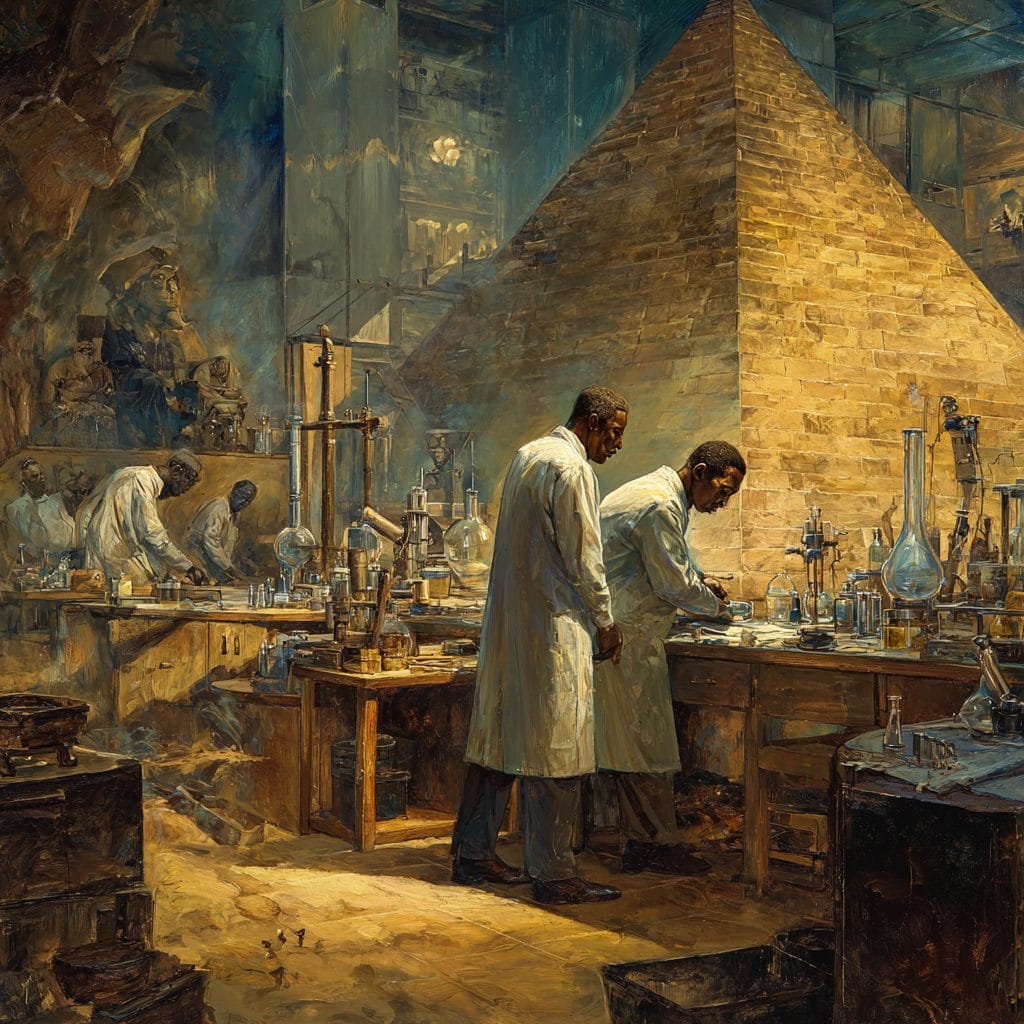
In the court of Pharaoh Djoser, ca. 2,600 BCE, lived Imhotep, the first historically named physician, architect, polymath, etc. The surviving medical papyri (including the Edwin Smith Papyrus) imply that Imhotep experimented with driving stimulating infections in patients with tumors.
The principle was simple and novel; stimulate an immune response to combat the disease. Infections caused disease-induced fever, inflammation, and immune activation, which sometimes coincided with tumor shrinkage. The idea may have been primitive, one can be certain, it was an idea that would remain sequenced through time.
Imhotep’s legacy is profound. He might not have had microscopes, germ theory and molecular biology; however, he intuited, eventually corroborated by modern immunologists, that the immune system is the body’s final frontier– not just for pathogens but for rogue cancer cells.
Roughly 3,500 years later, another unusual case confirmed the association between infection and tumor regression. Peregrine Laziosi, a Catholic priest in 14th century Italy, developed a nasty sarcoma in his leg that ulcerated through the skin. He faced amputation of his leg and prayed to God for wellness.
According to the Church records, Peregrine dreamed that Christ touched his leg, and when he awakened, the tumor had disappeared. He was released free of cancer and later canonized as the patron saint of cancer patients.
Modern historians have suggested a biological explanation for the turn of events: The tumor ulcerated and infected, which led to a strong host immune response that might have attacked the tumor. For believers it was a miracle; for scientists, an early clue of cancer immunotherapy.
For us to understand why Coley and others were able to get results we also have to look at the immune system’s relationship with cancer.
Cancer cells are “self” – Cancer is not like a bacterial or viral infection in that cancer started from previously normal cells. The immune system does not recognize that there is a problem.
Tumors mask themselves – Tumors are effective at masking themselves either by impairing the immune system or masquerading as normal tissue.
Infection allows for recognition – When aware, the immune system will defend against antigens through the recognition by T-cells and antibodies. In doing so, sometimes it will also without recognition engage that target cancer cell.
This is why throughout history infection-linked tumor regressions were documented – Imhotep to Peregrine to Coley. If we stimulate the immune system sufficiently, in addition to serious disease metabolism such as cancer, it will recognize and respond to cancer as serious.
Current immunotherapies have a pathway to open up the disguise of the cancer and stimulate the immune system to engage, but in a controllable process in a safe manner.
In the 1990s Dr. Mike Lawman, a scientist from Rhodesia, who at the time was working at the University of Florida was fascinated by Coley’s neglected work. Lawman was not interested in reintroducing crude bacterial toxins, he searched for a molecular key that would specifically wake up the immune system against cancer.
When he discovered Emm55, a protein from a rare strain of streptococcus pyogenes, he began to learn. Emm55 has a transmembrane sequence unlike most bacterial proteins, and allows it to attach to the surfaces of human cells.
Lawman had a brilliant notion:
1. To deliver the Emm55 gene in tumor cells.
2. To induce tumor cells to express Emm55 on their surfaces.
3. To underhandedly alert the immune system that it should act on the infected tumor.
The outcomes:
– In animal models the tumors began to regress in size within days.
– Distant tumors also disappeared due via the abscopal effect because the immune attack was evolving systemically.
– Animals developed long-term immunity and rejected new tumor growth.
This was far more than Coley had achieved in prior years. Lawman had taken historical insight and turned it into an exact, genetic, and reproducible therapy.
TuHura Biosciences and the Birth of IFx
Creating a therapy of this nature would require unbelievable resources. Luckily for Emm55, Lawman’s research caught the attention of a billionaire physician investor, and later Dr. James Bianco, a highly respected oncologist and CEO of biotechs. They created what is now TuHura Biosciences.
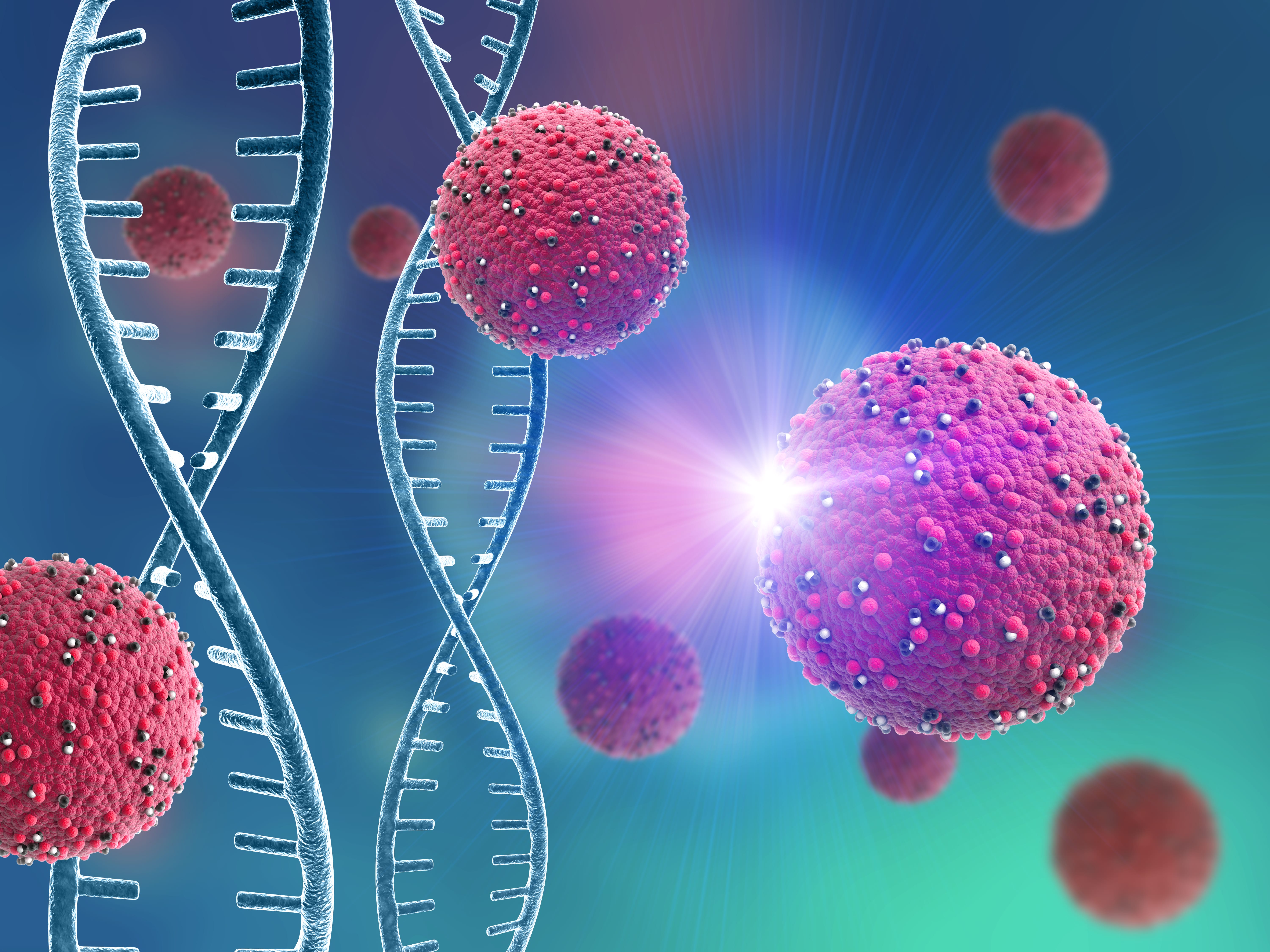
Their first therapy, based on Emm55, became IFx, a genetic immunotherapy that was designed to permanently mark tumors for attack by the immune system.
TuHura is now conducting one of the largest basket trials approved by the FDA, repeatedly testing IFx, in multiple cancers, at the same time. More importantly, hovering over Menlo Park’s tunnel network, they were now in partnership with Merck to combine IFx with Keytruda, one of the top selling immunotherapies on the market.
Why IFx may be successful where others have not
The cancer field is awash with a variety of overhyped “cures.” What sets IFx apart?
Precision over chance – While Imhotep or Coley, relied on uncontrolled infective agents, IFx delivered a specific immune signal, directly into tumors.
Proven platform – Gene therapy and immune checkpoint inhibitors including Keytruda have added greatly to the advancement of medicine. IFx builds on this already proven science.
The abscopal effect – IFx has the ability to trigger systemic immune responses which could be capable of treating both primary and metastatic cancers.
Long-lasting immunity – Similar to vaccines, IFx may also protect patients against recurrence, which remains one of the hardest issues of cancer.
Global partnerships – Supported by Karolinska Institute (the Nobel Prize body) and Merck, TuHura had many more resources than those tier three fringe groups in the oncology space.
Economic, Ethical and Global Implications
If IFx works, the consequences are staggering.
Medical – Cancer could change from a terminal illness to a disease that is both preventable and curable.
Economic – Current treatments for cancer reach into the billions of dollars every year. A real cure is likely to cause seismic changes to the whole pharmaceutical industry and economy.
Ethical – Equitable access will be an important question. If IFx is proven to be a universal therapy, equitable access will be a necessary goal for all nations, or are we setting up a model that is again biased toward wealthy nations?
Psychological – The fear, anxiety and concern that cancer is one of the most dreaded of all human diseases is likely to decrease rapidly, like life expectancy, in just one generation.
Conclusion: Thinking Into a New Age
From Imhotep’s ancient papyrus to Saint Peregrine’s healing miracle, from Coley’s bacterial toxins to Lawman’s Emm55 gene therapy, history has always said: The secret of curing cancer is the immune system.
TuHura Biosciences is now closer than it has ever been to that secret. Their IFx therapy is the product of 5,000 years of evolution, now armed with today’s modern science and by leading global institutions.
For the first time in history, it is becoming real to imagine a world where cancer isn’t merely treated, but rather cured, prevented, and wiped out through the body’s own immune defenses.
After thousands of years of searching, humanity might finally be in a place to proclaim:
“Yes, we just cured cancer.”
Join the Future with AIU
At Atlantic International University (AIU), we believe these are not isolated events, but rather the culmination of curiosity, courage, and continuous learning. Just as the first practitioners of medicine questioned the assumption of the past to invent the future of health, perhaps AIU is the focus of students around the world to challenge conventions in ways that create disruptive innovations across multiple disciplines to produce global impact.
If you’re ready to turn your passion into purpose and create one of the new discoveries that will change the world, be it science, leadership education or more, your journey starts here.
Join AIU today and become the architect of tomorrow’s discoveries.
References
2. Is there any hidden cure of cancer ?
Reminder to our Dear Students,
Please ensure you are logged in as a student on the AIU platform and logged into the AIU Online
Library before accessing course links. This step is crucial for uninterrupted access to your learning
resources.
Begin Your Journey!
AIU’s Summer of Innovation and Growth gives you the ability to earn up to $5000 in tuition credit by completing free lessons and courses.
Whether you’re looking to acquire new skills, advance your career, or simply explore new interests, AIU is your gateway to a world of opportunities. With free access to 3400 lessons and hundreds of courses the ability to earn credits and earn certificates there’s no better time to start learning.
Join us today as a Guest Student and take the first step towards a brighter, more empowered future.
Explore. Learn. Achieve.
"*" indicates required fields