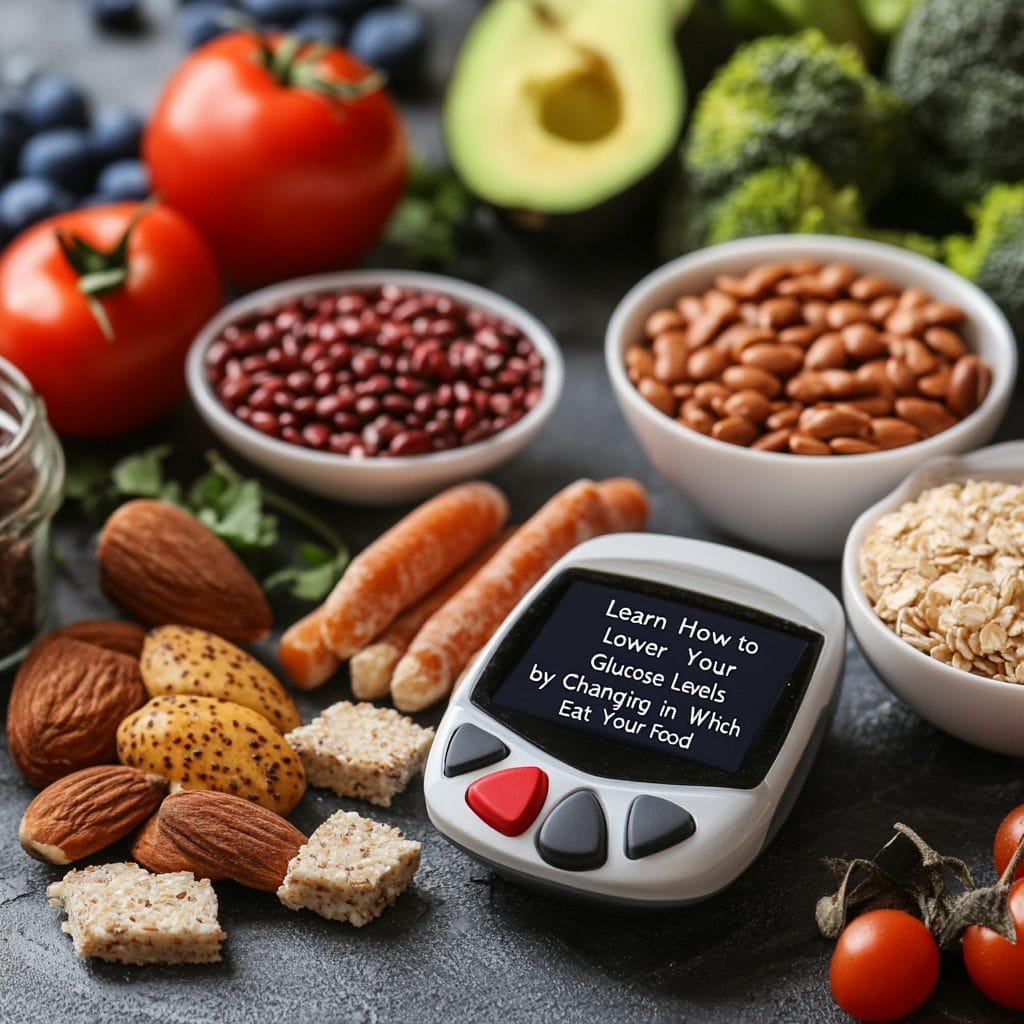
Learn how to lower your glucose levels by changing the order in which you eat your food
Being healthy is something we should always prioritize in our lives. One of the best ways to do this is by applying the knowledge we acquire over time on a daily basis, provided that this knowledge is positive, well-founded, and, most importantly, that we do so consciously.
Recent scientific research has shown that changing the order in which we eat can improve our metabolism, and this is one of the simplest methods currently in use. These are small adjustments to our habits that will reduce blood glucose levels and keep us active throughout the day.
Glucose, better known as blood sugar, is responsible for delivering energy to our cells from the food we eat throughout the day, mostly carbohydrates, which, once ingested, break down into glucose and pass directly into the bloodstream.
In turn, for this glucose to be converted into energy, the body releases a hormone called insulin. If this process is interrupted or doesn’t function properly, excess glucose begins to accumulate, leading to inflammation, insulin resistance, or the onset of diseases such as type 2 diabetes. Therefore, understanding how the order in which we eat affects us can become a key piece to staying healthy.
Scientific data
Studies have revealed that prioritizing vegetables, followed by proteins and fats, leaving carbohydrates for last, can reduce glucose spikes after each meal. Have you felt tired or had cravings after a short time without eating? This could be due to insulin spikes, which also lead to weight gain or sugar cravings, posing a major risk for developing chronic diseases such as type 2 diabetes.
A study published by the journal Diabetes Care confirmed how a group of adults with type 2 diabetes significantly reduced their postprandial glucose levels (after eating) just by consuming proteins and vegetables before carbohydrates. The result showed a reduction of up to 29%, demonstrating that this simple technique was more effective than many medications that promise similar results.
How can I start the change?
Let’s consider a common scenario at a fast-food burger place, where you’re usually served a burger, fries, and soda. Most people start by eating a fry or taking a sip of soda, but just changing the order of how you eat these foods could cause a big difference in glucose spikes. Try starting with the salad, then the meat or chicken, and finally the bread and fries. You’ll notice better energy and reduced crashes in the middle of the afternoon. It’s also ideal to reduce snacking anxiety because you’ll feel more satisfied.
The best part about applying these changes is that you don’t have to completely eliminate carbohydrates—just change the way you consume them, more consciously. It’s a habit that, over time, can certainly become an excellent tool for caring for your metabolism while still enjoying the foods you love.
An impact that transcends time
Learning to control blood sugar levels is important for everyone, not just for people with hyperinsulinism or diabetes. More and more studies link accelerated aging to glucose spikes, along with other common problems like cardiovascular diseases, cognitive decline, and mental health issues that can severely affect mood and overall well-being.
A perfect example can be seen in Levels, a company dedicated to metabolic health, founded by Josh Clemente, who, upon discovering he had metabolic problems, decided to dive into this world. Clemente created a system called CGM, which works similarly to glucose-monitoring patches but connects in real-time to a mobile device. This allows users to get real-time feedback on their blood sugar levels and how they’re affected by food, stress, or sleep.
On this journey, after trying the food order system, the data revealed by users who applied it showed up to 40% less glycemic variability, which also helped improve their daily energy levels.
For example, the metabolic health company Levels has tracked thousands of users using continuous glucose monitors. The data shows that people who follow the food order strategy have up to 40% lower glycemic variability and better energy levels throughout the day. “It’s not just about what you eat, but when and in what order. This change can be more transformative than many diets,” stated Josh Clemente.
Public figures are also contributing to the change
Jessie Inchauspé, one of the most well-known voices in biochemistry and author of the best-selling Glucose Revolution, has successfully incorporated this knowledge into her daily life, sharing examples with her thousands of social media followers and applying very simple strategies such as:
– “The vinegar rule,” which involves taking one tablespoon before eating to help reduce glucose spikes.
- “Eating vegetables first”
- “Moving for 10 minutes after eating”
According to her book, all people who follow these techniques can reduce emotional hunger or anxiety by up to 75%, avoid chronic fatigue, and, what many love most, lose weight more easily.
Even other celebrities are joining this trend, such as Halle Berry, who has openly spoken about how prioritizing fiber, proteins, and fats before carbohydrates has helped her manage her diabetes, stating that it also helps her maintain better energy and physical performance.
An institutional case
At Osaka University in Japan, a clinical trial was conducted on patients suffering from metabolic syndrome, applying the same food order techniques. It was observed that those who ate miso soup and vegetables first, followed by proteins and finally carbohydrates with rice, showed very significant improvements in insulin resistance in just 12 weeks. This confirmed that it’s not only the quality of the food that matters, but also the order in which it is consumed.
A similar case occurred at a private clinic called Virta Health, which focuses on treating diabetes through nutritional intervention as a complementary approach. They also began implementing the food order technique when serving meals to their patients, reporting a remission of type 2 diabetes in more than 60% of their patients in less than one year.
What makes this approach work?
Fundamentally, it all has a physiological basis. For example, fiber is ideal because it forms a layer or mesh in the stomach that slows the absorption of carbohydrates. Meanwhile, consuming protein second and fats afterward helps promote proper gastric emptying, making the process slower and, as a result, causing blood sugar release to occur more gradually.
This entire process benefits the body by giving it a broader time window for insulin release in a more controlled and efficient manner, thereby reducing spikes and improving energy quality.
Small habit changes lead to big results!
Starting a plan like this today isn’t as crazy as it may seem—you can begin little by little, and it will undoubtedly change how you feel each day. Can you imagine having more energy or not feeling the urge to snack in the afternoons? Use this strategy to help you without needing to follow strict diets, while still allowing yourself occasional treats.
Remember, this method isn’t just for those already diagnosed with a chronic illness. We can all benefit and maintain optimal blood sugar levels. Keep in mind that metabolic diseases are on the rise—acting responsibly and adopting healthy habits is an act of self-care and courage.
If you’re interested in staying healthy and applying science to everyday life, consider studying a related field such as nutrition, integrative medicine, holistic health, or human biology. Discover all the programs we offer at Atlantic International University and become an agent of change in your community.
Reminder to our Dear Students,
Please ensure you are logged in as a student on the AIU platform and logged into the AIU Online
Library before accessing course links. This step is crucial for uninterrupted access to your learning
resources.