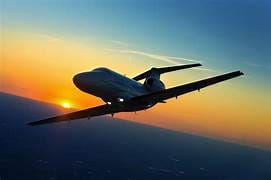
Airplanes are one of humanity’s greatest achievements—giant metal birds capable of soaring through the sky, crossing continents, and connecting the world in ways once believed impossible. Behind every smooth flight lies a delicate balance of physics, engineering, and problem-solving, all working together to confront the constant challenge of nature’s forces. Wings, Wind, and Wonder invites us to explore how airplanes navigate, resist, and adapt to the invisible powers that rule the skies.
The Magic of Lift: How Wings Beat Gravity
Before an airplane can battle windstorms or turbulence, it must first win the fight against gravity. The unique curved shape of wings—known as an airfoil—creates a pressure difference that generates lift. Air moves faster over the top of the wing and slower underneath, creating an upward force strong enough to counter the pull of the Earth.
This phenomenon allows everything from small gliders to massive commercial jets to rise into the sky. Engineers spend years refining wing shapes to maximize lift, reduce drag, and ensure stability, even when conditions are far from perfect.
Turbulence: The Sky’s Invisible Roller Coaster
Turbulence is one of the most common forces pilots face—shifting pockets of air that can jolt or shake an aircraft. Though it feels dramatic to passengers, planes are designed to withstand much stronger forces than turbulence can generate.
Pilots use weather radar, satellite data, and real-time reports from other aircraft to predict and navigate through rough air. Meanwhile, flexible wings are engineered to bend, not break, distributing stress safely across the aircraft. These hidden design strengths ensure that even in chaotic airflows, the plane remains steady and secure.
Fighting Crosswinds: Mastering Wind on the Runway
Landing and takeoff often present the most intense battles between airplanes and nature. Crosswinds—winds blowing perpendicular to the runway—can push a plane sideways, demanding skillful corrections from pilots. To stay aligned, pilots use a technique known as “crabbing,” angling the plane slightly into the wind while maintaining forward motion. Just moments before touchdown, they straighten the aircraft for a smooth and safe landing.
This precise dance between wind and machine showcases the harmony of training, technology, and aerodynamics.
Storms, Lightning, and Extreme Weather
Aircraft systems are built to endure harsh weather conditions. Modern airplanes can safely fly near storms thanks to advanced radar systems that map thunderstorm cells and turbulence zones. Lightning strikes, though dramatic, rarely pose a threat. Airplanes are designed to act like Faraday cages, allowing electricity to pass around the exterior without affecting the cabin or sensitive instruments.
Pilots are trained to reroute flights when necessary, relying on global meteorological data and communication systems to ensure the safest possible journey.
Jet Streams: Riding the Rivers of Wind
At high altitudes, aircraft often encounter fast-moving rivers of air called jet streams. These powerful currents can either speed up or slow down a flight, depending on direction. Pilots and flight planners use these streams to their advantage—saving fuel, reducing flight time, and cutting emissions. Harnessing the wind is an essential part of modern aviation strategy, transforming natural forces into allies rather than adversaries.
Engineering Designed for the Skies
Behind every flight stands a world of innovative engineering. Aircraft materials are selected for strength and flexibility, able to endure temperature extremes from scorching heat on the runway to freezing temperatures at cruising altitude. Engines throttle with incredible precision to maintain stability, while control surfaces—flaps, ailerons, rudders—allow pilots to shape the airflow and maintain balance mid-flight.
Every part of the airplane exists to negotiate with the sky and transform raw forces into smooth, controlled motion.
The Human Element: Pilots as Sky Navigators
Technology is essential, but pilots remain the heart of aviation’s success. Their training includes meteorology, emergency response, navigation, and constant decision-making under pressure. Whether they are adjusting for wind shears, avoiding turbulent layers, or choosing the safest route around a storm, pilots blend science and intuition to guide passengers safely through ever-changing conditions.
A Dance with Nature
Flying is far more than engines and mechanics—it is a partnership with the natural world. Airplanes do not defeat nature; they work with it, learning its rhythms, predicting its moods, and adapting to its challenges. Each flight represents a quiet victory of human curiosity and engineering brilliance over the invisible but powerful forces that shape our skies.
As we continue to innovate in aviation—with lighter materials, smarter navigation tools, and greener technology—the relationship between humans, machines, and the atmosphere becomes even more refined. Wings, Wind, and Wonder reminds us that flight will always be a marvel, a blend of science and imagination that allows us to rise above the Earth and embrace the extraordinary.
For more information, watch the full video:
https://youtu.be/n_yDQNXz3d8
by Daniela Febres