Introduction
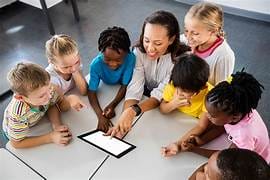
Education is one of the most powerful tools we can provide to children. It lays the groundwork for their intellectual, emotional, social, and moral development. More than just learning to read, write, and solve equations, education in childhood cultivates curiosity, creativity, resilience, and the ability to navigate a complex world. For families, communities, and nations, the quality of education that children receive shapes the future.
Cognitive and Intellectual Development
One of the most direct impacts of education on children is the development of cognitive skills. In the classroom, children are exposed to structured learning environments where they acquire knowledge, develop critical thinking, improve memory, and gain the ability to analyze and interpret information. Subjects like math and science stimulate logic and problem-solving, while reading and the humanities enhance comprehension and emotional intelligence. These foundational skills form the core of lifelong learning.
Building Social and Emotional Skills
Education is not just about academics—it also teaches children how to interact with others. In school settings, children learn to cooperate, share, communicate effectively, and resolve conflicts. They experience diversity and learn empathy by interacting with peers from different backgrounds. Emotional education fosters self-awareness, confidence, and the ability to regulate one’s emotions. These skills are vital not only for personal success but also for building strong communities.
Encouraging Curiosity and Creativity
Young minds are naturally curious, and education helps nurture that curiosity into meaningful exploration. Through hands-on activities, storytelling, and experimentation, children learn to ask questions and seek answers. Creative subjects like music, art, and drama provide outlets for self-expression and innovation. This creative engagement enhances brain development and helps children find joy in learning.
Health, Safety, and Well-Being
Educated children are more likely to understand and adopt healthy behaviors. Through education, they learn about nutrition, hygiene, safety, and emotional health. Schools often provide meals, counseling, and access to healthcare services that support their overall well-being. Educated children are also more likely to avoid risky behaviors and seek help when needed, reducing vulnerability to abuse, neglect, and exploitation.
Reducing Poverty and Promoting Equality
Education is a powerful equalizer. For children from disadvantaged backgrounds, it provides the opportunity to break the cycle of poverty. An educated child is more likely to pursue higher education or vocational training, secure stable employment, and contribute to the economy. Education helps close the gap between rich and poor, promoting fairness and inclusion in society. Furthermore, educated girls are more likely to delay marriage, have healthier children, and contribute to their communities—strengthening families for generations.
Citizenship and Global Awareness
Schools instill values like respect, responsibility, and civic duty. Education helps children understand their rights and responsibilities, encouraging them to become active, informed citizens. They learn about history, government, and the environment, equipping them to participate in democratic processes and contribute to global challenges such as climate change and social justice. Education empowers young people to shape a better future for all.
Long-Term Economic Impact
Investing in children’s education benefits not only the individual but also entire societies. Countries with higher literacy and education rates tend to have stronger economies, lower crime rates, and better public health. A well-educated population fuels innovation, productivity, and sustainable development. In fact, every additional year of schooling can significantly increase a child’s future income, making education one of the best investments a nation can make.
Parental and Community Involvement
While schools play a major role, the importance of support from families and communities cannot be overstated. When parents are involved in their children’s learning—by reading at home, attending school events, and encouraging curiosity—students perform better academically and socially. Communities that value education foster safer, more vibrant environments where children are motivated to learn and thrive.
Conclusion
The importance of education in children cannot be emphasized enough. It is the foundation upon which all other progress is built—personally, socially, and economically. By investing in the education of children today, we are investing in the peace, prosperity, and progress of tomorrow. Every child deserves the right to learn, to dream, and to reach their full potential. And it all begins with education.
By: Daniela Febres