Respect is a foundational value that shapes how children interact with others, make decisions, and build relationships throughout their lives. Teaching respect from an early age is not about enforcing obedience—it’s about helping children understand the value of kindness, empathy, and consideration for others. By nurturing respect, we equip young people with the tools to navigate the world in a positive, thoughtful, and cooperative way.
Why Start Early?
The early years are when children’s social and emotional skills develop most rapidly. Habits and values learned during this stage often stay with them into adulthood. By introducing the concept of respect early, we help children understand how their words and actions affect others, laying the groundwork for healthier friendships, stronger family bonds, and a deeper sense of community.
Modeling Respect in Everyday Life
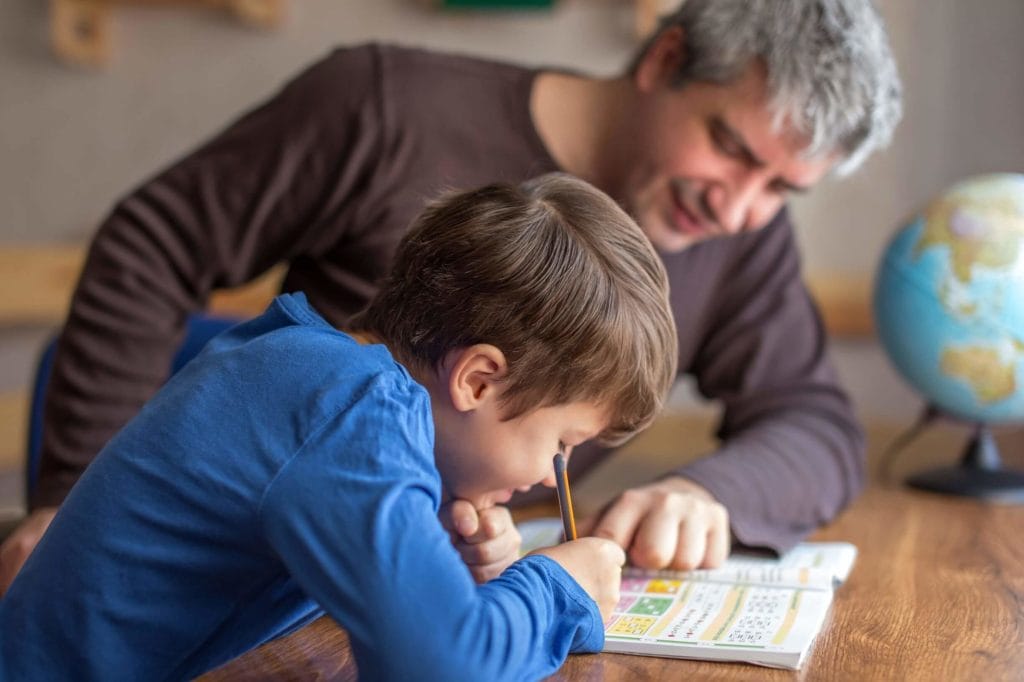
Children learn best by example. When parents, caregivers, and teachers consistently model respectful behavior—listening attentively, using polite language, and valuing others’ opinions—children naturally mirror these actions. Everyday situations, such as resolving conflicts calmly or showing gratitude, become powerful lessons in respect.
Encouraging Empathy and Understanding
Teaching respect is closely tied to teaching empathy. Helping children see situations from another person’s perspective encourages compassion and reduces conflicts. Simple activities like reading stories with diverse characters or discussing how someone might feel in different scenarios can spark empathy and promote understanding.
Setting Clear Expectations and Boundaries
Respect also means understanding boundaries—both one’s own and those of others. Explaining why certain behaviors are unacceptable and reinforcing positive actions helps children recognize the link between respect, trust, and safety. Positive reinforcement, such as praise or rewards, can motivate children to practice respectful habits consistently.
The Role of Communication
Open communication builds mutual respect. Encouraging children to express their feelings and thoughts while listening to others teaches them that everyone’s voice matters. This approach fosters self-confidence while reinforcing the importance of listening and understanding different points of view.
Conclusion
Nurturing respect in children from an early age creates a ripple effect that extends into their relationships, communities, and society as a whole. By modeling respectful behavior, encouraging empathy, setting clear boundaries, and maintaining open communication, we can raise children who value kindness, fairness, and cooperation—qualities that will serve them for a lifetime.
by Daniela Febres