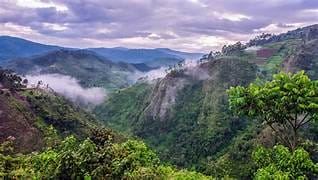
Africa is home to some of the most diverse and vital forest ecosystems on the planet. From the Congo Basin—the world’s second-largest tropical rainforest—to the dry forests of Madagascar and the mangroves of West Africa, these ecosystems are more than just landscapes. They are lifelines for people, wildlife, and the global climate.
Yet, Africa’s forests are under growing threat from deforestation, illegal logging, mining, agriculture, and climate change. Forest conservation is not just an environmental issue; it is deeply connected to food security, water supply, indigenous rights, economic development, and planetary health.
Why Africa’s Forests Matter
African forests cover approximately 674 million hectares, accounting for 17% of the world’s forest area. These forests:
-
Provide habitat for endangered species like gorillas, elephants, and lemurs
-
Store massive amounts of carbon, helping fight climate change
-
Offer resources such as food, medicine, and wood to millions of people
-
Regulate water cycles and prevent desertification
-
Hold deep cultural and spiritual significance for many communities
Losing these forests would have devastating effects not just locally—but globally.
Major Threats to African Forests
-
Agricultural Expansion: Slash-and-burn farming and commercial plantations are leading causes of forest loss.
-
Illegal Logging: Weak enforcement and high demand for timber drive unsustainable practices.
-
Mining and Infrastructure Projects: Roads and mining operations often cut through pristine forest areas.
-
Climate Change: Increased droughts, fires, and shifting weather patterns stress forest ecosystems.
Key Strategies for Conservation
-
Community Involvement: Empowering local communities with education, resources, and land rights leads to better forest protection.
-
Protected Areas: Expanding national parks and reserves helps safeguard biodiversity.
-
Sustainable Agriculture: Promoting agroforestry and eco-friendly farming reduces pressure on forests.
-
Reforestation: Planting native trees helps restore degraded areas.
-
Policy and Enforcement: Strong laws and regional cooperation are crucial to fight illegal activities and protect resources.
Hope Through Innovation and Action
Across the continent, success stories are growing. In Rwanda, forest cover has increased thanks to strong political commitment and community reforestation programs. In Kenya, the Green Belt Movement led by the late Wangari Maathai empowered women to plant millions of trees. In Madagascar, grassroots conservation efforts are helping preserve endangered forests and species.
Technology also plays a role—drones, satellite imagery, and AI help monitor deforestation and enforce protections more effectively.
Conclusion
Forest conservation in Africa is urgent—but achievable. It requires collaboration between governments, communities, scientists, and global partners. By protecting forests, Africa protects its future and contributes to the health of the entire planet.
🎥 Watch this inspiring video for more insights:
👉 https://youtu.be/IrF_wxQDPPA