
Gen Z and Education: What Younger Learners Expect from Online Degrees
October 1, 2025 2025-10-01 8:54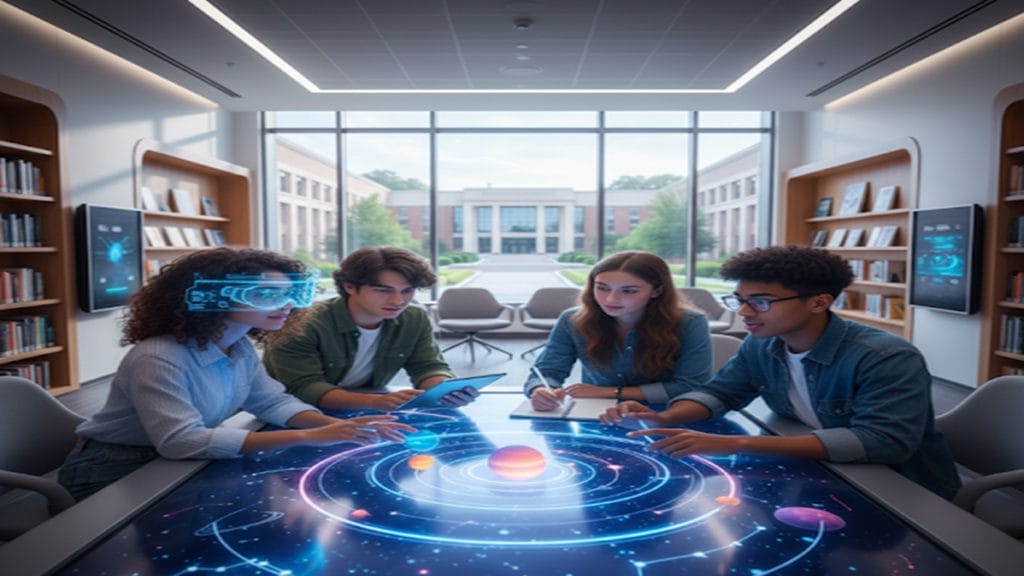
Gen Zs are individuals born between mid-1990s and the early 2010s. They grew up during the digitalization of the world so, with regular usage of internet, smartphones, and social media as an integral part of their daily lives. Hence, they are the real digital natives. Such an intrinsic connection with technology shaped their expectations, particularly when it comes to education. Hence, online education started to gain attention. The objective of the online institutions is to offer structured and quality education breaking the demographic barrier.
The Digital DNA of Gen Z Learning
For Gen Z, the idea of “online” is not new or alternative concept – it is simply another mode of existence. This generation can navigate digital spaces with an intuitive ease that the previous generations lacked. Such exposure resulted into specific demands for their educational experiences too. Hence, apart from online courses, Gen Z requires a seamless digital integration with intuitive learning management systems (LMS), mobile-optimized content, and convenience in accessing resources from any device and anywhere. It is this user experience in app interfaces that they require in their educational journey.
Now, growing up in an era of curated content streams and personalized recommendations – Gen Z expects their learning journey to be customized as per their specific goals. In fact, they are not interested in a one-size-fits-all approach and believes in flexibility in – course selection, pace, and even assessment methods. Micro-credentials, customizable degree paths, and adaptive learning technologies that adjust to individual progress and preferences are the learning models that suit Gen Zs.
While traditional lectures have their place, Gen Z thrives on interaction and hands-on experiences. Passive consumption of information leads to disengagement among students because it lacks passion and the zeal to look at a bigger picture – beyond the degree. Online degrees for Gen Z need to incorporate interactive elements like simulations, virtual labs, group projects, and gamified learning experiences. They want to do rather than just listen. Think beyond discussion forums to truly collaborative virtual workspaces.
Beyond the Screen: Community and Connection
More than the digital factor, Gen Z values human connection and community. Hence, the stereotypical concept of isolated online learning doesn’t entirely apply to this generation. They need authentic interactions, even in virtual spaces while learning.
So, the online degree programs must actively foster a sense of community among students. This can be achieved through the following – dedicated virtual common spaces, student-led study groups, collaborative projects, and regular and informal check-ins with instructors. Moreover, social media groups can also play a significant role in connecting students outside the formal LMS.
The goal is to replicate the camaraderie and peer support often found in traditional campus environments. This will also serve the purpose of mentorship and support. Instructors can become guides in the academic and professional journey with regular feedback and prompt responses to inquiries. Such environment is supportive and result-oriented that can offer opportunities for one-on-one virtual meetings – a value addition to the journey. In this regard, institutions should also consider dedicated online student support services, including academic advising, career counseling, and mental health resources, all easily accessible virtually.
The “Why” Behind the “What”: Value and Employability
Gen Z is pragmatic. Hence, for them a degree is more than a piece of paper – it showcases skills that are directly applicable to the job market. So, it is important that the online programs must list down the skills students will gain from a particular course and the related career opportunities. Hence, the ideal situation is – integrating real-world projects, industry partnerships, and opportunities for internships. Further, they want an education that prepares them for a dynamic career with – emerging technologies, critical thinking, problem-solving, and adaptability. They are in fact, seeking an education that future-proofs their careers.
Many Gen Z individuals have multiple responsibilities – part-time jobs, internships, entrepreneurial ventures, or caregiving roles. Virtual learning gives them the flexibility they need to pursue their education along with other responsibilities. Asynchronous learning, self-paced modules, and adaptable deadlines are highly valued – allowing them to fit education into their tight schedules.
Looking Ahead: The Evolution of Online Learning for Gen Z
For a Gen Z – the future of online learning is about stepping into a dynamic and interactive experience that feel natural and real. Imagine – slipping on a headset and suddenly walking through ancient Rome or teaming up with classmates across the globe to dissect a virtual frog in real time. Augmented and virtual reality have the potential to transform passive screen time into immersive exploration – making education more experiential than ever before.
At the same time, artificial intelligence can take personalization to the next level. Hence, instead of a one-size-fits-all model – AI can act like a personal tutor – identifying strengths, uncovering gaps, and recommending apt resources to complete a project. This enables instructors to focus on the following – higher-level mentoring, building meaningful connections, and guiding students beyond the basics.
Hybrid models will also become increasingly important where flexibility and community support blends to create a successful approach. By combining online course with in-person workshops, networking events, or short residencies – students can enjoy the best of both worlds. Hence, it can be concluded that Gen Zs are shaping a future that is personalized, interactive, and community-driven – an approach that mirrors their fast-paced and connected world. It is an evolution indeed where students are prepared for a future as bold and innovative as they are.
FAQ:
Q. What does Gen Z expect from online degree programs?
Gen Z expects online degree programs to be more than just convenient. It is more about flexible, interactive, and career-focused approach that adds value to their learning curve. Hence, personalized learning experiences powered by AI, opportunities for collaboration with peers, and access to real-world projects that build employable skills – are the required factors. Engagement matters as much as accessibility – so programs must offer immersive tools like AR/VR, gamified lessons, and strong community support. The most important aspect to remember is that Gen Z seeks education that feels relevant, adaptable, and that is designed to prepare them for rapidly changing industries.
Q. Why is online learning popular among Gen Z students?
Online learning resonates with Gen Z because it aligns perfectly with their digitalized ecosystem that gives them flexibility. For them, the virtual world is comforting which enhances the scope for seamless learning. Online programs allow them to balance studies with work, side projects, or personal passions. Affordability, access to diverse global perspectives, and self-paced options further adds to the appeal. Most importantly – online education gives Gen Z control over when, how, and what they learn – something traditional models fail to offer.
Q. How is technology shaping Gen Z’s online education experience?
Technology is revolutionizing how Gen Z learns at present. The virtual learning option is indeed making education more interactive, adaptive, and engaging. Further, AI-driven tools such as curriculum builder tool can personalize the course as per the student’s requirement. Again, AR and VR can turn boring lessons into something immersive and exciting.
Collaboration platforms also give scope to create vibrant online communities where students can network with fellow students and mentors to nurture their passion in real time. Here, apps and cloud-based resources also play an important role in providing the required access on time. Together they can reshape education into a dynamic ecosystem that feels intuitive, personalized, and aligned with the right expectations.
Author Bio

Kathakali Basu is a dynamic Content Strategist and Brand Communication expert at Atlantic International University, with a knack for transforming ideas into compelling narratives. With a Masters in Sociology and certification in Content Marketing, Kathakali expertly crafts strategies that elevate brands and captivate audiences. Her extensive experience in content writing and strategy has helped numerous businesses articulate their vision and connect meaningfully with their target market. Passionate about blending creativity with data-driven insights, Kathakali thrives on creating impactful content for the last 16+ years that not only resonates but drives results.
An animal lover and believer in inclusivity, she actively participates in animal rescues and rehoming. When she’s not strategizing, you’ll find her exploring the latest trends in digital marketing or indulging in reading and her love for storytelling.