MARCH 26 2025.
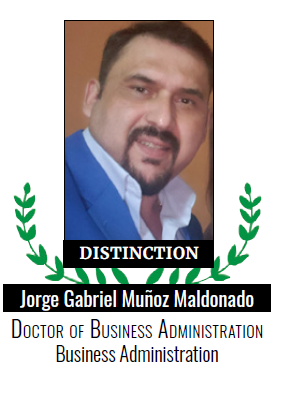 APRIL 2025.
This graduate student
completed his program
with a high cumulative
grade point average,
which reflects the quality
of performance
within his major.
Congratulations!
APRIL 2025.
This graduate student
completed his program
with a high cumulative
grade point average,
which reflects the quality
of performance
within his major.
Congratulations! September 19–21, 2025
Buenos Aires, Argentina
Our student Dr. Julio Salazar,
from Peru, is presenting the
11th International Biomedical
Congress on Autism and Neurodevelopmental
Challenges. This is a
major event
in the field of
biomedicine,
bringing together
experts,
organizations,
and professionals
to address
highly relevant
topics such as
neurodevelopment,
microbiota, biomedical
treatments, nutrigenomics, genetics,
and more.
September 19–21, 2025
Buenos Aires, Argentina
Our student Dr. Julio Salazar,
from Peru, is presenting the
11th International Biomedical
Congress on Autism and Neurodevelopmental
Challenges. This is a
major event
in the field of
biomedicine,
bringing together
experts,
organizations,
and professionals
to address
highly relevant
topics such as
neurodevelopment,
microbiota, biomedical
treatments, nutrigenomics, genetics,
and more.
| Litvak, Nahuel Bachelor of Science Psychology Argentina |
Erika Paola Chacón Ordoñez Bachelor of Education Education |
Yolanda Abigail Hemraj Bachelor of Business Administration Business Administration Cayman Islands |
Mansanga Ntimansiemi Victorine Doctor of Literature Literature Congo |
Juan Carlos Acosta Baldomero Doctor of Science Legal Studies Costa Rica |
Fey Dry Núñez Pichardo Bachelor of Science Legal Studies Dominican Republi |
| Arlyne Oney Peralta Thomas Master of International Relations Management and International Relations Dominican Republic |
Belarmino da Silva Pereira Doctor of Science Healthcare Management East Timor |
Carlos Alfredo Rodríguez Armijos Doctor of Business Administration Business Management Ecuador |
Otilia Ramos De Rivera Bachelor of Environmental Science Biodiversity and Climate Change El Salvador |
Lomagugu Matsebula Bachelor of Business Management Business Management Eswatini |
Bethlehem Teshager Yimam Master of Business Administration Business Administration Ethiop ia |
| Solomon Worku Beza Doctor of Science Public Health Ethiop ia |
Acorlor Ebenezer Bachelor of Business Administration Marketing Ghana |
Freddy Frejus Tchoussam Master of Criminal Justice Criminal Justice and Digital Forensics Ghana |
Freddy Frejus Tchoussam Doctor of Philosop hy Int. Legal Studies and Crime Prevention Ghana |
Dan Chidi Duru Doctor of Philosop hy International Relations Grenada |
Cinthia Maria Castillo Morales Bachelor of Business Administration Sales and Marketing Guatemala |
| Daniel Conrado Monroy Madrid Bachelor of Business Administration Economics Guatemala |
Juan Manuel Ciudad Joya Doctor of Science Statistics and Social Research Honduras |
Carlos Sigfrido Maradiaga Vargas Bachelor of Science Systems Engineering Honduras |
Mukesh Chauhan Doctor of Philosop hy Computer Engineering India |
Vanessa Rodrigues Master of Arts Fashion Design India |
Maria Laura Sadolfo Doctor of Philosop hy Holistic Human Development Italy |
| Antonica Deloris Gunter-Gayle Doctor of Education Educational Leadership Jamaica |
Anita Thomas-James Doctor of Philosop hy Educational Management and Leadership Jamaica |
Tanikia Richards Bachelor of Science Accounting Jamaica |
Oswald Junior Smiley Doctor of Philosop hy Business Management Jamaic |
Robert Kipkoech Korir Bachelor of Science Electrical Engineering Kenya |
Anji El Hafi Master of Psychology Clinical Psychology Kuwait |
| Malak Wafik Demashkieh Master of Business Administration Business Management Leba non |
Norma Suárez García Doctor of Psychology Advanced Psychotherapy Mexico |
Psaumis Escobedo Delgado Doctor of Science Information Systems Mexico |
Ganga Sagar Prajapati Master of Science Civil Engineering Nepa l |
Bolaji Peter Olanrewaju Doctor of Science Environmental Planning and Management Nigeria |
David-Mary Oluwatoyin Odunsi Doctor of Philosop hy Biocultural Anthropology Nigeria |
| Amenaghawon Joseph Idahosa Doctor of Science Developmental Studies Nigeria |
Idowu, Hamed Ademayowa Doctor of Philosop hy Information Technology Nigeria |
Alegun, Wilson Prince Doctor of Philosop hy Leadership and Strategic Management Nigeria |
Hosea Mobiha Kumoru Bachelor of Business Administration International Business Pap ua New Guinea |
Jorge Gabriel Muñoz Maldonado Doctor of Business Administration Business Administration Paraguay |
Clever Manuel Villacorta Vasquez Bachelor of Science Industrial Engineering Peru |
| Joaquim H. R. Pereira Gonçalves Rama Post-Doctorate of Economics Economics and Luxury Management Portugal |
Pedro Albarran Escute Bachelor of Science Architecture Puerto Rico |
Alaa Ahmed Ibrahim Saad Durgham Bachelor of Science Industrial Engineering Qatar |
Glenda Lucinta Alcee Master of Human Resources Human Resources Saint Lucia |
Jovanie Alicia Nicole Isaac Bachelor of Science Computer Engineering Saint Luci |
Doris Elizabeth Nourrice Bachelor of Education Education Seychelles |
| Garang Ajou Akuei Ajou Bachelor of Science Civil Engineering South Sudan |
Fatai Olawale Adegbola Master of Science Electrical Engineering Spain |
Sergio Vicente Cayuela García Master of Science Systems Engineering Spain |
Juan Ndong Nguema Mbengono Master of Science Security, Intelligence and Diplomacy Switzerland |
Musa L. Sonko Master of Science Public Health The Gambia |
Adora Hapita de Sousa Doctor of Education Educational Leadership Timor-Leste |
| Saturnino Gomes Doctor of Philosop hy Civil Engineering Timor-Leste |
Joan Alicia John-Cumbermack Bachelor of Psychology Counselling Psychology Trinidad and Toba go |
Andudu Adam Elnail Kuku Doctor of Arts Peace and Conflict Resolution USA |
Joan Patricia Magilda Lewis Doctor of Science Public Health USA |
Raymond Antonio Martinez Guzman Doctor of Science Clinical Psychology USA |
Kasuba Kasengele Bachelor of Science Chemical Engineering Zamb |
 Joan Patricia Magilda Lewis
 Onias Mpofu
 Joseph Boit
We live in a world that
seems very strange to
us; some have many possessions,
while others have barely
enough. We hear speeches and
economic proposals that seem
strange to us because the truth
seems to be here and there,
conspicuously absent. Groups
emerge that claim they possess
the truth, while others claim
the opposite, and that they also
possess the truth.
Where are we human beings
going? Who is telling the truth?
What is the economic proposal
that leads us to well-being?
Which one is full of lies? What
is clear is that we need to
investigate thoroughly to know
where we will have to go.
We know that we must create
a global society where the
resources we have grown at the
same rate as the population.
How should production be organized
so that non-renewable
resources don’t disappear?
How should production be so
that resources grow with the population? What should social
organization be like so that all
human beings have their needs
for dignified growth met?
Dignified growth means
having quality education, decent
housing, the opportunity
for decent employment, decent
healthcare, and laws that foster
governance that respect equal
rights. Nowadays, we live with
handouts here and handouts
there and in the absence of
human rights because every
person in that part of the world lacks any freedom or security;
these are dictatorships.
Isn’t there anyone who cares
and takes care of something?
Of all the organizations created
after World War II, which ones
are doing something for global
security? Yes, there is a World
Organization whose job has always
been to foster agreements
among all member countries to
ensure dignified coexistence;
that Organization is the United
Nations. UN.
The United Nations was
founded in 1945 by 51 signatory
states of the document that led
to its creation. Its headquarters
are in New York, United States,
and it has an extraterritorial
status. Currently, 193 states
belong to the organization.
The main organs of the
Organization are: The General
Assembly, the Economic and
Social Council, the Security
Council, the Trusteeship Council,
the UN Secretariat, and the
International Court of Justice.
The highest administrative
official of the Organization
is the Secretary-General;
Currently, he is Mr. António
Guterres, elected on January
1, 2017, and re-elected on
June 18, 2021.
The UN’s official languages
are Mandarin, Spanish,
French, English, Russian,
Chinese, and Arabic.
In a world like ours today,
what does the UN do? Regarding Economic Development,
the UN proposes a Sustainable
Development program.
“17 goals to transform our
world. The Sustainable Development
Goals are the master
plan for achieving a sustainable
future for all. They are
interrelated and incorporate
the global challenges we face
every day, such as poverty,
inequality, climate, environmental
degradation, prosperity,
peace, and justice”. UN - What
is sustainable development? https://
www.un.org/sustainabledevelopment/
es/sustainable-development-goals/
This proposal, made by the
UN, aims to resolve the problems
that impede countries'
economic development so that
people can achieve a dignified
life. The proposal emerged as
follows: “The 17 Sustainable
Development Goals (SDGs) of
the 2030 Agenda for Sustainable
Development —approved
by world leaders in September
2015 at a historic United
Nations summit— officially
entered into force on January 1, 2016. With these new,
universally applicable Goals,
over the next 15 years, countries
will intensify efforts to
end poverty in all its forms,
reduce inequality, and combat
climate change, while ensuring
that no one is left behind”.
UN- Sustainable Development Goals
https://www.un.org/es/impactoacad%
C3%A9mico/page/objetivosde-
desarrollo-sostenible
We wonder what the indicators
of this proposal are. The
indicators are as follows:
1. No poverty
2. Zero hunger
3. Good health and well-being
4. Education quality
5. Gender equality
6. Clean water and sanitation
7. Affordable and clean energy
8. Decent work and economic
growth
9. Industry, innovation
and infrastructure
10. Reducing inequalities
11. Sustainable cities
and communities
12. Responsible production
and consumption
13. Climate action
14. Life below water
15. Life on land
16. Peace, justice
and strong institutions
17. Partnerships to achieve
the goals
Analyzing each of the indicators,
we infer what the
problems are that plague this
world. Why doesn’t everyone pay attention to them?
It turns out that profound
changes must be made to
existing infrastructure, that
not all countries have the
resources for this purpose, that
in countries that make loans
to achieve these goals, their
governments squander them on
other matters, that the use of
non-renewable resources must
be changed, and that the quality
of education must also be improved
so that human resources
have the capacity to work with
production models different
from the current ones.
By having to change many
of the inputs currently used,
these companies must switch
to other resources, and their
profits will not be the same.
What has been described are
the reasons why groups that
own money protect themselves
and support policies that allow
them to continue making
financial profits. It is also the
reason why they have taken
the poverty they created as
resources, and with a few cents
they give them, they share in a
benefit they don’t receive.
With a few cents, they
obtain votes from the groups
they marginalize in what
are supposedly democracies,
thus continuing the disaster
on the planet and life in all
its forms. UN - 3.3 billion people
live in coun tries that spend more
on debt interest than on health or education https://news.un.org/es/story/
2025/03/1537296 March 17, 2025.
What is needed to achieve
the Sustainable Development
Goals? In addition to governments
and society wanting a
livable world for all, we also
want quality of life for all.
“The creativity, knowledge,
technology, and financial
resources of all of society are
necessary to achieve the SDGs
in all contexts.” UN - The SD Gs
in Action. https://www.undp.org/es/
sustainable-development-goals
What is the UN currently
doing about the “laziness” of
many groups in society? The
UN has implemented a campaign
called “Act Now,” which
was launched in December
2018 at the Climate Change
Conference (COP 24).
“Act Now” invites the global
community to participate with their proposals for what they
are doing, individually or in
groups, to achieve the Sustainable
Development Goals. UN Act
Now. https://www.un.org/en/actnow
July 19, 2019.
“The campaign has received
support from social media
influencers, well-known chefs
who are sharing sustainable
recipes and tips, and companies
that are engaging their
employees and customers”.
UN Act Now. https://www.un.org/en/
actnow/about
We are currently analyzing
what Economic Development
is, and to this end, it is
emphasized that for it to be
achieved, there must be Human
Development. Human
Development was previously
considered a consequence of
Economic Development. In
Psychology, Human Development
is being given due
importance. We’re currently
hearing new concepts in the
study of Human Development:
resilience.
“The concept of resilience is
not new. The term arises from
Physics and Materials Engineering
to highlight the elasticity
of a material, a property
that allows it to absorb energy
and deform, without breaking,
when pressed by another object
or external force, and then
return to its original extension
or shape once the pressure is
removed”. (Naranjo, Desarrollo
Humano y Social, 2021, p. 83).
The concept has evolved
from the social psychology of
A. Maslow. The concept refers
to the ability of people and nature
to recover from unfortunate
events and even generate
further development.
In life, many people acquire
this ability when they face serious
problems and must find a
way to solve them with greater
energy than they had before.
The same thing can be seen
in nature: it recovers after
serious situations; the same is
true for communities. Resilience
is key to human development.
We must also consider
that human beings are the key
factor in all developments.
Since 1990, leaders and
government officials have
begun to take an interest in the social and economic conditions
in which humanity lives.
The UN began working on the
so-called Millennium Development
Goals. Analyzing the
achievement of the Millennium
Development Goals, it
was clear that they had not
been met, and that is when the
Sustainable Development Goals
were proposed. A society’s
economic development must be
based on the human development
of its communities.
“The basic and fundamental
capabilities for true human development are leading a long
and healthy life, having access
to resources that allow people
to live with dignity, and having
the opportunity to participate
in decisions that affect their
community”. (Naranjo, Desarrollo
Humano y Social, 2021, p. 100).
Given the events we are experiencing,
we have evidence
that this world, in general,
doesn’t produce the human
development necessary for
consistent economic development.
What can be done? It
is clear that quality education is needed. What all those
interested in money are doing
is precisely lowering the level
of education by incorporating
outdated ideologies into the
curriculum. For these groups,
who benefit greatly, they don’t
care what happens to other
human beings. If we human
beings ourselves don’t become
conscious, well-being for all
will become more distant.
It will take time for those
who receive government
handouts to understand that
study and work are what will
benefit this world and create
the society we need. Many
need to learn to see the world
of lies we live in. Handouts will
not bring anyone to a point of
well-being.
The great developments in
science should be beneficial,
and that is what they do. The
negative application of these
approaches harms even those
who project that image. An example
is Artificial Intelligence.
How much beautiful research
can be done for humanity!
You are taking a program at
Atlantic International University
(AIU).
Take advantage of the
privilege you have.
Learn so you can have a
life in which your development
as a human
being is possible.
Study so you can contribute
to the economic
development we need.
Study so your community
can grow, and you
with it. We all have to
contribute to have the
world we need.
BIBLIOGRAPHY. ONU Actúa ahora. https://www.un.org/es/actnow 19
jul 2019 | ONU Actúa ahora. https://www.un.org/es/actnow/about |
ONU- Asuntos económicos. https://news.un.org/es/news/topic/economic-
development 17 marzo 2025. | ONU- ¿En qué consiste el desarrollo
sostenible? https://www.un.org/sustainabledevelopment/es/
sustainable-development-goals/ | ONU- Los ODS en acción. https://
www.undp.org/es/sustainable-development-goals | Naranjo Otálvaro,
M. y otros. Desarrollo Humano y Social. Red Educativa Digital
Descartes. España. 2021. https://prometeo.matem.unam.mx/recursos/
VariosNiveles/iCartesiLibri/pdfs/Desarrollo_Humano_y_Social.pdf |
ONU- Objetivos de Desarrollo Sostenible. https://www.un.org/es/
impacto-acad%C3%A9mico/page/objetivos-de-desarrollo-sostenible
| ONU- 3300 millones de personas viven en países que gastan
más en intereses de deuda que en salud o educación. https://news.
un.org/es/story/2025/03/1537296 17 marzo 2025
Abstract
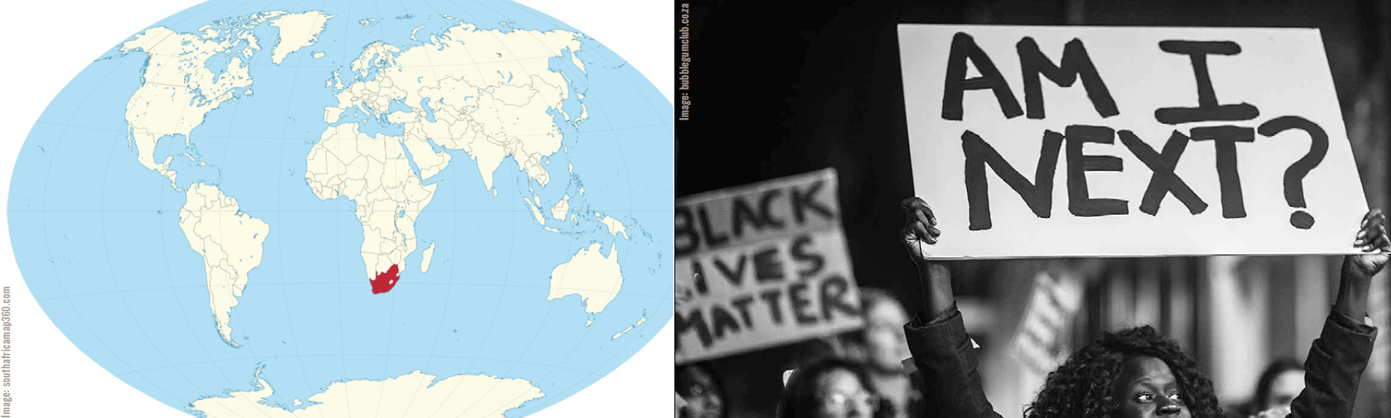
Human trafficking is a global
crisis, and this article delves into
the complexities of this issue
in South Africa. By exploring
the socioeconomic, political,
and cultural factors that fuel
trafficking, the aim is to shed
light on the vulnerabilities that
make individuals susceptible
to exploitation. The paper
examines various forms of
trafficking in South Africa, from
sexual exploitation to forced
labour, and discusses their
profound societal impact. It
further explores the existing
legal frameworks and mitigation
strategies while proposing
actionable steps for a more
effective and compassionate
approach to combating human
trafficking.
Introduction
Human trafficking, as defined
by the United Nations Palermo
Protocol, involves the recruitment,
transportation, and
exploitation of persons through
force, coercion, or deception.
This crime, whether domestic
or cross-border, is particularly
concerning in South Africa,
given its unique geopolitical
location and socioeconomic
challenges. While international
norms and legal frameworks
exist to combat trafficking,
it remains a severe problem,
disproportionately affecting
vulnerable populations.
South Africa is a significant
regional hub for migration and
economic activity, and thus
serves as both a source and
destination for human trafficking.
This is exacerbated
by social and political issues
like xenophobia, gender-based
violence, and systemic corruption.
Despite constitutional
protections against slavery and
forced labour, a significant gap
remains in the fight against
trafficking (United Nations 2000).
Although the Prevention and
Combating of Trafficking in
Persons Act of 2013 was a step
in the right direction, effective
application and victim protection
are lacking. This paper
examines the challenges, the
impacts on marginalised societies,
and potential measures
for enhanced enforcement and
protection. Ultimately, this paper
aims to contribute to more
effective policy interventions.
Factors contributing to
human trafficking
Several interconnected
factors contribute to the
prevalence of human trafficking
in South Africa.
• Socioeconomic factors
Poverty, unemployment, and
inequality create significant
vulnerabilities traffickers
exploit. The legacy of
apartheid has perpetuated
socioeconomic disparities,
making marginalized groups
ideal targets. Job opportunities
and education can be
used as false advertisements
(Jones, 2016). South Africa’s
position as a transit country
for migrants further increases
vulnerability, particularly
for undocumented individuals.
The COVID-19 pandemic
exacerbated these conditions,
leading to increased desperation
and exploitation.
• Political factors
Corruption, weak law
enforcement, and a lack
of political will facilitate
trafficking activities.
Corruption among police
and state officials allows
traffickers to operate with
impunity, while insufficient
implementation of antitrafficking
laws hampers
prosecution. Inconsistent
immigration policies and political instability in neighboring
countries contribute
to cross-border trafficking.
Xenophobia further marginalizes
migrants, making
them vulnerable to exploitation
(Moyo & Nshimbi, 2021).
• Cultural factors
Cultural norms, gender
inequalities, and the acceptance
of violence play a
crucial role in perpetuating
human trafficking (Lutya &
Lanier, 2012). In patriarchal
societies, women and girls
are particularly vulnerable to
exploitation. Practices like
“Ukuthwala”, a form of bride
abduction, further highlight
the intersection of cultural
practices and criminal
exploitation. The cultural
acceptance of violence normalizes
the exploitation of
victims, making it difficult
for them to seek help.
Forms of human trafficking
in South Africa
Human trafficking in South
Africa manifests in various
forms, each with devastating
consequences:
• Sexual exploitation and
prostitution
This is one of the most
widespread forms of trafficking,
disproportionately
affecting women and
children. Traffickers lure
victims with promises of a
better life, forcing them into
prostitution and other forms
of sexual slavery (Gould &
Fick, 2020). Criminal gangs
operate both locally and
internationally.
• Forced labor
This form of trafficking impacts
both local and foreign
workers, who are subjected
to long hours, low pay, and
unsafe working conditions
in sectors such as agriculture,
mining, and domestic
work (Crush et al., 2017).
Undocumented migrants are
particularly vulnerable due to
their fear of deportation.
• Child trafficking and
exploitation
Children are trafficked for
various purposes, including
forced labor, sexual exploitation,
and recruitment as
child soldiers. Traffickers
target children from vulnerable
families, offering false
promises of a better life.
According to the United Nations,
Office on Drugs and
Crime (2018), many of these
children are groomed for
such roles from poor/vulnerable
families.
• Organ Trafficking
Though less frequent, it
involves the buying and selling
of people for their organs
(Jones 2016). Perpetrators
target vulnerable individuals
from poor backgrounds,
often without informed
consent. The covert nature of this crime makes it particularly
difficult to combat.
• Domestic Servitude
Victims, often women and
children, are forced to work
in private households, experiencing
physical, psychological,
and sexual abuse (Lutya
& Lanier, 2012). Their isolation
makes escape difficult.
These exploitative practices
occur in various industries,
including agriculture, factories,
hotels, restaurants, and even
private homes.
Recognizing the signs of
human trafficking
It is crucial for community
members to be aware of the signs of human trafficking.
Victims may show evidence of
being controlled, be unable to
leave their home or workplace,
or lack the ability to speak for
themselves. Often, their information
is provided by someone
else. Other indicators include
the loss of personal identification
documents, few personal
possessions, large debts they
cannot pay off, and a loss of
their sense of time or place.
Societal implications of
human trafficking
The societal impacts of
human trafficking are farreaching,
affecting not only the
victims but also their families and the broader community.
• Impact on victims and
families
Victims suffer severe
physical, psychological, and
emotional trauma, often resulting
in long-term mental
health issues. Stigma and
social rejection can hinder
their recovery (Gallagher,
2010). Families endure emotional
distress, financial burdens,
and the risk of further
victimization.
• Economic Consequences
Human trafficking deprives
individuals of their potential
to contribute to the
economy. Victims are forced
into low-wage or unpaid labor, which creates economic
stagnation (Lutya &
Lanier, 2012). Rescue operations,
legal procedures, and
victim recovery programs
strain government and NGO
resources. The practice
also distorts labor markets,
reduces wages, and increases
income inequality.
• Social disruption and community
breakdown
Trafficking erodes social
bonds and can lead to the
decline of communities. Fear
and distrust prevent people
from seeking opportunities
or migrating for work. It also
exacerbates social inequalities
based on gender (mostly
gender based violence is
exacerbated in South Africa),
class, and nationality (Lutya
& Lanier, 2012). A loss of confidence
in government and
legal institutions can cause
public distrust.
• Long-term impacts on
development
Human trafficking undermines
overall development
efforts by perpetuating cycles
of poverty and abuse (Gallagher,
2010). Denying children
access to education creates a
loss of human capital.
Mitigation strategies
against human trafficking
Mitigating human trafficking
requires a comprehensive
approach that addresses
underlying vulnerabilities and
legal gaps.
• Socioeconomic factors
Addressing inequality,
poverty, and high rates of
unemployment is crucial
for reducing vulnerability.
Empowerment programs,
skills development, and job
creation can help to create
preventative measures.
• Gendered vulnerabilities
The role of gender in trafficking
must be considered.
Gender norms and cultural
beliefs that limit women’s
economic independence and
mobility increase their risk
of being trafficked.
• Legal Frameworks
While South Africa hasenacted the Prevention
and Combating of Trafficking
in Persons Act of
2013, challenges remain
in its enforcement and
implementation. This will
involve public awareness
campaigns, strengthening
laws, enhancing collaboration
with NGOs and community
organizations, and
consistent research.
The following mitigation
strategies are
essential:
• Economic empowerment
programs
Providing skills development
and employment
opportunities to vulnerable
groups.
• Awareness and education
campaigns
Educating the public about
the signs of trafficking and
how to report it.
• Strengthening Legal
frameworks
Improving the enforcement
of current laws and enhancing
victim support services.
• Collaboration with
NGOs and Community
Organisations
Engaging local organisations
in prevention efforts.
• Research and Data Collection
Ongoing research into the
dynamics of trafficking
in South Africa to inform
policies.
Comparative analysis of
anti-trafficking policies
Examining anti-trafficking
policies in other countries
provides valuable insights for
South Africa.
• United States
The Trafficking Victims
Protection Act (TVPA) offers a
comprehensive approach toward
prevention, protection,
and prosecution, including a
tier ranking system. Lessons
include establishing a system
to monitor the effectiveness
of anti-trafficking measures.
• Sweden
The Nordic Model criminalizes
the purchase of sexual
services, reducing demand,
and emphasizing prevention
and holistic victim support.
Lessons include the need to
improve the enforcement of
laws and support for victims.
(Swedish Institute, 2021).
• Australia
The National Action Plan
to Combat Modern Slavery
and the Modern Slavery Act
(2018), involve corporate accountability
and multidisciplinary
approaches. Lessons
include the need to develop
corporate accountability,
improve data collection,
and build capacity among
professionals. (Australian
Government, 2018).
• The Netherlands
A comprehensive legal
framework, specialized task forces, and prostitution
regulation help in tackling
trafficking. Lessons include
the need for a specialized
body to assess anti-trafficking
efforts. (Dutch National
Rapporteur on Traff icking in Human
Being s and Sexual Violence against
Children, 2021).
• India
The Immoral Traffic Prevention
Act (ITPA), integrated
Anti-Human Trafficking
Units, and community engagement
programs are utilized
to combat trafficking.
Lessons include the need to
mobilize local leaders and
create interdisciplinary units
to enhance coordination.
(Government of India, 1956).
• Germany
Focus on labor exploitation,
victim assistance programs,
and cross-border cooperation
are important key
measures. Lessons include
strengthening labor laws and
mechanisms, cross-border
collaborations, and improving
integration outcomes.
(United Nations Off ice on Drug s
and Crime, 2020).
By adopting best practices from
these countries, South Africa
can improve its anti-trafficking
strategies. This includes
establishing a monitoring
system, introducing corporate
social responsibility laws, and
focusing on demand reduction
measures.
Literature review and
analysis
The literature on human trafficking
reveals it to be a complex,
multi-faceted issue with a
devastating impact on victims.
In South Africa, trafficking is
exacerbated by socioeconomic
issues, gender-based violence,
and unemployment. While
laws vary across the globe,
consistency in definitions and
practices is crucial for effective
responses. The impact on
victims is consistent globally
and involves trauma, anxiety,
and PTSD (Post Traumatic Stress
Disorder), along with stigma
and social rejection. A comprehensive,
cohesive approach
involving all sectors of society is
essential to combating trafficking.
This involves addressing
local and global vulnerabilities,
and tailoring solutions to specific
contexts.
Qualitative and quantitative
analysis
A qualitative review, which
included literature reviews and
interviews with experts, was
conducted. However, due to
the limited number of experts
available this was deemed subjective,
and needs to be revisited
when more training and experts
are available in the future. The
lack of reliable quantitative
data also poses a challenge in
accurately tracking forms of
exploitation.
Quantitative analysis reveals
the estimated number
of victims in South Africa and
the disproportionate impact
on females and youth. Official
complicity in trafficking
crimes and the exploitation
of foreign migrants are also
of concern.
Various studies provide conflicting
statistics about human
trafficking, and this reflects
the hidden nature of the crime
and the need for more accurate
and reliable information.
Collaboration with NGOs,
such as the Hope to Heal
Foundation, offers practical
insights into rescue and
rehabilitation efforts, and the
importance of community
engagement in combating
trafficking. The introduction
of technological advancements
in facial recognition
with organisations such as QSV
may prove to be beneficial in
tackling this issue.
General analysis and
proposed framework
A thorough analysis must
include a scientific approach,
historical context, fundamental
components, and various perspectives.
It involves identifying
patterns and assessing the
theories and evidence.
• A rigorous and meticulous
analysis should aim at identifying
patterns, trends, and
possible linkages.
• It is important to evaluate
and critique positively the
current theories, methods,
and empirical findings pertinent
to this issue.
• The situation in South Africa
has a great deal of influence
on the current trends of human
trafficking.
• It is important to look at
the historical antecedents of
trafficking, colonialism, and
the socio-political environment
that define contemporary
vulnerabilities.
• A proper analysis must entail
an understanding of the
elements that define human
trafficking and these include
the economic, social, and
legal dimensions.
• There is a need for ongoing
research and quantitative
analysis. proposed framework emphasizes
trauma-informed
support for anti-human
trafficking teams. This will
enhance their mental health,
resilience, and overall effectiveness.
The framework
includes:
• Stress and burnout prevention
and management to
reduce staff turnover.
• Improved emotional resilience
and a safe space to
share experiences.
• Enhancing team spirit and
communication and team
debriefing sessions.
• Upskilling counselors and
staff to offer the appropriate
support to teams.
• Follow-up and support networks
for all staff.
Conclusion
This research has provided
a detailed analysis of the
factors, consequences, and
legal measures related to
human trafficking in South
Africa. It emphasises the
importance of addressing the
socio economic, political, and
cultural drivers of trafficking.
While existing laws are in
place, effective implementation
and victim protection
require considerable improvement.
Furthermore, the
qualitative research approach
needs to be actively worked
on due to the lack of skilled
resources to provide enough
expert opinions and advice.
The proposed framework aims
to support those working in
the field and facilitate better
understanding, and support
for the victims of human
trafficking. By engaging with
stakeholders and prioritising
the protection of human
rights, it may be possible to
develop more effective strategies
to combat human trafficking
in South Africa.
Addressing socioeconomic
drivers of human trafficking is
essential for effective interventions.
Corruption, a weak
legal system, and xenophobia
also contribute to the problem,
and these need to be addressed
to ensure the strategy is effective.
Cultural factors, such as
patriarchy, violence, and social
acceptance of the link between
poverty and migration, need
to be taken into consideration
when developing targeted
interventions. By integrating
legal, socioeconomic, and political
strategies, and by working
with community-based
organisations, it may be possible
to empower the youth,
expose trafficking operations,
and ensure that perpetrators
are brought to justice.
Acknowledgements
I want to take a moment to
deeply thank AIU for granting
me this incredible opportunity
to pursue my doctorate—a
lifelong dream that has fueled
my passion and dedication
for as long as I can remember.
This milestone would not
have been possible without
the unwavering support and
expert guidance of Dr. Freddy
Frejus and Dr. Kanbiro Orkaido
Deyganto, my Academic
Advisors. Your wisdom and
encouragement have carried
me through to the very end,
and I am profoundly grateful.
To Seema Naidoo at Hope
to Heal, I want to express
my deepest gratitude for the
knowledge, exposure, and
invaluable time you have so
generously shared with me.
Your guidance has opened
my eyes to an area that is
so deeply overlooked in our
country yet demands urgent
attention and focus. The
work you do every single day
is nothing short of inspiring
and miraculous. You have set
a standard of dedication and
compassion that I can only
aspire to. If I can contribute
even a fraction of what
you’ve accomplished, I will
consider it a great achievement.
Thank you for being
such a guiding light in this
Key words
Human trafficking, forms of
trafficking, signs of trafficking,
trafficking interventions,
Implications of trafficking.
REFERENCES. Australian Government. (2018). Modern Slavery Act 2018. Retrieved from
https://www.legislation.gov.au | Bentch, C. S., & Crews, G. A. (2022). Grassroots approach
of embracing survivors to inform the fight against human trafficking. In E. C. Miller &
M. C. R. Davies (Eds.), Handbook of Research on Present and Future Paradigms in Human
Trafficking (pp. 402-427). IGI Global. https://www.utrgv.edu | Bryant, K., & Landman,
T. (2020). Combatting human trafficking since Palermo: What do we know about
what works? Journal of Human Trafficking. Advance online publication. https://doi.org/
10.1080/23322705.2020.1767745 | Cameron, E. C., Hemingway, S. L., & Cunningham, F.
J. (2021). Global crises: Gendered vulnerabilities of structural inequality, environmental
performance, and modern slavery. Human Arenas. https://doi.org/10.1007/s42087-021-
00238-4 | Crowhurst, I., Dewey, S., & Izugbara, C. (Eds.). (2021). Third Sector Organizations
in Sex Work and Prostitution: Contested Engagements in Africa, the Americas
and Europe. Google Books. Retrieved from https://books.google.com | Crush, J., Chikanda,
A., & Skinner, C. (2017). Migrant entrepreneurship and informality in South African cities.
Urban Forum, 28(1), 121-139. | Department of Justice and Constitutional Development.
(2013). Trafficking in Persons Act 7 of 2013. [Publisher]. | DoCarmo, T. E. (2020).
Major international counter-trafficking organizations: Addressing human trafficking
from multiple directions. In J. Winterdyk & J. Jones (Eds.), The Palgrave International
Handbook of Human Trafficking (pp. 1429-1444). Palgrave Macmillan. Retrieved from
https://www.academia.edu | Dutch National Rapporteur on Trafficking in Human Beings
and Sexual Violence against Children. (2021). Trafficking in Human Beings: Key Figures
Report 2021. Retrieved from https://www.dutchrapporteur.nl | Frankel, P. (2023). Human
trafficking in South Africa. Cape Town, South Africa: BestRed. | Gallagher, A. T. (2010).
The international law of human trafficking. Cambridge University Press. | Gould, C., &
Fick, N. (2020). Understanding human trafficking in South Africa: Toward a comprehensive
response. African Security Review, 29(1). | Government of India. (1956). The
Immoral Traffic (Prevention) Act. Ministry of Law and Justice. Retrieved from https://
legislative.gov.in | Havig, K., & Mahapatra, N. (2021). Health-care providers' knowledge
of human trafficking: Implications for building service capacity in a frontier state.
Journal of Human Trafficking. https://doi.org/10.1080/23322705.2021.1906496 | Houston,
L. (2020). Is SA law and policy equipped to deal with the peculiarities of Human Trafficking?
University of Cape Town. Retrieved from https://www.uct.ac.za | Jones, L. (2016).
Human trafficking and global response: Addressing the vulnerabilities of victims.
Journal of Human Rights, 15(3), 287–300. | Larsson, L. (2021). Human Trafficking and
the Palermo Protocol–Does Ratification Have Any Effect on Anti-Trafficking Efforts
and the Prevalence of Victims? Lund University. Retrieved from https://www.diva-portal.
org | Lundqvist, L. (2024). Human Trafficking in Gauteng, South Africa: How do socioeconomic
factors influence the vulnerability of women to engage in sexual services and
potential trafficking .... Diva Portal. Retrieved from https://www.diva-portal.org | Lutya,
T. M., & Lanier, M. (2012). An integrated theoretical framework to describe human
trafficking of young women and girls for involuntary prostitution. In M. Maddock (Ed.),
Public health - Social and behavioral health. InTech. | Moyo, I., & Nshimbi, C. (2021).
Xenophobia and human trafficking in South Africa: Exploring the intersectionality of
discrimination. African Human Mobility Review, 7(2), 45-64. | Ramsamooj, J. (2023). A
Comparative Study on Human Trafficking as a Crime in South Africa. Southern African
Public Law. Retrieved from https://www.unisapressjournals.co.za | Republic of South
Africa. (1996). Constitution of the Republic of South Africa, 1996 (Act No. 108 of 1996).
Government Gazette. | Sibanda, N. (2011). Ukuthwala in South Africa: Abduction marriage
and the law. Legal Resources Centre. | Swedish Institute. (2021). The Swedish
Approach to Combating Prostitution and Trafficking for Sexual Exploitation. Retrieved
from https://si.se | United Nations. (2000). Protocol to prevent, suppress and punish
trafficking in persons, especially women and children, supplementing the United
Nations Convention against Transnational Organized Crime. | United Nations Office on
Drugs and Crime. (2010). The Global Plan of Action to Combat Trafficking in Persons.
[Publisher]. | Vhumbunu, C. H. (2020). Combating human trafficking in the Southern
African Development Community: Strategies, challenges, and opportunities. The
Strategic Review for Southern Africa. Retrieved from https://www.up.ac.za | Zhang, S. X.
(2022). Progress and challenges in human trafficking research: Two decades after the
Palermo protocol. Journal of Human Trafficking. Advance online publication. https://doi.
org/10.1080/23322705.2022.2103509
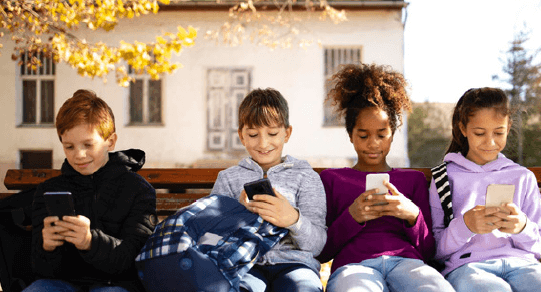 France is to tighten its ban on the
use of mobile phones in middle
schools, making pupils at the ages of 11
to 15 shut away their devices in a locker
or pouch at the start of the day and access
them again only as they are leaving.
The education minister told the
senate she wanted children to be fully
separated from their phones throughout
the school day in all French middle
schools from September.
Élisabeth Borne said: “At a time
when the use of screens is being widely
questioned because of its many harmful
effects, this measure is essential for
our children’s wellbeing and success
at school.” In 2018, France banned
children from using mobile phones in
all middle schools —known as collèges.
Phones must remain switched
off in schoolbags and cannot be used anywhere in the school grounds, including
at break-time.
Schools have reported a positive effect,
with more social interaction, more
physical exercise, less bullying and better
concentration. But some did report a
few children would sneak into the toilets
to watch videos on phones at break. Now
the government says it is necessary to go
further, fully separating children from
their devices for the entire school day.
This enforced “digital pause” has
been tested in a pilot scheme in about
100 middle schools for the past six
months, with children giving up their
phones on arrival —placing them in a
pouch that can only be unlocked by an
electronic system at the school gates
as they go home. ...
Read full text:
France is to tighten its ban on the
use of mobile phones in middle
schools, making pupils at the ages of 11
to 15 shut away their devices in a locker
or pouch at the start of the day and access
them again only as they are leaving.
The education minister told the
senate she wanted children to be fully
separated from their phones throughout
the school day in all French middle
schools from September.
Élisabeth Borne said: “At a time
when the use of screens is being widely
questioned because of its many harmful
effects, this measure is essential for
our children’s wellbeing and success
at school.” In 2018, France banned
children from using mobile phones in
all middle schools —known as collèges.
Phones must remain switched
off in schoolbags and cannot be used anywhere in the school grounds, including
at break-time.
Schools have reported a positive effect,
with more social interaction, more
physical exercise, less bullying and better
concentration. But some did report a
few children would sneak into the toilets
to watch videos on phones at break. Now
the government says it is necessary to go
further, fully separating children from
their devices for the entire school day.
This enforced “digital pause” has
been tested in a pilot scheme in about
100 middle schools for the past six
months, with children giving up their
phones on arrival —placing them in a
pouch that can only be unlocked by an
electronic system at the school gates
as they go home. ...
Read full text:
 “Several years back, during my
time as a volunteer at a charity
shop, I observed the influx of second
hand toys arriving at the store. These
pre-loved toys, often handed over with
cherished memories and sentimental
significance, were carelessly cast aside,
sometimes relegated to becoming dog
toys or, even more dishearteningly,
destined for landfill. It became evident
to me how the love, the vibrant life,
and the stories of these eco toys were
at risk of being lost and forgotten in an
instant.” —Charlotte, Founder
Our collections showcases toys
that have weathered the journey of
life —worn, battered, and beautifully
imperfect. Far from what some might
consider ‘perfect,’ these toys are, in
fact, more precious because of their
unique journeys.
How Loved Before works
1. Your pre-loved toys arrive at HQ
where they officially become Loved
Befores. Here they will meet the rest of
the gang and settle in to all the madness
and adventure that goes on here.
2. Donated friends visit the Loved
Before “Spa”, where they receive a clean
and refresh.
3. Once they are ready for their new
adventure each toy will have their own
photoshoot. From there they are added
to the store along with the bio of their
previous lives and adventures and are
re-homed to find new their new family.
At least half of the profit from every
one of our sustainable toys once adopted
goes to Make-A-Wish UK. ...
“Several years back, during my
time as a volunteer at a charity
shop, I observed the influx of second
hand toys arriving at the store. These
pre-loved toys, often handed over with
cherished memories and sentimental
significance, were carelessly cast aside,
sometimes relegated to becoming dog
toys or, even more dishearteningly,
destined for landfill. It became evident
to me how the love, the vibrant life,
and the stories of these eco toys were
at risk of being lost and forgotten in an
instant.” —Charlotte, Founder
Our collections showcases toys
that have weathered the journey of
life —worn, battered, and beautifully
imperfect. Far from what some might
consider ‘perfect,’ these toys are, in
fact, more precious because of their
unique journeys.
How Loved Before works
1. Your pre-loved toys arrive at HQ
where they officially become Loved
Befores. Here they will meet the rest of
the gang and settle in to all the madness
and adventure that goes on here.
2. Donated friends visit the Loved
Before “Spa”, where they receive a clean
and refresh.
3. Once they are ready for their new
adventure each toy will have their own
photoshoot. From there they are added
to the store along with the bio of their
previous lives and adventures and are
re-homed to find new their new family.
At least half of the profit from every
one of our sustainable toys once adopted
goes to Make-A-Wish UK. ...
 In a secret location in the United
States, two white wolves are lounging
in the grass in a sunny, roughly oneacre
enclosure. The humans there are
wearing their winter jackets. With their
thick, shaggy fur, the 5-month-old
wolves are better adapted to the cold.
One of the humans is Ben Lamm,
founder and CEO of Colossal Biosciences.
He has invited WIRED to be among the
first to see the wolves. The animals,
he says, are dire wolves, which went
extinct more than 10,000 years ago. The
company claims it’s the first time an
animal has ever been de-extincted.
Colossal claims to have brought it —
or at least something that looks like a
dire wolf— back to life. Lamm points
out the characteristics that make these
animals dire wolves: more pronounced
shoulders, a slightly wider head, and
thicker haunches than modern-day
gray wolves. They’re supposed to
have larger jaws, too, but we don’t get
close enough to find out. At 5 months,
they’re already 80 pounds and are expected
to get bigger than gray wolves.
Colossal isn’t directly cloning preserved
DNA from prehistoric animals,
à la Jurassic Park. Instead, it’s editing
the genes of present-day relatives so
that they look and act like their extinct
predecessors. The wolves that WIRED
glimpsed, Romulus and Remus, were
born in October. A third dire wolf,
Khaleesi,was born in January. ...
In a secret location in the United
States, two white wolves are lounging
in the grass in a sunny, roughly oneacre
enclosure. The humans there are
wearing their winter jackets. With their
thick, shaggy fur, the 5-month-old
wolves are better adapted to the cold.
One of the humans is Ben Lamm,
founder and CEO of Colossal Biosciences.
He has invited WIRED to be among the
first to see the wolves. The animals,
he says, are dire wolves, which went
extinct more than 10,000 years ago. The
company claims it’s the first time an
animal has ever been de-extincted.
Colossal claims to have brought it —
or at least something that looks like a
dire wolf— back to life. Lamm points
out the characteristics that make these
animals dire wolves: more pronounced
shoulders, a slightly wider head, and
thicker haunches than modern-day
gray wolves. They’re supposed to
have larger jaws, too, but we don’t get
close enough to find out. At 5 months,
they’re already 80 pounds and are expected
to get bigger than gray wolves.
Colossal isn’t directly cloning preserved
DNA from prehistoric animals,
à la Jurassic Park. Instead, it’s editing
the genes of present-day relatives so
that they look and act like their extinct
predecessors. The wolves that WIRED
glimpsed, Romulus and Remus, were
born in October. A third dire wolf,
Khaleesi,was born in January. ...
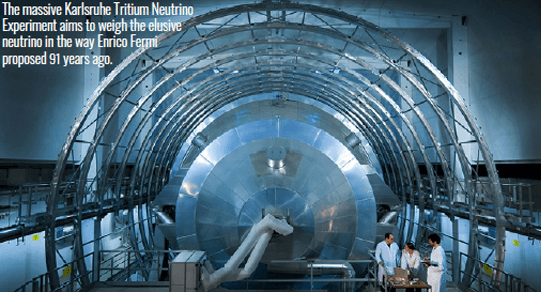 Using a 200-ton metal chamber that
looks like something out of Fritz
Lang’s classic sci-fi movie Metropolis,
149 physicists have tried to measure
the mass of the neutrino, the lightest
and most elusive of matter particles —
and have found that it’s too small to be
detected. Reported today in Science, the
hard-earned result from the Karlsruhe
Tritium Neutrino Experiment (KATRIN)
in Germany shows that the neutrino
must be lighter than 0.45 electronvolts
(eV), an energy unit commonly used to
quantify subatomic masses. “We now
know very directly that the neutrino
is at least a million times lighter than
the next lightest fundamental particle,
which is an electron,” says Diana
Parno, a physicist and KATRIN team
member at Carnegie Mellon University. On its own, the result isn’t surprising,
as inferences from cosmological
phenomenon such as the distribution of
the galaxies already suggest the neutrino
must be about 10 times lighter.
However, scientists say the cosmological
limits now look less reliable, making
KATRIN’s bounds on the neutrino’s
mass all the more valuable. “In the last
5 years or so, we’ve gone from cosmologists
trying to convince particle
physicists that we don’t need to do
terrestrial measurements, to them saying,
‘Oh, actually, it’s really good that
we have multiple ways of approaching
this problem,’” says Julieta Gruszko,
a neutrino physicist at the University
of North Carolina at Chapel Hill. ...
Read full text
Using a 200-ton metal chamber that
looks like something out of Fritz
Lang’s classic sci-fi movie Metropolis,
149 physicists have tried to measure
the mass of the neutrino, the lightest
and most elusive of matter particles —
and have found that it’s too small to be
detected. Reported today in Science, the
hard-earned result from the Karlsruhe
Tritium Neutrino Experiment (KATRIN)
in Germany shows that the neutrino
must be lighter than 0.45 electronvolts
(eV), an energy unit commonly used to
quantify subatomic masses. “We now
know very directly that the neutrino
is at least a million times lighter than
the next lightest fundamental particle,
which is an electron,” says Diana
Parno, a physicist and KATRIN team
member at Carnegie Mellon University. On its own, the result isn’t surprising,
as inferences from cosmological
phenomenon such as the distribution of
the galaxies already suggest the neutrino
must be about 10 times lighter.
However, scientists say the cosmological
limits now look less reliable, making
KATRIN’s bounds on the neutrino’s
mass all the more valuable. “In the last
5 years or so, we’ve gone from cosmologists
trying to convince particle
physicists that we don’t need to do
terrestrial measurements, to them saying,
‘Oh, actually, it’s really good that
we have multiple ways of approaching
this problem,’” says Julieta Gruszko,
a neutrino physicist at the University
of North Carolina at Chapel Hill. ...
Read full text
 It represents the Japanese corporation’s
vision of mobility in 2050, where
instinct, technology, and the natural
environment move in sync. The chassis
of the Kawasaki vehicle mimics the responsive
feel of a motorcycle, but instead
of wheels, it uses independently articulating
legs with swing arms that absorb
impact and adapt to uneven ground.
Each leg ends in a hoof made from slipresistant
rubber, split left-to-right to
conform to varied surfaces like grass,
gravel, and rock. This legged mobility
platform maintains balance and stability
while also keeping the rider’s body in
a forward-looking posture, even when
ascending steep slopes or climbing steps.
A 150cc hydrogen engine generates
electricity to power the leg-mounted
drive units, with a rear-mounted hydrogen
canister supplying the fuel to ensure
low emissions and silent operation. ...
Read full text at Designboom:
Read full text
It represents the Japanese corporation’s
vision of mobility in 2050, where
instinct, technology, and the natural
environment move in sync. The chassis
of the Kawasaki vehicle mimics the responsive
feel of a motorcycle, but instead
of wheels, it uses independently articulating
legs with swing arms that absorb
impact and adapt to uneven ground.
Each leg ends in a hoof made from slipresistant
rubber, split left-to-right to
conform to varied surfaces like grass,
gravel, and rock. This legged mobility
platform maintains balance and stability
while also keeping the rider’s body in
a forward-looking posture, even when
ascending steep slopes or climbing steps.
A 150cc hydrogen engine generates
electricity to power the leg-mounted
drive units, with a rear-mounted hydrogen
canister supplying the fuel to ensure
low emissions and silent operation. ...
Read full text at Designboom:
Read full text
 Erin is a Koyukon Dené and Iñupiaq
artist living, working, and subsisting
in the subarctic climate of South-
Central Alaska. Honoring her arctic
and subarctic ancestral homelands,
Ivalu’s work represents what has tied
her and her ancestors to the North.
Through carved, painted, and beaded
sculpture and mask forms and using
other inter-weaving practices, Ivalu
creates representations of the revered
wild relatives that have provided for
her, her family, and her ancestors for
generations. Continuing the viewpoint
of seeing these resources from homelands
as gifts given to the worthy who
reciprocate respect and care for the
land and wild relatives that share it.
Connection to the realities of subsistence
lifeways and arctic survival is
vital to Ivalu’s work that mirrors what
keeps us fed, warm and present in the
circumpolar north. With ancestral ties
to the communities of Nulato, Nome
and Utqiagvik; Ivalu currently resides
between the Dena’ina Homelands of
Anchorage and Cohoe, Alaska.
Ivalu has been selected for the 2025
Eiteljorg Contemporary Art Fellowship
and her work has been exhibited
at Art Toronto, Art Basel Miami Beach,
The Armory Show NY, The Contemporary
Native Art Biennial (BACA), SITE
Santa Fe, The Anchorage Museum and
others. Her work has been supported
by The Metropolitan Museum of Art
... Ivalu’s work is in collections at
The British Museum, The Eiteljorg
Museum, The Rhode Island School of
Design Museum, The Gochman family
Collection ...
Erin is a Koyukon Dené and Iñupiaq
artist living, working, and subsisting
in the subarctic climate of South-
Central Alaska. Honoring her arctic
and subarctic ancestral homelands,
Ivalu’s work represents what has tied
her and her ancestors to the North.
Through carved, painted, and beaded
sculpture and mask forms and using
other inter-weaving practices, Ivalu
creates representations of the revered
wild relatives that have provided for
her, her family, and her ancestors for
generations. Continuing the viewpoint
of seeing these resources from homelands
as gifts given to the worthy who
reciprocate respect and care for the
land and wild relatives that share it.
Connection to the realities of subsistence
lifeways and arctic survival is
vital to Ivalu’s work that mirrors what
keeps us fed, warm and present in the
circumpolar north. With ancestral ties
to the communities of Nulato, Nome
and Utqiagvik; Ivalu currently resides
between the Dena’ina Homelands of
Anchorage and Cohoe, Alaska.
Ivalu has been selected for the 2025
Eiteljorg Contemporary Art Fellowship
and her work has been exhibited
at Art Toronto, Art Basel Miami Beach,
The Armory Show NY, The Contemporary
Native Art Biennial (BACA), SITE
Santa Fe, The Anchorage Museum and
others. Her work has been supported
by The Metropolitan Museum of Art
... Ivalu’s work is in collections at
The British Museum, The Eiteljorg
Museum, The Rhode Island School of
Design Museum, The Gochman family
Collection ...
 If I [Gareth Ford Williams] had a TARDIS
and could travel back in time to
2005, which is when I founded the BBC’s
Digital Accessibility Team, what would
I say to myself? What advice would I
give me? This is a little book of quips,
tips, affirmations, and truths that have
helped me shape the BBC’s strategy and
embed accessibility into its culture. ...
Invest enough time to shift
the conversation from ‘worthy’
to‘worthwhile’. This is one of the
hardest and most necessary cultural
challenges for any organisation. An
epiphany comes when an organisation
realises that instead of building things
and trying to make things accessible,
the most efficient and effective thing
to do is to build accessible things.
Accessible things take no more time
and effort to build than inaccessible
things, in fact they take less time as
you don’t have to fix them afterwards.
...
If I [Gareth Ford Williams] had a TARDIS
and could travel back in time to
2005, which is when I founded the BBC’s
Digital Accessibility Team, what would
I say to myself? What advice would I
give me? This is a little book of quips,
tips, affirmations, and truths that have
helped me shape the BBC’s strategy and
embed accessibility into its culture. ...
Invest enough time to shift
the conversation from ‘worthy’
to‘worthwhile’. This is one of the
hardest and most necessary cultural
challenges for any organisation. An
epiphany comes when an organisation
realises that instead of building things
and trying to make things accessible,
the most efficient and effective thing
to do is to build accessible things.
Accessible things take no more time
and effort to build than inaccessible
things, in fact they take less time as
you don’t have to fix them afterwards.
...
 Scientists used to think that our
bladders were ruled by a relatively
straightforward reflex —an “on-off”
switch between storing urine and letting
it go. “Now we realize it’s much
more complex than that,” says Rita
Valentino, neuroscientist. An intricate
network of brain regions that contribute
to functions like decision-making,
social interactions and awareness of our
body’s internal state, also called interoception,
participates in making the call.
... Recently, a surge of new research
is opening the field to fresh hypotheses
and treatment approaches [for urinary
urgency, nocturia and incontinence]. ...
As the bladder fills with urine,
stretch-sensing cells in the detrusor,
as well as in inner layers of the bladder
wall, send signals of fullness up
the spinal cord to a part of the brainstem
called the periaqueductal gray. The
signals then travel to a region called the
insula, which acts as a kind of sensor. ...
Next, a region of the brain that’s
responsible for planning and making
decisions —the prefrontal cortex— calculates
whether it’s a socially acceptable
moment to urinate. If the answer is yes,
it sends a signal back to the periaqueductal
gray, which in turn sends an
all-clear signal to that part of the pons
called Barrington’s nucleus. The signal
goes back down to the bladder, and
voila, urination occurs.... Barrington’s
work laid the foundation for our current
understanding of the neural circuitry of
bladder ...
Scientists used to think that our
bladders were ruled by a relatively
straightforward reflex —an “on-off”
switch between storing urine and letting
it go. “Now we realize it’s much
more complex than that,” says Rita
Valentino, neuroscientist. An intricate
network of brain regions that contribute
to functions like decision-making,
social interactions and awareness of our
body’s internal state, also called interoception,
participates in making the call.
... Recently, a surge of new research
is opening the field to fresh hypotheses
and treatment approaches [for urinary
urgency, nocturia and incontinence]. ...
As the bladder fills with urine,
stretch-sensing cells in the detrusor,
as well as in inner layers of the bladder
wall, send signals of fullness up
the spinal cord to a part of the brainstem
called the periaqueductal gray. The
signals then travel to a region called the
insula, which acts as a kind of sensor. ...
Next, a region of the brain that’s
responsible for planning and making
decisions —the prefrontal cortex— calculates
whether it’s a socially acceptable
moment to urinate. If the answer is yes,
it sends a signal back to the periaqueductal
gray, which in turn sends an
all-clear signal to that part of the pons
called Barrington’s nucleus. The signal
goes back down to the bladder, and
voila, urination occurs.... Barrington’s
work laid the foundation for our current
understanding of the neural circuitry of
bladder ...
 In early 2024, the bird influenza that
had been spreading across the globe
for nearly three decades showed up in
dairy cows in the Texas Panhandle. A
dangerous bird flu, in other words, was
suddenly circulating in mammals. “This
is how pandemics start.” said Thomas
Friedrich, a virologist at the U. of
Wisconsin–Madison.
This highly pathogenic avian influenza,
or H5N1, is already at panzootic status,
killing birds in every continent except
for Australia. Around the world, it has
also affected diverse mammals. Thus far,
the US is the only nation with H5N1 in
cows; it’s shown up in dairies in at least
17 states. ... Gregory Gray has studied
a number of viruses in cattle and other
animals, and he says that while spillovers
from one species to another are common,
it’s rare that a virus adapts to spread easily
in the new species. As of spring 2025,
there are no confirmed cases of humanto-
human H5N1 transmission in the US. ...
To become adept at infecting humans,
the virus would have to change the structure of its hemagglutinin. Its current
version sticks to a specific arrangement
of sugars on the surface of bird cells. The
birdlike sugar arrangement is found in
cow udders, explaining the mastitis.
Humans do have this birdlike sugar
arrangement, but it’s buried deep in the
lungs, making the virus hard to catch and
hard to spread to another person. It’s also
present in human eyes, which could explain
why pinkeye was the most common
clinical sign in people who caught bird flu
in the US in 2024 (many also experienced
fever and respiratory symptoms). But for
ongoing person-to-person transmission
through coughs, sneezes and sniffles,
researchers think H5N1 would have to
mutate to recognize a sugar arrangement
found in the human upper respiratory
tract —the nose, nasal cavity, sinuses,
mouth, throat and voice box.
It would also have to make changes to
the protein that copies its genes, the viral
polymerase. ...
Read full text:
In early 2024, the bird influenza that
had been spreading across the globe
for nearly three decades showed up in
dairy cows in the Texas Panhandle. A
dangerous bird flu, in other words, was
suddenly circulating in mammals. “This
is how pandemics start.” said Thomas
Friedrich, a virologist at the U. of
Wisconsin–Madison.
This highly pathogenic avian influenza,
or H5N1, is already at panzootic status,
killing birds in every continent except
for Australia. Around the world, it has
also affected diverse mammals. Thus far,
the US is the only nation with H5N1 in
cows; it’s shown up in dairies in at least
17 states. ... Gregory Gray has studied
a number of viruses in cattle and other
animals, and he says that while spillovers
from one species to another are common,
it’s rare that a virus adapts to spread easily
in the new species. As of spring 2025,
there are no confirmed cases of humanto-
human H5N1 transmission in the US. ...
To become adept at infecting humans,
the virus would have to change the structure of its hemagglutinin. Its current
version sticks to a specific arrangement
of sugars on the surface of bird cells. The
birdlike sugar arrangement is found in
cow udders, explaining the mastitis.
Humans do have this birdlike sugar
arrangement, but it’s buried deep in the
lungs, making the virus hard to catch and
hard to spread to another person. It’s also
present in human eyes, which could explain
why pinkeye was the most common
clinical sign in people who caught bird flu
in the US in 2024 (many also experienced
fever and respiratory symptoms). But for
ongoing person-to-person transmission
through coughs, sneezes and sniffles,
researchers think H5N1 would have to
mutate to recognize a sugar arrangement
found in the human upper respiratory
tract —the nose, nasal cavity, sinuses,
mouth, throat and voice box.
It would also have to make changes to
the protein that copies its genes, the viral
polymerase. ...
Read full text:
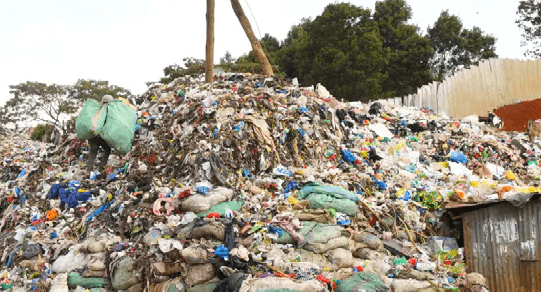 A team of international researchers
published a new U.N. report
Wednesday [April 10] that adds to the
rising scientific call for transformative
societal and economic changes to
staunch critical environmental threats
like global warming, plastic pollution
and biodiversity loss.
“We are still headed towards catastrophe,”
said lead author Caitlyn Eberle.
“This year, we wanted to understand
why we are not changing course. Few
people would argue for more waste in
the environment, more destroyed ecosystems
or more inequality. But those
are the trends right now.” ...
The research in the report shows that
many of today’s sustainability projects
are superficial because they focus
on small changes within the system
without changing the system
itself, she said. Recycling is valuable,
but doesn’t get to the core issue of why
so much waste is produced in the first
place. “Donating to conservation efforts
is great, but it doesn’t address the fact
that we separate ourselves from nature
and confine it to specific areas where
it’s allowed to exist,” she said. ...
The process may lead to some “uncomfortable”
territory, said UNU-EHS
deputy director Zita Sebesvari, another
lead author of the report. Crises
in Earth’s ecosystems, including the
climate and human systems, require
rethinking many basic assumptions
and values, for example about consumption
and waste. ...
Read full text:
A team of international researchers
published a new U.N. report
Wednesday [April 10] that adds to the
rising scientific call for transformative
societal and economic changes to
staunch critical environmental threats
like global warming, plastic pollution
and biodiversity loss.
“We are still headed towards catastrophe,”
said lead author Caitlyn Eberle.
“This year, we wanted to understand
why we are not changing course. Few
people would argue for more waste in
the environment, more destroyed ecosystems
or more inequality. But those
are the trends right now.” ...
The research in the report shows that
many of today’s sustainability projects
are superficial because they focus
on small changes within the system
without changing the system
itself, she said. Recycling is valuable,
but doesn’t get to the core issue of why
so much waste is produced in the first
place. “Donating to conservation efforts
is great, but it doesn’t address the fact
that we separate ourselves from nature
and confine it to specific areas where
it’s allowed to exist,” she said. ...
The process may lead to some “uncomfortable”
territory, said UNU-EHS
deputy director Zita Sebesvari, another
lead author of the report. Crises
in Earth’s ecosystems, including the
climate and human systems, require
rethinking many basic assumptions
and values, for example about consumption
and waste. ...
Read full text:
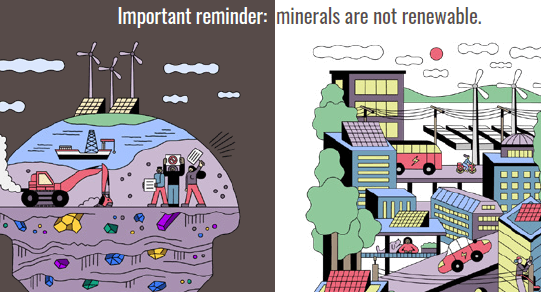 In the decade since the world pledged
to combat climate change under the
Paris Agreement, global energy systems
have undergone a revolution. The US experienced
a sixfold increase in solar power,
and wind power more than doubled.
And there are now more than 40 million
electric vehicles on roads worldwide. But
ending our dependence on fossil fuels
and adopting this new, greener technology
requires a whole lot of metal.
It takes lithium and cobalt to
build the batteries that power electric
vehicles and e-bikes, nickel and rare
earth elements to construct solar
panels and wind turbines, and copper
to build the wires that move renewable
energy from the sunny and windy
places it’s generated to the cities and
factories where it’s most needed. The faster we move away from fossil
fuels, the more desperately we will
need these metals and other so-called
critical minerals. In an ambitious
energy transition, global demand for
them will quadruple by 2040, according
to the International Energy
Agency. That means digging vast new
open-pit mines, building powerful
new refineries to distill raw ore, and
opening new factories to manufacture
batteries and turbines.
Just as the 20th century was defined
by the geography of oil, the 21st century
could be defined by the new geography
of metal —in particular by snarled
industrial supply lines that often flow
from the developing world to the developed
...
Read full text:
In the decade since the world pledged
to combat climate change under the
Paris Agreement, global energy systems
have undergone a revolution. The US experienced
a sixfold increase in solar power,
and wind power more than doubled.
And there are now more than 40 million
electric vehicles on roads worldwide. But
ending our dependence on fossil fuels
and adopting this new, greener technology
requires a whole lot of metal.
It takes lithium and cobalt to
build the batteries that power electric
vehicles and e-bikes, nickel and rare
earth elements to construct solar
panels and wind turbines, and copper
to build the wires that move renewable
energy from the sunny and windy
places it’s generated to the cities and
factories where it’s most needed. The faster we move away from fossil
fuels, the more desperately we will
need these metals and other so-called
critical minerals. In an ambitious
energy transition, global demand for
them will quadruple by 2040, according
to the International Energy
Agency. That means digging vast new
open-pit mines, building powerful
new refineries to distill raw ore, and
opening new factories to manufacture
batteries and turbines.
Just as the 20th century was defined
by the geography of oil, the 21st century
could be defined by the new geography
of metal —in particular by snarled
industrial supply lines that often flow
from the developing world to the developed
...
Read full text:
 The Vietnamese government should
investigate the death under suspicious
circumstances of a senior Tibetan
lama, Humkar Dorje Rinpoche, in Ho
Chi Minh City on March 29, 2025, Human
Rights Watch said today [April 9].
Humkar Dorje, 56, died following
months of concern by the Tibetan
community about his whereabouts
and well-being. His followers in India,
where many Tibetans live in exile,
allege that Vietnamese and Chinese
authorities had arrested him in Vietnam
after he fled Tibet. His monastery,
which is under official supervision, instead
claimed that he died from illness
while on a retreat.
“Humkar Dorje Rinpoche’s death
in Vietnam is especially concerning
given the Chinese government’s severe
repression of Tibetans and its record
of snatching its nationals in Vietnam,”
said Maya Wang, associate China
director at Human Rights Watch. “The
Vietnamese authorities should credibly
and impartially investigate these claims
and take appropriate action, including
by providing autopsy findings to
Humkar Dorje’s family.”
Humkar Dorje was head of the Lung
Ngon monastery in Gabde county in the
Golok Tibetan Autonomous Prefecture
of Qinghai province. He had thousands
of devotees inside China and abroad,
including in Vietnam. He was a prominent
educator, having founded, with
official permission and oversight, a vocational
school and more than 10 other
schools in the region, where he sponsored
the education of ...
Read full text:
The Vietnamese government should
investigate the death under suspicious
circumstances of a senior Tibetan
lama, Humkar Dorje Rinpoche, in Ho
Chi Minh City on March 29, 2025, Human
Rights Watch said today [April 9].
Humkar Dorje, 56, died following
months of concern by the Tibetan
community about his whereabouts
and well-being. His followers in India,
where many Tibetans live in exile,
allege that Vietnamese and Chinese
authorities had arrested him in Vietnam
after he fled Tibet. His monastery,
which is under official supervision, instead
claimed that he died from illness
while on a retreat.
“Humkar Dorje Rinpoche’s death
in Vietnam is especially concerning
given the Chinese government’s severe
repression of Tibetans and its record
of snatching its nationals in Vietnam,”
said Maya Wang, associate China
director at Human Rights Watch. “The
Vietnamese authorities should credibly
and impartially investigate these claims
and take appropriate action, including
by providing autopsy findings to
Humkar Dorje’s family.”
Humkar Dorje was head of the Lung
Ngon monastery in Gabde county in the
Golok Tibetan Autonomous Prefecture
of Qinghai province. He had thousands
of devotees inside China and abroad,
including in Vietnam. He was a prominent
educator, having founded, with
official permission and oversight, a vocational
school and more than 10 other
schools in the region, where he sponsored
the education of ...
Read full text:
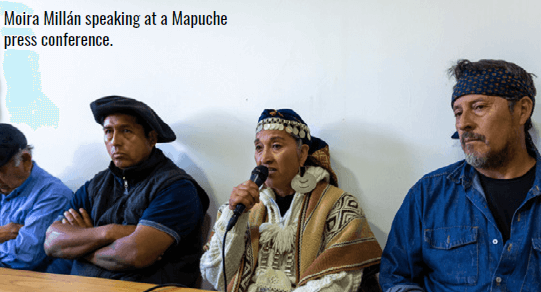 On February 11, hundreds of Argentina’s
armed provincial and federal
police forces raided the homes of Mapuche
communities, smashing windows
and destroying belongings. The special
forces, wielding assault rifles, held men,
women and children at gunpoint for
more than ten hours. ...
These communities, often just a
handful of indigenous families that survived
the bloody campaigns of genocide
and displacement throughout Argentina’s
colonial history, are now the target
of a new offensive under the “anarchocapitalist”
policies of Javier Milei. The
repression aims at stripping them of the
little they have left of their ancestral
territory and placing it in the hands of
some of the world’s largest corporations
and wealthiest billionaires.
Argentine government propaganda has
blamed the Mapuches for forest fires that
have burned more than 50,000 hectares
of mostly national forest land in Patagonia.
It’s a triple ploy– to distract from
the role of climate change and government
negligence in the fires, to divert
attention from real estate interests waiting
to take over land for megaprojects,
and to criminalize the indigenous people
who are the last the remaining bulwark
against the mass exploitation and
destruction of one of the world’s largest
freshwater and forest reserves. ...
As the Mapuche are violently evicted
from the land they live on, international
billionaires already own, often illegally...
On February 11, hundreds of Argentina’s
armed provincial and federal
police forces raided the homes of Mapuche
communities, smashing windows
and destroying belongings. The special
forces, wielding assault rifles, held men,
women and children at gunpoint for
more than ten hours. ...
These communities, often just a
handful of indigenous families that survived
the bloody campaigns of genocide
and displacement throughout Argentina’s
colonial history, are now the target
of a new offensive under the “anarchocapitalist”
policies of Javier Milei. The
repression aims at stripping them of the
little they have left of their ancestral
territory and placing it in the hands of
some of the world’s largest corporations
and wealthiest billionaires.
Argentine government propaganda has
blamed the Mapuches for forest fires that
have burned more than 50,000 hectares
of mostly national forest land in Patagonia.
It’s a triple ploy– to distract from
the role of climate change and government
negligence in the fires, to divert
attention from real estate interests waiting
to take over land for megaprojects,
and to criminalize the indigenous people
who are the last the remaining bulwark
against the mass exploitation and
destruction of one of the world’s largest
freshwater and forest reserves. ...
As the Mapuche are violently evicted
from the land they live on, international
billionaires already own, often illegally...
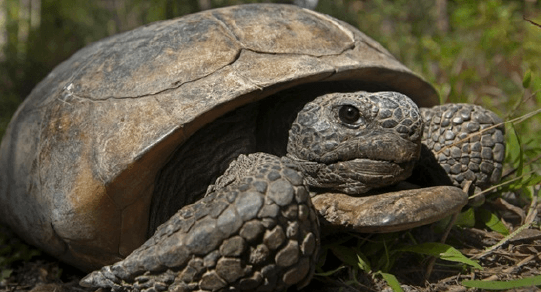 Dozens of gopher tortoises survived
a perilous sea crossing after being
swept from their homes during Hurricane
Helene last summer, and are
enjoying a new lease of life on a remote
stretch of Florida coastline.
Rangers at Fort de Soto county park
near St Petersburg say that before the
September storm only eight of the vulnerable
species were known to be living
there. Now, after their astonishing journey,
a count last month confirmed 84
active burrows, suggesting the tortoises
quickly adapted to their new habitat after
their enforced eviction from Egmont
Key national wildlife refuge, a tiny island
more than two miles west that was
pummeled by the category 4 hurricane.
As well as sparking a surge of interest
in the park in the form of visitors keen to catch a glimpse of the unexpected
new arrivals, the tortoises are also providing
benefits for some of the animals
that already lived in the 1,100-acre
(445-hectare) environment.
“They’re a keystone species, which
means they share their burrows with
other species, and there’s been something
like 250 different species recorded
as living in gopher tortoise burrows,”
said Anna Yu, a ranger who has
assumed responsibility for the roving
reptiles’ wellbeing. “Everybody in the
ecosystem benefits from gopher tortoises
being there, and we’ll hopefully
see an increase in biodiversity in the
park. Because we have all these new
burrows, other animals are ...
Dozens of gopher tortoises survived
a perilous sea crossing after being
swept from their homes during Hurricane
Helene last summer, and are
enjoying a new lease of life on a remote
stretch of Florida coastline.
Rangers at Fort de Soto county park
near St Petersburg say that before the
September storm only eight of the vulnerable
species were known to be living
there. Now, after their astonishing journey,
a count last month confirmed 84
active burrows, suggesting the tortoises
quickly adapted to their new habitat after
their enforced eviction from Egmont
Key national wildlife refuge, a tiny island
more than two miles west that was
pummeled by the category 4 hurricane.
As well as sparking a surge of interest
in the park in the form of visitors keen to catch a glimpse of the unexpected
new arrivals, the tortoises are also providing
benefits for some of the animals
that already lived in the 1,100-acre
(445-hectare) environment.
“They’re a keystone species, which
means they share their burrows with
other species, and there’s been something
like 250 different species recorded
as living in gopher tortoise burrows,”
said Anna Yu, a ranger who has
assumed responsibility for the roving
reptiles’ wellbeing. “Everybody in the
ecosystem benefits from gopher tortoises
being there, and we’ll hopefully
see an increase in biodiversity in the
park. Because we have all these new
burrows, other animals are ...
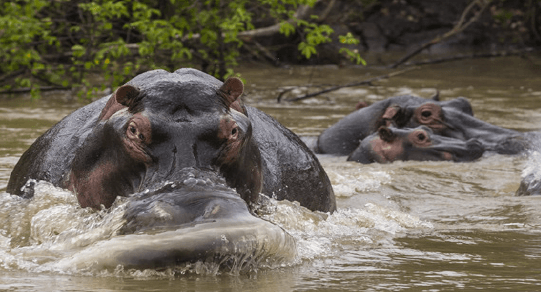 At least 50 hippos and other large
animals have been killed by anthrax
poisoning in eastern Congo’s Virunga
National Park and have been spotted
floating along a major river that feeds
one of Africa’s great lakes, the head
of the park said on Tuesday [April 8].
Tests confirmed anthrax poisoning,
said Virunga Park director Emmanuel
De Merode, adding that buffalo have
been killed too. The exact cause of the
poisoning was not yet clear.
Images shared by the park show the
hippopotamuses motionless on their
sides and backs in the Ishasha River,
or caught among foliage on the river’s
muddy banks. The deaths represent a
major loss for the park, which has been
working to increase the number of hippos
in recent decades after poaching and
war reduced the population from over
20,000 to a few hundred by 2006. The
park now holds about 1,200 hippos.
Park guards noticed there was a
problem when the dead animals started
to appear about five days ago along the
river, which forms Congo’s border with
Uganda and runs through an area under
the control of rebel fighters.
Anthrax is a serious disease usually
caused by bacteria found naturally in
soil. Wild animals can become infected
if they inhale anthrax spores in contaminated
soil, plants, or water. In a statement
on Tuesday, the Congolese Institute
for Nature Conservation warned
residents to avoid wildlife in the area
and to boil water from local ...
At least 50 hippos and other large
animals have been killed by anthrax
poisoning in eastern Congo’s Virunga
National Park and have been spotted
floating along a major river that feeds
one of Africa’s great lakes, the head
of the park said on Tuesday [April 8].
Tests confirmed anthrax poisoning,
said Virunga Park director Emmanuel
De Merode, adding that buffalo have
been killed too. The exact cause of the
poisoning was not yet clear.
Images shared by the park show the
hippopotamuses motionless on their
sides and backs in the Ishasha River,
or caught among foliage on the river’s
muddy banks. The deaths represent a
major loss for the park, which has been
working to increase the number of hippos
in recent decades after poaching and
war reduced the population from over
20,000 to a few hundred by 2006. The
park now holds about 1,200 hippos.
Park guards noticed there was a
problem when the dead animals started
to appear about five days ago along the
river, which forms Congo’s border with
Uganda and runs through an area under
the control of rebel fighters.
Anthrax is a serious disease usually
caused by bacteria found naturally in
soil. Wild animals can become infected
if they inhale anthrax spores in contaminated
soil, plants, or water. In a statement
on Tuesday, the Congolese Institute
for Nature Conservation warned
residents to avoid wildlife in the area
and to boil water from local ...

 Leverage the power of rain sounds to help
children calm their energy and focus.
Each tube features the sound of a different
rain pattern. Experience a peaceful
drizzle, a steady rain shower, and a gentle
storm. The perfect addition to calm down
corners. www.hand2mind.com
Leverage the power of rain sounds to help
children calm their energy and focus.
Each tube features the sound of a different
rain pattern. Experience a peaceful
drizzle, a steady rain shower, and a gentle
storm. The perfect addition to calm down
corners. www.hand2mind.com

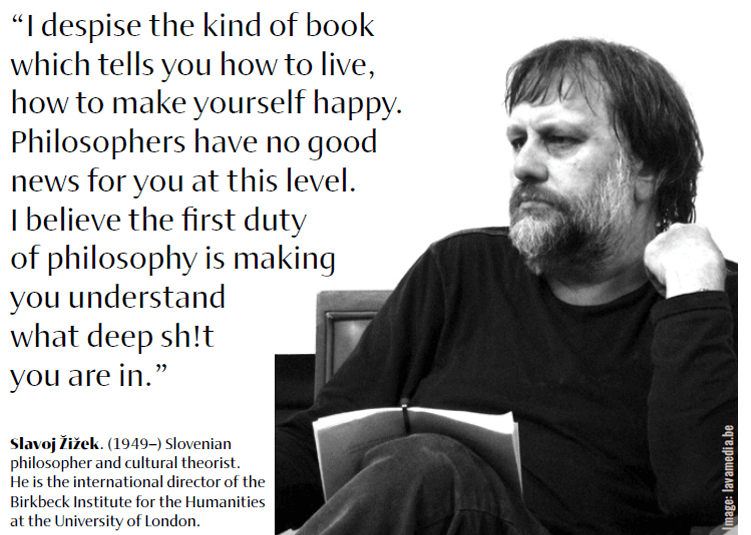

 The Bachelor of Business Communication
(BA) program objective
is to help students develop an expert
knowledge of the complexity and importance
of communication processes,
and an awareness of cultural and
environmental issues. The Bachelor of
Business Communication program is
offered online via distance learning.
After evaluating both academic record
and life experience, AIU staff working
in conjunction with Faculty and
Academic Advisors will assist students
in setting up a custom-made program,
designed on an individual basis.
This flexibility to meet student needs
is seldom found in other distance
learning programs. Our online program
does not require all students to
take the same subjects/courses, use
the same books, or learning materials.
Instead, the online Bachelor of Business
Communication curriculum is
designed individually by the student
and academic advisor. It specifically
addresses strengths and weaknesses
with respect to market opportunities
in the student’s major and intended
field of work. Understanding that
industry and geographic factors should
influence the content of the curriculum
instead of a standardized onefits-
all design is the hallmark of AIU’s
unique approach to adult education.
This philosophy addresses the dynamic
and constantly changing environment
of working professionals by helping
adult students in reaching their professional
and personal goals within the
scope of the degree program.
The Bachelor of Business Communication
(BA) program objective
is to help students develop an expert
knowledge of the complexity and importance
of communication processes,
and an awareness of cultural and
environmental issues. The Bachelor of
Business Communication program is
offered online via distance learning.
After evaluating both academic record
and life experience, AIU staff working
in conjunction with Faculty and
Academic Advisors will assist students
in setting up a custom-made program,
designed on an individual basis.
This flexibility to meet student needs
is seldom found in other distance
learning programs. Our online program
does not require all students to
take the same subjects/courses, use
the same books, or learning materials.
Instead, the online Bachelor of Business
Communication curriculum is
designed individually by the student
and academic advisor. It specifically
addresses strengths and weaknesses
with respect to market opportunities
in the student’s major and intended
field of work. Understanding that
industry and geographic factors should
influence the content of the curriculum
instead of a standardized onefits-
all design is the hallmark of AIU’s
unique approach to adult education.
This philosophy addresses the dynamic
and constantly changing environment
of working professionals by helping
adult students in reaching their professional
and personal goals within the
scope of the degree program.
 Atlantic International University is accredited by the Accreditation Service for International
Schools, Colleges and Universities (ASIC). ASIC Accreditation is an internationally
renowned quality standard for colleges and universities. Visit ASIC’s Directory of Accredited
Colleges and Universities. ASIC is a member of CHEA International Quality Group
(CIQG) in the USA, an approved accreditation body by the Ministerial Department of the Home Office
in the UK, and is listed in the International Directory of the Council for Higher Education Accreditation
(CHEA). The University is based in the United States and was established by corporate charter in 1998.
Atlantic International University is accredited by the Accreditation Service for International
Schools, Colleges and Universities (ASIC). ASIC Accreditation is an internationally
renowned quality standard for colleges and universities. Visit ASIC’s Directory of Accredited
Colleges and Universities. ASIC is a member of CHEA International Quality Group
(CIQG) in the USA, an approved accreditation body by the Ministerial Department of the Home Office
in the UK, and is listed in the International Directory of the Council for Higher Education Accreditation
(CHEA). The University is based in the United States and was established by corporate charter in 1998.
 In some cases, accredited colleges
may not accept for transfer courses and degrees
completed at unaccredited colleges, and some
employers may require an accredited degree as
a basis for eligibility for employment. Potential
students should consider how the above may affect
their interests, AIU respects the unique rules and
regulations of each country and does not seek to
influence the respective authorities. In the event
that a prospective student wishes to carry out any
government review or process in regards to his
university degree, we recommend that the requirements
of such are explored in detail with the relevant
authorities by the prospective student as the
university does not intervene in such processes.
AIU students can be found in over 180 countries,
they actively participate and volunteer
in their communities as part of their academic
program and have allocated thousands of service
hours to diverse causes and initiatives. AIU
programs follow the standards commonly used by
colleges and universities in the United States with
regards to the following: academic program
structure, degree issued, transcript, and
other graduation documents.
AIU graduation documents can include
an apostille and authentication from the
US Department of State to facilitate their
use internationally.
In some cases, accredited colleges
may not accept for transfer courses and degrees
completed at unaccredited colleges, and some
employers may require an accredited degree as
a basis for eligibility for employment. Potential
students should consider how the above may affect
their interests, AIU respects the unique rules and
regulations of each country and does not seek to
influence the respective authorities. In the event
that a prospective student wishes to carry out any
government review or process in regards to his
university degree, we recommend that the requirements
of such are explored in detail with the relevant
authorities by the prospective student as the
university does not intervene in such processes.
AIU students can be found in over 180 countries,
they actively participate and volunteer
in their communities as part of their academic
program and have allocated thousands of service
hours to diverse causes and initiatives. AIU
programs follow the standards commonly used by
colleges and universities in the United States with
regards to the following: academic program
structure, degree issued, transcript, and
other graduation documents.
AIU graduation documents can include
an apostille and authentication from the
US Department of State to facilitate their
use internationally.
| Dr. Franklin Valcin Presi den t/Academic Dean |
Dr. José Mercado Chief Executive Officer Chairman of the Board of Trustees |
Ricardo González, PhD Provost |
| Dr. Ricardo Gonzalez Chief Operation Officer and MKT Director |
Linda Collazo Logistics Coordinator |
AIU Tutors Coordinators: Deborah Rodriguez Amiakhor Ejaeta Amanda Gutierrez William Mora Miriam James Admissions Coordinators: Amalia Aldrett Sandra Garcia Junko Shimizu Veronica Amuz Alba Ochoa Jenis Garcia Judith Brown Chris Soto René Cordón Dr. Anderas Rissler Academic Coordinators: Dr. Adesida Oluwafemi Dr. Emmanuel Gbagu Dr. Lucia Gorea Dr. Edgar Colon Dr. Mario Rios Freddy Frejus Dr. Nilani Ljunggren De Silva Dr. Scott Wilson Dr. Mohammad Shaidul Islam |
| Dr. Miriam Garibaldi Vice provost for Research |
Carolina Valdes Human Resource Coordinator |
|
| Dr. Ofelia Miller Director of AIU |
Carlos Aponte Teleco mmunications Coordinator |
|
| Clara Margalef Director of Special Projects of AIU |
David Jung Corporate/Legal Counsel |
|
| Juan Pablo Moreno Director of Operations |
Bruce Kim Advisor/Consultant |
|
| Paula Viera Director of Intelligence Systems |
Thomas Kim Corporate/ Accounting Counsel |
|
| Felipe Gomez Design Director / IT Supervisor |
Maricela Esparza Administrative Coordinator |
|
| Kevin Moll Web Designer |
Chris Benjamin IT and Hosting Support |
|
| Daritza Ysla IT Coordinator |
Maria Pastrana Accounting Coordinator |
|
| Daritza Ysla IT Coordinator |
Roberto Aldrett Communications Coordinator |
|
| Nadeem Awan Chief Programming Officer |
Giovanni Castillo IT Support |
|
| Dr. Edward Lambert Academic Director |
Antonella Fonseca Quality Control & Data Analysis |
|
| Dr. Ariadna Romero Advisor Coordinator |
Adrián Varela Graphic Design |
|
| Jhanzaib Awan Senior Programmer |
Vanesa D’Angelo Content Writer |
|
| Leonardo Salas Human Resource Manager |
Jaime Rotlewicz Dean of Admissions |
|
| Benjamin Joseph IT and Technology Support |
Michael Phillips Registrar’s Office |
|
| Rosie Perez Finance Coordinator |
||
 The School of Business and Economics
allows aspiring and practicing
professionals, managers, and entrepreneurs
in the private and public sectors
to complete a self paced distance
learning degree program of the highest
academic standard.
The ultimate goal is to empower
learners and help them take advantage
of the enormous array of resources
from the world environment in order
to eliminate the current continuum of
poverty and limitations.
Degree programs are designed for
those students whose professional experience has been in business,
marketing, administration, economics,
finance and management.
The School of Business and Economics
allows aspiring and practicing
professionals, managers, and entrepreneurs
in the private and public sectors
to complete a self paced distance
learning degree program of the highest
academic standard.
The ultimate goal is to empower
learners and help them take advantage
of the enormous array of resources
from the world environment in order
to eliminate the current continuum of
poverty and limitations.
Degree programs are designed for
those students whose professional experience has been in business,
marketing, administration, economics,
finance and management.
 The School of Social and Human Studies
is focused on to the development of
studies which instill a core commitment
to building a society based on social and
economic justice and enhancing opportunities
for human well being.
The founding principles lie on the
basic right of education as outlined
in the Declaration of Human Rights.
We instill in our students a sense of
confidence and self reliance in their
ability to access the vast opportunities
available through information channels,
the world wide web, private, public,
nonprofit, and nongovernmental organizations in an ever expanding
global community.
Degree programs are aimed towards
those whose professional life has been
related to social and human behavior,
with the arts, or with cultural studies.
The School of Social and Human Studies
is focused on to the development of
studies which instill a core commitment
to building a society based on social and
economic justice and enhancing opportunities
for human well being.
The founding principles lie on the
basic right of education as outlined
in the Declaration of Human Rights.
We instill in our students a sense of
confidence and self reliance in their
ability to access the vast opportunities
available through information channels,
the world wide web, private, public,
nonprofit, and nongovernmental organizations in an ever expanding
global community.
Degree programs are aimed towards
those whose professional life has been
related to social and human behavior,
with the arts, or with cultural studies.
 The School of Science and Engineering
seeks to provide dynamic, integrated,
and challenging degree programs
designed for those whose experience
is in industrial research, scientific production,
engineering and the general
sciences. Our system for research and
education will keep us apace with the
twenty-first century reach scientific
advance in an environmentally and
ecologically responsible manner to allow
for the sustainability of the human
population. We will foster among our
students a demand for ethical behavior,
an appreciation for diversity, an understanding
of scientific investigation, knowledge of design innovation, a
critical appreciation for the importance
of technology and technological change
for the advancement of humanity.
The School of Science and Engineering
seeks to provide dynamic, integrated,
and challenging degree programs
designed for those whose experience
is in industrial research, scientific production,
engineering and the general
sciences. Our system for research and
education will keep us apace with the
twenty-first century reach scientific
advance in an environmentally and
ecologically responsible manner to allow
for the sustainability of the human
population. We will foster among our
students a demand for ethical behavior,
an appreciation for diversity, an understanding
of scientific investigation, knowledge of design innovation, a
critical appreciation for the importance
of technology and technological change
for the advancement of humanity.
 With access to a global catalog created and maintained collectively by more than
9,000 participating institutions, AIU students have secured excellent research
tools for their study programs.
With access to a global catalog created and maintained collectively by more than
9,000 participating institutions, AIU students have secured excellent research
tools for their study programs.