 FEBRUARY 5,
2024. We want to
congratulate our
graduate, Kanbiro
Orkaido Deyganto
for publishing
two books, “Win Exam in
Management” and “Win Exam in
Accounting and Finance,” which
he has contributed to Arba
Minch University in Ethiopia and
received a Certificate of Contribution:
“This certificate gratefully
acknowledges the generous
contribution of Atlantic
International University (AIU)
of the United States of America
in donating books to Arba Minch
University Sawla Campus (AMUSC) of Ethiopia. The books donated
by AIU have significantly improved
the quality of education
and enhanced knowledge of
students in Management and
Accounting studies at AMUSC.
AIU’s donation has enabled
students at AMUSC to access a
wide range of resources and
materials, providing them with
the necessary tools to excel in
their academic pursuits. ...
Kanbiro Orkaido Deyganto
completed a Doctorate program
in Business Administration
with Project Management
and Sustainable Development
as Major at Atlantic International
University.
FEBRUARY 5,
2024. We want to
congratulate our
graduate, Kanbiro
Orkaido Deyganto
for publishing
two books, “Win Exam in
Management” and “Win Exam in
Accounting and Finance,” which
he has contributed to Arba
Minch University in Ethiopia and
received a Certificate of Contribution:
“This certificate gratefully
acknowledges the generous
contribution of Atlantic
International University (AIU)
of the United States of America
in donating books to Arba Minch
University Sawla Campus (AMUSC) of Ethiopia. The books donated
by AIU have significantly improved
the quality of education
and enhanced knowledge of
students in Management and
Accounting studies at AMUSC.
AIU’s donation has enabled
students at AMUSC to access a
wide range of resources and
materials, providing them with
the necessary tools to excel in
their academic pursuits. ...
Kanbiro Orkaido Deyganto
completed a Doctorate program
in Business Administration
with Project Management
and Sustainable Development
as Major at Atlantic International
University.
 AUGUST 24,
2023. One of
our graduates,
Sharawi
Alkamil Abbas
Ahmed, has
just published
a book in Amazon,
titled Peacebuilding and Conflict
Resolution Manual. The book is
available as eBook, as Paperback
and as Hard cover.
This book will be really useful
for peacebuilding students,
peacebuilding practitioners,
peacebuilding institutions,
peacekeeping and peace
making mission. And it will
contribute to peace and conflict
resolution worldwide.
“During my study with AIU,
a huge skills transformation
happened
to me, from
low capacity
skills in
research to
researcher.
From other’s
book learner
to publisher
with improving teaching capacity.
AIU have very qualified staff,
they gradually capacitate their
student to the highest levels
in their fields of studies” says
Sharawi Alkamil. “Everyone
has an ethical responsibility to
contribute to conflict resolution
in their area,” he adds.
You can find the book here:
https://www.amazon.com/dp/B0CTMLC9Y3
• https://www.amazon.
com/dp/B0CTYCP6C6 • https://www.
amazon.com/dp/B0CTZQR2RY
Sharawi Alkamil Abbas
Ahmed completed a Post-doctorate
program of Peace and
Conflict Resolution at Atlantic
International University.
AUGUST 24,
2023. One of
our graduates,
Sharawi
Alkamil Abbas
Ahmed, has
just published
a book in Amazon,
titled Peacebuilding and Conflict
Resolution Manual. The book is
available as eBook, as Paperback
and as Hard cover.
This book will be really useful
for peacebuilding students,
peacebuilding practitioners,
peacebuilding institutions,
peacekeeping and peace
making mission. And it will
contribute to peace and conflict
resolution worldwide.
“During my study with AIU,
a huge skills transformation
happened
to me, from
low capacity
skills in
research to
researcher.
From other’s
book learner
to publisher
with improving teaching capacity.
AIU have very qualified staff,
they gradually capacitate their
student to the highest levels
in their fields of studies” says
Sharawi Alkamil. “Everyone
has an ethical responsibility to
contribute to conflict resolution
in their area,” he adds.
You can find the book here:
https://www.amazon.com/dp/B0CTMLC9Y3
• https://www.amazon.
com/dp/B0CTYCP6C6 • https://www.
amazon.com/dp/B0CTZQR2RY
Sharawi Alkamil Abbas
Ahmed completed a Post-doctorate
program of Peace and
Conflict Resolution at Atlantic
International University.
 FEBRUARY 14,
2024. One of our
graduates, Caleb
Wagoi, is sharing
with us an
achievement after
completing his studies with
AIU: “I was initially employed
by the same organisation
as Senior Project Manager
from 2019 to 2023. My recent
Appointment is to provide
Leadership to a new division
as Acting Director, Assets and
Procurement”, said Caleb.
Caleb Wagoi has completed
a Bachelor program in Business
Administration at Atlantic
International University.
FEBRUARY 14,
2024. One of our
graduates, Caleb
Wagoi, is sharing
with us an
achievement after
completing his studies with
AIU: “I was initially employed
by the same organisation
as Senior Project Manager
from 2019 to 2023. My recent
Appointment is to provide
Leadership to a new division
as Acting Director, Assets and
Procurement”, said Caleb.
Caleb Wagoi has completed
a Bachelor program in Business
Administration at Atlantic
International University.
 Call for Papers
This Conference will be held
24-27 February 2025
at LaSalle College of the Arts,
Singapore.
We invite proposals for paper
presentations, workshops/
interactive sessions, posters/
exhibits, colloquia, focused
discussions, innovation showcases,
virtual posters, or virtual
lightning talks.
Call for Papers
This Conference will be held
24-27 February 2025
at LaSalle College of the Arts,
Singapore.
We invite proposals for paper
presentations, workshops/
interactive sessions, posters/
exhibits, colloquia, focused
discussions, innovation showcases,
virtual posters, or virtual
lightning talks. Dear AIU Community,
We are thrilled to announce that Atlantic International University has successfully
renewed its Premiere Accreditation Status by the esteemed Global
Accreditation Agency, ASIC UK. This accomplishment underscores our ongoing
commitment to excellence and quality in Global Education.
The renewal of our accreditation status reaffirms our dedication to maintaining
high standards in all of our education. It reflects the hard work and dedication
of our team to uphold the highest levels of professionalism and integrity.
We extend our gratitude to our staff, partners, and students for their unwavering
support and contribution to this achievement. As we move forward, we
remain committed to delivering exceptional service in education and exceeding
the expectations of our community.
Thank you for your continued trust in Atlantic International University.
We look forward to further opportunities to serve you with excellence.
Dear AIU Community,
We are thrilled to announce that Atlantic International University has successfully
renewed its Premiere Accreditation Status by the esteemed Global
Accreditation Agency, ASIC UK. This accomplishment underscores our ongoing
commitment to excellence and quality in Global Education.
The renewal of our accreditation status reaffirms our dedication to maintaining
high standards in all of our education. It reflects the hard work and dedication
of our team to uphold the highest levels of professionalism and integrity.
We extend our gratitude to our staff, partners, and students for their unwavering
support and contribution to this achievement. As we move forward, we
remain committed to delivering exceptional service in education and exceeding
the expectations of our community.
Thank you for your continued trust in Atlantic International University.
We look forward to further opportunities to serve you with excellence.
 FEBRUARY-MARCH, 2024.
These graduate students
completed their program
with a high cumulative grade
point average, which reflects
the quality of performance
within their respective major.
Congratulations!
FEBRUARY-MARCH, 2024.
These graduate students
completed their program
with a high cumulative grade
point average, which reflects
the quality of performance
within their respective major.
Congratulations! Call for Papers
This Conference will be held
July 3-5, 2024 at Lusiada
University, Lisbon, Portugal.
We invite proposals for paper
presentations, workshops/
interactive sessions, posters/
exhibits, colloquia, focused
discussions, innovation showcases,
virtual posters, or virtual
lightning talks.
Call for Papers
This Conference will be held
July 3-5, 2024 at Lusiada
University, Lisbon, Portugal.
We invite proposals for paper
presentations, workshops/
interactive sessions, posters/
exhibits, colloquia, focused
discussions, innovation showcases,
virtual posters, or virtual
lightning talks.
| Mary Wanjugu Muthoga Doctor of Science Construction Project Management Botswana |
Domonique Kayann Watler Doctor of Education Education Cayman Islands |
Eduar Glen Tejedor Sarabia Bachelor of Science Electrical Engineering Colombia |
Ignacio J. Tellería Bachelor of Business Administration Marketing Colombia |
Emile Kasongo Omba Djunga Bachelor of Business Administration Finance Congo (DRC ) |
Bubala Musimbi Evariste Doctor of Philosop hy Business Management Congo (DRC ) |
| Francisco H. Núñez-Ramírez Doctor of Engineering Electrical Engineering Dominican Republic |
Belkis Maritza Almonte Almonte Doctor of Science Biology Dominican Republic |
Eduardo Javier Colocho Lopéz Bachelor of Science Civil Engineering El Salvador |
Dr. Ermias Birhanu Alaro Post-Doctorate of Business Management International Legal Studies and Economics Ethiop ia |
Richard Johnson Kofi Addo-Owusu Doctor of Business Administration Leadership for Innovation Ghana |
Bradin Jose Andero Moreno Bachelor of Science Electrical Engineering Honduras |
| Johnathan Paul Schloss Bachelor of Science Electrical Engineering Jamaica |
Elain Jem Kentish Holloway Doctor of Leadership and Edu. Mgmt. Planning and Quality Management Jamaica |
Kadiana Ramballi Doctor of Philosop hy Counselling and Psychology Jamaica |
Teresa Akoot Lual Wol Bachelor of Business Administration Finance Kenya |
Thomas Obuoro Nyabera Bachelor of Business Administration Business Administration Kenya |
Douglas Immanuel Ejakait Okiring' Bachelor of Business Business Management Kenya |
| Gaston Edgardo Machado Bachelor of Science Architecture Mexico |
Jeffrey Phiri Bachelor of Crop Science Crop Management and Marketing Mozambique |
Laura Diane Hewett Doctor of Education Curriculum and Instruction New Zealand |
Juan Jose Montoya Pérez Post-Doctorate of Economics Economics Nicaragua |
Aimiehino Bright Osa Bachelor of Science Civil Engineering Nigeria |
Umege, Declan Chukwuma Doctor of Science Occupational Health and Safety Mgmt. Nigeria |
| Gutti Umar Babagana Doctor of Science Information and Communications Tech. Nigeria |
Andrew Mweemba Bachelor of Management Management Nigeria |
Johnson Obinna Ubani Doctor of Science Finance Nigeria |
Dahiru Baba Bashir Doctor of Philosop hy Epidemiology Nigeria |
Seun Tolulope Ogunbiyi Master of Economics Economics Nigeria |
Bryan Michael Pilgrim Doctor of Finance Finance Saint Lucia |
| Joseph Levi Nathaniel Bobb Doctor of Science Architecture Saint Vincent and the Grenadines |
Serigne Diouf Doctor of Proj ect Management Mgmt. of Social Protection Projects and Prog. Senegal |
Tiendrebeogo Denis Doctor of Science Business Management Sierra Leone |
Dinga Fatman Doctor of Economics Economics South Africa |
Sipho Solfafa Master of Business Administration International Business South Africa |
Eliseo Ngomo Obama Meriki Bachelor of Business Administration Accounting and Finance Spa in |
| Eranie Valde Portillo Doctor of Philosop hy Counseling Psychology Taiwan |
Elibariki Luinael Lyatuu Doctor of Philosop hy Public Sector Auditing Tanzania |
Behiye Teymur Bachelor of Arts Business Administration Türkiye |
Asha Nalwoga Odokonyero Bachelor of Education Education Uganda |
Zakaria Mohamud Haji Abdi Doctor of Science Food Security and Environmental Mgmt. United Kingdom |
Dominga Florián Matos Master of Science Nutrition USA |
| Belony Joseph Master of Science Artificial Intelligence USA |
Nicholas Robert Aleman Doctor of Education Curriculum and Instruction USA |
Gihozo Karake Nancy Bachelor of Business Management Business Management USA |
Alexander Rodriguez Núñez Bachelor of Social Communication Journalism USA |
Ojo Bamidele Oluwasayo Doctor of Business Administration Business Administration USA |
Rolando Ramirez Alejo Master of Analysis of Behavior Special Education USA |
| Ingrid Danubia Cruz Bachelor of Science Architecture USA |
Santiago Guzmán Brand Master of International Relations International Humanitarian Legal Studies USA |
Smith Magny Doctor of Philosop hy Public Policy and Administration USA |
David Rosario Rivera Doctor of Science Student Psychology USA |
Majorie Chushi Bachelor of Business Administration Project Management Zambia |
Kenny Hara Bachelor of Business Administration Accounting Zambia |
| Moses Chitundu Sichanda Doctor of Theology Theology Zambia |
Duncan Elliot Tembo Doctor of Science Sustainable Development Zambia |

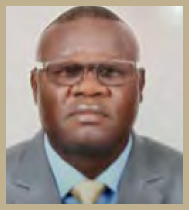 Smith Magny
 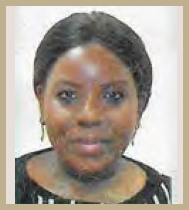 Faith Matlhogonolo Moruti
  Eranie V. Portillo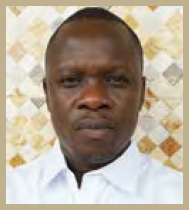

We hear and hear mention
of the World Economic
Forum in Davos and we ask
ourselves: What is done there
that has such an impact?
The Davos World Economic
Forum is an annual meeting
held in Davos, Switzerland,
where businessmen, politicians,
civil society, and entrepreneurs
attend to analyze
the global economic situation
in the face of the challenges it
faces at the time it’s celebrates.
The founder of this organization
is the German Klaus
Schwab, Engineer and Economist
born in 1938; he holds
a Summa Cum Laude PhD in
Economics from the University
of Freiburg, a PhD in Engineering
from the Swiss Federal
Institute of Technology, and a
Master of Public Administration
from Harvard University.
In 1971 he founded the
European Business Administration
Forum, which became
the World Economic Forum in
1987. The Forum is a nonprofit
Foundation. The Forum
is recognized by Switzerland as
an international organization.
The Forum has offices in Tokyo,
Beijing, and New York. It
has a website: www.weforum.org
According to Schwab, companies
must serve all stakeholders,
not just shareholders;
This is his basic thought.
Society must receive benefits
from companies, not just
shareholders. His principle
is: The economics of the
interested parties. He is recognized as the creator of
the concept of the Fourth
Industrial Revolution.
Society and business relationships
are already different.
“This Fourth Industrial
Revolution is, however, fundamentally
different, according
to Schwab. It’s characterized
by a range of new technologies
that are merging the physical,
digital, and biological worlds,
impacting all disciplines,
economies and industries, and
even challenging ideas about
what it means to be human. In
this sense we can talk about
aspects such as the Internet of
things, biotechnology and new
modes of production that tend
towards greater robotization
and integration of knowledge
from different branches with
technology as fundamental
aspects of this revolution.” Who
is Klaus Schwab and what have been his
contributions to the economy? 09/02/2020
https://muyfinanciero.com/biografias/economistas/
klaus-schwab/
We are living in a world that is
like the one Schwab describes:
new modes of production with
their robotization and technologies
that merge different
worlds and act on different
knowledge. Let’s see what this
last Forum held from January 15 to 19, 2024 was about.
The 1000 companies associated
with the Forum, 100 governments,
experts and leaders
of society were present.The
theme of this Forum was Rebuilding
trust.
“Davos 2024 is the 54th
annual meeting of the World
Economic Forum. Under the
theme Rebuilding Trust, the
meeting aims to restore collective
agency and reinforce
the fundamental principles of
transparency, coherence, and
accountability among leaders”.
World Economic Forum- Davos 2024: Who
is coming and what to expect- 03/01/2024
https://es.weforum.org/agenda/2024/01/
davos-2024-quien-viene-y-que-esperar/
The Forum was held with 4
basic themes:
1. Achieve security and
cooperation in a fractured
world. Identify the areas in
which cooperation is necessary to achieve a scenario in which
everyone benefits.
2. Create growth and employment
for a new era. Since
traditional measures seem to
fail to achieve ways to maximize
synergies and minimize
trade-offs.
3. Artificial intelligence as
a driver of the economy and
society. The use of artificial intelligence
for the benefit of all.
4. A long-term strategy for
climate, nature, and energy.
The way to achieve a social
consensus for nature in 2050.
The conclusions can be
identified with the following
concepts.
1. Leaders must join forces.
2. Projections are not destiny.
3. Humans are going to have
better tools.
4. Urgency is our only salvation.
World Economic Forum- Davos 2024: Who
is coming and what to expect- 03/01/2024.
https://es.weforum.org/agenda/2024/01/
davos-2024-quien-viene-y-que-esperar/
Given the participation of
world leaders, the United Nations
Organization, UN, also
had its participant who was
his Secretary General, António
Guterres. In his speech, the UN
Secretary General let us know
that: “In the face of serious,
even existential, threats posed
by runaway climate chaos
and runaway development of Artificial Intelligence without
guardrails, we seem powerless
to act”. UN - Davos 2024: Discurso
especial de António Guterres de la ONU |
Foro Económico Mundial (weforum.org)
01/17/2024
What we are experiencing
goes beyond the limits of any
reasoning; We see everywhere
the consequences of the use
of fossil fuels, hunger, hate
speech and misinformation,
which is why the theme of Forum
2024 was Rebuilding trust.
He also said that: “The fossil
fuel industry just launched
another multibillion-dollar
campaign to slow progress
and keep oil and gas flowing
indefinitely”. UN - Davos 2024:
Discurso especial de António Guterres de la
ONU | Foro Económico Mundial (weforum.
org) 01/17/2024
He also tells us that there is
no global strategy for the use
of Artificial Intelligence, only
economic benefit. We must
add disinformation and hate
speech, topics that the UN has
previously dealt with.
What can we ask ourselves
is the reason why everything is
in the conditions in which we
live? Guterres says: “We see an
epidemic of impunity around
the world. We see some countries
doing whatever it takes to
promote their own interests at
all costs”. ONU - Davos 2024: Discurso
especial de António Guterres de la ONU |
Foro Económico Mundial (weforum.org)
01/17/2024 What we are experiencing
is more and more conflicts
because interests are more important
than human life, knowing
that for this to be possible
we need our planet Earth. The
UN, being aware of the way in
which The Sustainable Development
Goals are being achieved,
has a group of experts to
promote them. This group was
created on January 21, 2016.
The UN is also going to hold
an International Summit
on September 22 and 23, 2024,
the objective of which is to find
“Multilateral solutions for a better
tomorrow”. https://www.un.org/es/
summit-of-the-future
From what we worked on in
Davos we must ask ourselves:
Can we remain impassive
in a world with the needs
that are manifested?
Hate speech and misinformation
will not end by the
laws that are imposed because
the owners, who have great
fortunes, will look for a way to
continue making money; it will
end when human beings learn
to live with each other and give
value to knowing instead of
sinking the other and instead
of misinformation, relation
with the truth.
Science will continue
forward; human
beings will learn
from the results of
what they are doing
at this moment.
What we must do as a world,
as a society, is to study if
we want to have a satisfactory
existence.
Can we stay as if nothing
happened and believe that we
will have a chance at a job?
Could we obtain basic services?
You are carrying out a program
at Atlantic International
University (AIU), if you want
to change your life, you have
to study, only this way will it
be possible.
BIBLIOGRAPHY. Foro Económico Mundial. La IA será un tema candente
en Davos 2024: esto es lo que dicen los expertos. 12/01/2024.
https://es.weforum.org/agenda/2024/01/la-ia-sera-un-tema-candente-endavos-
2024-esto-es-lo-que-dicen-los-expertos/ | Muy Financiero. ¿Quién
es Klaus Schwab y cuáles han sido sus aportes a la economía?
09/02/2020. https://muyfinanciero.com/biografias/economistas/klaus-schwab/
| ONU –Cumbre del Futuro. https://www.un.org/es/summit-of-the-future |
ONU -Davos 2024: Special Address by António Guterres, Secretary
General of the United Nations. 01/17/2024. https://www.weforum.org/
agenda/2024/01/davos-2024-special-address-by-antonio-guterres-secretarygeneral-
of-the-united-nations/ | ONU –Davos 2024: Discurso especial
de António Guterres de la ONU / Foro Económico Mundial (weforum.
org) 01/17/2024 | ONU –Grupo de Promotores de los Objetivos de
Desarrollo Sostenible. https://www.un.org/sustainabledevelopment/es/
sdgadvocates/ | World Economic Forum –Davos 2024: Quién viene
y qué esperar. 03/01/2024. https://es.weforum.org/agenda/2024/01/
davos-2024-quien-viene-y-que-esperar/
P.S. The bibliography carried out in Spanish has the date data for Spanish.

REDD+ est un mécanisme
international encadré par
les négociations internationales
sur le changement climatique
afin d’encourager les
pays en voie de développement
qui protègent et restaurent
leurs stocks de carbone forestier.
L’avènement de ce mécanisme
a rapidement poussé
les praticiens du domaine à
poser la problématique de la
gestion des données tant au
niveau mondial qu’à l’échelle
des pays.
(Alter, 1991) Un système
d’information est un ensemble
de composants interconnectés
qui travaillent ensemble pour
collecter, traiter, stocker et
diffuser des données dans un
but précis. Ces composants
peuvent inclure des matériels
(comme des ordinateurs, des
serveurs, des équipements de
stockage, etc.), des logiciels
(comme des systèmes d’exploitation,
des applications,
des bases de données, etc.)
et des données (comme des informations sur les clients,
les produits, les transactions,
etc.). Le but d’un système
d’information est d’aider les
entreprises et les organisations
à prendre des décisions
en fournissant des informations
précises et à jour. Cette
définition a le mérite de mettre
l’accent sur les quatre principaux
rôles joués par le SI et sur
les ressources déployées.
Nous souhaitons la compléter
par celle de (Reix et
Rowe, 2002): «Un système
d’information est un ensemble
d’acteurs sociaux qui mémorisent
et transforment des
représentations via des technologies
de l’information et
des modes opératoires».
1. Systèmes d’information
et REDD+
Un système national d’information
sur le REDD+ peut être
considéré un ensemble de procédures
et de ressources matérielles,
logicielles et humaines
en interaction pour traiter,
stocker et diffuser les données
relatives à l’inscription,
l’approbation, la validation et
le contrôle des projets dans le
but de produire une information
de qualité et en quantité
suffisante destinée à alimenter
les processus décisionnels
opérationnels et de pilotage de
la REDD+ mais aussi destinée à
un public diversifié.
Au coeur de ce système d’information
se trouve une base
de données centrale appelle
registre national REDD+. Il se
définit comme une infrastructure
électronique conçue pour
gérer de manière transparente,
fiable et efficiente les données
de la REDD+. C’est aussi
un répertoire public destiné à
recevoir l’information liée à
la procédure d’homologation
des projets REDD+ dont on
désire garder la trace afin d’en
attester l’exactitude.
2. Principes directeurs
des Systèmes d’information
REDD+
Principe 1: Un outil à base
documentaire relié aux activités
REDD+ sur le terrain
Il contient des données liées
à de l’inscription des projets
et de leurs partenaires mais
aussi prendrait en compte
les fiches PIN et les PDD des
projets ainsi que d’autres
éléments relatifs à l’approbation,
la validation et le
contrôle des projets REDD+.
Les étapes les plus déterminantes
sont matérialisées
dans le système par des
documents scannés à joindre
traduisant le besoin de
transparence et de consultation
des différentes parties
prenantes.
Principe 2: Un instrument
qui répond au besoin de
centraliser et d’informer
sur les financements drainés
par le REDD+
La procédure d’enregistrement
des projets REDD+ est
un bon moyen de collecte des
informations financière des
projets REDD+.
Principe 3: Une procédure
qui commence par l’inscription
du projet et de ses
partenaires
Le concept relativement
récent de la REDD+ impose le
besoin d’identification des
acteurs (afin de répondre à
la question du qui?) et des
projets (pour répondre à la
question du quoi?). La prise
en compte de ce principe par
le système d’information sur
la REDD+ contribue à doter
structure nationales de coordination
de base de données
d’acteurs et de projets REDD+.
Ce principe permet également
de vérifier le statut légal des
partenaires ainsi que l’origine
des fonds.
Principe 4: Une réponse
au besoin de transparence,
de fiabilité et de célérité
traduite par une mise en
ligne de la procédure d’inscription,
d’approbation, de
validation et de contrôle des
projets REDD+
Les promoteurs de projets
REDD+ sont de véritables
«artisans» des activités
visant à réduire des émissions
de gaz à effet de serre liées
à la déforestation, à réduire
des émissions de gaz à effet
de serre liées à la dégradation
forestière, à conserver des
stocks de carbone forestier, à
gérer durablement des stocks
de carbone forestier, et à accroitre
des stocks de carbone forestier. A ce titre, la transparence
est de mise pour les
promoteurs s’engageant dans
des activités de cette nature.
Les quatre principales étapes
à franchir sont l’inscription,
l’approbation, la validation
et les contrôles. L’ensemble
de ces étapes s’exécutent par
le biais des rôles savamment
répartis entre le promoteur
de projet, coordinations
nationales et éventuellement
une entité qui aura la charge
de l’encaissement des frais
d’enregistrement lorsqu’ils
existent.
Principe 5: Un instrument
simple avec une alternative
manuelle pour parer au
faible taux de pénétration
d’Internet dans certains
pays et aux éventuels problèmes
d’énergie électrique
La simplicité du système
automatisé basé sur Internet
doit résider dans une
conception qui se rattache aux
étapes évoquées au principe 4:
inscription, approbation, validation
et contrôle. La simplicité
sera aussi assurée par une
application informatique facile
à utiliser, donc avec des menus
programmés pour toutes
les fonctions rattachées aux
quatre étapes sus évoquées.
Afin de pallier au faible taux
de pénétration d’internet de
certains pays, une alternative
du système permettant
de travailler hors ligne est
en général la bienvenue. Ceci
évitera de réduire les périodes
d’opération des différents
acteurs sur le système.
Principe 6: Une fonction
de traçabilité active qui
tient une main courante
et informe de manière
progressive les acteurs
pré-identifiés sur le niveau
d’avancement de la
procédure
La chaîne d’inscription, d’approbation,
de validation et de
contrôle des projets REDD+
s’articule autour de plusieurs
acteurs qui méritent chacun
d’être informé de manière
progressive. Le porteur de
projet est informé aussitôt
sa demande de recevabilité
acceptée ou rejeté. Il en est de
même de sa demande d’approbation
ou de la validation
de ses performances.
La version automatisée de la
procédure des projets pilote
dispose d’un «agent programmé
» capable de délivrer des
messages en s’appuyant sur
une base de référence régissant
les destinataires desdits
messages à divers niveaux de
la procédure. D’où la nécessité
de garder la trace des messages
délivrés à l’endroit d’une
demande d’un projet.
La notion de traçabilité
active fait intervenir la notion
de temps qui doit permettre
de ne pas avoir des étapes ou
des sous-étapes qui durent
indéfiniment au risque de créer
des pesanteurs à la procédure.
Les sous étapes et les étapes
doivent disposer des délais
officiellement prescrits par la
procédure, avec des mesures
pour faire avancer la procédure.
Principe 7: Une procédure
déclarative et
responsabilisante
Le système offre la possibilité
au promoteur de projet
d’introduire par ses propres
soins les données de son projet
dans le système, ce qui le rend
responsable des données qu’il
publie. Au-delà, de l’initialisation
de la procédure qui est
faite par le promoteur de projet
REDD+, il y aura plusieurs
autres étapes de procédures
pour lesquelles l’intervention
du promoteur de projet REDD+
sera requise afin de faire avancer
la procédure.
Principe 8: Une structure de
données unique pour la collecte
au sein d’une base de
données relationnelles accessible
par tous les acteurs
Ce principe permet d’uniformiser
la collecte des données
des projets REDD+ et facilitent
leur analyse. Au-delà, les
initiatives de projets REDD+
méritent également de disposer
d’une structure de collecte des
données particulière, avec des
rubriques de données échappant
aux contraintes propres
aux projets REDD+.
Principe 9: Un système doté
de plusieurs aspects relatifs
à l’information géographique
Chaque projet REDD+ est assis
sur un territoire sur lequel le
porteur de projet et ses partenaires
entendent intervenir pour modifier les dynamiques
de déforestation et/ou de dégradation
forestière et/ou augmenter
les stocks de carbone
forestier. Il ne se réduit pas
aux espaces boisés éligibles à
l’octroi de crédit carbone mais
doit permettre la mise en place
d’activités alternatives sur les
zones non boisées.
Les zones d’octroi de crédits
carbone sont des surfaces éligibles
à la valorisation carbone
REDD+. Elle correspond à toutes
les surfaces boisées qui se
trouvent dans le périmètre du
projet et qui sont soumises à un
risque de déforestation ou de
dégradation dont la démonstration
peut être faite. Elles seront
généralement distinguées en
strates en fonction du type et
de la condition de la forêt, mais
toutes devront répondre à la
définition CCNUCC de la forêt
et à la définition nationale de
la forêt. Ce sont sur ces zones
que l’on tentera de réduire la
déforestation et la dégradation
ou que l’on tentera d’augmenter
les stocks de carbone.
La superficie de la zone de
fuite dépendra de la stratégie
d’intervention et de la
méthodologie utilisée et devra
être validée par un auditeur externe
selon un standard carbone
nationalement et internationalement
reconnu. La zone de
fuite correspond donc à la zone
géographique dans laquelle les
agents et causes de la déforestation
et de la dégradation
peuvent se déplacer suite à la
mise en oeuvre du projet.
La zone de référence est
la zone témoin sur laquelle
le porteur de projet et ses
partenaires vont se baser pour
établir ou actualiser le(s) niveau(
x) de référence du projet.
La zone de référence englobe
à la fois le périmètre de projet
et la zone de fuite avant que
le projet n’ait commencé,
mais les exclue une fois qu’il a
débuté. La superficie de la zone
de référence dépendra de la
méthodologie utilisée et devra
être validée par un auditeur
externe selon un standard
carbone nationalement et internationalement
reconnu.
Le périmètre du projet, la
zone d’octroi des crédits, la
zone de fuite et la zone de
référence sont dignes d’intérêt
pour une autorité nationale
de coordination et constituent
des zones qui donnent au système
national d’information
sur la REDD+ plusieurs dimensions
géographiques. Plusieurs
analyses spatiales s’effectueront
sur les cartes des zones
sus évoquées en combinaison
d’autres cartes. Ces analyses
pourront se faire directement
à l’intérieur du système
automatisé ou en dehors via
d’autres logiciels.
Principe 10: Un système
à maintenir soit via des
frais d’enregistrement et
d’homologation des projets,
le budget des CN-REDD ou
toute autre source.
Au regard des neuf principes
sus évoqués, la mise en
place d’un système national
d’information sur la REDD+
nécessite d’un investissement
minimal pour la conception
et le développement informatique
du système sans compter
les coûts relatifs à la formation,
au déploiement et à sa
maintenance. Il se pose donc
la question du qui paye?
3. Conclusion
Cet article a pour objectif de
clarifier les problématiques
concernant la conception des
systèmes nationaux d’information
sur le REDD+ dans
les pays du Bassin du Congo
à travers des expériences
pratiques issues des efforts
de gestion des données issues
du processus REDD+ portant
majoritairement sur les approches
processuelles, le tout
sur une période d’une dizaine
d’années. Dans un premier
temps, nous avons fourni une
définition sur les systèmes
d’information sur le REDD+
et dans un second temps formulé
des principes directeurs
pouvant être considérés pour
des pays désirant s’engager
dans une démarche de mise en
place des systèmes nationaux
d’information sur le REDD+.
BIBLIOGRAPHY. CCNUCC. (s.d.). REDD+ platform. Récupéré sur https://redd.
unfccc.int/info-hub.html: https://redd.unfccc.int/info-hub.html | Tchikangwa.
Yaounde. Reix et Rowe. (2002). p. 11.
 Teacher shortages are a global phenomenon,
according to a report by
UNESCO. While the problem is sometimes
associated with aging societies
which have to compensate for teacher
retirements, the world’s still-growing
regions on the other hand are due to
hire a lot of entirely new teacher positions
by 2030. ...
Europe and North America are looking
to hire the third-most teachers out
of seven world regions analyzed, at 4.8
million by 2030. The majority of these
are positions replacing teachers who
are retiring or leaving the profession.
All in all, new hires needed until 2030
represent 38% of 2022 teacher stock in
the region. The situation is similar in
Southeast Asia as well as Latin America
and the Caribbean. Eastern Asia, which
is looking to hire replacement and new teachers, is only looking at 21% of 2022
teacher stock in new hires needed.
The situation is entirely different in
Subsaharan Africa and Southern Asia,
where more new teacher positions need
to be filled as the regions’ populations
are still growing. In the former region,
projected hires represent 178% of 2022
teacher stock, while hire projections for
new teaching positions alone already
surpass the number of teachers the
region had in 2022. ...
According to UNESCO, countries with
growing populations need to make improvements
to the attractiveness of the
teaching profession to hire and retain
teaching professionals. ...
Read full text:
Teacher shortages are a global phenomenon,
according to a report by
UNESCO. While the problem is sometimes
associated with aging societies
which have to compensate for teacher
retirements, the world’s still-growing
regions on the other hand are due to
hire a lot of entirely new teacher positions
by 2030. ...
Europe and North America are looking
to hire the third-most teachers out
of seven world regions analyzed, at 4.8
million by 2030. The majority of these
are positions replacing teachers who
are retiring or leaving the profession.
All in all, new hires needed until 2030
represent 38% of 2022 teacher stock in
the region. The situation is similar in
Southeast Asia as well as Latin America
and the Caribbean. Eastern Asia, which
is looking to hire replacement and new teachers, is only looking at 21% of 2022
teacher stock in new hires needed.
The situation is entirely different in
Subsaharan Africa and Southern Asia,
where more new teacher positions need
to be filled as the regions’ populations
are still growing. In the former region,
projected hires represent 178% of 2022
teacher stock, while hire projections for
new teaching positions alone already
surpass the number of teachers the
region had in 2022. ...
According to UNESCO, countries with
growing populations need to make improvements
to the attractiveness of the
teaching profession to hire and retain
teaching professionals. ...
Read full text:
 In 2020 Pakistan was under a Covid-
19 lockdown, and Asif, who had
just graduated with a master’s degree in
project management, was struggling to
find a job. Chinese video-sharing apps
like TikTok and Bigo Live were desperately
scouting for content moderators
in Pakistan. The platforms wanted to
hire locally to appease the government,
which had accused them of circulating
“obscene” and “unlawful” content.
Through LinkedIn, Asif landed a job
as a content moderator at Bigo Live.
“I didn’t think much of it at the time,
because I just wanted a job,” he told
Rest of World, requesting a pseudonym
because he feared reprisal for breaking
a nondisclosure agreement with
his employer. But the stopgap job has
now become his career —one he never
wanted, and which he is unable to
exit despite attempts. “Everyone who
works in this field is there because
they have no choice. It’s something
you end up in, and then you are just
stuck,” said Asif...
Over a dozen Pakistani professionals
who worked in content moderation jobs
as a temporary resort due to a lack of
employment options told Rest of World
they were stuck in a career that was
unfulfilling —one that felt like working
at a “sweatshop,” because their experience
was not transferable. They have
degrees in project management, environmental
science, engineering, and
business administration, and believe
that working as content moderators
has stunted their careers. ...
Read full text:
In 2020 Pakistan was under a Covid-
19 lockdown, and Asif, who had
just graduated with a master’s degree in
project management, was struggling to
find a job. Chinese video-sharing apps
like TikTok and Bigo Live were desperately
scouting for content moderators
in Pakistan. The platforms wanted to
hire locally to appease the government,
which had accused them of circulating
“obscene” and “unlawful” content.
Through LinkedIn, Asif landed a job
as a content moderator at Bigo Live.
“I didn’t think much of it at the time,
because I just wanted a job,” he told
Rest of World, requesting a pseudonym
because he feared reprisal for breaking
a nondisclosure agreement with
his employer. But the stopgap job has
now become his career —one he never
wanted, and which he is unable to
exit despite attempts. “Everyone who
works in this field is there because
they have no choice. It’s something
you end up in, and then you are just
stuck,” said Asif...
Over a dozen Pakistani professionals
who worked in content moderation jobs
as a temporary resort due to a lack of
employment options told Rest of World
they were stuck in a career that was
unfulfilling —one that felt like working
at a “sweatshop,” because their experience
was not transferable. They have
degrees in project management, environmental
science, engineering, and
business administration, and believe
that working as content moderators
has stunted their careers. ...
Read full text:
 A team of physicists at MIT have captured
the phenomenon of “second
sound” in direct images for the first
time. [Paper published in www.science.
org] In usual materials, heat prefers to
spread out from a localized source until
it dissipates into its surroundings. But
in certain materials, this is not the case.
This includes superfluids, a state of
matter caused by cooling atoms to extremely
low temperatures. In this state,
the superfluid can flow infinitely with
no loss of energy or viscosity.
In superfluids, which have plenty of
other strange properties to boast of, heat
does not move in the same way. Instead,
in this friction-free state, physicists predicted
heat would propagate as a wave,
known as “second sound”.
“It’s as if you had a tank of water and
made one half nearly boiling,” Assistant
Professor Richard Fletcher explained in
a press release. “If you then watched,
the water itself might look totally calm,
but suddenly the other side is hot, and
then the other side is hot, and the heat
goes back and forth, while the water
looks totally still.” Capturing the movement
of heat in such fluids is tricky,
as they give off no infrared radiation.
However, the team found that lithium-6
fermions resonate at different frequencies
depending on their temperature.
This allowed them to track the movement
of resonating fermions, revealing
the heat was moving like sound waves.
...
A team of physicists at MIT have captured
the phenomenon of “second
sound” in direct images for the first
time. [Paper published in www.science.
org] In usual materials, heat prefers to
spread out from a localized source until
it dissipates into its surroundings. But
in certain materials, this is not the case.
This includes superfluids, a state of
matter caused by cooling atoms to extremely
low temperatures. In this state,
the superfluid can flow infinitely with
no loss of energy or viscosity.
In superfluids, which have plenty of
other strange properties to boast of, heat
does not move in the same way. Instead,
in this friction-free state, physicists predicted
heat would propagate as a wave,
known as “second sound”.
“It’s as if you had a tank of water and
made one half nearly boiling,” Assistant
Professor Richard Fletcher explained in
a press release. “If you then watched,
the water itself might look totally calm,
but suddenly the other side is hot, and
then the other side is hot, and the heat
goes back and forth, while the water
looks totally still.” Capturing the movement
of heat in such fluids is tricky,
as they give off no infrared radiation.
However, the team found that lithium-6
fermions resonate at different frequencies
depending on their temperature.
This allowed them to track the movement
of resonating fermions, revealing
the heat was moving like sound waves.
...
 Vertex Pharmaceuticals announced
that its non-opioid pain treatment
VX-548 aced three Phase III studies,
inducing significant pain reductions in
surgical and non-surgical settings.
Two of these late-stage studies
assessed VX-548 in patients who had
undergone either an abdominoplasty
or a bunionectomy. In both cases, the
candidate was primarily evaluated according
to the time-weighted sum of
the pain intensity difference from 0 to
48 hours after surgery (SPID48). Compared
with placebo, VX-548 improved
SPID48 scores among abdominoplasty
patients, an effect that was highly
statistically significant with a p-value
less than 0.0001, according to Vertex’s
announcement. The non-opioid pain
reliever had a similarly strong effect in the bunionectomy trial, with a p-value
of 0.0002, the company said. Both
abdominoplasty and bunionectomy patients
also reported a “clinically meaningful
reduction in pain” 48 hours after
VX-548 treatment, as measured by the
Numeric Pain Rating Scale (NPRS).
In addition, VX-548 demonstrated a
more rapid onset of meaningful pain
relief than placebo. Abdominoplasty
patients reported that they felt the pain
treatment take effect after a median
of two hours, while the median onset
in the bunionectomy study was four
hours. By comparison, those taking a
placebo experienced pain relief after a
median of eight hours. ...
Read full text
Vertex Pharmaceuticals announced
that its non-opioid pain treatment
VX-548 aced three Phase III studies,
inducing significant pain reductions in
surgical and non-surgical settings.
Two of these late-stage studies
assessed VX-548 in patients who had
undergone either an abdominoplasty
or a bunionectomy. In both cases, the
candidate was primarily evaluated according
to the time-weighted sum of
the pain intensity difference from 0 to
48 hours after surgery (SPID48). Compared
with placebo, VX-548 improved
SPID48 scores among abdominoplasty
patients, an effect that was highly
statistically significant with a p-value
less than 0.0001, according to Vertex’s
announcement. The non-opioid pain
reliever had a similarly strong effect in the bunionectomy trial, with a p-value
of 0.0002, the company said. Both
abdominoplasty and bunionectomy patients
also reported a “clinically meaningful
reduction in pain” 48 hours after
VX-548 treatment, as measured by the
Numeric Pain Rating Scale (NPRS).
In addition, VX-548 demonstrated a
more rapid onset of meaningful pain
relief than placebo. Abdominoplasty
patients reported that they felt the pain
treatment take effect after a median
of two hours, while the median onset
in the bunionectomy study was four
hours. By comparison, those taking a
placebo experienced pain relief after a
median of eight hours. ...
Read full text
 The launch of a lawn mower signifies
Dreame’s expansion from
indoor to outdoor home cleaning
scenarios. The Dreame Roboticmower
A1 ushers in a new era of hands-free
lawn mowing, saving homeowners up
to 200 hours a year of tedious work,
lowering their landscaping costs over
time and enabling them to enjoy other
activities. It incorporates several of the
company’s breakthrough technologies,
including its patented 3D high precision
laser sensor technology, OmniSense 3D
Ultra Sensing System and U Path Planning
Program.
The Dreame Roboticmower A1’s
signal stays strong and stable even in
challenging environments with obstacles
such as trees, houses and even
darkness. Even in complex outdoor
environments, the OmniSense system
can effectively penetrate obstructions
like houses and trees without sacrificing
signal stability. ...
Read full text:
The launch of a lawn mower signifies
Dreame’s expansion from
indoor to outdoor home cleaning
scenarios. The Dreame Roboticmower
A1 ushers in a new era of hands-free
lawn mowing, saving homeowners up
to 200 hours a year of tedious work,
lowering their landscaping costs over
time and enabling them to enjoy other
activities. It incorporates several of the
company’s breakthrough technologies,
including its patented 3D high precision
laser sensor technology, OmniSense 3D
Ultra Sensing System and U Path Planning
Program.
The Dreame Roboticmower A1’s
signal stays strong and stable even in
challenging environments with obstacles
such as trees, houses and even
darkness. Even in complex outdoor
environments, the OmniSense system
can effectively penetrate obstructions
like houses and trees without sacrificing
signal stability. ...
Read full text:
 Local studio Roth Architecture has
built an organically shaped creative
lab in Tulum made of concrete
and palm fibre with a form driven by
“nature’s artistic wills”. Called the
Fab Lab, the project is located in the
Yucatán peninsula [Mexico]. The space
serves the Roth Architecture studio as an
office and maker space.
“We create driven by nature’s patterns
and artistic wills,” said the studio.
“The inspiration for this building
is the organic, irregular, yet harmonic
forms we find in nature itself”.
“The spaces are distributed as independent
buildings to adapt to the site.
The central module rises in a meandering
form, providing a visual impact
of dynamism.” Made of reinforced
concrete and steel, the Fab Lab’s narrow
structure was wound through its jungle site and in some places wrapped
directly around trees, with trunks
exposed to the interior. Bulbous forms
were distributed along the length of
its body. ...
Local studio Roth Architecture has
built an organically shaped creative
lab in Tulum made of concrete
and palm fibre with a form driven by
“nature’s artistic wills”. Called the
Fab Lab, the project is located in the
Yucatán peninsula [Mexico]. The space
serves the Roth Architecture studio as an
office and maker space.
“We create driven by nature’s patterns
and artistic wills,” said the studio.
“The inspiration for this building
is the organic, irregular, yet harmonic
forms we find in nature itself”.
“The spaces are distributed as independent
buildings to adapt to the site.
The central module rises in a meandering
form, providing a visual impact
of dynamism.” Made of reinforced
concrete and steel, the Fab Lab’s narrow
structure was wound through its jungle site and in some places wrapped
directly around trees, with trunks
exposed to the interior. Bulbous forms
were distributed along the length of
its body. ...
 Introducing the Zera Cooling Crescent
—designed by Aphra Hallam,
a BA Industrial Design and Technology
graduate from Brunel University
London—, a compact wearable cooling
device designed to adhere to the back
of your neck using reusable silicone. ...
“The Zera Cooling Crescent employs
thermoelectric technology through a
Peltier Module, enabling the cooling
mechanism in the device. It features a
silicone casing with an aluminum strip
underneath to ensure efficient distribution
of the cooling sensation across
the neck. The Cooling Crescent attaches
to the back of the neck using reusable
silicone gel and can be activated via
Bluetooth using the Zera app. Additionally,
the device supports wireless
charging and can be conveniently
charged throughout the day using its
accompanying charging case.” explains
Aphra Hallam...
Read full text
Introducing the Zera Cooling Crescent
—designed by Aphra Hallam,
a BA Industrial Design and Technology
graduate from Brunel University
London—, a compact wearable cooling
device designed to adhere to the back
of your neck using reusable silicone. ...
“The Zera Cooling Crescent employs
thermoelectric technology through a
Peltier Module, enabling the cooling
mechanism in the device. It features a
silicone casing with an aluminum strip
underneath to ensure efficient distribution
of the cooling sensation across
the neck. The Cooling Crescent attaches
to the back of the neck using reusable
silicone gel and can be activated via
Bluetooth using the Zera app. Additionally,
the device supports wireless
charging and can be conveniently
charged throughout the day using its
accompanying charging case.” explains
Aphra Hallam...
Read full text
 For years, researchers have studied
the science behind eating for pleasure.
Their findings are intriguing and
largely encouraging. Physiologically, the
pleasure people derive from food occurs
both in our mouths and in our brains.
“Pleasure of any kind, including
pleasure from food, leads to a release of
dopamine in the brain,” explains therapist
and dietitian Aleta Storch. “Dopamine
is often referred to as the ‘feel good
hormone’ because it activates the reward
pathways in the brain, which helps to
promote happiness, calmness, motivation,
and focus,” she says. In fact, some
older 2011 research indicates that people
with obesity may have disrupted dopamine
sensitivity, leading them to overeat
to achieve adequate pleasure from food.
When brain chemistry is working properly our enjoyment of food can
lead to physical benefits. “When we
enjoy the food we are eating and
stimulate dopamine, we actually digest
and metabolize it more effectively,”
says Storch. “When we’re relaxed in
response to having a pleasurable eating
experience, our nervous system goes
into rest and digest mode, which allows
us to fully break down and utilize the
nutrients from the foods we eat.”
Eating for pleasure could promote
healthier eating too. A review from
2020 examined 119 studies about the
connection between food enjoyment
and a healthy diet. 57% found favorable
associations between eating pleasure
and dietary outcomes. ...
For years, researchers have studied
the science behind eating for pleasure.
Their findings are intriguing and
largely encouraging. Physiologically, the
pleasure people derive from food occurs
both in our mouths and in our brains.
“Pleasure of any kind, including
pleasure from food, leads to a release of
dopamine in the brain,” explains therapist
and dietitian Aleta Storch. “Dopamine
is often referred to as the ‘feel good
hormone’ because it activates the reward
pathways in the brain, which helps to
promote happiness, calmness, motivation,
and focus,” she says. In fact, some
older 2011 research indicates that people
with obesity may have disrupted dopamine
sensitivity, leading them to overeat
to achieve adequate pleasure from food.
When brain chemistry is working properly our enjoyment of food can
lead to physical benefits. “When we
enjoy the food we are eating and
stimulate dopamine, we actually digest
and metabolize it more effectively,”
says Storch. “When we’re relaxed in
response to having a pleasurable eating
experience, our nervous system goes
into rest and digest mode, which allows
us to fully break down and utilize the
nutrients from the foods we eat.”
Eating for pleasure could promote
healthier eating too. A review from
2020 examined 119 studies about the
connection between food enjoyment
and a healthy diet. 57% found favorable
associations between eating pleasure
and dietary outcomes. ...
 IQ tests haven’t been around that
long. Early versions appeared in
France with the work of Alfred Binet
and Theodore Simon in 1905. However,
these tests didn’t become associated
with genius until the measure
moved from the Sorbonne to Stanford
University. There Professor Lewis M.
Terman had it translated from French
into English, and then standardized on
sufficient numbers of children, to create
what became known as the Stanford-
Binet Intelligence Scale [1916]. The
original motive behind these tests was
to get a diagnostic to select children at
the lower ends of the intelligence scale
who might need special education to
keep up with the school curriculum. But
then Terman got a brilliant idea: Why
not study a large sample of children who score at the top end of the scale?
Better yet, why not keep track of these
children as they pass into adolescence
and adulthood? Would these intellectually
gifted children grow up to become
genius adults? ... The result was the
monumental Genetic Studies of Genius.
These highly intelligent people are still
being studied today, or at least the
small number still alive. ...
Now comes the bad news: None of
them grew up to become what many
people would consider unambiguous
exemplars of genius. Their extraordinary
intelligence was channeled into
somewhat more ordinary endeavors
as professors, doctors, lawyers, scientists,
engineers, and other professionals.
...
Read full text:
IQ tests haven’t been around that
long. Early versions appeared in
France with the work of Alfred Binet
and Theodore Simon in 1905. However,
these tests didn’t become associated
with genius until the measure
moved from the Sorbonne to Stanford
University. There Professor Lewis M.
Terman had it translated from French
into English, and then standardized on
sufficient numbers of children, to create
what became known as the Stanford-
Binet Intelligence Scale [1916]. The
original motive behind these tests was
to get a diagnostic to select children at
the lower ends of the intelligence scale
who might need special education to
keep up with the school curriculum. But
then Terman got a brilliant idea: Why
not study a large sample of children who score at the top end of the scale?
Better yet, why not keep track of these
children as they pass into adolescence
and adulthood? Would these intellectually
gifted children grow up to become
genius adults? ... The result was the
monumental Genetic Studies of Genius.
These highly intelligent people are still
being studied today, or at least the
small number still alive. ...
Now comes the bad news: None of
them grew up to become what many
people would consider unambiguous
exemplars of genius. Their extraordinary
intelligence was channeled into
somewhat more ordinary endeavors
as professors, doctors, lawyers, scientists,
engineers, and other professionals.
...
Read full text:
 As Typhoon Haiyan howled into
the Philippines in November 2013,
people knew that a powerful storm was
coming, but they were not expecting a
typhoon with 196 mile per hour winds,
driving a storm surge up to 23 feet high.
Haiyan killed more than 6,300 people
and destroyed or damaged more than 1
million structures.
In the wreckage, aid workers found
that some people had died inside
shelters built to withstand the impacts
of Category 5 storms —also known as
“super typhoons”— which is currently
the highest rating on the danger scale.
But Haiyan’s top wind speeds and
storm surge were far stronger than any
previously recorded in the Philippines,
exceeding the Category 5 level by more
than 40 mph. Since 2013, there have
been several other storms of similar
magnitude, prompting some tropical
storm researchers to wonder whether
the well-known Saffir-Simpson hurricane
danger scale should be updated to
better warn of the increasing risks.
In new research published in the
Proceedings of the National Academies
of Sciences, researchers said they’ve
compiled evidence that the “openendedness”
of the scale is “increasingly
problematic for conveying wind risk in
a warming world” because it doesn’t
fully reflect the potential for impacts
from storms like Haiyan. In the paper,
James Kossin and Michael Wehner
described a potential Category 6 rating
for tropical storms with winds ...
Read full text:
As Typhoon Haiyan howled into
the Philippines in November 2013,
people knew that a powerful storm was
coming, but they were not expecting a
typhoon with 196 mile per hour winds,
driving a storm surge up to 23 feet high.
Haiyan killed more than 6,300 people
and destroyed or damaged more than 1
million structures.
In the wreckage, aid workers found
that some people had died inside
shelters built to withstand the impacts
of Category 5 storms —also known as
“super typhoons”— which is currently
the highest rating on the danger scale.
But Haiyan’s top wind speeds and
storm surge were far stronger than any
previously recorded in the Philippines,
exceeding the Category 5 level by more
than 40 mph. Since 2013, there have
been several other storms of similar
magnitude, prompting some tropical
storm researchers to wonder whether
the well-known Saffir-Simpson hurricane
danger scale should be updated to
better warn of the increasing risks.
In new research published in the
Proceedings of the National Academies
of Sciences, researchers said they’ve
compiled evidence that the “openendedness”
of the scale is “increasingly
problematic for conveying wind risk in
a warming world” because it doesn’t
fully reflect the potential for impacts
from storms like Haiyan. In the paper,
James Kossin and Michael Wehner
described a potential Category 6 rating
for tropical storms with winds ...
Read full text:
 SANTIAGO, Feb 6 (Reuters) — Survivors
of Chile’s recent deadly wildfires
described a hellish nightmare, a hurricane
of fireballs leaping from hill to hill,
lighting up everything within its path in
seconds. While the region faces wildfires
almost every year, the speed and lethality
of last week’s blaze was unprecedented.
At least 131 people were killed and
hundreds are still missing in what was
Chile’s worst natural disaster in years.
Scientists say the main driving factor
for such a devastating event is simple:
hotter temperatures.
Part of the reason the wildfires spread
so far and so quickly was high winds.
Raul Cordero, a climatologist at the
University of Santiago, says strong summer
winds are common in central Chile
since air coming down from the Andes mountain range and other elevated
areas compresses and heats up.
“What’s different this time is that the
temperatures were much higher than
before,” Cordero said. He noted the
region was going through a heat wave
likely caused by climate change and the
El Niño phenomenon, when unusually
warm water temperatures off the Pacific
coast of South America roil global
weather patterns.
Aside from the heat wave that brought
scorching temperatures to the Andean
nation, Chile has also been suffering
from a devastating drought for the last
15 years that helped fuel the wildfire.
...
Read full text:
SANTIAGO, Feb 6 (Reuters) — Survivors
of Chile’s recent deadly wildfires
described a hellish nightmare, a hurricane
of fireballs leaping from hill to hill,
lighting up everything within its path in
seconds. While the region faces wildfires
almost every year, the speed and lethality
of last week’s blaze was unprecedented.
At least 131 people were killed and
hundreds are still missing in what was
Chile’s worst natural disaster in years.
Scientists say the main driving factor
for such a devastating event is simple:
hotter temperatures.
Part of the reason the wildfires spread
so far and so quickly was high winds.
Raul Cordero, a climatologist at the
University of Santiago, says strong summer
winds are common in central Chile
since air coming down from the Andes mountain range and other elevated
areas compresses and heats up.
“What’s different this time is that the
temperatures were much higher than
before,” Cordero said. He noted the
region was going through a heat wave
likely caused by climate change and the
El Niño phenomenon, when unusually
warm water temperatures off the Pacific
coast of South America roil global
weather patterns.
Aside from the heat wave that brought
scorching temperatures to the Andean
nation, Chile has also been suffering
from a devastating drought for the last
15 years that helped fuel the wildfire.
...
Read full text:
 Maria Schneider is one of the
world’s most distinguished composers
for jazz orchestra, a key collaborator
for David Bowie and a seven-time
Grammy winner —but it’s likely that
you won’t have heard her work, and
never will. This is entirely by design. ...
Schneider has pursued lawsuits,
including a three-year battle to get
YouTube to let small copyright holders
access YouTube’s content ID system
to spot videos that infringe copyright
(that suit was dismissed in June 2023
just before it went to trial).
So it’s no surprise that the Maria
Schneider Orchestra’s 30th birthday retrospective,
Decades, like all her music,
isn’t available to stream. It’s not even
in record shops. The triple LP is available
exclusively through the crowdfunding
platform ArtistShare, the basket into which she put all her eggs more
than two decades ago.
The composer, conductor and pianist
began her advocacy as a reaction to the
beginnings of a “free buffet” of musical
content offered by sites such as Napster
and Limewire. “A lot of people early
on were like: ‘All musicians should
give their music away for free,’” she
says. “Excuse me? If you only knew
the financial investment, the time, the
heartache, the everything that goes into
making music.” ...
In a retaliation against filesharing,
the record producer Brian Camelio began
ArtistShare in 2000, with Schneider
as its first artist. As well as better cuts
for artists and more transparency about
who was consuming ...
Maria Schneider is one of the
world’s most distinguished composers
for jazz orchestra, a key collaborator
for David Bowie and a seven-time
Grammy winner —but it’s likely that
you won’t have heard her work, and
never will. This is entirely by design. ...
Schneider has pursued lawsuits,
including a three-year battle to get
YouTube to let small copyright holders
access YouTube’s content ID system
to spot videos that infringe copyright
(that suit was dismissed in June 2023
just before it went to trial).
So it’s no surprise that the Maria
Schneider Orchestra’s 30th birthday retrospective,
Decades, like all her music,
isn’t available to stream. It’s not even
in record shops. The triple LP is available
exclusively through the crowdfunding
platform ArtistShare, the basket into which she put all her eggs more
than two decades ago.
The composer, conductor and pianist
began her advocacy as a reaction to the
beginnings of a “free buffet” of musical
content offered by sites such as Napster
and Limewire. “A lot of people early
on were like: ‘All musicians should
give their music away for free,’” she
says. “Excuse me? If you only knew
the financial investment, the time, the
heartache, the everything that goes into
making music.” ...
In a retaliation against filesharing,
the record producer Brian Camelio began
ArtistShare in 2000, with Schneider
as its first artist. As well as better cuts
for artists and more transparency about
who was consuming ...
 Save a girl save a generation is a nongovernmental
organization fighting
against female genital mutilation (FGM),
exploitation of minors, against any form
of abuse and forced marriage of young
girls. Founded and led by women who
were themselves denied the right to
speak, the organization now seeks to
defend the rights of young girls.
Therefore, they felt the need to protect
other girls and women so that they
do not have to experience the same. It
was registered in Spain in 2007, but
had been working anonymously from
20 years earlier. The main focus has
been to publicize the reality of the experience
of girls and justify the need to
secure girls through a combined effort.
Female genital mutilation is the
removal of tissue from any part of the
female genitalia for cultural, religious or any other reasons without a medical
basis. The almost total loss of sensitivity
is the main consequence for those
affected, with the added psychological
trauma. There are women who bleed
to death or infection in the weeks after
the intervention, since it is almost
always done in a rudimentary way, by
healers or older women, and not very
orthodox tools such as crystals, knives
or razor blades.
According to the World Health Organization,
there are around 200 million
women in the world who have undergone
FGM and more than 3 million girls
are at risk of being subjected to this
practice each year. Most of these cases
occur in 30 countries —22 are on the
African continent, the Middle East and
some areas of Asia. ...
Save a girl save a generation is a nongovernmental
organization fighting
against female genital mutilation (FGM),
exploitation of minors, against any form
of abuse and forced marriage of young
girls. Founded and led by women who
were themselves denied the right to
speak, the organization now seeks to
defend the rights of young girls.
Therefore, they felt the need to protect
other girls and women so that they
do not have to experience the same. It
was registered in Spain in 2007, but
had been working anonymously from
20 years earlier. The main focus has
been to publicize the reality of the experience
of girls and justify the need to
secure girls through a combined effort.
Female genital mutilation is the
removal of tissue from any part of the
female genitalia for cultural, religious or any other reasons without a medical
basis. The almost total loss of sensitivity
is the main consequence for those
affected, with the added psychological
trauma. There are women who bleed
to death or infection in the weeks after
the intervention, since it is almost
always done in a rudimentary way, by
healers or older women, and not very
orthodox tools such as crystals, knives
or razor blades.
According to the World Health Organization,
there are around 200 million
women in the world who have undergone
FGM and more than 3 million girls
are at risk of being subjected to this
practice each year. Most of these cases
occur in 30 countries —22 are on the
African continent, the Middle East and
some areas of Asia. ...
 Stephen Fry has called for an end to
the use of real fur in the bearskin
caps worn by the King’s Guard on duties
such as guarding Buckingham Palace.
The actor has backed an animal welfare
campaign calling for fake fur to be used
rather than real bear fur.
“Tradition is never an excuse for
cruelty,” says Mr Fry, who is narrating
a video which shows undercover film of
how black bears are killed. The Ministry
of Defence says the bear fur is from
“legal and licensed hunts”.
Tall black bearskin hats are a familiar
sight at ceremonial military events, such
as the Changing of the Guard outside
Buckingham Palace. The King, who
is a keen environmentalist, and other
members of the Royal Family, are seen
wearing bearskins at parades such as Trooping the Colour. But Mr Fry wants to
“stop using the fur of slaughtered wildlife”
for such caps, arguing that there is
good quality artificial fur available.
He narrates a video for the animal
rights group, People for the Ethical Treatment
of Animals (PETA), which criticises
how bears are “mercilessly killed by
trophy hunters” and says their fur is
used “to make the caps worn by the
King’s Guard”. It takes at least one bear
to provide enough fur for each cap, says
Mr Fry, who was a guest at last May’s
Coronation.
A supporter of the animal welfare
group made an undercover video which
claims to show hunters putting down
buckets of strongly-scented food as bait,
and then shooting black bears ...
Stephen Fry has called for an end to
the use of real fur in the bearskin
caps worn by the King’s Guard on duties
such as guarding Buckingham Palace.
The actor has backed an animal welfare
campaign calling for fake fur to be used
rather than real bear fur.
“Tradition is never an excuse for
cruelty,” says Mr Fry, who is narrating
a video which shows undercover film of
how black bears are killed. The Ministry
of Defence says the bear fur is from
“legal and licensed hunts”.
Tall black bearskin hats are a familiar
sight at ceremonial military events, such
as the Changing of the Guard outside
Buckingham Palace. The King, who
is a keen environmentalist, and other
members of the Royal Family, are seen
wearing bearskins at parades such as Trooping the Colour. But Mr Fry wants to
“stop using the fur of slaughtered wildlife”
for such caps, arguing that there is
good quality artificial fur available.
He narrates a video for the animal
rights group, People for the Ethical Treatment
of Animals (PETA), which criticises
how bears are “mercilessly killed by
trophy hunters” and says their fur is
used “to make the caps worn by the
King’s Guard”. It takes at least one bear
to provide enough fur for each cap, says
Mr Fry, who was a guest at last May’s
Coronation.
A supporter of the animal welfare
group made an undercover video which
claims to show hunters putting down
buckets of strongly-scented food as bait,
and then shooting black bears ...
 Ireland —a nation synonymous with
its abundant, verdant landscapes—is
considering a nationwide referendum
on the rights of nature and the human
right to a healthy environment. If that
happens, Ireland would become the
first European country to constitutionally
recognize that ecosystems, similar
to humans and corporations, possess
legal rights. More than two-thirds of
the 27 European Union countries already
recognize a universal human right to a
healthy environment.
In December, a legislative committee
proposed that the Irish government
take a series of administrative measures
to draft proposed constitutional amendments
recognizing that nature has inherent
rights to exist, perpetuate and be
restored, and that humans have a right to
a clean environment and stable climate. To take legal effect, the proposed
amendments must be approved by both
houses of parliament, the Dáil Éireann
(the lower house) and the Seanad (the
upper house), and win a majority of the
popular vote.
The idea for the dual amendments
emanated from a March 2023 Citizens’
Assembly on Biodiversity Loss, which
produced more than 80 recommendations
aimed at addressing the mass
extinction of plants, animals and other
living beings. Human activity is driving
the annihilation of other species at an
unprecedented rate, with over 1 million
on the brink of extinction.
In 2019, Ireland declared a national
biodiversity emergency. More than 70%
of Irish peatlands are damaged ...
Ireland —a nation synonymous with
its abundant, verdant landscapes—is
considering a nationwide referendum
on the rights of nature and the human
right to a healthy environment. If that
happens, Ireland would become the
first European country to constitutionally
recognize that ecosystems, similar
to humans and corporations, possess
legal rights. More than two-thirds of
the 27 European Union countries already
recognize a universal human right to a
healthy environment.
In December, a legislative committee
proposed that the Irish government
take a series of administrative measures
to draft proposed constitutional amendments
recognizing that nature has inherent
rights to exist, perpetuate and be
restored, and that humans have a right to
a clean environment and stable climate. To take legal effect, the proposed
amendments must be approved by both
houses of parliament, the Dáil Éireann
(the lower house) and the Seanad (the
upper house), and win a majority of the
popular vote.
The idea for the dual amendments
emanated from a March 2023 Citizens’
Assembly on Biodiversity Loss, which
produced more than 80 recommendations
aimed at addressing the mass
extinction of plants, animals and other
living beings. Human activity is driving
the annihilation of other species at an
unprecedented rate, with over 1 million
on the brink of extinction.
In 2019, Ireland declared a national
biodiversity emergency. More than 70%
of Irish peatlands are damaged ...

 Handcrafted in
Barcelona, Spain, this graceful mobile is inspired
by the shapes of a vase showcasing delicate spring
flowers that swirl and float like leaves caught in a
gentle breeze. Made from colorful high-quality aluminum
alloy and mounted on hand-shaped rods.
store.moma.org
Handcrafted in
Barcelona, Spain, this graceful mobile is inspired
by the shapes of a vase showcasing delicate spring
flowers that swirl and float like leaves caught in a
gentle breeze. Made from colorful high-quality aluminum
alloy and mounted on hand-shaped rods.
store.moma.org
 True
100% blackout for deeper sleep. C-shaped
eye cups for side sleep comfort. Zero
pressure on eyelids or lashes. Advanced
ventilation and breathability. 100% machine
washable. mantasleep.com
True
100% blackout for deeper sleep. C-shaped
eye cups for side sleep comfort. Zero
pressure on eyelids or lashes. Advanced
ventilation and breathability. 100% machine
washable. mantasleep.com


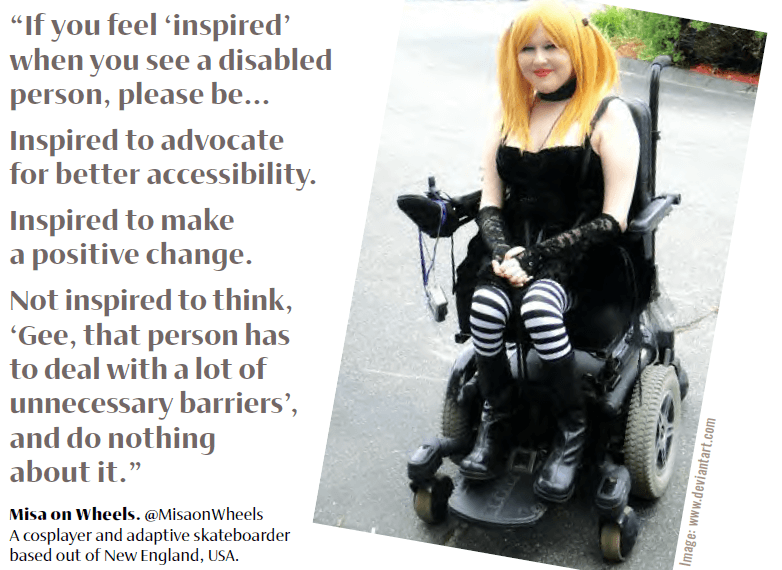

 The Bachelor of Fashion Design
(BA, BFD) program helps students
develop the technical expertise and
theoretical knowledge about fashion
and other design industries.
The students gain expertise through
developing skills in research, concept
development, fashion illustration,
materials knowledge, patternmaking,
and garment construction in order to
deliver innovative design solutions
which have a positive impact on the
wider national and international fashion
design communities.
The Bachelor of Fashion Design
program is offered online via distance
learning. After evaluating both
academic record and life experience,
AIU staff working in conjunction
with Faculty and Academic Advisors
will assist students in setting up a
custom-made program, designed on
an individual basis. This flexibility to
meet student needs is seldom found
in other distance learning programs.
Our online program does not require
all students to take the same subjects/
courses, use the same books,
or learning materials. Instead, the
online Bachelor of Fashion Design
curriculum is designed individually
by the student and academic advisor.
Understanding that industry and
geographic factors should influence
the content of the curriculum instead
of a standardized one-fits-all design is
the hallmark of AIU’s unique approach
to adult education. This philosophy
addresses the dynamic and constantly
changing environment of working
professionals by helping adult students
in reaching their professional and
personal goals within the scope of the
degree program.
The Bachelor of Fashion Design
(BA, BFD) program helps students
develop the technical expertise and
theoretical knowledge about fashion
and other design industries.
The students gain expertise through
developing skills in research, concept
development, fashion illustration,
materials knowledge, patternmaking,
and garment construction in order to
deliver innovative design solutions
which have a positive impact on the
wider national and international fashion
design communities.
The Bachelor of Fashion Design
program is offered online via distance
learning. After evaluating both
academic record and life experience,
AIU staff working in conjunction
with Faculty and Academic Advisors
will assist students in setting up a
custom-made program, designed on
an individual basis. This flexibility to
meet student needs is seldom found
in other distance learning programs.
Our online program does not require
all students to take the same subjects/
courses, use the same books,
or learning materials. Instead, the
online Bachelor of Fashion Design
curriculum is designed individually
by the student and academic advisor.
Understanding that industry and
geographic factors should influence
the content of the curriculum instead
of a standardized one-fits-all design is
the hallmark of AIU’s unique approach
to adult education. This philosophy
addresses the dynamic and constantly
changing environment of working
professionals by helping adult students
in reaching their professional and
personal goals within the scope of the
degree program.
 Atlantic International University is accredited by the Accreditation Service for International
Schools, Colleges and Universities (ASIC). ASIC Accreditation is an internationally
renowned quality standard for colleges and universities. Visit ASIC’s Directory of Accredited
Colleges and Universities. ASIC is a member of CHEA International Quality Group
(CIQG) in the USA, an approved accreditation body by the Ministerial Department of the Home Office
in the UK, and is listed in the International Directory of the Council for Higher Education Accreditation
(CHEA). The University is based in the United States and was established by corporate charter in 1998.
Atlantic International University is accredited by the Accreditation Service for International
Schools, Colleges and Universities (ASIC). ASIC Accreditation is an internationally
renowned quality standard for colleges and universities. Visit ASIC’s Directory of Accredited
Colleges and Universities. ASIC is a member of CHEA International Quality Group
(CIQG) in the USA, an approved accreditation body by the Ministerial Department of the Home Office
in the UK, and is listed in the International Directory of the Council for Higher Education Accreditation
(CHEA). The University is based in the United States and was established by corporate charter in 1998.
 In some cases, accredited colleges
may not accept for transfer courses and degrees
completed at unaccredited colleges, and some
employers may require an accredited degree as
a basis for eligibility for employment. Potential
students should consider how the above may affect
their interests, AIU respects the unique rules and
regulations of each country and does not seek to
influence the respective authorities. In the event
that a prospective student wishes to carry out any
government review or process in regards to his
university degree, we recommend that the requirements
of such are explored in detail with the relevant
authorities by the prospective student as the
university does not intervene in such processes.
AIU students can be found in over 180 countries,
they actively participate and volunteer
in their communities as part of their academic
program and have allocated thousands of service
hours to diverse causes and initiatives. AIU
programs follow the standards commonly used by
colleges and universities in the United States with
regards to the following: academic program
structure, degree issued, transcript, and
other graduation documents.
AIU graduation documents can include
an apostille and authentication from the
US Department of State to facilitate their
use internationally.
In some cases, accredited colleges
may not accept for transfer courses and degrees
completed at unaccredited colleges, and some
employers may require an accredited degree as
a basis for eligibility for employment. Potential
students should consider how the above may affect
their interests, AIU respects the unique rules and
regulations of each country and does not seek to
influence the respective authorities. In the event
that a prospective student wishes to carry out any
government review or process in regards to his
university degree, we recommend that the requirements
of such are explored in detail with the relevant
authorities by the prospective student as the
university does not intervene in such processes.
AIU students can be found in over 180 countries,
they actively participate and volunteer
in their communities as part of their academic
program and have allocated thousands of service
hours to diverse causes and initiatives. AIU
programs follow the standards commonly used by
colleges and universities in the United States with
regards to the following: academic program
structure, degree issued, transcript, and
other graduation documents.
AIU graduation documents can include
an apostille and authentication from the
US Department of State to facilitate their
use internationally.
| Dr. Franklin Valcin Presi den t/Academic Dean |
Dr. José Mercado Chief Executive Officer Chairman of the Board of Trustees |
Ricardo González, PhD Provost |
| Dr. Ricardo Gonzalez Chief Operation Officer and MKT Director |
Linda Collazo Logistics Coordinator |
AIU Tutors Coordinators: Deborah Rodriguez Amiakhor Ejaeta Amanda Gutierrez William Mora Miriam James Admissions Coordinators: Amalia Aldrett Sandra Garcia Junko Shimizu Veronica Amuz Alba Ochoa Jenis Garcia Judith Brown Chris Soto René Cordón Dr. Anderas Rissler Academic Coordinators: Dr. Adesida Oluwafemi Dr. Emmanuel Gbagu Dr. Lucia Gorea Dr. Edgar Colon Dr. Mario Rios Freddy Frejus Dr. Nilani Ljunggren De Silva Dr. Scott Wilson Dr. Mohammad Shaidul Islam |
| Dr. Miriam Garibaldi Vice provost for Research |
Carolina Valdes Human Resource Coordinator |
|
| Dr. Ofelia Miller Director of AIU |
Carlos Aponte Teleco mmunications Coordinator |
|
| Clara Margalef Director of Special Projects of AIU |
David Jung Corporate/Legal Counsel |
|
| Juan Pablo Moreno Director of Operations |
Bruce Kim Advisor/Consultant |
|
| Paula Viera Director of Intelligence Systems |
Thomas Kim Corporate/ Accounting Counsel |
|
| Felipe Gomez Design Director / IT Supervisor |
Maricela Esparza Administrative Coordinator |
|
| Kevin Moll Web Designer |
Chris Benjamin IT and Hosting Support |
|
| Daritza Ysla IT Coordinator |
Maria Pastrana Accounting Coordinator |
|
| Daritza Ysla IT Coordinator |
Roberto Aldrett Communications Coordinator |
|
| Nadeem Awan Chief Programming Officer |
Giovanni Castillo IT Support |
|
| Dr. Edward Lambert Academic Director |
Antonella Fonseca Quality Control & Data Analysis |
|
| Dr. Ariadna Romero Advisor Coordinator |
Adrián Varela Graphic Design |
|
| Jhanzaib Awan Senior Programmer |
Vanesa D’Angelo Content Writer |
|
| Leonardo Salas Human Resource Manager |
Jaime Rotlewicz Dean of Admissions |
|
| Benjamin Joseph IT and Technology Support |
Michael Phillips Registrar’s Office |
|
| Rosie Perez Finance Coordinator |
||
 The School of Business and Economics
allows aspiring and practicing
professionals, managers, and entrepreneurs
in the private and public sectors
to complete a self paced distance
learning degree program of the highest
academic standard.
The ultimate goal is to empower
learners and help them take advantage
of the enormous array of resources
from the world environment in order
to eliminate the current continuum of
poverty and limitations.
Degree programs are designed for
those students whose professional experience has been in business,
marketing, administration, economics,
finance and management.
The School of Business and Economics
allows aspiring and practicing
professionals, managers, and entrepreneurs
in the private and public sectors
to complete a self paced distance
learning degree program of the highest
academic standard.
The ultimate goal is to empower
learners and help them take advantage
of the enormous array of resources
from the world environment in order
to eliminate the current continuum of
poverty and limitations.
Degree programs are designed for
those students whose professional experience has been in business,
marketing, administration, economics,
finance and management.
 The School of Social and Human Studies
is focused on to the development of
studies which instill a core commitment
to building a society based on social and
economic justice and enhancing opportunities
for human well being.
The founding principles lie on the
basic right of education as outlined
in the Declaration of Human Rights.
We instill in our students a sense of
confidence and self reliance in their
ability to access the vast opportunities
available through information channels,
the world wide web, private, public,
nonprofit, and nongovernmental organizations in an ever expanding
global community.
Degree programs are aimed towards
those whose professional life has been
related to social and human behavior,
with the arts, or with cultural studies.
The School of Social and Human Studies
is focused on to the development of
studies which instill a core commitment
to building a society based on social and
economic justice and enhancing opportunities
for human well being.
The founding principles lie on the
basic right of education as outlined
in the Declaration of Human Rights.
We instill in our students a sense of
confidence and self reliance in their
ability to access the vast opportunities
available through information channels,
the world wide web, private, public,
nonprofit, and nongovernmental organizations in an ever expanding
global community.
Degree programs are aimed towards
those whose professional life has been
related to social and human behavior,
with the arts, or with cultural studies.
 The School of Science and Engineering
seeks to provide dynamic, integrated,
and challenging degree programs
designed for those whose experience
is in industrial research, scientific production,
engineering and the general
sciences. Our system for research and
education will keep us apace with the
twenty-first century reach scientific
advance in an environmentally and
ecologically responsible manner to allow
for the sustainability of the human
population. We will foster among our
students a demand for ethical behavior,
an appreciation for diversity, an understanding
of scientific investigation, knowledge of design innovation, a
critical appreciation for the importance
of technology and technological change
for the advancement of humanity.
The School of Science and Engineering
seeks to provide dynamic, integrated,
and challenging degree programs
designed for those whose experience
is in industrial research, scientific production,
engineering and the general
sciences. Our system for research and
education will keep us apace with the
twenty-first century reach scientific
advance in an environmentally and
ecologically responsible manner to allow
for the sustainability of the human
population. We will foster among our
students a demand for ethical behavior,
an appreciation for diversity, an understanding
of scientific investigation, knowledge of design innovation, a
critical appreciation for the importance
of technology and technological change
for the advancement of humanity.
 With access to a global catalog created and maintained collectively by more than
9,000 participating institutions, AIU students have secured excellent research
tools for their study programs.
With access to a global catalog created and maintained collectively by more than
9,000 participating institutions, AIU students have secured excellent research
tools for their study programs.


