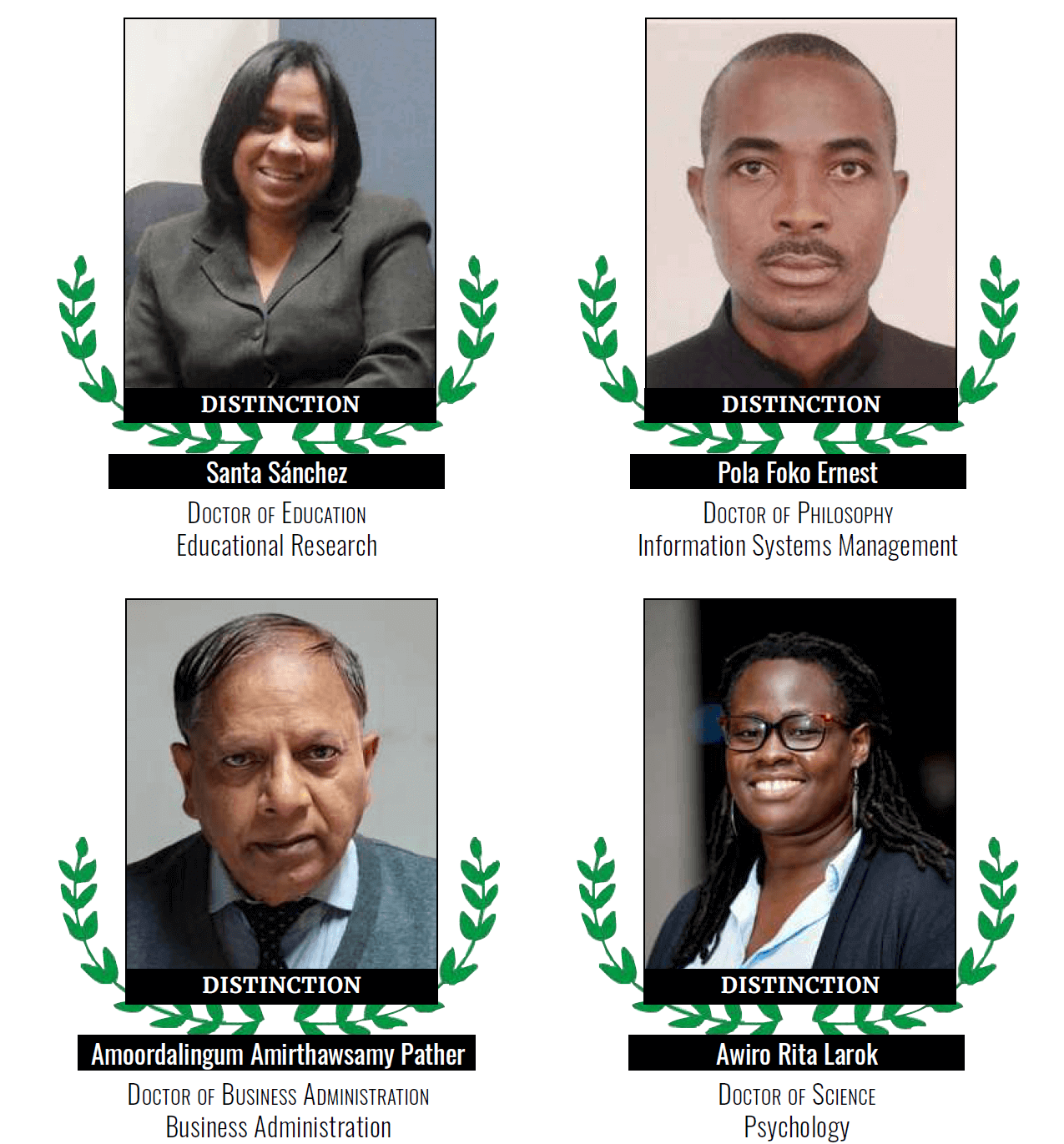


| Higino Domingos de Almeida João Bachelor of Science Information Technology Angola |
Romeo Betchissou Tete Master of Science Project Management Benin |
Emile Bigirimana Bachelor of Science Business Administration Burundi |
Yunji Wilson Yai Doctor of Science Geomatics Engineering Cameroo n |
Kum Mouzimai Kah Doctor of Business Administration Supply Chain and Logistics Management Cameroo n |
Fonkika Dinven verla Doctor of Business Administration Business Administration Cameroo n |
| Pola Foko Ernest Doctor of Philosop hy Information Systems Management Cameroo n |
Fernando Gonzalvo Doctor of Philosop hy Health Sciences Canada |
Amanda Kamila Nuñez Góngora Bachelor of Science Psychology Chile |
Gonzalo Andres Vergara Ponce Doctor of Philosop hy Health Sciences Chile |
Luis Fernando Gómez Pinzón Doctor of Business Administration Logistics Colombia |
Remtulla Kalewa Alimohamed Bachelor of Science Computer Engineering Congo (DRC ) |
| Adriana Cecilia Rivera Meneses Doctor of Education Educational Administration Costa R |
Santa Sánchez Doctor of Education Educational Research Dominican Republic |
Stephanie Balmir Villedrouin Bachelor of International Relations International Relations Dominican Republic |
Jose Ignacio Blanco Mena Master of Science Electrical Engineering Dominican Republic |
Madeline Bernard Bachelor of Science Psychology Dominican Republic |
Ruthsela De León Vásquez Master of Science Natural Science Dominican Republic |
| Ximena A. Alarcón Montesdeoca Bachelor of Nutrition Science Ecuador |
Nonhlanhla Patricia Zwane Bachelor of Accounting Accounting Eswatini |
Mathew Tut Moses Kol Doctor of Science Public Health Ethiop ia |
Francis Nyanin Doctor of Legal Studies Legal Studies Ghana |
Adotei Emmanuel Abrahams Doctor of Philosop hy Project Management Ghana |
Robert Kwegyir Sagoe Doctor of Science Intelligence Services Ghana |
| Rosana Madelein Arriola Pinzón Bachelor of Business Administration Business Administration Guatemala |
Roberto Miguel Mazariegos Zuniga Bachelor of Business Administration Business Administration Honduras |
Eliú Isaí López Bachelor of Education English as a Second Language Honduras |
Alfredo Benjamín Haces Prudencio Post-Doctorate of Journalism Ethical Journalism Honduras |
Busaina Fadel Nazzal Doctor of Philosop hy Inclusive Education and Disability Israel |
Leonie Banton Doctor of Finance Finance Jamaica |
| Phillip Scotwell McPherson Doctor of Psychology Clinical Psychology and Mental Health Jamaica |
Tiou Kimar Clarke Doctor of Education Curriculum and Evaluation Jamaica |
Bennetah M. Wafukho Doctor of International Relations Diplomacy Kenya |
Hawo Guyo Godana Doctor of Philosop hy Human Resources Kenya |
Debabrata Pattnaik Doctor of Science Electrical Engineering Kuwait |
Hastings Sumbulanga Banda Bachelor of Science Agriculture Malawi |
| Alamu Mhone Doctor of Economics Business Management Malawi |
Amoordalingum Amirthawsamy Pather Doctor of Business Administration Business Administration Mauritius |
Lorenza Cecilia Carral Lopez Negrete- Master of Science Psychotherapy for Couples México |
Felix Zibwowa Bachelor of Business Administration Business Administration Mozambique |
Juan Jose Montoya Pérez Post-Doctorate of Accounting Accounting Nicaragua |
Otonye Ransome Daka Doctor of Proj ect Management Project Management Nigeria |
| Chiamaka Kenechukwu Obi -Uruakpa Doctor of Business Administration Business Administration Nigeria |
Boniface Ogueri Charlie Ifeobu Doctor of Philosop hy Development Economics Nigeria |
Lateef Ayinde Kelani Doctor of Education Education Nigeria |
Awodeha Joseph C. Doctor of Business Administration Business Administration Nigeria |
Inemi Erete Stephen Doctor of Science Behavioral Project Management Nigeria |
Jose Jesus Mavila Castillo Bachelor of Science Information Technology Peru |
| Mohamed Ahmed Rashid Bachelor of Public Administration Public Administration Somalia |
Vusi Clement Nkuna Master of Criminal Justice Policing Administration South Africa |
Nontobeko Andile Mbatha Bachelor of Education Educational Psychology South Afr |
Japhet Muziwefa Hlongwa Doctor of Philosop hy Sociology South Africa |
James Maker Akuocpiir Majoc Bachelor of Social and Human Studies Development Studies South Sudan |
Jorge Juan Roca Hernández Bachelor of Science Psychology Spain |
| Johnson Sallah Omari Bachelor of Education Education Tanzania |
Thomas Ngombani Bachelor of Science Industrial Engineering Tanzania |
Fevzi Gökmen Bachelor of Science Civil Engineering Türkiye |
Awiro Rita Larok Doctor of Science Psychology Uganda |
César René Bustamante Murillo Doctor of Business Administration Business Administration Uruguay |
Juan Antonio Rosario Mena Doctor of Linguistics Spanish Applied Linguistics USA |
| Jeffery Fleming Master of Arts Architecture USA |
Leyda Maricela Mc Kay Levy Doctor of Social Work Human Rights USA |
Lucas Quirindongo Bachelor of Science Civil Engineering USA |
Jacqueline R. Passley Doctor of Philosop hy Organizational and Industrial Psychology USA |
Ryan Nolan Fenley Doctor of Business Administration Hospitality and Tourism USA |
Joel Chilufya Master of Business Administration Business Administration Zambia |
| Fanuel Chikande Doctor Business Management Business Management Zimbabwe |
Tracey Chadini Doctor of Science Special Education Zimbabwe |
Stanley John Segula Doctor of Management Strategic Management & Leadership Zimbabwe |
|||

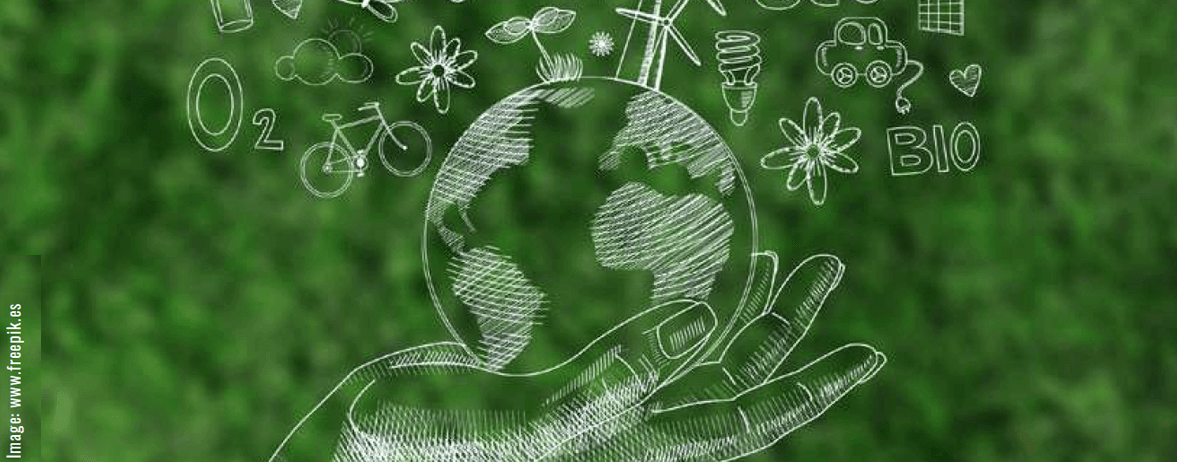
We are living in a world
that seems to be we don't
know where we are going:
a) We are in a global warming
that despite what scientists
said, few wanted to believe.
b) Food is not enough
for everyone.
c) The way of working
agriculture and livestock
are generating problems
for the ecosystem.
d) There is a shortage of water.
e) Political systems don’t offer
peace so there are conflicts
everywhere.
f) The development that is
often given to science
doesn’t lead to peace with
the form of communication
of digital platforms.
g) The development we have
achieved doesn’t lead to life,
except for its quality.
h) Everything is money and
even more so money without
an objective for the
growth of each one and for
life for all.
i) We are witnessing the absence
of peace, of coexistence:
everything is conflict
and more conflict.
j) A planet walking towards its
destruction and human beings
who don’t understand each other, few listen.
What has been done
wrong? It was done without
any control, without analysis
at the time or paying little
attention to those who criticized
a development, without
taking life into account.
Human beings are life;
the planet is life. Life...
What is it?
a) Life means growth
and development.
b) Life is analysis of what
is done.
c) Life is stages to achieve
goals.
d) Life is mental development.
e) Life is achieving goals, one
when the previous one ends.
f) Life is biological growth.
g) Life is assimilating nutrients
to maintain the organs.
h) Life is the taking of
products from the environment
to transform them
in our organism.
i) If we don’t have an adequate
environment, life isn’t
possible for us.
What did we do or do
wrong? What we have done
wrong is to forget all the
previous factors so that life is
possible for us.
The Organization of the
United Nations-UN, an organization
created for peace among
nations, built after the Second
World War, made the pertinent
studies before the deterioration of life on the planet and the
development of human beings.
“The 2030 Agenda for Sustainable
Development, approved
in September 2015 by the
United Nations General Assembly,
establishes a transforming
vision towards economic, social
and environmental sustainability
of the 193 United Nations
Member States that signed
it and is the reference guide
for the work of the international
community until the
year 2030”. https://www.cepal.org/es/
temas/agenda-2030-desarrollo-sostenible/
acerca-la-agenda-2030-desarrollo-sostenible
This Agenda is the one that
the United Nations Educational,
Scientific and Cultural Organization-
UNESCO works on.
“UNESCO helped shape
the Post-2015 Development
Agenda through the Education
2030 Framework for Action,
included in the global coordination
of SDG 4. The Incheon
Declaration, adopted at the
World Education Forum in the
Republic of Korea in May 2015,
it entrusted UNESCO with the task of leading and coordinating
the education agenda”.
https://es.unesco.org/sdgs
This Agenda meant extraordinary
work to reach agreements
that could be signed
by the countries that make up
the UN. “The 2030 Agenda is
the result of the broadest and
most participatory consultation
process in the history of the
United Nations and represents
the emerging multilateral
consensus between governments
and diverse actors, such
as civil society, the private
sector and academia. Likewise,
the normative bases of this
multilateral agenda start from
the United Nations charter
of 1945 to the more than 40
references to UN conferences
and conventions approved to
date”. https://www.cepal.org/es/temas/
agenda-2030-desarrollo-sostenible/acercala-
agenda-2030-desarrollo-sostenible
“Through these 17 SDGs
with their 169 goals and 231
indicators, the United Nations
Member States have firmly
expressed that this agenda
is universal and profoundly
transformative.” https://www.cepal.
org/es/temas/agenda-2030-desarrollosostenible/
acerca-la-agenda-2030-desarrollo-
sostenible
What does the Agenda include?
The Agenda includes a
development program for:
“…the 2030 Agenda offers
a paradigm shift in relation to
the traditional development model towards sustainable development
that integrates the
economic, social and environmental
dimensions”.https://www.
cepal.org/es/temas/agenda-2030-desarrollo-
sostenible/acerca-la-agenda-2030-desarrollo-
sostenible
Why do we title the controversial
sustainable
development?
We call it controversial
because industries, capitalists
and citizens deny the goals
of Sustainable Development
because they say they are false.
That claim that they are false
is due to the investment and
the change in production that
they must carry out and the
cost that it means.
The information uploaded
to the Platforms contributes to
the previous falsehood.
For this reason, UNESCO
carried out a study on what
Digital Platforms do and calls
to control disinformation on
them. https://www.unesco.org/es/articles/
at-unesco-an-appeal-to-regulatethe-
digital-platforms-against-disinformation-
and-el
The European Union-EU has
also just established standards
to be met for the information
offered by digital platforms.
European Comission. 2023.
August 25. https://commission.
europa.eu/strategy-and-policy/priorities-
2019-2024/europe-fit-digital-age/
digital-services-act-ensuring-safe-and-accountable-
online-environment/europe-fitdigital-
age-new-online-rules-platforms_es Package of digital services
laws. European Union. 2023.
https://digital-strategy.ec.europa.eu/es/
policies/digital-services-act-package
The time we are living is
one of great misinformation
that can be created by the
lack of education of the world
population.
The current rulers take
advantage of the deficiencies
that their government systems
have created by forgetting
education and quality education
for all as established
by UNESCO in its Sustainable
Development Goals.
We are witnessing populist
governments and coups d’état
as if they were mushrooms in
the prairie.
The solution to the problem
of a life for growth with the
resources to achieve it’s due
to the poor education received
by children who will later be
adults who will not be able to
find the path to a life of fortunate
achievements.
There should not be the
global crisis we are experiencing
if we had the necessary
education.
You are a student at Atlantic
International University - AIU.
Study: take advantage of the
program you do so that you
reach a lifetime of opportunities
and goals.
Study: seek all the knowledge
you need so that you can educate
others for a better world. The world other than the one
we live in can only be built by
human beings.
We, human beings are the
only ones who can make: a
social and physical
world, our planet
Earth, better.
BIBLIOGRAPHY. UE. Unión Europea. Normas a cumplir para la información
que ofrecen las Plataformas digitales. Comisión Europea.
2023. 25 de agosto. https://commission.europa.eu/strategy-and-policy/
priorities-2019-2024/europe-fit-digital-age/digital-services-act-ensuring-safe-andaccountable-
online-environment/europe-fit-digital-age-new-online-rules-platforms_es |
UE. Unión Europea. Paquete de leyes de servicios digitales. Unión
Europea. 2023. https://digital-strategy.ec.europa.eu/es/policies/digital-services-act-package
| UNESCO. Organización de las Naciones Unidas para la Educación,
la Ciencia y la Cultura. Educación para el Desarrollo Sostenible.
https://www.unesco.org/es/education-sustainable-development | UNESCO. La UNESCO y
Los Objetivos de Desarrollo Sostenible. https://es.unesco.org/sdgs | UNESCO.
Organización de las Naciones Unidas para la Educación, la Ciencia y
la Cultura. Por un internet confiable. https://www.unesco.org/es/articles/en-launesco-
un-llamamiento-para-regular-las-plataformas-digitales-frente-la-desinformacion-yel
| ONU. Agenda 2030. Desarrollo Sostenible. https://www.cepal.org/es/temas/
agenda-2030-desarrollo-sostenible/acerca-la-agenda-2030-desarrollo-sostenible | ONU.
Naciones Unidas. Adopción de la Agenda para el Desarrollo Sostenible.
2015. Septiembre. La UNESCO en el 70º periodo de sesiones
de la Asamblea General de las Naciones Unidas y la adopción de la
agenda para el desarrollo después de 2015. https://es.unesco.org/news/unesco-
70o-periodo-sesiones-asamblea-general-naciones-unidas-y-adopcion-agenda-desarrollo

Mr Ainganiza has been
in the newsroom for
the last 17 years, besides his
journalism work, he has found
passion in helping vulnerable
people in his community.He
started a charity Non-Governmental
Organization called
Platform for the Needy (PLANE)
for advocate for the rights of
vulnerable women, youth and
children offering them a platform
to voice their concerns.
He says the vision of helping
vulnerable people in his
community, started in 1991.
Inspiration
Ainganiza says, after reaching
senior two, he was forced
to drop out of school due to the
domestic violence exposed to
him by his step mothers who
never wanted him to progress
in his education. However, his
luck came after one Dr Keith
Morton from England working
with the Africa Inland Mission
in 1991, picked him from the
garden and took him back to
Nyakasura school and paid fees
up to senior six.
Mr Ainganiza says when he
completed school, he opted
to study journalism, in 2006
he started working with Voice
of Toro and his aim was to
report stories of Gender Based
Violence (GBV) and other human
rights items from police
and community because the
majority of vulnerable people
are always at the police in
need of help.
“I started by going to police and court to report stories, but
because of my background I
wanted to see how I could help
other people who are vulnerable,
I could write such stories
of vulnerable to see I advocate
for their rights,” he said.
He says later, he started
engaging police and couples
with cases at police to see that
people receive justice.
Mr Ainganiza says using his
little salary $200, he could help
neglected children and battered
women found by police
by tracing their parents to see
that they are rejoined to their
families. He could also put announcements
on radio.
“I could use my transport
go to communities to look for
vulnerable people, give them
help on how they can follow
up their cases at police, others
I could give them counseling
services,” he added.
“Because my face was common
at police of Fort Portal,
they started calling me in
case there were such cases of
gender based violence, child
neglect and abuse, we could
sit in reconciliation meeting,
move together in field.”
In 2010, he decided to start
Platform for Needy (PLANE) as a
Community Based Organization
(CBO) in his area to see how
he can formally start support
vulnerable people.
Ainganiza says Dr Keith who
helped him, had over 1000
vulnerable children from all
over the country; he supported
at different education levels.
This he said inspired him to
start PLANE to ease his advocacy
work.
“Before starting, I made
several consultations from
my friends, majority of them
welcomed the idea, some of the
people started supporting me,”
He says his first formal
activity was in 2011 when he
mobilized Shs 3 million ($845)
from Kabarole district and
bought goats for 37 widows
and elderly people to engage
them in income generating
activities, a project that is
progressing well. These have
multiplied and changes the
lives of the elderly women and
widows in my community.
He also started advocacy
work in 2012, registered 60
needy children, mobilized
resources and bought for
them scholastic materials and
uniforms to enable them access
education.
Ainganiza revealed that the
major activities under PLANE
include education for vulnerable
children, youth & women
empowerment, sexual reproductive
health rights, peace
and conflict resolution, livelihoods,
drama, gender based
violence, girls & boys matter
mentorship among others.
In 2014, he upgraded and
registered his CBO into a
Non-governmental Organization
operating in Rwenzori
region but permitted to operate
countrywide.
Activities
In 2019, Ainganiza started
several campaigns in Fort
Portal and Kabarole district to
help vulnerable people who
were approaching him through
his Family Clinic radio talkshow
that handles health, social and
economic aspects.
One of the campaigns included
helping 28-year-old
woman Sharon Kyoshabire
who was abandoned by her
husband Kiiza James after
producing triplets.
Ms Kyoshabire who was a
mother of four children, in
Bukuku Sub County, Kabarole
district, after producing triplets,
the husband after being
overwhelmed by the needs,
developed stress, ran away and
left her in a dilapidated house
at verge of collapse but Ainganiza
launched a campaign
that restored her life.
“The woman was left with
children, in her dilapidated
banana fibre thatched house. It
was raining as if it was outside
and coldness wanted to rob
the little children. I started the
campaign of looking for money to buy food for the children
and money to build her decent
house.”
Under the campaign “Save
Abandoned Triplets From
Death, Provide Shelter,”
Ainganiza collected about
Shs 6 million ($1,689) from
well-wishers, school children,
churches and he used the
money to build her a house,
kitchen, pit latrine, buy food,
milk, clothes and pay fees for
the older children.
He says after his intervention
“given the opportunity, I
plan to have another campaign
to raise funds to construct a
permanent house for these
triplets and educate them in
good schools.”
In the same year, Ainganiza
also mobilized over 20 million
Uganda shillings ($5,634) for
saving the life of Brian a youth
who needed heart surgery and
pace maker programming in
Nairobi, Kenya.
Using drama in creating
awareness, Ainganiza has
trained several youth groups
that perform in different communities
to create awareness of
issues that need advocacy such
as sleeping under mosquito
nets, ebola, ending domestic
violence, having manageable
families through embracing
contraceptives, HIV/AIDS
prevention, and child abuse
among others.
“Together with the youth, we
record drama that is played on
radios to create awareness in
communities and I’m proud
of educating and sensitizing
my community,”
Mr Ainganiza has also
helped many teenage mothers
in the sub counties of
Kabarole district to start
income generating activities,
and also educating them
about their rights, nutrition
for their children, saving and
credit and the danger of teenage
motherhood.
Using his newsroom salary
($200), Ainganiza has helped
many children to complete
school by paying them school
fees, giving them career guidance
one of his children he
supported by paying his fees
has completed senior four.
“I’ve helped Joel Tinyesengereza
completed his senior
four. He scored 25 aggregates
(1st grade) 2020 UCE. He approached
after he was chased
from Nyakasura School and
Fort Portal SSS for failure to
pay tuition. I like Joel because
is bright and boasts of becoming
a medical doctor,” He said.
Joel now doing PCB/Math is
finishing his high school this
November 2023.
Achievements
Ainganiza says in the last 17
years, over 110,000 their mind
set have changed and over
200 vulnerable children and
108 women have been helped
directly.
“I have used my skills, mobilized
resources for vulnerable
people, created awareness on
different issues in the community
such as gender based violence,
malaria, children rights, mobilized people for health
conferences among others, all
these have been achieved,”
Ainganiza says, “In 2018 the
Kabarole district health officer
Dr Richard Mugahi said the use
of drama in creating awareness
in communities about sleeping
under mosquito nets, the
malaria prevalence reduced
from 50 percent to 12 percent
according to statistics at
health facilities,” Dr. Mugahi
awarded Ainganiza’s organization
Platform for the Needy with
a certificate rewarding them
for their efforts to educate
and sensitize the people using
drama in schools and communities
in Kabarole and Bunyangabu
through the campaign
dubbed : “Community Campaign
For Social Mobilization
(SCSM) sponsored by PACE”.
Awards
In 2018, Kabarole district
local government awarded
him for being an outstanding
journalist in helping vulnerable
people and using his radio
program (Family Clinic) and
Bahemuka drama that have
continued to create awareness.
Challenges
Ainganiza says the biggest
challenge is resource
mobilization both locally and
internationally to help the big
number of vulnerable people in
the communities saying people
who need help are more than
resources available.
“I have written several
proposals but I’ve not been
successful. I’ve also written
many letters seeking for
partnership with national, local
and international organizations
but I see people have negative
attitudes towards partnership
and helping small organizations
stand out. In the last 13
years, I’ve not received any
external funding from donors
I am always helped by friends
and my small salary ($200) per
month but I would like to thank
PACE Uganda for the funds they
gave us to sensitize people and
school children in Kabarole and
Bunyangabu districts on malaria
control and prevention,”.
He says in 10 years to come,
he wants to quit the newsroom
and district job and concentrate
on programs of helping
vulnerable people in communities’
because it’s where he
has the passion.
“I shed tears when I see
husbands battering their wives,
young girls producing children,
their partners neglecting them
and when I see needy children
storm my office and the radio
that their parents have refused
to care for them. It’s hurting!
I will have to quit and concentrate
on these people and I will
only be coming for drama and
talkshows,” he said.
Every Hour Matters
Campaign
Mr Ainganiza says he is
proud to be in partnership with
some institutions and well
wishes. He narrates that Local
partners have helped him to
achieve some of his dream
of helping vulnerable people.
The partners according to
Ainganiza include Kabarole
district local government,
Christ Aid International, PACE,
Girls Not Brides, Voice of
Tooro 101 FM primary schools,
Dr. Fr. Pascal Kabura Director
Bishop Magambo Counsellor
Training Institute.
Appeal: Ainganiza appeals
to all people to have manageable
families, produce
children by choice, not by
chance because it leads to the
suffering of innocent children
who would be enjoying love
and care of their parents. To
the parents, I’m calling upon
you to prioritize parenting
and talking to your children
mostly the girl child about
the sexual reproductive health
rights and the future they
want. Girls, prioritize education,
avoid peers and engaging
in early sex if you want a
bright future.
“I’m appealing to the
general public and people of
good will to continue supporting
us. We are seeking for
national and global partnerships
with individuals, institutions,
churches, corporate
companies and volunteers to
help us reach more vulnerable
communities.”
Master’s Knowledge Acquired:
“I have completed a
master’s degree in Public Relations
and Strategic Communication
at Atlantic International
University. I have acquired the
knowledge and skills in strategic
communication, public
relation, project management
and image building which I
will apply in managing this organization
take a further step.”
“I am optimistic that I will
get partners and funders to
help me in advancing my idea
of advocating for the rights of
vulnerable people in Uganda.
The issue of health and Gender
Based Violence not forgetting
environmental degradation remain
a big problem in Uganda
but I believe with the knowledge
I have acquired , I will
be able to spread the message
to reach a larger audience by
crafting captivating messages
and videos.”
For more information about Stephen Ainganiza
and Platform for the Needy (PLANE)
https://platformfortheneedy.org/
https://www.facebook.com/platformfortheneedy/
Tel: +256782442866 • Whatsapp: +256701442866
https://www.youtube.com/watch?v=n1N-nq_ITVY
https://www.youtube.com/watch?v=sL7mIcTxmEQ
 Africa is enormous. In fact, you
could fit China, India, all the states
in the contiguous US, and most of Europe
into the space it actually takes up.
So why does Africa look so small (comparatively)
when displayed on a map?
“The map is not the territory,” Alfred
Korzybski once stated when explaining
how people tend to confuse models of
reality for reality itself, and this expression
is particularly apt for modern
maps. ... The problem is simple. How
do you turn a sphere into a flat projection
without distorting the outcome?
... For a long time, the features of our
world maps were influenced by what is
called the Mercator projection (Gerardus
Mercator, 16th-century cartographer).
This was a tool used for nautical
navigation that has had a lasting influence
on most of our maps. Mercator’s approach used a cylindrical
projection that was valuable for
sea travel, as the lines he included that
make up the map’s grid were a constant
course (loxodrome).
However, because the features of the
projection were intended for navigation,
rather than for accurate geography,
the landmasses nearer the poles
are distorted and stretched. ...
Despite these significant distortions,
Mercator’s projection is still commonly
used today. This means that many
people are not aware of how our planet
actually looks. Moreover, the distortion
also impacts specific countries and
can make them appear larger than they
really are. Such distortions can have an
impact on how we understand ourselves
and ...
Africa is enormous. In fact, you
could fit China, India, all the states
in the contiguous US, and most of Europe
into the space it actually takes up.
So why does Africa look so small (comparatively)
when displayed on a map?
“The map is not the territory,” Alfred
Korzybski once stated when explaining
how people tend to confuse models of
reality for reality itself, and this expression
is particularly apt for modern
maps. ... The problem is simple. How
do you turn a sphere into a flat projection
without distorting the outcome?
... For a long time, the features of our
world maps were influenced by what is
called the Mercator projection (Gerardus
Mercator, 16th-century cartographer).
This was a tool used for nautical
navigation that has had a lasting influence
on most of our maps. Mercator’s approach used a cylindrical
projection that was valuable for
sea travel, as the lines he included that
make up the map’s grid were a constant
course (loxodrome).
However, because the features of the
projection were intended for navigation,
rather than for accurate geography,
the landmasses nearer the poles
are distorted and stretched. ...
Despite these significant distortions,
Mercator’s projection is still commonly
used today. This means that many
people are not aware of how our planet
actually looks. Moreover, the distortion
also impacts specific countries and
can make them appear larger than they
really are. Such distortions can have an
impact on how we understand ourselves
and ...
 The Authors Guild, John Grisham,
George R.R. Martin, Michael Connelly,
Jodi Picoult and a group of other
famous fiction writers filed a class action
lawsuit on Wednesday [September
20th] against OpenAI, claiming that their
technology is infringing on their works.
In their complaint, the authors claim
that OpenAI copied their works “wholesale,
without permission or consideration.”
The plaintiffs contend that the
company fed their works into large language
models, “algorithms designed to
output human-seeming text responses
to users’ prompts and queries.”
“Generative AI is a vast new field for
Silicon Valley’s longstanding exploitation
of content providers. Authors
should have the right to decide when
their works are used to ‘train’ AI. If
they choose to opt in, they should be
appropriately compensated,” author
Jonathan Franzen said. ...
According to the suit, when prompted
OpenAI’s ChatGPT “accurately generated
summaries” of works Grisham’s
The Chamber, The Client and The Firm, as
well as an unauthorized and detailed
outline of the next installment of The
King of Torts. The latter included a title,
The Kingdom of Consequences, that used
the same characters from the existing
book. ChatGPT did the same for The Last
Juror, and also generated an accurate
summary of Grisham’s The Litigators,
according to the lawsuit. ChatGPT
“could not have generated the material”
had it “not ingested and been
‘trained'” on Grisham’s works, the
lawsuit stated. ...
Read full text:
The Authors Guild, John Grisham,
George R.R. Martin, Michael Connelly,
Jodi Picoult and a group of other
famous fiction writers filed a class action
lawsuit on Wednesday [September
20th] against OpenAI, claiming that their
technology is infringing on their works.
In their complaint, the authors claim
that OpenAI copied their works “wholesale,
without permission or consideration.”
The plaintiffs contend that the
company fed their works into large language
models, “algorithms designed to
output human-seeming text responses
to users’ prompts and queries.”
“Generative AI is a vast new field for
Silicon Valley’s longstanding exploitation
of content providers. Authors
should have the right to decide when
their works are used to ‘train’ AI. If
they choose to opt in, they should be
appropriately compensated,” author
Jonathan Franzen said. ...
According to the suit, when prompted
OpenAI’s ChatGPT “accurately generated
summaries” of works Grisham’s
The Chamber, The Client and The Firm, as
well as an unauthorized and detailed
outline of the next installment of The
King of Torts. The latter included a title,
The Kingdom of Consequences, that used
the same characters from the existing
book. ChatGPT did the same for The Last
Juror, and also generated an accurate
summary of Grisham’s The Litigators,
according to the lawsuit. ChatGPT
“could not have generated the material”
had it “not ingested and been
‘trained'” on Grisham’s works, the
lawsuit stated. ...
Read full text:
 A mysterious golden orb that may
be an egg laid by an unknown
sea creature has been discovered on
the ocean floor off the Pacific coast
of Alaska. The smooth object with an
intriguing hole at the centre was found
at a depth of about two miles by a
remote-controlled submarine explorer.
Scientists at the National Oceanic and
Atmospheric Administration (NOAA)
in the US, which made the discovery,
suggest it could be a hatched egg
or a marine sponge. Researchers are
conducting tests and a DNA analysis
to work out what the shiny object —
which feels like “skin tissue” according
to Noaa— is.
A remotely operated arm was deployed
to “tickle” the egg, which was
found to have a delicate “skin-like”
texture. It was then gently “suctioned”
up a tube for testing in a lab. The dive is
part of the Seascape Alaska 5 expedition,
which will continue until 15 September
and can be followed on a livestream. ...
Speaking over the livestream on 30
August, when the discovery was made,
team members offered theories about
the identity of the object, including an
egg casing or a sponge. They suggested
that the hole was created by a creature
hatching, or by a predator breaking in.
“I just hope when we poke it, something
doesn’t decide to come out,” one
scientist said. “It’s like the beginning
of a horror movie.”...
A mysterious golden orb that may
be an egg laid by an unknown
sea creature has been discovered on
the ocean floor off the Pacific coast
of Alaska. The smooth object with an
intriguing hole at the centre was found
at a depth of about two miles by a
remote-controlled submarine explorer.
Scientists at the National Oceanic and
Atmospheric Administration (NOAA)
in the US, which made the discovery,
suggest it could be a hatched egg
or a marine sponge. Researchers are
conducting tests and a DNA analysis
to work out what the shiny object —
which feels like “skin tissue” according
to Noaa— is.
A remotely operated arm was deployed
to “tickle” the egg, which was
found to have a delicate “skin-like”
texture. It was then gently “suctioned”
up a tube for testing in a lab. The dive is
part of the Seascape Alaska 5 expedition,
which will continue until 15 September
and can be followed on a livestream. ...
Speaking over the livestream on 30
August, when the discovery was made,
team members offered theories about
the identity of the object, including an
egg casing or a sponge. They suggested
that the hole was created by a creature
hatching, or by a predator breaking in.
“I just hope when we poke it, something
doesn’t decide to come out,” one
scientist said. “It’s like the beginning
of a horror movie.”...
 Researchers in Australia have
discovered that we could produce
stronger concrete by adding recycled
charred coffee grounds into the mix.
The world produces approximately 10
billion kilograms of coffee waste each
year, most of which ends up in landfills.
“The inspiration for our work was
to find an innovative way of using the
large amounts of coffee waste in construction
projects rather than going to
landfills —to give coffee a ‘double shot’
at life,” said Roychand, a Postdoctoral
Research Fellow at RMIT. “Several councils
that are battling with the disposal
of organic waste have shown interest in
our work. They have already engaged
us for their upcoming infrastructure
projects incorporating pyrolyzed forms
of different organic wastes.” The resources required for the construction
industry, including concrete
production, also cause their own set
of environmental challenges. The new
concrete creation technique, developed
by engineers, could simultaneously
make concrete stronger and reduce
the amount of waste going to landfills.
It could also potentially reduce the
amount of sand needed in the production
of concrete as the coffee grounds
can replace a portion of the sand.
“The ongoing extraction of natural
sand around the world —typically
taken from river beds and banks— to
meet the rapidly growing demands
of the construction industry has a big
impact on the environment,” says RMIT
engineer Jie Li. ...
Read full text
Researchers in Australia have
discovered that we could produce
stronger concrete by adding recycled
charred coffee grounds into the mix.
The world produces approximately 10
billion kilograms of coffee waste each
year, most of which ends up in landfills.
“The inspiration for our work was
to find an innovative way of using the
large amounts of coffee waste in construction
projects rather than going to
landfills —to give coffee a ‘double shot’
at life,” said Roychand, a Postdoctoral
Research Fellow at RMIT. “Several councils
that are battling with the disposal
of organic waste have shown interest in
our work. They have already engaged
us for their upcoming infrastructure
projects incorporating pyrolyzed forms
of different organic wastes.” The resources required for the construction
industry, including concrete
production, also cause their own set
of environmental challenges. The new
concrete creation technique, developed
by engineers, could simultaneously
make concrete stronger and reduce
the amount of waste going to landfills.
It could also potentially reduce the
amount of sand needed in the production
of concrete as the coffee grounds
can replace a portion of the sand.
“The ongoing extraction of natural
sand around the world —typically
taken from river beds and banks— to
meet the rapidly growing demands
of the construction industry has a big
impact on the environment,” says RMIT
engineer Jie Li. ...
Read full text
 You are probably familiar with clothing
that promises to keep you both
dry and cool. Experts claim these garments
not only prevent overheating but
also may be able to improve comfort
and performance. Athletes, hikers,
campers, and home gardeners can use
cooling textiles to help regulate their
body temperature outdoors and prevent
heat-related illnesses like heat stroke.
Similarly, those living in hot climates
may turn to cooling clothing to promote
evaporation and reduce heat build-up
for comfort and relief during relentless
humidity and warmth.
Evaporative cooling technology
It is commonly seen in vests or
towels. Evaporation takes place when
liquid (like sweat) turns into a vapor or
evaporates. Because heat energy is used to change the water to vapor, a cooling
sensation occurs. Clothing using evaporative
technology relies on this ‘phase
change’ process. First, you wet the vest
or towel, wring it out, and then wear
it over your other clothing. The fabric
remains slightly damp, allowing the
water particles to slowly evaporate as
air passes over them. During the evaporation
process, you’ll experience cooling
as heat dissipates from your body.
Moisture-wicking fabrics
Instead of getting these fabrics wet
first, they use your sweat to go through
the cooling evaporative process. When
you get warm and begin to perspire,
these special highly-absorbent fabrics
draw moisture away from your body
as quickly as possible. As the heat is
drawn away from your body, they pull moisture from your
skin into the fabric,
where it can be
turned into a vapor.
Most moisturewicking
fabrics
strive to pull as
much moisture and
humidity away from
the skin as possible
and then disperse
it across the largest
surface area of the
fabric to maximize
evaporation. Breathability and ventilation
Fabrics with air permeability help to
prevent heat, sweat, and humidity from
being trapped against your body.
These fabrics are better at allowing
airflow, unlike polyester, which holds
it against your skin. Added ventilation,
usually seen as strategic cuts or holes
in the clothing, can increase airflow.
Phase change materials (PCM)
Largely developed by NASA, PCMs rely
on materials that change states at various
temperatures, similar to the wax of
a candle as it liquefies and solidifies.
Sometimes, when used in textiles,
these materials are called ‘thermocules.’
The molecules within the fabric
change state depending on temperature
fluctuations, so they either absorb or
release heat, helping to adjust your
body temperature quickly. Think of it
as built-in temperature control, also
known as thermoregulation.
Although moisture-wicking and cool
sensation clothing can provide relief and
comfort, it does have its limitations. In
high-humidity environments, its effectiveness
may be decreased as evaporation
is typically slower. Additionally,
evaporative clothing is only helpful as
long as it stays damp. Most moisturewicking
fabrics must be in direct contact
with your skin to remove moisture and
disperse it into the fabric. ...
Read full text:
You are probably familiar with clothing
that promises to keep you both
dry and cool. Experts claim these garments
not only prevent overheating but
also may be able to improve comfort
and performance. Athletes, hikers,
campers, and home gardeners can use
cooling textiles to help regulate their
body temperature outdoors and prevent
heat-related illnesses like heat stroke.
Similarly, those living in hot climates
may turn to cooling clothing to promote
evaporation and reduce heat build-up
for comfort and relief during relentless
humidity and warmth.
Evaporative cooling technology
It is commonly seen in vests or
towels. Evaporation takes place when
liquid (like sweat) turns into a vapor or
evaporates. Because heat energy is used to change the water to vapor, a cooling
sensation occurs. Clothing using evaporative
technology relies on this ‘phase
change’ process. First, you wet the vest
or towel, wring it out, and then wear
it over your other clothing. The fabric
remains slightly damp, allowing the
water particles to slowly evaporate as
air passes over them. During the evaporation
process, you’ll experience cooling
as heat dissipates from your body.
Moisture-wicking fabrics
Instead of getting these fabrics wet
first, they use your sweat to go through
the cooling evaporative process. When
you get warm and begin to perspire,
these special highly-absorbent fabrics
draw moisture away from your body
as quickly as possible. As the heat is
drawn away from your body, they pull moisture from your
skin into the fabric,
where it can be
turned into a vapor.
Most moisturewicking
fabrics
strive to pull as
much moisture and
humidity away from
the skin as possible
and then disperse
it across the largest
surface area of the
fabric to maximize
evaporation. Breathability and ventilation
Fabrics with air permeability help to
prevent heat, sweat, and humidity from
being trapped against your body.
These fabrics are better at allowing
airflow, unlike polyester, which holds
it against your skin. Added ventilation,
usually seen as strategic cuts or holes
in the clothing, can increase airflow.
Phase change materials (PCM)
Largely developed by NASA, PCMs rely
on materials that change states at various
temperatures, similar to the wax of
a candle as it liquefies and solidifies.
Sometimes, when used in textiles,
these materials are called ‘thermocules.’
The molecules within the fabric
change state depending on temperature
fluctuations, so they either absorb or
release heat, helping to adjust your
body temperature quickly. Think of it
as built-in temperature control, also
known as thermoregulation.
Although moisture-wicking and cool
sensation clothing can provide relief and
comfort, it does have its limitations. In
high-humidity environments, its effectiveness
may be decreased as evaporation
is typically slower. Additionally,
evaporative clothing is only helpful as
long as it stays damp. Most moisturewicking
fabrics must be in direct contact
with your skin to remove moisture and
disperse it into the fabric. ...
Read full text:
 Building with Lego bricks has stayed
a formative and important practice
for kids around the world, partly because
it’s so easily enjoyed by anyone.
Now the company has made its Braille
Bricks, a learning toy for children with
visual impairments (or who just want
to learn the script).
The set was introduced back in 2019,
but only as a kit that was distributed
for free to limited recipients. After a
couple years of feedback, Lego has decided
to make the set widely available.
It’s a 287-piece box of special bricks,
most of which are of the standard 2×4
variety, which allows room for each
letter of the 2×3-dot Braille alphabet
and a visible label. There’s also a reference
sheet with the letters and bricks
in order, and a set of starter projects to
get things moving. ...
Read full text
Building with Lego bricks has stayed
a formative and important practice
for kids around the world, partly because
it’s so easily enjoyed by anyone.
Now the company has made its Braille
Bricks, a learning toy for children with
visual impairments (or who just want
to learn the script).
The set was introduced back in 2019,
but only as a kit that was distributed
for free to limited recipients. After a
couple years of feedback, Lego has decided
to make the set widely available.
It’s a 287-piece box of special bricks,
most of which are of the standard 2×4
variety, which allows room for each
letter of the 2×3-dot Braille alphabet
and a visible label. There’s also a reference
sheet with the letters and bricks
in order, and a set of starter projects to
get things moving. ...
Read full text
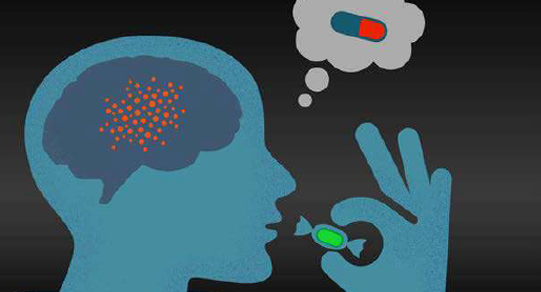 The placebo effect is a phenomenon
in which the patient’s expectation
of relief from symptoms can lead to an
improvement in their condition. This
has been observed across many different
medical conditions, and research
into this area continues to uncover new
insights about how powerful the placebo
effect can be. Here, we will explore
20 statistics related to the effectiveness
of placebos for various ailments
and treatments. We’ll look at studies
that have measured improvements due
to placebos for pain relief, depression,
anxiety, insomnia and more ...
The most important statistics
Approximately 35% of patients experience
a placebo effect. This statistic
demonstrates that a significant portion
of patients can experience positive
results from a placebo, even when the
treatment itself has no active ingredients.
This statistic is a testament to the
power of the mind-body connection
and the potential of the placebo effect
to improve health outcomes.
Placebo interventions can improve
patient-reported outcomes in up to
60% of studies. This statistic demonstrates
that even when no active
treatment is administered, up to 60%
of studies show an improvement in
patient-reported outcomes. This highlights
the importance of the placebo
effect in healthcare and its potential to
provide relief to patients without the
need for costly and potentially dangerous
treatments. ...
The placebo effect is a phenomenon
in which the patient’s expectation
of relief from symptoms can lead to an
improvement in their condition. This
has been observed across many different
medical conditions, and research
into this area continues to uncover new
insights about how powerful the placebo
effect can be. Here, we will explore
20 statistics related to the effectiveness
of placebos for various ailments
and treatments. We’ll look at studies
that have measured improvements due
to placebos for pain relief, depression,
anxiety, insomnia and more ...
The most important statistics
Approximately 35% of patients experience
a placebo effect. This statistic
demonstrates that a significant portion
of patients can experience positive
results from a placebo, even when the
treatment itself has no active ingredients.
This statistic is a testament to the
power of the mind-body connection
and the potential of the placebo effect
to improve health outcomes.
Placebo interventions can improve
patient-reported outcomes in up to
60% of studies. This statistic demonstrates
that even when no active
treatment is administered, up to 60%
of studies show an improvement in
patient-reported outcomes. This highlights
the importance of the placebo
effect in healthcare and its potential to
provide relief to patients without the
need for costly and potentially dangerous
treatments. ...
 Most people have likely heard of
the Fight, Flight, Freeze trio of
adrenaline responses, but there are four
more F responses which are less wellknown:
Flop, Fawn, Funster and Fib.
Fight. Triggered adrenaline causes
visible aggression. Your muscles tense,
you start to sweat, your heart beats
faster —you act on impulse to save and
preserve yourself. ...
Flight. It causes people to feel like
they need to leave a room or location.
A severe fight or flight response can
become a panic attack. It can also trigger
asthma attacks in people with the
condition.
Freeze. It is a form of behavioural
inhibition accompanied by parasympathetically
dominated heart rate
deceleration. Flop. Similar to freezing, except your
muscles become loose and your body
goes floppy. Your mind can also shut
down to protect itself. An example of
this response is fainting.
Fawn. This is a response marked by
people-pleasing behaviors, conflict
avoidance, unable to find one’s voice or
ability to stand up for themselves in the
face of a threat, and taking care of the
needs of others to one’s own detriment.
Funster. Social panic compells you
to take on a fun, joking, clown persona
that you are not in control of.
Fib. When the Fib response kicks in,
the brain responds to surging adrenaline
by fabricating a lie in order to
deny culpability with desperate creative
stories. ...
Read full text:
Most people have likely heard of
the Fight, Flight, Freeze trio of
adrenaline responses, but there are four
more F responses which are less wellknown:
Flop, Fawn, Funster and Fib.
Fight. Triggered adrenaline causes
visible aggression. Your muscles tense,
you start to sweat, your heart beats
faster —you act on impulse to save and
preserve yourself. ...
Flight. It causes people to feel like
they need to leave a room or location.
A severe fight or flight response can
become a panic attack. It can also trigger
asthma attacks in people with the
condition.
Freeze. It is a form of behavioural
inhibition accompanied by parasympathetically
dominated heart rate
deceleration. Flop. Similar to freezing, except your
muscles become loose and your body
goes floppy. Your mind can also shut
down to protect itself. An example of
this response is fainting.
Fawn. This is a response marked by
people-pleasing behaviors, conflict
avoidance, unable to find one’s voice or
ability to stand up for themselves in the
face of a threat, and taking care of the
needs of others to one’s own detriment.
Funster. Social panic compells you
to take on a fun, joking, clown persona
that you are not in control of.
Fib. When the Fib response kicks in,
the brain responds to surging adrenaline
by fabricating a lie in order to
deny culpability with desperate creative
stories. ...
Read full text:
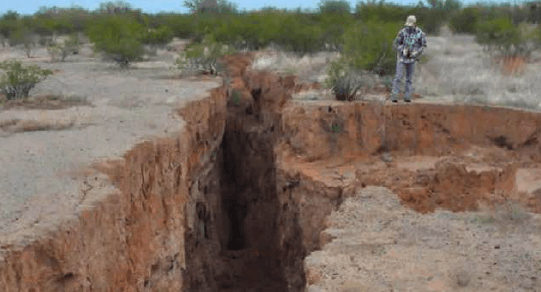 Giant fissures have been appearing
in the ground across the southwest
US. In southcentral Arizona alone,
272 kilometers (169 miles) of these
cracks have been mapped, while they
have also appeared in Utah, California
and Texas. The cracks are not natural
formations, according to Joseph Cook
of the Arizona Geological Survey, who
told Insider that “it’s something we’ve
caused to form”. Subsidence, where the
ground is displaced, is generally the result
of humans trying to get water out
of the ground, causing it to compress
and become unstable.
“More than 80% of known land
subsidence in the US is a consequence of
groundwater use, and is an often overlooked
environmental consequence of
our land and water-use practices,” the
US Geological Survey explains on their
website, adding “increasing land development
threatens to exacerbate existing
land-subsidence problems and initiate
new ones.” Fissures occur where softer
ground collapses, but nearby ground
does not. Like their cousin the sinkhole,
they can open up pretty quickly.
A recent New York Times investigation
into groundwater use and the appearance
of these fissures highlighted
another problem; groundwater is being
depleted faster than it naturally fills up.
“Most of the water we’re pulling out
of the ground is thousands of years
old,” said Jason Groth. “It’s not like it
rains on Monday, and by Saturday it’s
in the aquifer.” ...
Giant fissures have been appearing
in the ground across the southwest
US. In southcentral Arizona alone,
272 kilometers (169 miles) of these
cracks have been mapped, while they
have also appeared in Utah, California
and Texas. The cracks are not natural
formations, according to Joseph Cook
of the Arizona Geological Survey, who
told Insider that “it’s something we’ve
caused to form”. Subsidence, where the
ground is displaced, is generally the result
of humans trying to get water out
of the ground, causing it to compress
and become unstable.
“More than 80% of known land
subsidence in the US is a consequence of
groundwater use, and is an often overlooked
environmental consequence of
our land and water-use practices,” the
US Geological Survey explains on their
website, adding “increasing land development
threatens to exacerbate existing
land-subsidence problems and initiate
new ones.” Fissures occur where softer
ground collapses, but nearby ground
does not. Like their cousin the sinkhole,
they can open up pretty quickly.
A recent New York Times investigation
into groundwater use and the appearance
of these fissures highlighted
another problem; groundwater is being
depleted faster than it naturally fills up.
“Most of the water we’re pulling out
of the ground is thousands of years
old,” said Jason Groth. “It’s not like it
rains on Monday, and by Saturday it’s
in the aquifer.” ...
 Apple revealed its first carbon-neutral
products on Tuesday [September
12th], highlighting select Apple
Watch and band pairings as the first
step in a promised eco-friendly renaissance.
The tech giant plans to make
every one of its products carbon-neutral
by 2030, but with every annual product
cycle, the company ignores the ongoing
e-waste crisis.
The world produces 54 million tons
of e-waste a year, consisting of phones,
computers and other electronics. Only
17% of it is recycled. The bulk of e-waste
is trashed and touched only by informal
waste workers in low-income countries,
who sort through dumpsites for salvage
despite the dangers to their health.
“How much more can our planet take
of machines that are made to break?” says a UN video. “We need gadgets we
can lease, repair, and recycle… We need
industries to design smarter products
that last longer.” ...
Apple attained carbon-neutral status
for some products by using 100% clean
electricity in manufacturing, adding
in 30% recycled or renewable material
by weight, and ensuring that 50% of
shipping occurred without air transport.
The combination of these efforts reduced
carbon emissions by 75%. Apple
covered the remaining 25% with carbon
credits —although organizations like
Greenpeace point out that offsets don’t
necessarily cancel out emissions. ...
Apple’s constant product rollouts have
been compared to fast fashion ...
Read full text:
Apple revealed its first carbon-neutral
products on Tuesday [September
12th], highlighting select Apple
Watch and band pairings as the first
step in a promised eco-friendly renaissance.
The tech giant plans to make
every one of its products carbon-neutral
by 2030, but with every annual product
cycle, the company ignores the ongoing
e-waste crisis.
The world produces 54 million tons
of e-waste a year, consisting of phones,
computers and other electronics. Only
17% of it is recycled. The bulk of e-waste
is trashed and touched only by informal
waste workers in low-income countries,
who sort through dumpsites for salvage
despite the dangers to their health.
“How much more can our planet take
of machines that are made to break?” says a UN video. “We need gadgets we
can lease, repair, and recycle… We need
industries to design smarter products
that last longer.” ...
Apple attained carbon-neutral status
for some products by using 100% clean
electricity in manufacturing, adding
in 30% recycled or renewable material
by weight, and ensuring that 50% of
shipping occurred without air transport.
The combination of these efforts reduced
carbon emissions by 75%. Apple
covered the remaining 25% with carbon
credits —although organizations like
Greenpeace point out that offsets don’t
necessarily cancel out emissions. ...
Apple’s constant product rollouts have
been compared to fast fashion ...
Read full text:
 Many people with disabilities in
the United States face a heartwrenching
choice: marry their partner
and risk losing their life-sustaining disability
benefits, or remain unmarried —
and perhaps have to keep their relationship
a secret— to keep their benefits.
Advocates describe it as one of the
final frontiers of marriage equality, and
part of the problem is that most people
without disabilities, including legislators,
are unaware that the so-called
marriage penalty exists.
To raise awareness, more than 100
people with disabilities are expected
to participate in a mass commitment
ceremony on the National Mall in a
protest hosted by the Disability Rights
Education and Defense Fund, a civil
rights law and policy organization. ...
The reasons many disabled people cannot marry are more complex than
the prohibitions that outlawed samesex
or interracial marriage, and the impacts
are potentially life-threatening. ...
Supplemental Security Income (SSI)
is the most significant of the programs
that have a marriage penalty.
SSI provides monthly payments to
people with disabilities and older adults
who have little to no income. A single
person receiving SSI can have no more
than $2,000 in the bank at any given
time to qualify for benefits. Couples,
on the other hand, can have no more
than $3,000 —a 25 percent reduction
in benefits. If two people on SSI marry,
they essentially experience more punitive
restrictions on their assets —in
other words, a marriage penalty. ...
Many people with disabilities in
the United States face a heartwrenching
choice: marry their partner
and risk losing their life-sustaining disability
benefits, or remain unmarried —
and perhaps have to keep their relationship
a secret— to keep their benefits.
Advocates describe it as one of the
final frontiers of marriage equality, and
part of the problem is that most people
without disabilities, including legislators,
are unaware that the so-called
marriage penalty exists.
To raise awareness, more than 100
people with disabilities are expected
to participate in a mass commitment
ceremony on the National Mall in a
protest hosted by the Disability Rights
Education and Defense Fund, a civil
rights law and policy organization. ...
The reasons many disabled people cannot marry are more complex than
the prohibitions that outlawed samesex
or interracial marriage, and the impacts
are potentially life-threatening. ...
Supplemental Security Income (SSI)
is the most significant of the programs
that have a marriage penalty.
SSI provides monthly payments to
people with disabilities and older adults
who have little to no income. A single
person receiving SSI can have no more
than $2,000 in the bank at any given
time to qualify for benefits. Couples,
on the other hand, can have no more
than $3,000 —a 25 percent reduction
in benefits. If two people on SSI marry,
they essentially experience more punitive
restrictions on their assets —in
other words, a marriage penalty. ...
 Claudia Duarte Agostinho, a 24-yearold
ER nurse from western Portugal,
gets stressed thinking about the reality
of climate change. “Right now … the big
impact that it’s having on my life is the
anxiety it gives me daily,” she says. She
is leading a group of six young people in
a landmark lawsuit against 32 countries,
including all EU member states, Norway,
Switzerland, the United Kingdom, Russia
and Turkey. It will be heard at the
European Court of Human Rights later
this month.
The group, the youngest member of
whom is just 11, will argue that government
inaction on climate change
discriminates against young people and
poses a tangible risk to their lives and
health. It is the first time that so many
countries have had to defend themselves
in front of any court in the world. “This is truly a David and Goliath
case,” says Dr Gearoid O Cuinn, director
of the Global Legal Action Network,
which is supporting the lawsuit. “It is
unprecedented in its scale and in its
consequences,” he adds.
The case was sparked by a series of
forest fires in Portugal in 2017, which
killed more than 100 people and were
worsened by climate change. Andre
Oliveira, who was just nine years old
at the time, describes it as a “terrifying
experience”. He says smoke from
the fires aggravated his asthma, while
repeated periods of intense heat have
since made it hard to sleep and concentrate
on studying for his exams. ...
Andre’s sister, 18-year-old Sofia, says
anxiety about the climate ...
Claudia Duarte Agostinho, a 24-yearold
ER nurse from western Portugal,
gets stressed thinking about the reality
of climate change. “Right now … the big
impact that it’s having on my life is the
anxiety it gives me daily,” she says. She
is leading a group of six young people in
a landmark lawsuit against 32 countries,
including all EU member states, Norway,
Switzerland, the United Kingdom, Russia
and Turkey. It will be heard at the
European Court of Human Rights later
this month.
The group, the youngest member of
whom is just 11, will argue that government
inaction on climate change
discriminates against young people and
poses a tangible risk to their lives and
health. It is the first time that so many
countries have had to defend themselves
in front of any court in the world. “This is truly a David and Goliath
case,” says Dr Gearoid O Cuinn, director
of the Global Legal Action Network,
which is supporting the lawsuit. “It is
unprecedented in its scale and in its
consequences,” he adds.
The case was sparked by a series of
forest fires in Portugal in 2017, which
killed more than 100 people and were
worsened by climate change. Andre
Oliveira, who was just nine years old
at the time, describes it as a “terrifying
experience”. He says smoke from
the fires aggravated his asthma, while
repeated periods of intense heat have
since made it hard to sleep and concentrate
on studying for his exams. ...
Andre’s sister, 18-year-old Sofia, says
anxiety about the climate ...
 The New Jersey Fish and Game
Council approved a bear management
plan Wednwsday [September 6th]
that would allow bear hunting until at
least 2028, despite objections of environmental
and animals rights organizations
who call the harvesting cruel and
inhumane. The plan still needs approval
of the state Department of Environmental
Protection commissioner Shawn
LaTourette, who is expected to sign off.
The council’s chairperson, Frank
Virgilio, told attendees of a virtual
public hearing that the panel weighed
8,000 public comments when considering
adoption of the proposed
comprehensive black bear policy for the
state. The council says the policy will
control the bear population and minimize
human encounters, reasoning that opponents dispute. “If you don’t
think that we don’t take this stuff seriously,
not only do we take it seriously,
but the commissioner’s office takes it
seriously; the governor’s office takes it
seriously,” Virgilio said.
The all-volunteer, 11 member council
is composed by law of six “sportsmen”
—meaning hunters or anglers— three
farmers, and two commercial anglers.
The New Jersey Sierra Club, which has
long been opposed to the hunt, said
hundreds of residents had voiced opposition
to the hunt and are asking La-
Tourette to reject it. ... DEP data show
a 32% drop in bear activity, including
sightings and encounters, from Jan. 1
through Aug. 21 of 2023 compared to
the same period in 2022. ...
The New Jersey Fish and Game
Council approved a bear management
plan Wednwsday [September 6th]
that would allow bear hunting until at
least 2028, despite objections of environmental
and animals rights organizations
who call the harvesting cruel and
inhumane. The plan still needs approval
of the state Department of Environmental
Protection commissioner Shawn
LaTourette, who is expected to sign off.
The council’s chairperson, Frank
Virgilio, told attendees of a virtual
public hearing that the panel weighed
8,000 public comments when considering
adoption of the proposed
comprehensive black bear policy for the
state. The council says the policy will
control the bear population and minimize
human encounters, reasoning that opponents dispute. “If you don’t
think that we don’t take this stuff seriously,
not only do we take it seriously,
but the commissioner’s office takes it
seriously; the governor’s office takes it
seriously,” Virgilio said.
The all-volunteer, 11 member council
is composed by law of six “sportsmen”
—meaning hunters or anglers— three
farmers, and two commercial anglers.
The New Jersey Sierra Club, which has
long been opposed to the hunt, said
hundreds of residents had voiced opposition
to the hunt and are asking La-
Tourette to reject it. ... DEP data show
a 32% drop in bear activity, including
sightings and encounters, from Jan. 1
through Aug. 21 of 2023 compared to
the same period in 2022. ...
 Global movement Avaaz has brought
the real jungle to the concrete
jungle, filling the Manhattan skyline
with 1,000 drones displaying iconic
Amazon rainforest images and messages
calling on the Brazilian government
to save the rainforest. As President
Lula returns to the UN General
Assembly, Avaaz is drawing attention
to the crucial role the Amazon plays in
protecting the planet and underscoring
that Bolsonaro’s departure does not
mean the Amazon is safe.
The show aims to bring life to New
York City’s sky: A pink dolphin swimming
over Manhattan’s skyline, a
jaguar, a Sumaúma (one of the largest
trees of the rainforest), emerging from
the skyscrapers; the Brazilian map, and
a globe in flames with the message
“Amazon burns, The world burns” are among some of the impactful images
brought by Avaaz.
Diego Casaes, Campaign Director at
Avaaz, says: “No matter where you live
in the world, the Amazon rainforest is
protecting you, and if this forest falls
we all fall. That is why 9 million people
around the world are calling on President
Lula and the rest of the world’s
leaders to commit to protecting this
forest at all costs. People think that the
rainforest is safe because Bolsonaro,
the enemy of the Amazon, is no longer
in power. Let’s not be fooled. This
forest will only be safe when there is a
commitment to end the mining, drilling,
and logging that has devastated
this heartbeat of our planet, and when
all Indigenous peoples have their land
rights secured.” ...
Global movement Avaaz has brought
the real jungle to the concrete
jungle, filling the Manhattan skyline
with 1,000 drones displaying iconic
Amazon rainforest images and messages
calling on the Brazilian government
to save the rainforest. As President
Lula returns to the UN General
Assembly, Avaaz is drawing attention
to the crucial role the Amazon plays in
protecting the planet and underscoring
that Bolsonaro’s departure does not
mean the Amazon is safe.
The show aims to bring life to New
York City’s sky: A pink dolphin swimming
over Manhattan’s skyline, a
jaguar, a Sumaúma (one of the largest
trees of the rainforest), emerging from
the skyscrapers; the Brazilian map, and
a globe in flames with the message
“Amazon burns, The world burns” are among some of the impactful images
brought by Avaaz.
Diego Casaes, Campaign Director at
Avaaz, says: “No matter where you live
in the world, the Amazon rainforest is
protecting you, and if this forest falls
we all fall. That is why 9 million people
around the world are calling on President
Lula and the rest of the world’s
leaders to commit to protecting this
forest at all costs. People think that the
rainforest is safe because Bolsonaro,
the enemy of the Amazon, is no longer
in power. Let’s not be fooled. This
forest will only be safe when there is a
commitment to end the mining, drilling,
and logging that has devastated
this heartbeat of our planet, and when
all Indigenous peoples have their land
rights secured.” ...

 Created for children
with ADHD or Sensory Integration
Disorder (SID). Each critter is either 2 or
2.5 lbs (around 1 kg) and can be placed
on the child’s lap or shoulders. It offers
pressure touch and proprioceptive input.
www.performancehealth.com
Created for children
with ADHD or Sensory Integration
Disorder (SID). Each critter is either 2 or
2.5 lbs (around 1 kg) and can be placed
on the child’s lap or shoulders. It offers
pressure touch and proprioceptive input.
www.performancehealth.com
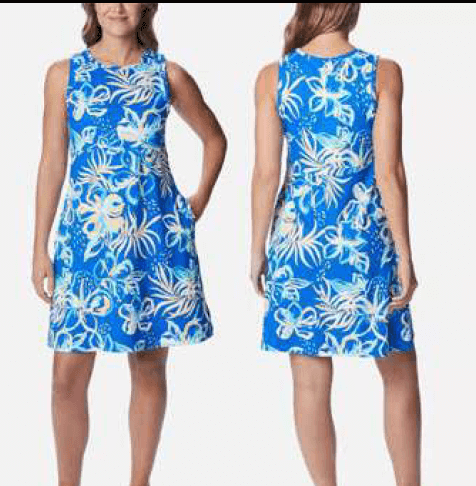 Combines
moisture-wicking power with advanced
cooling technology. Features hand
pockets, and UPF 50 sun protection.
www.columbia.com
Combines
moisture-wicking power with advanced
cooling technology. Features hand
pockets, and UPF 50 sun protection.
www.columbia.com

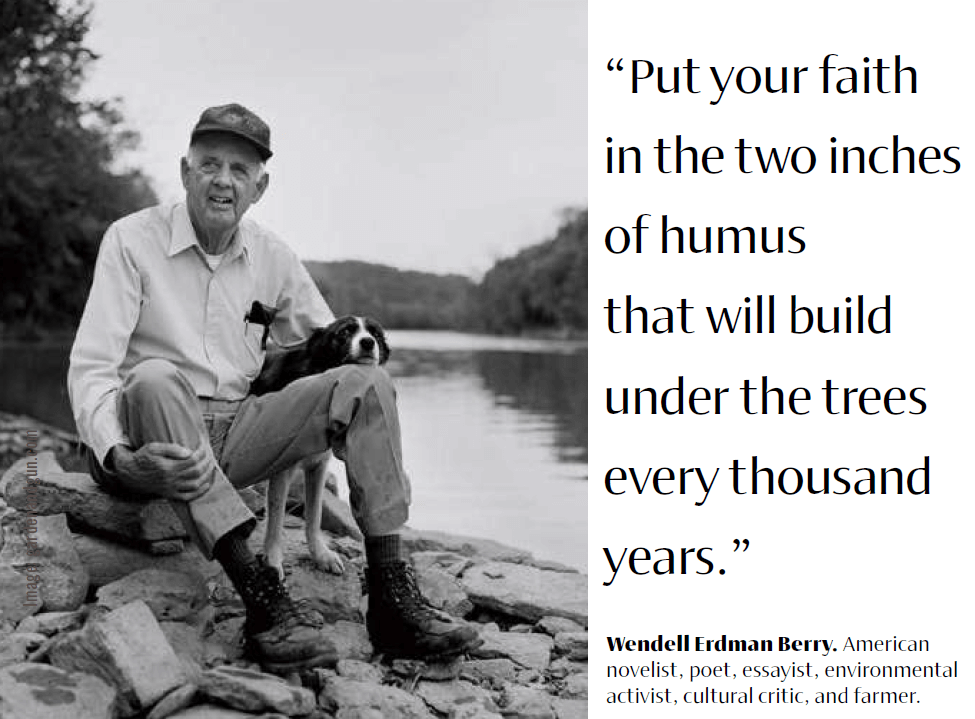 “Put your faith
in the two inches
of humus
that will build
under the trees
every thousand
years.”
“Put your faith
in the two inches
of humus
that will build
under the trees
every thousand
years.” 

 The AIU Distance Learning Bachelor
of Journalism program will be a
custom-made program, designed just
for you by you and your academic advisor.
This flexibility to meet student
needs is seldom found in other distance
learning programs. Our online
program does not require all students
to take the same subjects/courses, use
the same books, or learning materials.
Instead, the online Bachelor of
Journalism curriculum is designed individually
by the student and academic
advisor. It specifically addresses individual
strengths and weaknesses with
respect to market opportunities in the
student’s major and intended field of
work. Understanding that industry
and geographic factors should influence
the content of the curriculum
instead of a standardized one-fits-all
design is the hallmark of AIU’s unique
approach to adult education. This
philosophy address the dynamic and
constantly changing environment of
working professionals by helping adult
students in reaching their professional
and personal goals within the scope of
the degree program.
Writers work with editors and publishers
throughout the writing process
to review edits, topics, and production
schedules. Editors and publishers may
assign topics to staff writers or review
proposals from freelance writers. All
writers conduct research on their topics,
which they gather through personal
observation, library and Internet
research, and interviews. Writers,
especially of nonfiction, are expected to
establish their credibility with editors
and readers through strong research
and the use of appropriate sources and
citations. Writers and authors then
select the material they want to use.
The AIU Distance Learning Bachelor
of Journalism program will be a
custom-made program, designed just
for you by you and your academic advisor.
This flexibility to meet student
needs is seldom found in other distance
learning programs. Our online
program does not require all students
to take the same subjects/courses, use
the same books, or learning materials.
Instead, the online Bachelor of
Journalism curriculum is designed individually
by the student and academic
advisor. It specifically addresses individual
strengths and weaknesses with
respect to market opportunities in the
student’s major and intended field of
work. Understanding that industry
and geographic factors should influence
the content of the curriculum
instead of a standardized one-fits-all
design is the hallmark of AIU’s unique
approach to adult education. This
philosophy address the dynamic and
constantly changing environment of
working professionals by helping adult
students in reaching their professional
and personal goals within the scope of
the degree program.
Writers work with editors and publishers
throughout the writing process
to review edits, topics, and production
schedules. Editors and publishers may
assign topics to staff writers or review
proposals from freelance writers. All
writers conduct research on their topics,
which they gather through personal
observation, library and Internet
research, and interviews. Writers,
especially of nonfiction, are expected to
establish their credibility with editors
and readers through strong research
and the use of appropriate sources and
citations. Writers and authors then
select the material they want to use.
 Atlantic International University is accredited by the Accreditation Service for International
Schools, Colleges and Universities (ASIC). ASIC Accreditation is an internationally
renowned quality standard for colleges and universities. Visit ASIC’s Directory of Accredited
Colleges and Universities. ASIC is a member of CHEA International Quality Group
(CIQG) in the USA, an approved accreditation body by the Ministerial Department of the Home Office
in the UK, and is listed in the International Directory of the Council for Higher Education Accreditation
(CHEA). The University is based in the United States and was established by corporate charter in 1998.
Atlantic International University is accredited by the Accreditation Service for International
Schools, Colleges and Universities (ASIC). ASIC Accreditation is an internationally
renowned quality standard for colleges and universities. Visit ASIC’s Directory of Accredited
Colleges and Universities. ASIC is a member of CHEA International Quality Group
(CIQG) in the USA, an approved accreditation body by the Ministerial Department of the Home Office
in the UK, and is listed in the International Directory of the Council for Higher Education Accreditation
(CHEA). The University is based in the United States and was established by corporate charter in 1998.
 In some cases, accredited colleges
may not accept for transfer courses and degrees
completed at unaccredited colleges, and some
employers may require an accredited degree as
a basis for eligibility for employment. Potential
students should consider how the above may affect
their interests, AIU respects the unique rules and
regulations of each country and does not seek to
influence the respective authorities. In the event
that a prospective student wishes to carry out any
government review or process in regards to his
university degree, we recommend that the requirements
of such are explored in detail with the relevant
authorities by the prospective student as the
university does not intervene in such processes.
AIU students can be found in over 180 countries,
they actively participate and volunteer
in their communities as part of their academic
program and have allocated thousands of service
hours to diverse causes and initiatives. AIU
programs follow the standards commonly used by
colleges and universities in the United States with
regards to the following: academic program
structure, degree issued, transcript, and
other graduation documents.
AIU graduation documents can include
an apostille and authentication from the
US Department of State to facilitate their
use internationally.
In some cases, accredited colleges
may not accept for transfer courses and degrees
completed at unaccredited colleges, and some
employers may require an accredited degree as
a basis for eligibility for employment. Potential
students should consider how the above may affect
their interests, AIU respects the unique rules and
regulations of each country and does not seek to
influence the respective authorities. In the event
that a prospective student wishes to carry out any
government review or process in regards to his
university degree, we recommend that the requirements
of such are explored in detail with the relevant
authorities by the prospective student as the
university does not intervene in such processes.
AIU students can be found in over 180 countries,
they actively participate and volunteer
in their communities as part of their academic
program and have allocated thousands of service
hours to diverse causes and initiatives. AIU
programs follow the standards commonly used by
colleges and universities in the United States with
regards to the following: academic program
structure, degree issued, transcript, and
other graduation documents.
AIU graduation documents can include
an apostille and authentication from the
US Department of State to facilitate their
use internationally.
| Dr. Franklin Valcin Presi den t/Academic Dean |
Dr. José Mercado Chief Executive Officer Chairman of the Board of Trustees |
Ricardo González, PhD Provost |
| Dr. Ricardo Gonzalez Chief Operation Officer and MKT Director |
Linda Collazo Logistics Coordinator |
AIU Tutors Coordinators: Deborah Rodriguez Amiakhor Ejaeta Amanda Gutierrez William Mora Miriam James Admissions Coordinators: Amalia Aldrett Sandra Garcia Junko Shimizu Veronica Amuz Alba Ochoa Jenis Garcia Judith Brown Chris Soto René Cordón Dr. Anderas Rissler Academic Coordinators: Dr. Adesida Oluwafemi Dr. Emmanuel Gbagu Dr. Lucia Gorea Dr. Edgar Colon Dr. Mario Rios Freddy Frejus Dr. Nilani Ljunggren De Silva Dr. Scott Wilson Dr. Mohammad Shaidul Islam |
| Dr. Miriam Garibaldi Vice provost for Research |
Carolina Valdes Human Resource Coordinator |
|
| Dr. Ofelia Miller Director of AIU |
Carlos Aponte Teleco mmunications Coordinator |
|
| Clara Margalef Director of Special Projects of AIU |
David Jung Corporate/Legal Counsel |
|
| Juan Pablo Moreno Director of Operations |
Bruce Kim Advisor/Consultant |
|
| Paula Viera Director of Intelligence Systems |
Thomas Kim Corporate/ Accounting Counsel |
|
| Felipe Gomez Design Director / IT Supervisor |
Maricela Esparza Administrative Coordinator |
|
| Kevin Moll Web Designer |
Chris Benjamin IT and Hosting Support |
|
| Daritza Ysla IT Coordinator |
Maria Pastrana Accounting Coordinator |
|
| Daritza Ysla IT Coordinator |
Roberto Aldrett Communications Coordinator |
|
| Nadeem Awan Chief Programming Officer |
Giovanni Castillo IT Support |
|
| Dr. Edward Lambert Academic Director |
Antonella Fonseca Quality Control & Data Analysis |
|
| Dr. Ariadna Romero Advisor Coordinator |
Adrián Varela Graphic Design |
|
| Jhanzaib Awan Senior Programmer |
Vanesa D’Angelo Content Writer |
|
| Leonardo Salas Human Resource Manager |
Jaime Rotlewicz Dean of Admissions |
|
| Benjamin Joseph IT and Technology Support |
Michael Phillips Registrar’s Office |
|
| Rosie Perez Finance Coordinator |
||
 The School of Business and Economics
allows aspiring and practicing
professionals, managers, and entrepreneurs
in the private and public sectors
to complete a self paced distance
learning degree program of the highest
academic standard.
The ultimate goal is to empower
learners and help them take advantage
of the enormous array of resources
from the world environment in order
to eliminate the current continuum of
poverty and limitations.
Degree programs are designed for
those students whose professional experience has been in business,
marketing, administration, economics,
finance and management.
The School of Business and Economics
allows aspiring and practicing
professionals, managers, and entrepreneurs
in the private and public sectors
to complete a self paced distance
learning degree program of the highest
academic standard.
The ultimate goal is to empower
learners and help them take advantage
of the enormous array of resources
from the world environment in order
to eliminate the current continuum of
poverty and limitations.
Degree programs are designed for
those students whose professional experience has been in business,
marketing, administration, economics,
finance and management.
 The School of Social and Human Studies
is focused on to the development of
studies which instill a core commitment
to building a society based on social and
economic justice and enhancing opportunities
for human well being.
The founding principles lie on the
basic right of education as outlined
in the Declaration of Human Rights.
We instill in our students a sense of
confidence and self reliance in their
ability to access the vast opportunities
available through information channels,
the world wide web, private, public,
nonprofit, and nongovernmental organizations in an ever expanding
global community.
Degree programs are aimed towards
those whose professional life has been
related to social and human behavior,
with the arts, or with cultural studies.
The School of Social and Human Studies
is focused on to the development of
studies which instill a core commitment
to building a society based on social and
economic justice and enhancing opportunities
for human well being.
The founding principles lie on the
basic right of education as outlined
in the Declaration of Human Rights.
We instill in our students a sense of
confidence and self reliance in their
ability to access the vast opportunities
available through information channels,
the world wide web, private, public,
nonprofit, and nongovernmental organizations in an ever expanding
global community.
Degree programs are aimed towards
those whose professional life has been
related to social and human behavior,
with the arts, or with cultural studies.
 The School of Science and Engineering
seeks to provide dynamic, integrated,
and challenging degree programs
designed for those whose experience
is in industrial research, scientific production,
engineering and the general
sciences. Our system for research and
education will keep us apace with the
twenty-first century reach scientific
advance in an environmentally and
ecologically responsible manner to allow
for the sustainability of the human
population. We will foster among our
students a demand for ethical behavior,
an appreciation for diversity, an understanding
of scientific investigation, knowledge of design innovation, a
critical appreciation for the importance
of technology and technological change
for the advancement of humanity.
The School of Science and Engineering
seeks to provide dynamic, integrated,
and challenging degree programs
designed for those whose experience
is in industrial research, scientific production,
engineering and the general
sciences. Our system for research and
education will keep us apace with the
twenty-first century reach scientific
advance in an environmentally and
ecologically responsible manner to allow
for the sustainability of the human
population. We will foster among our
students a demand for ethical behavior,
an appreciation for diversity, an understanding
of scientific investigation, knowledge of design innovation, a
critical appreciation for the importance
of technology and technological change
for the advancement of humanity.
 With access to a global catalog created and maintained collectively by more than
9,000 participating institutions, AIU students have secured excellent research
tools for their study programs.
With access to a global catalog created and maintained collectively by more than
9,000 participating institutions, AIU students have secured excellent research
tools for their study programs.