


| Pablo Javier Diaz Bachelor of Science Mechanical Engineering Argentina |
Hector Ivan Rodriguez Doctor of Science Statistics Argentina |
Sandra Carina Bracelente Master of Health Science Nutrition and Wellness Argentina |
Elena Beatriz Gonzalez Master of Health Science Nutrition and Wellness Argentina |
Yahaira Eloisa Flores Buchizo Bachelor of Accounting Accounting Bolivia |
José Miguel Jaldin Suárez Master of Health Science Nutrition and Wellness Bolivia |
| Tshephang Mokwenaotsile Bachelor of Accounting Accounting Botswana |
Gyanesh Kumar Doctor of Business Administration Business Administration Brazil |
Guiésrima Philippe Bonkoungou Master of Science Security Intelligence Burkina Faso |
Bate Paschal Tabot Bachelor of Business Administration Business Administration Cameroo n |
Vukugah Achombwom Thomas Doctor of Philosop hy Epidemiology Cameroo n |
Tchim Tabaro Doctor of Philosop hy Community Health Development Canada |
| Ajayi Adekunle Oluwole Doctor of Philosop hy Accounting Canada |
Myriam Díaz Plata Doctor of Management Project Management Colombia |
Temfack Aurore Bachelor of Educational Administration Educational Administration Democratic Republic of Congo |
Ursula María Rosa Acosta Barrera Doctor of Literature Hispanic American Literature Dominican Republic |
Santa Benita Díaz Victoriano Doctor of Human Resources Human Resources Dominican Republic |
Rafael Bolívar Sención Ávila Bachelor of International Business International Business Dominican Republic |
| Aleanny Jeanell Paulino Bachelor of Nutrition Functional Foods Dominican Republic |
Juan Alberto Sanchez Ferreras Master of Criminal Intelligence Analysis Intelligence, Counterint. and Analysis Dominican Republic |
Henry Maurice Basabe Bachelor of Psychology Development Health Ecuador |
Víctor Eduardo Soto García Master of Health Science Nutrition and Wellness Ecuador |
Freddy Whimper Torres Flores Doctor of Philosop hy Profile Design and Curriculum Reform Ecuador |
Jose R. C. G. Rampone Castaneda Bachelor of Information Technology Information Security El Salvador |
| Sulayman Darboe Bachelor of Science Psychology Gambia |
Ricardo Filipe dos Santos Miguel Bachelor of Science Health Science Germany |
Rita Chajil Yoxón Bachelor of Social Work Social Work Guatemala |
Jean Traore Master of Arts Communication and Public Relations Guinea |
Cynthia Sandhya Sukhai Doctor of Science Forensic Psychology Guyana |
Akash Persaud Master of Science Educational Psychology Guyana |
| Edis Zulema López Padilla Master of Science Environmental Science Honduras |
Dra. Anna Maria Corbianco Master of Health Science Nutrition and Wellness Italy |
Amadou Koita Doctor of Public Health Health Financing and Policy Mali |
Saira Elena Murillo Murillo Bachelor of Science Marine Biology Mexico |
Patricia Magaña Viramontes Bachelor of Business Administration Organizational Development Mexico |
Eli Ulloa Guadal Master of Health Science Nutrition and Wellness Mexico |
| Dra. Consuelo Avilés Morán Master of Health Science Nutrition and Wellness Mexico |
Alma Karina García Padilla Master of Health Science Nutrition and Wellness Mexico |
Maria Elizabeth Amaya Sandoval Master of Health Science Nutrition and Wellness Mexico |
Dra. Gabriela Martínez Franco Master of Health Science Nutrition and Wellness Mexico |
Dra. Myrna Limón Morales Master of Health Science Nutrition and Wellness Mexico |
Dr. Raziel Ramos Garcia Master of Health Science Nutrition and Wellness Mexico |
| Celso Cossa Master of Business Administration Business Management Mozambique |
Ifeanyi Eddy Okoh Master of Science Engineering Management Nigeria |
Ekundayo Olorundare Doctor of Philosop hy Peace, Leadership and Conflict Resolution Nigeria |
Babatunde Omotoba Doctor of Philosop hy Business Administration Nigeria |
Owolabi Olufemi Bachelor of Science Business Administration Nigeria |
Heman Usman Bassi Doctor of Philosop hy Marketing Nigeria |
| Cordelia Obioma Elijah Master of Science Project Management Nigeria |
Muhammad Kabir Mustapha Doctor of Science Software Engineering Nigeria |
Nnenyelike Lawrence Uzochukwu Doctor of Business Administration Business Administration Nigeria |
Egberock Sunday Egbe Doctor of Economics Petroleum Economics Norway |
Wahid Jubran Hamad Doctor of Philosop hy Educational Leadership Palestine |
Hussein Imam Ali Zainelabdin Master of Spo rts Science Sport Development Qatar |
| Kubwimana Marie Charlotte Master of Science Public Health Rwanda |
France Gonsalve Bonté Post-Doctorate of Science Legal Studies Seychelles |
Joycy E. S. George Associate of Education Education Sierra Leone |
Osman Mohamed Jama Bachelor of Science Public Health Somalia |
Said Abdillaahi Ahmed Weid Bachelor of Business Administration Public Administration Somalia |
Nosizwe N.P. Pakade Doctor of Arts Gender and Development Studies South Africa |
| Ester Vera Kruger Bachelor of Social and Human Studies Public Health South Africa |
Frans Martinus Labuschagne Bachelor of Science Civil Engineering South Africa |
Dra. Neuda Marques de Oliveira Master of Health Science Nutrition and Wellness Spa in |
Ma Dolores Pérez-Jaraiz Master of Health Science Nutrition and Wellness Spa in |
Rafael Navas Espejo Master of Health Science Nutrition and Wellness Spa in |
Grace Emica Nagato Namiki Master of Health Science Nutrition and Wellness Spa in |
| Dra. Manuela Gómez Pérez Master of Health Science Nutrition and Wellness Switzerland |
James Charles Okello Doctor of Philosop hy Project Management Uganda |
Agaba Collins Doctor of Philosop hy Public Health Uganda |
Dipolelo Petronella Phokela Master of Health Science Maternal and Child Health United Arab Emirates |
Mark Jarad Dearden Doctor of Philosop hy Educational Psychology United Arab Emirates |
Andrea Carroll Doctor of Special Education Needs Dyslexia United Kingdom |
| Federico Delucchi Vona Bachelor of Economics Economics Uruguay |
Dra. Alma Martínez Master of Health Science Nutrition and Wellness Uruguay |
Dra. Gabriela Ruth Laks Master of Health Science Nutrition and Wellness Uruguay |
V Balamuralidhar Sarabu Post-Doctorate of Science Computer Science US A |
Guillermo Ezequiel Batista Civil Bachelor of Science Psychology US A |
Henry Adigwe Nwanze Bachelor of Science Electrical Engineering US A |
| Mark B Carpenter Bachelor of Arts General Studies US A |
Yingzhe Li Doctor of Philosop hy Biology US A |
Charles John Peter Conrick IV Doctor of Science Economics US A |
Fabián Raymundo Estrada Osorio Bachelor of Systems Engineering Computer Science US A |
Osward Sinyangu Master of Science Mechanical Engineering Zambia |
Nathan Kashimu Changwe Bachelor of Business Administration Accounting and Supply Chain Management Zambia |

 Herbert Thole
Bachelor of Public Health
June 3, 2022
“My name is Herbert Thole
and I enrolled with Atlantic
International University in the school
for Social and Human Sciences, for a
bachelor’s in public health on 24th November
2020.
I have just completed my Bachelor’s
degree in Public Health and successfully
completed all the course requirements.
It is my pleasure to write this
experience letter expressing my highest
regard to the value of knowledge and
skills that I have acquired from studying
at AIU.
When I enrolled at AIU my goal was
to work hard and attain the academic
qualification at the end of my studies,
but AIU changed my viewpoint of
education. It has taught me the real
value of education “that education has
to meet the immediate needs of any
student, be it improving the skills and
knowledge to improve execution of
daily task, time management, increasing
personal income, organizational
skills and overall, the attainment of
the professional and academic goals”.
The opportunity to create one’s own
curriculum according to the individual
needs is valuable and I was able to come
up with the curriculum that addresses
my personal educational needs.
The timely assistance, work ethics
and feedback from my tutors and academic
advisor have really helped me ...
READ FULL TEXT: https://www.aiu.edu/Testimonialdetail.html?It
emID=1857&rcid=73&pcid=63&cid=73
 Mikiesha Murphy
Bachelor of Accounting and Finance
May 25, 2022
“I was enrolled in the school of
Business and Economics where
I pursue my studies in Accounting and
finance. My experience at AIU has been
good. I commend the team at AIU for
being well organized, accurate with
data, the communication of coming
events/ webinars etc. was excellent. I
really appreciate the effort the team
at AIU demonstrate to help students
to grow in every area of their studies
(library, webinars, articles etc.). Also,
the tools available online to help us live
a balanced life.
I thank you for the opportunity to
have studied at AIU, which has empowered
me to make a difference in
the world. I pray God’s richest blessing
upon AIU and that God will continue ...
READ FULL TEXT: https://www.aiu.edu/Testimonialdetail.html?It
emID=1855&rcid=73&pcid=63&cid=73
 Augustine Kaponge Chisalu
Master of Mechanical and Industrial
Engineering
June 3, 2022
“Studying at Atlantic International
University was a great opportunity
in my career as an engineer.
AIU made it possible for me to acquire
my master degree in my life. Just from
enrolment, I was given a chance to
register into program with affordable
fee and I was given a partial scholarship
that made it easier for me to manage
my tuition fee as I had a family to
look after. I was inspired at the begin
by my tutor on how to go about my
studies and the benefit of studying on
distance learning. This gave me courage
to pursue my studies with Atlantic
International University, meanwhile I
am was working, which also gave hope
to study because my family responsibility
was secured and I could manage
to pay tuition fees from my job.
The first time I login on the platform,
I was impressed with the education
environment that allowed me to
design my own curriculum. On the
curriculum formulation, I managed to
put the most subjects that my current
job and career wise need most. With ...
READ FULL TEXT: https://www.aiu.edu/Testimonialdetail.html
?ItemID=1858&rcid=73&pcid=63&cid=73
 Stephen Okello
Bachelor of Environmental
Engineering and Management
June 7, 2022
“I was accepted at Atlantic International
University (AIU) on
March 7, 2016 ... During my study, I
experienced an imaginable professional
assistance and/or support to achieve
my academic and professional development
goals through dedicated admissions
counselor, Tutors and Academic
Advisers with immense qualifications,
experience, and expertise.
The academic program design takes
into consideration diversity, equity, and
inclusion for all humans irrespective
of location in terms of time difference
and busy schedules. The flexibility of
the program is amazing considering it’s
self-instruct and individual curriculum
development approaches coupled with
accelerated completion option. Considering
my admission time and the
completion date, I would say without
AIU my academic, professional development
and financial goals would have
been long forgotten. I am humbled being
part of the AIU community.
I look forward to further my academic
and professional development goals ...
READ FULL TEXT: https://www.aiu.edu/Testimonialdetail.html?It
emID=1859&rcid=73&pcid=63&cid=73

The concept of education
always presupposes school
education; education in a
classroom or by following the
online process.
Education has different
forms: education can be formal
education and informal education.
What is always there is
to do something new based on
concepts that we already have
and new concepts that will give
us a new element to our work,
whether in science or in life.
Formal education is that
organized with a purpose and a
process: we speak of programs,
levels, Philosophy, Policies,
areas of knowledge and certification.
In this education there
is a concept of human being,
society and science. Sometimes
they can be manifest and other
times through the documents
that the organization presents
us, we can identify the mentioned
aspects.
In informal education,
education is what we learn
from others or by ourselves.
This education allows us to
insert ourselves into a society
regardless of formal education.
Informal education is
part of the group to which we
belong to it identifies us as such even though we also have
less knowledge of international
society.
We ask ourselves:
why, with so many ways
of learning, are we living
in a time in history in
which so much science
and so much technology
seems to be that we
are not in the world in
which we should live?
What are we
missing?
What did we do wrong?
What are we still
doing wrong?
Doing a quick overview, what
we notice at a general level, at
a global level, is that this social
group, which forms a nation,
opposes what this other group,
which forms another nation,
says; that these human beings
oppose what the others human
beings say; even within the
same country.
It seems that we live confused
between what is freedom
and the union to achieve the
ends and well-being for all.
What is noticeable at first
glance, more and more, is that
there is an interest in having
the best without caring about
the other. There is no question
if it is the best for me within
my faculties. There is only:
having and having at the cost
of whatever and whoever.
What education
have we forgotten that today is costing us lives
and the planet?
We are witnessing forest fires
in Europe and the United
States-USA. Lack of foods for
certain human groups. We
are living the consequences of
undeclared wars. We are witnesses
or victims of the great
droughts. We see how politics
is to find the way to govern for
the enrichment of the group in
power by bringing social forms
of administration that are already
proven not to work.
The only thing that is constant
is the economic interest
at any rate: this culture claims
to be the owner of knowledge,
the other says: we are the
owners of the money.
No matter what kind of life;
the planet in which only life is
possible for us is claiming it
from all sides.
What have we
not learned?
We have not learned
values: we have not
learned moral values; it’s not about religion.
We have not learned
to value the other.
We have not learned to
value life; the life of the
planet and the life of
every human being.
We are on planet Earth but
each one wants to be only
owner. We need to learn the
value of living with the other.
We need to learn how to maintain
the life of our planet. We
need to learn moral values instead
of reciting them to pass a
course. We have to see the life
of the planet. We have to see
life in the other. We have to
learn to live with the other.
The education we have to
offer, formal or informal, to
all those who depend on us, is
about what it is to be a human
being. What we must re-educate
ourselves in is what it is
to be a human being.
The history of humanity is
as follows: divide the execution
of tasks between men and
women. In the formation of
human groups, women dedicated
themselves to agriculture
due to the sedentary lifestyle
that it represents; the men on
the hunt for the move behind
the prey and the force that in
some cases had to be done.
Over the centuries the tasks
have become more specific for
each sex.
With the development of science
and technology we have
not introduced the changes
that human beings and society
demand.
Today education and reeducation
is necessary as to
what it is to be a human being.
A human being is
someone who must
carry out the necessary
tasks and what we do is:
since they were small, boys do this and girls do
this other.
Beings of the female sex are
taught these tasks and they
have been constituted in the
tasks that are considered of
lower rank.
Male humans do tasks that
indicate superiority.
A man doesn’t cook because
that’s a woman’s job.
A man doesn’t sew a button
because that’s a woman’s job.
From a young age: the girl
dresses in pink and the boy
in blue. Today pink shirts are
made but there are men who
don’t wear them at all.
When a boy is born in a
family: How wonderful! When
a girl is born: everyone is
silent.
In the workplace, today,
women demand the same
payment for the same work as
a man.
How long did it take women
to be able to vote?
How long did it take women
to be able to study careers in
which there are more men
because it was considered that
strength or more logical development
was necessary?
We have to educate and
re-educate ourselves that we
are human beings who can
perform a high percentage of
common tasks.
We have to educate and reeducate
ourselves, nowadays:
the man is not the provider and the women the second in
obtaining the goods for the
family.
We have to educate ourselves
and re-educate ourselves that
life is more than possessing
goods at any cost.
We have to educate and reeducate
ourselves that happiness
is developing our personal
skills instead of sinking someone
in order to be important.
We have to educate and reeducate
ourselves that life has
to be possible for everyone.
We have to educate and reeducate
ourselves to generate
life on the planet, which is our
only possible home so far.
We have to educate and reeducate
ourselves to be useful
in all aspects because there
shouldn’t be tasks for men and
tasks for women.
We have to educate and reeducate
ourselves in that we
are beings that should grow up
with the same opportunities
and the same rights. We have
to educate and re-educate ourselves
that happiness lie in the
well-being of each one and in
developing the skills that make
us unique beings.
At this time, Western society
is involved in a war that will
not stop for a long time and
we are seeing diminishing resources,
increasing inequalities and proven policies that do not
generate good.
The East does not want to
interfere in the problem of the
West: they seek love of nature
and acceptance of others.
If we follow both in the
West and in the East in
what: We are the richest.
We are the most cultural.
Happiness is only
achieved by having a
lot of money. It doesn’t
matter to sink the other
as long as you have
goods. Women are worth
less than men. The
planet will continue producing
what we want.
If we continue
like this: we will
continue in the crisis
we are living
nowadays.
BIBLIOGRAPHY. Savater, Fernando (2020). Reflexiones en mitad de la Crisis-
Ethic. Retrieved from: https://ethic.es/2020/04/crisis-coronavirus-fernando-savater/

Mistake 3: Not determining
the investor’s
risk preference.
Risk and uncertainties are
avoidable aspects of all investments
and they play a vital role
in economic life and decisions.
As a result it is important to
understand the individual’s attitude
towards risk. Otherwise,
it could lead to investment
mistakes and failure. Risk
preference is one of the key
ingredients that determines
the financial decision of the
investor or entrepreneur. They
play a crucial role in:
• Shaping the needs and
demand for the type of debt
requested.
• The frequency at which the
stocks/assets are traded.
They also influence the acquisition
of financial information.
When the risk preference of
investors are well understood,
it will determine and serve as
a guidance that will order the
choice and model of the portfolio
generated.
It may also form some sort
of foundational guide lines to
asset prices (Firth, 2015).
It could contribute highly to
the assessment and mitigation
of financial mistake like
not participating in insurance
schemes and financial market.
Once more, it helps to
provide a conscious assistance
to financial advisors and
intermediaries to adhere with
the protection of regulatory
measures that often require
adequate measurement and
evaluation of risk preference
before engaging to allocate any
form of financial advice, (Guiso,
2013). Risk preference are the
core to theories that govern the
choice of the portfolio. Let’s
observe the model below for
risk preference:
Ω_i = (Er_i^e)/(λ_i γ_i^2)
Source of equation: Household Finance;
An Emerging Field, (Guiso, 2013).
Where Ω_i Is the risky asset
of the investor I
Er_i^e is the excess return of
the investor I
γ_i is the parameter that
captures the risk aversion; thus
it gives the coefficient of the
risk aversion of the individual
investor
λ_i is the return’s volatility
of the risky security/asset.
Determinants of risk preference.
In this write-up, we will
consider only risk aversion as the major determinant of risk
preference.
The following factors serve
for the determinants of the risk
preference of an investor:
• Wealth, investments
and some factors on the
environment.
• The trend of risk aversion:
this consist of looking on
low risk aversion changes as
time goes on.
• The study of the sensitivity
of taking financial risk with
respect to investment on
trading.
• Consideration of some factors
like regret.
Mistake 4: Over expectation
or expectation
based on another
investor’s / advisor’s
point of view
In order to invest for long
term, the investor has to create
a portfolio of well diversified
assets. The portfolio should
incorporate an appropriate
level of risk with all the returns
inclusive. According to (Stammers,
2016), one can design the
right portfolio but the returns
on this portfolio cannot be
controlled or predicted. If one
succeeds to predict this returns
or expectations, it means the
market can be predicted. This
is not possible. So, in order to
even have an idea of what a
return or expectation can be,
a good idea of the goal, asset
allocation must be properly
understood and incorporated,
(Mallouk, 2014).
Mistake 5: Buying at
higher prices and selling
at lower prices
One of the basic principles
of investing is to buy at
lower prices and sell at higher
prices. Many investors do not
usually apply rational decisions
at this point. Investors
usually fall in the temptation
of trying to maximizing short
term returns so they sell lower
than was bought.
Mistake 6: Failing to carry out
adequate diversification
There are so many market
scenarios. So, the best way is
to constitute a portfolio that
is capable of appropriating the
returns and the level of the risk
involving all the market scenario
is to diversity. Adequate
diversification captures all
market scenarios, (Park, 2017).
Returns can be maximized
by creating a large investment
exposure in one asset.
Even in investment one sector
cannot work. This is because
if the market scenario more
against this asset or sector,
disaster will result. According
to (Partridge, 2010), even though
adequate diversification is
encouraged, too much of it
can affect the overall performance,
(Stammers, 2016). So,
diversification should be balanced.
In this case advice can
be sought from professionals.
Mistake 7: Spending
much money on fees and
commissions
One of the common mistakes
investors commit is pay more
(spending highly) on issues like
advisors fees or commission.
For small businesses excess
expenditure on one item leads
to a significantly adverse effect
on the net worth; especially
over a long term. Therefore,
the pointer here is to be aware
of all the investments decisions
and their cost from the on-set
of the business creation. Fund
allocation for such arm should
be properly figured out, (Batnick,
2018). Watching out to see if
such payment for professional
advice is beneficial before even
engaging in it.
Mistake 8: Good trading
approach: too much
trading and very often
One key character of an investor
is the ability to patiently
work until the goal is achieved.
Investing is not magical. This
means that one don’t just
invest and it turns out as the
investor thought. The investor
should develop a virtue
called patience. This reason
is because it entails time to
achieve the ultimate reward of
an investment. When investment
tactics is continuously
being modified, the return is
at risk and may not come out
as thought. Also, portfolio
re-composition may also be
risky. The already constructed
portfolio and asset class should
be carefully studied and more
should be learned about it. Reconfiguration can only step
in after careful studies and
findings, (Mallouk, 2014).
Mistake 9: Using media
information
Media use their news channel
to generate money for
themselves by broadcasting
tradable materials and information.
The main reason is
parsing out the information
out of the noise. Skilled and
successful investors gather
all these valuable information
especially from varied
media sources. They use
them for studies related to
their business. That is the use
information for research and
analysis depending on the case
at hand. On the contrary, some
investors turn to use the media
as the only source of information
for investment decision.
This is an investment mistake.
The reason is because, when
an information is made public,
any person laying hold of it,
factors it into market prices.
The purpose of the media is
mainly for adverts not market
information. So, getting news
from the media and using the
information for market projections
is an evidence of poor
trading strategy. As a result, it
is an investment mistake.
Mistake 10: Focusing on
high yielding assets
A common seduction
encountered during investment
is asset or security that
is producing high yield. This
is really tempting because the
investor is like why wouldn’t I
maximize the output money?
One thing that one has to
put in mind is that an asset
or security, producing high
returns also carries high risk!
Again, the future performance
cannot be predicted/guessed
from the previous returns. So
focusing on a yielding asset is
an investment error. It is better
to focus on the whole portfolio
than to get distracted by the
yielding asset, (Stammer, 2016).
Mistake 11: Not being
able to state clearly
the performance of an
investment
Some investors may have
an idea on the performance
of some items but in terms
of the entire portfolio, it may
be challenging. It is always
necessary to relate the
portfolio performance to the
investment plan to find out
if the investment is on track
especially after economic
situations like inflation, after
cost and accounting cost are
deducted. This is the best way
to determine how best the
investment is faring.
Mistake 12: Not being
proactive
It is often said that “one
can’t tell the future”. Yes! But
one can do things that will
shape the future. It is clear that
the investor cannot control the
market or order what the market
will produce, but he or she
can undertake some actions
such as saving, continuous
investment of capital for some
time and so on that can bring
about great influence of the
future returns and wealth generation.
Being proactive and
taking proactive steps in the
surest means of influencing the
accumulation of wealth as well
as the investment returns. This
gives an increasing probability
of attaining the financial objectives.
According to Warren
and Soros another proactive
measure is to predetermine the
exit strategy of an asset before
purchasing or making the investment.
Otherwise the input
time, money and energy may
come to naught (Warren, 2003).
Mistake 13: Getting the
wrong adviser
Furthermore, one of the
most common investment
mistakes is working with
the wrong adviser. The main
reason of getting a business
adviser is looking for someone
who will play the role
of a partner to facilitate the
achievement of the investment
goals. If not, the adviser is of
no purpose. Thus, this professional
should therefore be an
ideal one who will be able to:
• Share in the financial service
provision of the business.
• Get into the investment
philosophy.
• Participate in the general
life of the investors so that
adequate advice can be given
when and where necessary
for success promotion.
Therefore, it is greatly
encouraged to avoid getting
the wrong adviser.
A wrong business adviser can
be avoided by taking time to
make deep search and findings. So that you can get a good
professional-business advisor,
especially the one who
is specialized in your domain
of investment. This would
produce a long lasting and
beneficial results that would
avoid wrong business decisions
and promote the attainment of
the business goals.
Conclusion
Not only do investors suffer
the consequences of the business
mistakes they commit,
their reactions is a pointer to
other investors and people
admiring investment opportunities
(Guiso, 2013). Also,
these mistakes could offer
broader implications not only
to the investors but also to the
environment and other people
related to him, the business,
community and the world
at large. One of the greatest
evidence is from the business
performance and their sustainability.
For the investment
mistakes briefly described
above, their evidences are short
listed along side. The best form
of ridding yourself from business
misconception, is to first
of all find out these mistakes,
be aware of them and then look
for ways to avoid them. This
is a clear cut way of preparing
to succeed in any business
venture. At this juncture, it is
worth stating that when these
mistakes are identified and
avoided it leads to:
• Reduction in the stress level
of the investor.
• The performance of the business
is improved.
• Profit will be made, thus contributing
partly as a means to
which the goal of the business
could be arrived at.
• Sustainability of the business
will be assured.
• The quality and Lifestyle of
the investor and his immediate
family members are
positively affected.
• The community also benefit.
The end
REFERENCES
• Al-Janabi, N. M. (2020). Money Supply Money Demand. Researchgate,
1-26.
• Baker, H. K. (2019). Navigating the Investment Minefield: A
Practical Guide to Avoiding Mistakes, Biases and Traps. Emerald
Insight, 21-42.
• Batnick, M. (2018). Big Mistakes: The Best Investors and their
Worst Investments. New Jersey: Bloomberg Press.
• Ben, C. (2015). A Wealth Of Commn Sense — Why simplicity
trumps complexity in any investment plan. New Jersey: Bloomberg
Press.
• Bodie, ZVI et al. (2013). Essentials of Investments. New York:
McGraw-Hill Companies Inc.
• Chuck A. Arize et al. (2016, April 19). Market Timing Technique:
It’s Uses by Practioners of Money Management. Article in Accounting
and Finance Research., pp. 106-110.
• Firth, C. P. (2015). Household Investment Mistakes: Evidence
and Avoidance. EDHEC, 5-100.
• Guiso, L. &. (2013). Household Finance: An Emerging Field.
Einaudi Institute of Economics and Finance via Sailustiana 62-
00187, 1397-1532.
• Lei, S. &. (2015). Factors Related to Making Investment mistakes
in the Down Market. Journal of Personal Finance, 34-42.
• Mallouk, P. (2014). The 5 Mistakes Every investor makes and
how to Avoid them: Getting Investing Right. Hoboken, New Jersey:
John Wiley & Sons Inc.
• Park, T. (2017). Improving Portfolio Diversification with Uncorrelated
Market Exposure. Nuveem, TIAA, 1-17.
• Partridge, L. (2010, August). A Diversified Approach to Diversification.
(D. P. Collins, Interviewer)
• Piketty, T. (2014). Capital in the Twenty-First Century. London,
England: The Belknap Press of Harvard University Press.
• Stammers, R. (2016). Tips for Avoiding the Top 20 Common
Investment Mistakes. CFA Institute, 1-2.
• Tillinghast, J. (2017). Big Money Thinks Small: Biases, Blind
Spot and Smarter Investing. New York: Colombia Business School
Publishing.
• Warren, B. e. (2003). The Winning Investment Habits. New
York, N.Y 10010: St Martin’s Press, 175 Fifth Avenue.
 “There’s a famous phrase: The first
step in solving a problem is recognizing
you’ve got one,” says Pearson
CEO John Fallon. And for education company
Pearson, the problem is also one of
its key products: the textbook.
Since the 1970s, the business model for
textbook makers has been to sell expensive
books to students, updating them
every few years to keep students paying
top dollar. But online textbook rental
services from companies like Chegg and
Amazon have made it much easier to pay
much less, and as a result Pearson’s revenues
have fallen from $2 billion in 2013
to $1.3 billion today, Fallon said on the
latest episode of Recode Decode With Kara
Swisher. So instead of selling giant hardcover
textbooks like Calculus: Early Transcendentals
(list price for a new hardcover copy: $277.20), Pearson is going to start
renting digital textbooks for $40 to $80,
updating them over the air. Next month,
it will launch the first of a new series of
mobile apps called Aida —a portmanteau
of AI and Ada Lovelace— that will
let calculus students take a picture of
their homework and, Fallon said, get
step-by-step corrections.
“There’s something like 100 different
concepts that you have to master
in introductory calculus,” he said. “If
you’re designing your textbook, you
teach those 100 concepts in a linear
way, building on one another ... Aida
enables us to then also teach them in a
nonlinear way, which means it’s personal
and adapts it to you.” ...
Read full text:
“There’s a famous phrase: The first
step in solving a problem is recognizing
you’ve got one,” says Pearson
CEO John Fallon. And for education company
Pearson, the problem is also one of
its key products: the textbook.
Since the 1970s, the business model for
textbook makers has been to sell expensive
books to students, updating them
every few years to keep students paying
top dollar. But online textbook rental
services from companies like Chegg and
Amazon have made it much easier to pay
much less, and as a result Pearson’s revenues
have fallen from $2 billion in 2013
to $1.3 billion today, Fallon said on the
latest episode of Recode Decode With Kara
Swisher. So instead of selling giant hardcover
textbooks like Calculus: Early Transcendentals
(list price for a new hardcover copy: $277.20), Pearson is going to start
renting digital textbooks for $40 to $80,
updating them over the air. Next month,
it will launch the first of a new series of
mobile apps called Aida —a portmanteau
of AI and Ada Lovelace— that will
let calculus students take a picture of
their homework and, Fallon said, get
step-by-step corrections.
“There’s something like 100 different
concepts that you have to master
in introductory calculus,” he said. “If
you’re designing your textbook, you
teach those 100 concepts in a linear
way, building on one another ... Aida
enables us to then also teach them in a
nonlinear way, which means it’s personal
and adapts it to you.” ...
Read full text:
 Quiet quitting is essentially about
not letting your work overreach
into your daily life and not doing more
work than one is required. ...
This phenomenon can be seen as
building off the Great Resignation, itself
motivated partly by preexisting issues
in the workforce as well as the COVID-19
pandemic. However, quiet quitting
gained popularity through as one of
the hottest TikTok trends. ... The idea
is that employees want to limit their
workload and not let their job and managers
control their lives outside work ...
it is about making a healthy work-life
balance. The term is new, but the phenomenon
isn’t, and wanting a healthy
work-life balance and only doing the
bare minimum is an old concept. ...
No career advancement, feeling
undervalued and disrespected and low
wages, were the main reasons most
Americans quit working in 2021, according
to a Pew Research Center report.
... Quiet quitting is often cited as a reaction
to the hustle culture so prevalent
in capitalist countries like the US. This
culture helped make one’s work encompass
the entirety of one’s life, often
called “living to work.” This contrasts
“working to live,” which sees working
as just a means to live one’s life.
TikTok’s young userbase embraced
the idea of not overworking and overextending
yourself for your job, and noted
how the stress has harmed their physical
and mental health. ...
Quiet quitting is essentially about
not letting your work overreach
into your daily life and not doing more
work than one is required. ...
This phenomenon can be seen as
building off the Great Resignation, itself
motivated partly by preexisting issues
in the workforce as well as the COVID-19
pandemic. However, quiet quitting
gained popularity through as one of
the hottest TikTok trends. ... The idea
is that employees want to limit their
workload and not let their job and managers
control their lives outside work ...
it is about making a healthy work-life
balance. The term is new, but the phenomenon
isn’t, and wanting a healthy
work-life balance and only doing the
bare minimum is an old concept. ...
No career advancement, feeling
undervalued and disrespected and low
wages, were the main reasons most
Americans quit working in 2021, according
to a Pew Research Center report.
... Quiet quitting is often cited as a reaction
to the hustle culture so prevalent
in capitalist countries like the US. This
culture helped make one’s work encompass
the entirety of one’s life, often
called “living to work.” This contrasts
“working to live,” which sees working
as just a means to live one’s life.
TikTok’s young userbase embraced
the idea of not overworking and overextending
yourself for your job, and noted
how the stress has harmed their physical
and mental health. ...
 Scientists at Yale University studied
a sample of nearly 2,500 children in
Pennsylvania, with 405 diagnosed with
acute lymphoblastic leukemia (ALL), a
type of cancer that affects white blood
cells. The study was published last week
in the journal Environmental Health Perspectives.
ALL is the most common type
of cancer in children. While the survival
rate is relatively high, survivors are at
a higher risk of other health problems,
developmental and psychological issues,
and learning difficulties.
The latest study found that children
who live within 2 kilometers (1.2 miles)
of a fracking well had a 1.98 times
higher chance of developing ALL compared
to those who lived nowhere near a
well. If they lived this close to a fracking
site while they were still in the womb,
the risk was 2.8 times higher. This is
after the researchers accounted for other
factors that might be related to being
diagnosed with cancer, such as socioeconomic
status and ethnic background.
Fracking, also known as UOG, is
the process of pumping bedrock with
water, sand, and chemicals in an attempt
to access stores of fossil fuels
trapped deep beneath the Earth’s
surface. There’s plenty of evidence to
show that this process of fossil fuel
extraction is terrible for the climate,
the environment, and public health.
In particular,a number of studies
have linked it to pregnancy complications.
...
Scientists at Yale University studied
a sample of nearly 2,500 children in
Pennsylvania, with 405 diagnosed with
acute lymphoblastic leukemia (ALL), a
type of cancer that affects white blood
cells. The study was published last week
in the journal Environmental Health Perspectives.
ALL is the most common type
of cancer in children. While the survival
rate is relatively high, survivors are at
a higher risk of other health problems,
developmental and psychological issues,
and learning difficulties.
The latest study found that children
who live within 2 kilometers (1.2 miles)
of a fracking well had a 1.98 times
higher chance of developing ALL compared
to those who lived nowhere near a
well. If they lived this close to a fracking
site while they were still in the womb,
the risk was 2.8 times higher. This is
after the researchers accounted for other
factors that might be related to being
diagnosed with cancer, such as socioeconomic
status and ethnic background.
Fracking, also known as UOG, is
the process of pumping bedrock with
water, sand, and chemicals in an attempt
to access stores of fossil fuels
trapped deep beneath the Earth’s
surface. There’s plenty of evidence to
show that this process of fossil fuel
extraction is terrible for the climate,
the environment, and public health.
In particular,a number of studies
have linked it to pregnancy complications.
...
 A biotechnology company based in
Israel wants to replicate a recent
experiment that successfully created an
artificial mouse embryo from stem cells
—only this time with human cells.
Scientists at Weizmann’s Molecular
Genetics Department grew “synthetic
mouse embryos” in a jar without the
use of sperm, eggs, or a womb, according
to a paper published in the journal
Cell on August 1. It was the first time the
process had been successfully completed,
Insider’s Marianne Guenot reported.
The replica embryos could not develop
into fully-formed mice and were
therefore not “real,” Jacob Hanna, who
led the experiment, told The Guardian.
However, scientists observed the synthetic
embryos having a beating heart,
blood circulation, the start of a brain,
a neural tube, and an intestinal tract.
Hanna told MIT Technology Review after
the success of the mouse experiment he
is working to replicate the results with
human cells, including his own. “The
embryo is the best organ-making machine
and the best 3D bioprinter —we
tried to emulate what it does,” he said.
Other experts say it will take significantly
more research before synthetic
human embryos are within reach.
Renewal Bio, the company founded
by Hanna, wants to use this science
for organ tissue transplants that could
solve infertility, genetic diseases, and
issues related to old age. ...
Read full text:
Read full text
A biotechnology company based in
Israel wants to replicate a recent
experiment that successfully created an
artificial mouse embryo from stem cells
—only this time with human cells.
Scientists at Weizmann’s Molecular
Genetics Department grew “synthetic
mouse embryos” in a jar without the
use of sperm, eggs, or a womb, according
to a paper published in the journal
Cell on August 1. It was the first time the
process had been successfully completed,
Insider’s Marianne Guenot reported.
The replica embryos could not develop
into fully-formed mice and were
therefore not “real,” Jacob Hanna, who
led the experiment, told The Guardian.
However, scientists observed the synthetic
embryos having a beating heart,
blood circulation, the start of a brain,
a neural tube, and an intestinal tract.
Hanna told MIT Technology Review after
the success of the mouse experiment he
is working to replicate the results with
human cells, including his own. “The
embryo is the best organ-making machine
and the best 3D bioprinter —we
tried to emulate what it does,” he said.
Other experts say it will take significantly
more research before synthetic
human embryos are within reach.
Renewal Bio, the company founded
by Hanna, wants to use this science
for organ tissue transplants that could
solve infertility, genetic diseases, and
issues related to old age. ...
Read full text:
Read full text
 Collisions with windows cause billions
of bird deaths each year; let’s
make buildings more bird-friendly.
1. Fritted and patterned glass. Printed
with a ceramic frit or dot pattern,
this type of glass reduces glare.
2. Translucent and opaque glass. Either
etched, stained or frosted, they reduce
or eliminate collisions by avoiding the
optical illusion of continued space.
4. Window films. Applicable to inside
and outside surfaces.
5. Netting, screens and shutters. Solar
shading or decorative facades that
wrap entire structures.
6. UV-patterned glass. Avian species
can see into the UV spectrum of light.
7. Uneven surfaces. Create contrast and
uneven reflections.
8. Decals and stickers. Can range from
stickers that resemble silhouettes of
animals to simple strips of tape.
Read full text:
Collisions with windows cause billions
of bird deaths each year; let’s
make buildings more bird-friendly.
1. Fritted and patterned glass. Printed
with a ceramic frit or dot pattern,
this type of glass reduces glare.
2. Translucent and opaque glass. Either
etched, stained or frosted, they reduce
or eliminate collisions by avoiding the
optical illusion of continued space.
4. Window films. Applicable to inside
and outside surfaces.
5. Netting, screens and shutters. Solar
shading or decorative facades that
wrap entire structures.
6. UV-patterned glass. Avian species
can see into the UV spectrum of light.
7. Uneven surfaces. Create contrast and
uneven reflections.
8. Decals and stickers. Can range from
stickers that resemble silhouettes of
animals to simple strips of tape.
Read full text:
 Sydney-based Dunghutti artist Blak
Douglas painted 14 dark, flatbottomed
clouds hovering around the
fierce face of Karla Dickens for this
year’s Archibald Prize-winning portrait.
A signature element of his art, he
normally draws his clouds “white and
fluffy, just like our governments”. But
for Moby Dickens, Dickens is portrayed
knee-deep in floodwater in her hometown
of Lismore flanked by foreboding
rain clouds, one for each day the rain
fell and drowned the Northern Rivers.
In its 101 years, the Archibald Prize
has regularly managed to capture the zeitgeist but with Moby Dickens Douglas
has painted one of the most politically
charged portraits in recent memory.
“This painting stands to represent
the irony that under the Coalition
government the arts is continually
kicked in the guts,” Douglas told this
masthead. “Here we’ve got the winner
of the greatest prize on the continent,
which gets all the adulation and media
attention, speaking about the importance
of global warming and climate
change —to a government that consistently
kicked us in the guts by sapping
arts funding to pump it back to opening
new coalmines. This painting is extremely
significant in that sense.” ...
Dickens described her portrait as a
“killer painting” that paid homage to
those that found themselves knee-deep
in mud, physically, emotionally, mentally
and financially after the natural disaster.
...
Read full text
Sydney-based Dunghutti artist Blak
Douglas painted 14 dark, flatbottomed
clouds hovering around the
fierce face of Karla Dickens for this
year’s Archibald Prize-winning portrait.
A signature element of his art, he
normally draws his clouds “white and
fluffy, just like our governments”. But
for Moby Dickens, Dickens is portrayed
knee-deep in floodwater in her hometown
of Lismore flanked by foreboding
rain clouds, one for each day the rain
fell and drowned the Northern Rivers.
In its 101 years, the Archibald Prize
has regularly managed to capture the zeitgeist but with Moby Dickens Douglas
has painted one of the most politically
charged portraits in recent memory.
“This painting stands to represent
the irony that under the Coalition
government the arts is continually
kicked in the guts,” Douglas told this
masthead. “Here we’ve got the winner
of the greatest prize on the continent,
which gets all the adulation and media
attention, speaking about the importance
of global warming and climate
change —to a government that consistently
kicked us in the guts by sapping
arts funding to pump it back to opening
new coalmines. This painting is extremely
significant in that sense.” ...
Dickens described her portrait as a
“killer painting” that paid homage to
those that found themselves knee-deep
in mud, physically, emotionally, mentally
and financially after the natural disaster.
...
Read full text
 This add-on turns your wheelchair
into a sporty vehicle in seconds.
The powerful fork, the battery pack integrated
in the frame and the powerful
drive wheel combine sporty design and
sophisticated ergonomics perfectly.
Just dock it to the manual wheelchair,
switch it on and turn the
throttle. Here we go.
Even distances of up to 50 km are
no problem thanks to the large Li-Ion
battery pack. When you reach your
destination, undock the e-pilot and
travel with your manual wheelchair as
usual —full flexibility.
Thanks to the large front wheel, a
dirt road or a bad underground is no
problem. Even a curb can easily be
overcome.
The flexible mounting system of the
e-pilot allows the combination with a
variety of wheelchairs.
Available in 11 colours, this add-on
can be customised to anyone’s tastes.
Read full text:
This add-on turns your wheelchair
into a sporty vehicle in seconds.
The powerful fork, the battery pack integrated
in the frame and the powerful
drive wheel combine sporty design and
sophisticated ergonomics perfectly.
Just dock it to the manual wheelchair,
switch it on and turn the
throttle. Here we go.
Even distances of up to 50 km are
no problem thanks to the large Li-Ion
battery pack. When you reach your
destination, undock the e-pilot and
travel with your manual wheelchair as
usual —full flexibility.
Thanks to the large front wheel, a
dirt road or a bad underground is no
problem. Even a curb can easily be
overcome.
The flexible mounting system of the
e-pilot allows the combination with a
variety of wheelchairs.
Available in 11 colours, this add-on
can be customised to anyone’s tastes.
Read full text:
 Scientific studies and media coverage
are rife with warnings on how sugar,
carbohydrates, saturated fat and lack of
exercise contribute to obesity. And tens
of millions of Americans are still overweight
or obese in large part because of
the classic Western diet and lifestyle.
As an educator, researcher and professor
of medicine, I have spent more than
20 years investigating the causes of
obesity, as well as related conditions. ...
I’ve observed that relatively little is said
about two significant pieces of this very
complex puzzle: lack of hydration and
excessive salt intake. Both are known to
contribute to obesity.
Nature provides a clue to the role
these factors play with the desert sand
rat Psammomys obesus, a half-pound
rodent with a high-pitched squeak that
lives in the salty marshes and deserts
of Northern Africa. It survives, barely,
by eating the stems of Salicornia —the
glasswort— a plant that looks a bit like
asparagus. Although low in nutrients,
the glasswort’s fleshy, succulent sap is
filled with water that’s rich in salt, at
concentrations as high as what’s found
in seawater. ... it is likely that a highsalt
diet helps the sand rat convert the
relatively low amount of carbohydrates
it’s ingesting into fructose, a type of
sugar that occurs naturally in fruits,
honey and some vegetables. ...
Read full text:
Scientific studies and media coverage
are rife with warnings on how sugar,
carbohydrates, saturated fat and lack of
exercise contribute to obesity. And tens
of millions of Americans are still overweight
or obese in large part because of
the classic Western diet and lifestyle.
As an educator, researcher and professor
of medicine, I have spent more than
20 years investigating the causes of
obesity, as well as related conditions. ...
I’ve observed that relatively little is said
about two significant pieces of this very
complex puzzle: lack of hydration and
excessive salt intake. Both are known to
contribute to obesity.
Nature provides a clue to the role
these factors play with the desert sand
rat Psammomys obesus, a half-pound
rodent with a high-pitched squeak that
lives in the salty marshes and deserts
of Northern Africa. It survives, barely,
by eating the stems of Salicornia —the
glasswort— a plant that looks a bit like
asparagus. Although low in nutrients,
the glasswort’s fleshy, succulent sap is
filled with water that’s rich in salt, at
concentrations as high as what’s found
in seawater. ... it is likely that a highsalt
diet helps the sand rat convert the
relatively low amount of carbohydrates
it’s ingesting into fructose, a type of
sugar that occurs naturally in fruits,
honey and some vegetables. ...
Read full text:
 Vagal tone (cardiac vagal tone) is the
ability of the ventral vagus nerve to
regulate the heart beat. It is measured by
tracking heart-rate and breathing rate
at the same time. The heart-rate speeds
up a little when we breathe in, and slows
down a little when we breathe out. The
bigger the difference between inhalation
heart-rate and exhalation heart-rate,
the higher our vagal tone is.
Higher vagal tone means that the body
can return to a calm state quickly after a
stressful experience ends. This does not
mean a person will be less activated by
stressful events, but that they will recover
more easily after safety is restored.
People with low vagal tone do not recover
as quickly after safety is restored.
If you have low vagal tone, you may feel stuck in high or low activation for
a long time after a stressful incident
has ended ... Low vagal tone is due to
low myelination —the most common
physiological effect of developmental
trauma or emotional neglect— and it is
associated with cardiovascular conditions,
strokes, depression, diabetes,
chronic fatigue syndrome, and inflammatory
conditions.
All human infants are born with low
myelination. If development is not
interrupted, a healthy myelin sheath
is formed by age 2 or 3. When an adult
caregiver is in safe/calm state, the
child’s mirror neurons detect and replicate
that state. The more frequently ...
Read full text:
Vagal tone (cardiac vagal tone) is the
ability of the ventral vagus nerve to
regulate the heart beat. It is measured by
tracking heart-rate and breathing rate
at the same time. The heart-rate speeds
up a little when we breathe in, and slows
down a little when we breathe out. The
bigger the difference between inhalation
heart-rate and exhalation heart-rate,
the higher our vagal tone is.
Higher vagal tone means that the body
can return to a calm state quickly after a
stressful experience ends. This does not
mean a person will be less activated by
stressful events, but that they will recover
more easily after safety is restored.
People with low vagal tone do not recover
as quickly after safety is restored.
If you have low vagal tone, you may feel stuck in high or low activation for
a long time after a stressful incident
has ended ... Low vagal tone is due to
low myelination —the most common
physiological effect of developmental
trauma or emotional neglect— and it is
associated with cardiovascular conditions,
strokes, depression, diabetes,
chronic fatigue syndrome, and inflammatory
conditions.
All human infants are born with low
myelination. If development is not
interrupted, a healthy myelin sheath
is formed by age 2 or 3. When an adult
caregiver is in safe/calm state, the
child’s mirror neurons detect and replicate
that state. The more frequently ...
Read full text:
 In the fight against climate change,
the $300-billion US logging and
woods products industry has positioned
itself as a purveyor of “natural climate
solutions.” ... Wood energy succored
Homo sapiens and its ancestors for millions
of years, the argument goes, and
only during the last couple of centuries
was it replaced with fossil fuels like
coal. As our civilization begins the slow
process of jettisoning fossil energy,
logging interests assure us that wood
products are not a retrogression but a
way forward. The industry claims that
forests that are felled sustainably —for
construction, say, or for burning to
produce electricity in utility-scale power
plants— can provide jobs and energy,
stimulate the economy, and even reduce
society’s net carbon emissions.
Weyerhaeuser, the world’s largest
private owner of timber as well as its
largest paper and pulp company, now
markets how “wood products help
remove and store CO2 and reduce the
impacts of climate change.” The US
Industrial Pellet Association, a lobbying
group for the biomass industry, proclaims
that burning wood pellets from
logged trees is “one of our best available
tools to mitigate climate change,
and achieve renewable energy goals.”
... This rosy view of logging, however,
is hotly contested. In 2020, more than
a hundred climate and forest scientists
submitted a letter to Congress advising
lawmakers not to trust the industry’s
sustainability claims. There is no evidence,
the scientists said ...
In the fight against climate change,
the $300-billion US logging and
woods products industry has positioned
itself as a purveyor of “natural climate
solutions.” ... Wood energy succored
Homo sapiens and its ancestors for millions
of years, the argument goes, and
only during the last couple of centuries
was it replaced with fossil fuels like
coal. As our civilization begins the slow
process of jettisoning fossil energy,
logging interests assure us that wood
products are not a retrogression but a
way forward. The industry claims that
forests that are felled sustainably —for
construction, say, or for burning to
produce electricity in utility-scale power
plants— can provide jobs and energy,
stimulate the economy, and even reduce
society’s net carbon emissions.
Weyerhaeuser, the world’s largest
private owner of timber as well as its
largest paper and pulp company, now
markets how “wood products help
remove and store CO2 and reduce the
impacts of climate change.” The US
Industrial Pellet Association, a lobbying
group for the biomass industry, proclaims
that burning wood pellets from
logged trees is “one of our best available
tools to mitigate climate change,
and achieve renewable energy goals.”
... This rosy view of logging, however,
is hotly contested. In 2020, more than
a hundred climate and forest scientists
submitted a letter to Congress advising
lawmakers not to trust the industry’s
sustainability claims. There is no evidence,
the scientists said ...
 PREMISE ONE: Civilization is not and
can never be sustainable. This is
especially true for industrial civilization.
PREMISE TWO: Traditional communities
do not often voluntarily give up or
sell the resources on which their communities
are based until their communities
have been destroyed. They also
do not willingly allow their landbases
to be damaged so that other resources
—gold, oil, and so on— can be extracted.
It follows that those who want
the resources will do what they can to
destroy traditional communities.
PREMISE THREE: Our way of living
—industrial civilization— is based
on, requires, and would collapse very
quickly without persistent and widespread
violence. PREMISE FOUR: Civilization is based on
a clearly defined and widely accepted yet
often unarticulated hierarchy. Violence
done by those higher on the hierarchy
to those lower is nearly always invisible,
that is, unnoticed. When it is noticed,
it is fully rationalized. Violence done by
those lower on the hierarchy to those
higher is unthinkable, and when it does
occur is regarded with shock, horror,
and the fetishization of the victims.
PREMISE FIVE: The property of those
higher on the hierarchy is more valuable
than the lives of those below. It is
acceptable for those above to increase
the amount of property they control ...
Read full excerpt from the book Endgame by
Derrick Jensen:
Read full text:
PREMISE ONE: Civilization is not and
can never be sustainable. This is
especially true for industrial civilization.
PREMISE TWO: Traditional communities
do not often voluntarily give up or
sell the resources on which their communities
are based until their communities
have been destroyed. They also
do not willingly allow their landbases
to be damaged so that other resources
—gold, oil, and so on— can be extracted.
It follows that those who want
the resources will do what they can to
destroy traditional communities.
PREMISE THREE: Our way of living
—industrial civilization— is based
on, requires, and would collapse very
quickly without persistent and widespread
violence. PREMISE FOUR: Civilization is based on
a clearly defined and widely accepted yet
often unarticulated hierarchy. Violence
done by those higher on the hierarchy
to those lower is nearly always invisible,
that is, unnoticed. When it is noticed,
it is fully rationalized. Violence done by
those lower on the hierarchy to those
higher is unthinkable, and when it does
occur is regarded with shock, horror,
and the fetishization of the victims.
PREMISE FIVE: The property of those
higher on the hierarchy is more valuable
than the lives of those below. It is
acceptable for those above to increase
the amount of property they control ...
Read full excerpt from the book Endgame by
Derrick Jensen:
Read full text:
 This doctrine established a spiritual,
political, and legal justification for
colonization and seizure of land not
inhabited by Christians. Foundational elements
of the Doctrine of Discovery (DoD)
can be found in a series of papal bulls, or
decrees, beginning in the 1100s ... Two
papal bulls stand out: (1) Pope Nicholas
V’s “Romanus Pontifex” (1455), granting
the Portuguese a monopoly of trade with
Africa and authorizing the enslavement
of local people; (2) Pope Alexander VI’s
“Inter Caetera” (1493) to justify Christian
European explorers’ claims on land and
waterways they ‘discovered’, and promote
Christian domination and superiority, and
has been applied in Africa, Asia, Australia,
New Zealand, and the Americas.
If an explorer proclaims to have discovered
the land in the name of a Christian
European monarch, plants a flag in its soil, reports his “discovery” to the
European rulers and returns to occupy
it, the land is now his, even if someone
else was there first. ... This ideology
supported the dehumanization of those
living on the land and their dispossession,
murder, and forced assimilation.
It also fueled white supremacy insofar
as white European settlers claimed they
were instruments of divine design and
possessed cultural superiority. ...
The DoD was the inspiration in the
1800s for the Monroe Doctrine, which
declared US hegemony over the Western
Hemisphere, and Manifest Destiny,
which justified American expansion
westward by propagating the belief that
the US was destined to control all land
from the Atlantic ...
This doctrine established a spiritual,
political, and legal justification for
colonization and seizure of land not
inhabited by Christians. Foundational elements
of the Doctrine of Discovery (DoD)
can be found in a series of papal bulls, or
decrees, beginning in the 1100s ... Two
papal bulls stand out: (1) Pope Nicholas
V’s “Romanus Pontifex” (1455), granting
the Portuguese a monopoly of trade with
Africa and authorizing the enslavement
of local people; (2) Pope Alexander VI’s
“Inter Caetera” (1493) to justify Christian
European explorers’ claims on land and
waterways they ‘discovered’, and promote
Christian domination and superiority, and
has been applied in Africa, Asia, Australia,
New Zealand, and the Americas.
If an explorer proclaims to have discovered
the land in the name of a Christian
European monarch, plants a flag in its soil, reports his “discovery” to the
European rulers and returns to occupy
it, the land is now his, even if someone
else was there first. ... This ideology
supported the dehumanization of those
living on the land and their dispossession,
murder, and forced assimilation.
It also fueled white supremacy insofar
as white European settlers claimed they
were instruments of divine design and
possessed cultural superiority. ...
The DoD was the inspiration in the
1800s for the Monroe Doctrine, which
declared US hegemony over the Western
Hemisphere, and Manifest Destiny,
which justified American expansion
westward by propagating the belief that
the US was destined to control all land
from the Atlantic ...
 There is now a legal duty on local
authorities to provide free items
such as tampons and sanitary pads to
“anyone who needs them”. Products
will be distributed through councils
and education providers as the Period
Products Act comes into force. MSPs
unanimously approved the Period
Products (Free Provision) (Scotland)
Bill in November 2020. ...
Period poverty is when those on low
incomes can’t afford, or access, suitable
period products. With average periods
lasting about five days, it can cost up to
£8 a month for tampons and pads, and
some women struggle to afford the cost.
Georgie Nicholson, of social enterprise
Hey Girls, told BBC Radio’s Good Morning
Scotland, period products should be as accessible as toilet roll in public
bathrooms. Ms Nicolson said: “There’s
a very simple way to describe period
poverty: you go to the supermarket and
you have to actually choose whether
you can buy a bag of pasta or a box of
tampons. It’s that basic.” ...
In 2018, a survey by Young Scot found
that about one in four respondents at
school, college or university in Scotland
had struggled to access period
products. ... Since the scheme was
launched, two-thirds of respondents
had received free period products from
their school in the past year. ... As well
as period poverty, period stigma is an
issue for young girls, with the majority
feeling embarrassed ...
There is now a legal duty on local
authorities to provide free items
such as tampons and sanitary pads to
“anyone who needs them”. Products
will be distributed through councils
and education providers as the Period
Products Act comes into force. MSPs
unanimously approved the Period
Products (Free Provision) (Scotland)
Bill in November 2020. ...
Period poverty is when those on low
incomes can’t afford, or access, suitable
period products. With average periods
lasting about five days, it can cost up to
£8 a month for tampons and pads, and
some women struggle to afford the cost.
Georgie Nicholson, of social enterprise
Hey Girls, told BBC Radio’s Good Morning
Scotland, period products should be as accessible as toilet roll in public
bathrooms. Ms Nicolson said: “There’s
a very simple way to describe period
poverty: you go to the supermarket and
you have to actually choose whether
you can buy a bag of pasta or a box of
tampons. It’s that basic.” ...
In 2018, a survey by Young Scot found
that about one in four respondents at
school, college or university in Scotland
had struggled to access period
products. ... Since the scheme was
launched, two-thirds of respondents
had received free period products from
their school in the past year. ... As well
as period poverty, period stigma is an
issue for young girls, with the majority
feeling embarrassed ...
 Snares can be deadly. In fact, that’s the
point. Hunters and poachers around
the world use rope, wire or brake cables
to make these simple, low-tech, nooselike
traps. And they set them in the forest
to catch animals. While hunters mostly
target antelope and other smaller game
to eat or sell as bushmeat, the snares
don’t care. They’re indiscriminate. They
often maim or kill non-targeted animals:
Elephants, lions, tigers, giraffes. Or a
young, critically endangered Grauer’s gorilla
like Iragi. ...
Notably, snares hit the hunting trifecta:
They’re cheap, effective, and made
from easily available materials, like
rope, wire or brake cables. ...
Conservationists note that snares are
one of the cruelest ways of hunting.
“Animals can sometimes languish for days or weeks in a snare before dying
from their injuries, dehydration or
from starvation,” WWF’s Silence of the
Snares report explains. And even if an
individual manages to escape, “it will
often perish later from infection caused
by the injury, or starve due to the fact
that the injury has limited its ability to
walk, forage or hunt.” ...
The global scale of snaring can
be mind-boggling. WWF’s “Silence
of the Snares” estimates 12 million
snares are present throughout protected
areas of Cambodia, Laos and
Vietnam, with the number likely far
greater across the wider Southeast
Asian region. That leads to a vast
number of unintended casualties. ...
Snares can be deadly. In fact, that’s the
point. Hunters and poachers around
the world use rope, wire or brake cables
to make these simple, low-tech, nooselike
traps. And they set them in the forest
to catch animals. While hunters mostly
target antelope and other smaller game
to eat or sell as bushmeat, the snares
don’t care. They’re indiscriminate. They
often maim or kill non-targeted animals:
Elephants, lions, tigers, giraffes. Or a
young, critically endangered Grauer’s gorilla
like Iragi. ...
Notably, snares hit the hunting trifecta:
They’re cheap, effective, and made
from easily available materials, like
rope, wire or brake cables. ...
Conservationists note that snares are
one of the cruelest ways of hunting.
“Animals can sometimes languish for days or weeks in a snare before dying
from their injuries, dehydration or
from starvation,” WWF’s Silence of the
Snares report explains. And even if an
individual manages to escape, “it will
often perish later from infection caused
by the injury, or starve due to the fact
that the injury has limited its ability to
walk, forage or hunt.” ...
The global scale of snaring can
be mind-boggling. WWF’s “Silence
of the Snares” estimates 12 million
snares are present throughout protected
areas of Cambodia, Laos and
Vietnam, with the number likely far
greater across the wider Southeast
Asian region. That leads to a vast
number of unintended casualties. ...
 In the worldview of the Mapuche,
Chile’s largest Indigenous group and
more than 10% of its population, a pristine
river is home to a spiritual force to
revere, not a natural resource to exploit.
That has led many Mapuche across
Chile’s water-rich south to fight hydroelectric
plants and other projects they
see as desecrating nature and depriving
Indigenous communities of essential
energies that keep them from getting
sick. “Being part of nature, we cannot
destroy part of ourselves,” said Lientur
Ayenao, a machi or healer and spiritual
guide who draws water from the Truful
Truful for his ceremonies. “You have
to keep the balance, and this is broken
when one intervenes in natural space Next month, Chileans will vote on
a new and controversial constitution
spotlighting Indigenous rights and land
restitution. But they’re also dealing
with growing violent attacks against
agricultural, logging and energy
industries, particularly in the Araucania
region, including by some groups
claiming Mapuche lands. ... For most
Mapuche, such violence further destabilizes
the desired balance between
people, the natural space they belong
to and the spirits that inhabit it. A first
step against it is to ensure non-Natives
understand how nature matters to
the Mapuche, Indigenous leader and
mediator Andrés Antivil Álvarez said.
...
In the worldview of the Mapuche,
Chile’s largest Indigenous group and
more than 10% of its population, a pristine
river is home to a spiritual force to
revere, not a natural resource to exploit.
That has led many Mapuche across
Chile’s water-rich south to fight hydroelectric
plants and other projects they
see as desecrating nature and depriving
Indigenous communities of essential
energies that keep them from getting
sick. “Being part of nature, we cannot
destroy part of ourselves,” said Lientur
Ayenao, a machi or healer and spiritual
guide who draws water from the Truful
Truful for his ceremonies. “You have
to keep the balance, and this is broken
when one intervenes in natural space Next month, Chileans will vote on
a new and controversial constitution
spotlighting Indigenous rights and land
restitution. But they’re also dealing
with growing violent attacks against
agricultural, logging and energy
industries, particularly in the Araucania
region, including by some groups
claiming Mapuche lands. ... For most
Mapuche, such violence further destabilizes
the desired balance between
people, the natural space they belong
to and the spirits that inhabit it. A first
step against it is to ensure non-Natives
understand how nature matters to
the Mapuche, Indigenous leader and
mediator Andrés Antivil Álvarez said.
...

 Cut down on your plastic use by switching
to a reusable stainless steel pod
that you fill with your own grounds. No
extra adapter, parts, or tools required.
Compatible with select single K cup coffee
makers. www.amazon.com
Cut down on your plastic use by switching
to a reusable stainless steel pod
that you fill with your own grounds. No
extra adapter, parts, or tools required.
Compatible with select single K cup coffee
makers. www.amazon.com
 Just flip the sail of
this ripstop polyester kite to start the
rotor and let the wind do the rest. The
kite gets a lift from the Magnus Effect,
the same principle that makes baseballs
curve and golf balls loft. store.moma.org
Just flip the sail of
this ripstop polyester kite to start the
rotor and let the wind do the rest. The
kite gets a lift from the Magnus Effect,
the same principle that makes baseballs
curve and golf balls loft. store.moma.org
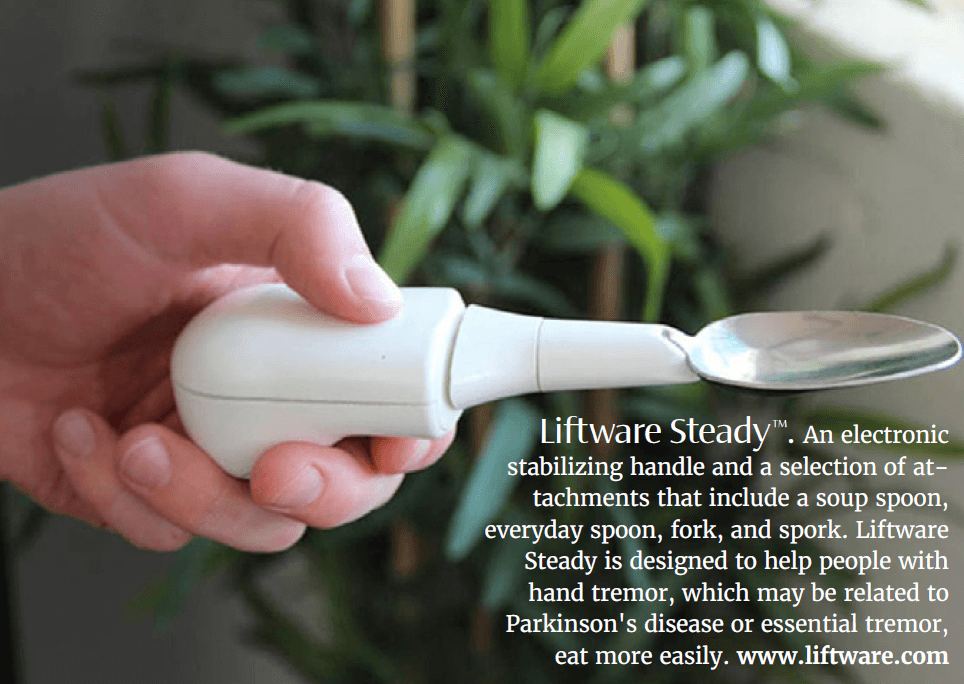
 “The other day,
lying in bed,
I felt my heart
beating for the
first time in a
long while.
I realized how little
I live in my body,
how much
in my mind.”
(from Terra Infirma)
“The other day,
lying in bed,
I felt my heart
beating for the
first time in a
long while.
I realized how little
I live in my body,
how much
in my mind.”
(from Terra Infirma) Light up loved ones’ lives
—across town or across the world—
with these in-sync lamps. Touch yours,
and theirs emits the same glow to send
a little “thinking of you.”
www.uncommongoods.com
Light up loved ones’ lives
—across town or across the world—
with these in-sync lamps. Touch yours,
and theirs emits the same glow to send
a little “thinking of you.”
www.uncommongoods.com
 The Bachelor of Accounting program
is offered online via distance
learning. After evaluating both academic
record and life experience, AIU
staff working in conjunction with Faculty
and Academic Advisors will assist
students in setting up a custom-made
program, designed on an individual
basis. This flexibility to meet student
needs is seldom found in other distance
learning programs. Our online program
does not require all students to
take the same subjects/courses, use the
same books, or learning materials. Instead,
the online Bachelor of Accounting
curriculum is designed individually
by the student and academic advisor.
It specifically addresses strengths and
weaknesses with respect to market opportunities
in the student’s major and
intended field of work. Understanding
that industry and geographic factors
should influence the content of the
curriculum instead of a standardized
one-fits-all design is the hallmark of
AIU’s unique approach to adult education.
This philosophy addresses the
dynamic and constantly changing environment
of working professionals by
helping adult students in reaching their
professional and personal goals within
the scope of the degree program.
Accountants and auditors help to
ensure that firms are run efficiently, its
public records kept accurately, and its
taxes paid properly and on time. They
analyze and communicate financial
information for various entities such
as companies, individual clients, and
government. Beyond carrying out the
fundamental tasks of the occupation
—preparing, analyzing, and verifying
financial documents— many accountants
also offer budget analysis,
financial and investment planning,
information technology consulting, and
limited legal services.
The Bachelor of Accounting program
is offered online via distance
learning. After evaluating both academic
record and life experience, AIU
staff working in conjunction with Faculty
and Academic Advisors will assist
students in setting up a custom-made
program, designed on an individual
basis. This flexibility to meet student
needs is seldom found in other distance
learning programs. Our online program
does not require all students to
take the same subjects/courses, use the
same books, or learning materials. Instead,
the online Bachelor of Accounting
curriculum is designed individually
by the student and academic advisor.
It specifically addresses strengths and
weaknesses with respect to market opportunities
in the student’s major and
intended field of work. Understanding
that industry and geographic factors
should influence the content of the
curriculum instead of a standardized
one-fits-all design is the hallmark of
AIU’s unique approach to adult education.
This philosophy addresses the
dynamic and constantly changing environment
of working professionals by
helping adult students in reaching their
professional and personal goals within
the scope of the degree program.
Accountants and auditors help to
ensure that firms are run efficiently, its
public records kept accurately, and its
taxes paid properly and on time. They
analyze and communicate financial
information for various entities such
as companies, individual clients, and
government. Beyond carrying out the
fundamental tasks of the occupation
—preparing, analyzing, and verifying
financial documents— many accountants
also offer budget analysis,
financial and investment planning,
information technology consulting, and
limited legal services.
 Atlantic International University is accredited by the Accreditation Service for International
Schools, Colleges and Universities (ASIC). ASIC Accreditation is an internationally
renowned quality standard for colleges and universities. Visit ASIC’s Directory of Accredited
Colleges and Universities. ASIC is a member of CHEA International Quality Group
(CIQG) in the USA, an approved accreditation body by the Ministerial Department of the Home Office
in the UK, and is listed in the International Directory of the Council for Higher Education Accreditation
(CHEA). The University is based in the United States and was established by corporate charter in 1998.
Atlantic International University is accredited by the Accreditation Service for International
Schools, Colleges and Universities (ASIC). ASIC Accreditation is an internationally
renowned quality standard for colleges and universities. Visit ASIC’s Directory of Accredited
Colleges and Universities. ASIC is a member of CHEA International Quality Group
(CIQG) in the USA, an approved accreditation body by the Ministerial Department of the Home Office
in the UK, and is listed in the International Directory of the Council for Higher Education Accreditation
(CHEA). The University is based in the United States and was established by corporate charter in 1998.
 In some cases, accredited colleges
may not accept for transfer courses and degrees
completed at unaccredited colleges, and some
employers may require an accredited degree as
a basis for eligibility for employment. Potential
students should consider how the above may affect
their interests, AIU respects the unique rules and
regulations of each country and does not seek to
influence the respective authorities. In the event
that a prospective student wishes to carry out any
government review or process in regards to his
university degree, we recommend that the requirements
of such are explored in detail with the relevant
authorities by the prospective student as the
university does not intervene in such processes.
AIU students can be found in over 180 countries,
they actively participate and volunteer
in their communities as part of their academic
program and have allocated thousands of service
hours to diverse causes and initiatives. AIU
programs follow the standards commonly used by
colleges and universities in the United States with
regards to the following: academic program
structure, degree issued, transcript, and
other graduation documents.
AIU graduation documents can include
an apostille and authentication from the
US Department of State to facilitate their
use internationally.
In some cases, accredited colleges
may not accept for transfer courses and degrees
completed at unaccredited colleges, and some
employers may require an accredited degree as
a basis for eligibility for employment. Potential
students should consider how the above may affect
their interests, AIU respects the unique rules and
regulations of each country and does not seek to
influence the respective authorities. In the event
that a prospective student wishes to carry out any
government review or process in regards to his
university degree, we recommend that the requirements
of such are explored in detail with the relevant
authorities by the prospective student as the
university does not intervene in such processes.
AIU students can be found in over 180 countries,
they actively participate and volunteer
in their communities as part of their academic
program and have allocated thousands of service
hours to diverse causes and initiatives. AIU
programs follow the standards commonly used by
colleges and universities in the United States with
regards to the following: academic program
structure, degree issued, transcript, and
other graduation documents.
AIU graduation documents can include
an apostille and authentication from the
US Department of State to facilitate their
use internationally.
| Dr. Franklin Valcin President/Academic Dean |
Dr. José Mercado Chief Executive Officer Chairman of the Board of Trustees |
Ricardo González, PhD Provost |
| Dr. Ricardo Gonzalez Chief Operation Officer and MKT Director |
Linda Collazo Logistics Coordinator |
Dr. Silvia Restorff Academic Advisor |
| Dr. Miriam Garibaldi Viceprovost for Research |
Irina Ivashuk Alumni Association Coordinator |
Dr. Prakash Menon Academic Advisor |
| Dr. Ofelia Miller Director of AIU |
Clara Margalef Director of Special Projects of AIU |
Carlos Aponte Telecommunications Coordinator |
| Juan Pablo Moreno Director of Operations |
David Jung Corporate/Legal Counsel |
Dr. Nilani Ljunggren De Silva Academic Advisor |
| Paula Viera Director of Intelligence Systems |
Bruce Kim Advisor/Consultant |
Dr. Scott Wilson Academic Advisor |
| Felipe Gomez Design Director / IT Supervisor |
Thomas Kim Corporate/ Accounting Counsel |
Dr. Mohammad Shaidul Islam Academic Advisor |
| Daritza Ysla IT Coordinator |
Camila Correa Quality Assurance Coordinator |
Dr. Edgar Colon Academic Advisor |
| Nadeem Awan Chief Programming Officer |
Maricela Esparza Administrative Coordinator |
Deborah Rodriguez Academic Tutor Coordinator |
| Dr. Jack Rosenzweig Dean of Academic Affairs |
Chris Benjamin IT and Hosting Support |
Cyndy Dominguez Academic Tutor Coordinator |
| Dr. Edward Lambert Academic Director |
Mayra Bolivar Accounting Coordinator |
Kinmberly Diaz Admissions Support Tutor |
| Dr. Ariadna Romero Advisor Coordinator |
Roberto Aldrett Communications Coordinator |
Amalia Aldrett Admissions Coordinator |
| Nadia Gabaldon Academic Coordinator |
Giovanni Castillo IT Support |
Sandra Garcia Admissions Coordinator |
| Jhanzaib Awan Senior Programmer |
Jaime Rotlewicz Dean of Admissions |
Jose Neuhaus Admissions Support |
| Leonardo Salas Human Resource Manager |
Dr. Mario Rios Academic Advisor |
Junko Shimizu Admissions Coordinator |
| Benjamin Joseph IT and Technology Support |
Michael Phillips Registrar’s Office |
Veronica Amuz Admissions Coordinator |
| Rosie Perez Finance Coordinator |
Rene Cordon Admissions Support |
Alba Ochoa Admissions Coordinator |
| Chris Soto Admissions Counselor |
Jenis Garcia Admissions Counselor |
|
 The School of Business and Economics
allows aspiring and practicing
professionals, managers, and entrepreneurs
in the private and public sectors
to complete a self paced distance
learning degree program of the highest
academic standard.
The ultimate goal is to empower
learners and help them take advantage
of the enormous array of resources
from the world environment in order
to eliminate the current continuum of
poverty and limitations.
Degree programs are designed for
those students whose professional experience has been in business,
marketing, administration, economics,
finance and management.
The School of Business and Economics
allows aspiring and practicing
professionals, managers, and entrepreneurs
in the private and public sectors
to complete a self paced distance
learning degree program of the highest
academic standard.
The ultimate goal is to empower
learners and help them take advantage
of the enormous array of resources
from the world environment in order
to eliminate the current continuum of
poverty and limitations.
Degree programs are designed for
those students whose professional experience has been in business,
marketing, administration, economics,
finance and management.
 The School of Social and Human Studies
is focused on to the development of
studies which instill a core commitment
to building a society based on social and
economic justice and enhancing opportunities
for human well being.
The founding principles lie on the
basic right of education as outlined
in the Declaration of Human Rights.
We instill in our students a sense of
confidence and self reliance in their
ability to access the vast opportunities
available through information channels,
the world wide web, private, public,
nonprofit, and nongovernmental organizations in an ever expanding
global community.
Degree programs are aimed towards
those whose professional life has been
related to social and human behavior,
with the arts, or with cultural studies.
The School of Social and Human Studies
is focused on to the development of
studies which instill a core commitment
to building a society based on social and
economic justice and enhancing opportunities
for human well being.
The founding principles lie on the
basic right of education as outlined
in the Declaration of Human Rights.
We instill in our students a sense of
confidence and self reliance in their
ability to access the vast opportunities
available through information channels,
the world wide web, private, public,
nonprofit, and nongovernmental organizations in an ever expanding
global community.
Degree programs are aimed towards
those whose professional life has been
related to social and human behavior,
with the arts, or with cultural studies.
 The School of Science and Engineering
seeks to provide dynamic, integrated,
and challenging degree programs
designed for those whose experience
is in industrial research, scientific production,
engineering and the general
sciences. Our system for research and
education will keep us apace with the
twenty-first century reach scientific
advance in an environmentally and
ecologically responsible manner to allow
for the sustainability of the human
population. We will foster among our
students a demand for ethical behavior,
an appreciation for diversity, an understanding
of scientific investigation, knowledge of design innovation, a
critical appreciation for the importance
of technology and technological change
for the advancement of humanity.
The School of Science and Engineering
seeks to provide dynamic, integrated,
and challenging degree programs
designed for those whose experience
is in industrial research, scientific production,
engineering and the general
sciences. Our system for research and
education will keep us apace with the
twenty-first century reach scientific
advance in an environmentally and
ecologically responsible manner to allow
for the sustainability of the human
population. We will foster among our
students a demand for ethical behavior,
an appreciation for diversity, an understanding
of scientific investigation, knowledge of design innovation, a
critical appreciation for the importance
of technology and technological change
for the advancement of humanity.
 With access to a global catalog created and maintained collectively by more than
9,000 participating institutions, AIU students have secured excellent research
tools for their study programs.
With access to a global catalog created and maintained collectively by more than
9,000 participating institutions, AIU students have secured excellent research
tools for their study programs.


