

September 2020 Edition!
AIU News + Essays + Education + Culture + Science + Technology + Art + Design + Body + Mind + Spirit + Environment + Human Rights + Animal Rights + Food Sciences + About AIU
Other Editions

AIU News + Essays + Education + Culture + Science + Technology + Art + Design + Body + Mind + Spirit + Environment + Human Rights + Animal Rights + Food Sciences + About AIU
 August 17,
2020. One of
our graduates,
Esther
Coronel de
Iberkleid, has
published
three books on Amazon.
Book #1: Manual-Guide To
find a couple online after 50,
60, 70 and beyond. You can
find the book published in
Kindle or Paperback version.
August 17,
2020. One of
our graduates,
Esther
Coronel de
Iberkleid, has
published
three books on Amazon.
Book #1: Manual-Guide To
find a couple online after 50,
60, 70 and beyond. You can
find the book published in
Kindle or Paperback version.
 August 17, 2020.
Two of our graduates,
Alberto Levy
and Maria Florencia
Terreno, with
the participation
of Dr. Itamar Rogovsky, have
published (in Spanish) a book
entitled The Myth of Leadership.
The book was published
by EDICION, the Editorial of
the Professional Council of
Economic Sciences of the
Autonomous City of Buenos
Aires, and academically sponsored
by AIU.
August 17, 2020.
Two of our graduates,
Alberto Levy
and Maria Florencia
Terreno, with
the participation
of Dr. Itamar Rogovsky, have
published (in Spanish) a book
entitled The Myth of Leadership.
The book was published
by EDICION, the Editorial of
the Professional Council of
Economic Sciences of the
Autonomous City of Buenos
Aires, and academically sponsored
by AIU. August, 2020. These graduate students completed the majority of the requirements to obtain
honors, which included a 4.0 GPA, published works, recommendation from their respective
advisors, patent a product, etc. Congratulations to all of them!
August, 2020. These graduate students completed the majority of the requirements to obtain
honors, which included a 4.0 GPA, published works, recommendation from their respective
advisors, patent a product, etc. Congratulations to all of them!
 August
17, 2020.
One of our
graduates,
Ambrues
Nebo, has
published
his first book on Amazon:
Politicization of the Criminal
Justice System: A Liberian
Perspective: Reforming the
criminal justice system must
take cognizance of the sociopolitical
environment in which
it operates, in Germany, by
Lambert Academic Publishing.
Summary: The Criminal Justice System-especially
the police viewed as the gate
keeper of the system operate
within a sociopolitical environment.
This highly polarized
environment creates grounds
that make the system vulnerable
to political influence that
has implication for professional
conduct and public trust in
every democratic society. To
address this challenge, security
sector reform targeting
core law enforcement agencies
of the criminal justice system
was introduced. However,
the reform is unable to tackle the vulnerability emanating
from said environment.
Using the Liberian society as
the contextual background,
this book for the first time
presents the argument
pertaining to the politicization
of the criminal justice
system-especially the Police.
Find his book here:
https://www.amazon.com/
Politicization-Criminal-Justice-
System-Socio-Political/
dp/6139445337
Ambrues Nebo has completed
a Doctorate program in
Sociology at AIU.
August
17, 2020.
One of our
graduates,
Ambrues
Nebo, has
published
his first book on Amazon:
Politicization of the Criminal
Justice System: A Liberian
Perspective: Reforming the
criminal justice system must
take cognizance of the sociopolitical
environment in which
it operates, in Germany, by
Lambert Academic Publishing.
Summary: The Criminal Justice System-especially
the police viewed as the gate
keeper of the system operate
within a sociopolitical environment.
This highly polarized
environment creates grounds
that make the system vulnerable
to political influence that
has implication for professional
conduct and public trust in
every democratic society. To
address this challenge, security
sector reform targeting
core law enforcement agencies
of the criminal justice system
was introduced. However,
the reform is unable to tackle the vulnerability emanating
from said environment.
Using the Liberian society as
the contextual background,
this book for the first time
presents the argument
pertaining to the politicization
of the criminal justice
system-especially the Police.
Find his book here:
https://www.amazon.com/
Politicization-Criminal-Justice-
System-Socio-Political/
dp/6139445337
Ambrues Nebo has completed
a Doctorate program in
Sociology at AIU.
 August 17,
2020. One of
our graduates,
Brunilda
Subashi,
has published
a book (in
Spanish) entitled Modernization'
of lifestyle, malnutrition
and physical inactivity, main
causes of ENT, in More Books!
Summary: Lifestyle, healthy
eating and physical activity
are important factors in maintaining
health at all stages of
life. Its role is important in
the prevention and control
of morbidity and mortality from chronic diseases, such
as: cardiovascular disease,
some cancers, type 2 diabetes,
obesity, hypertension,
malnutrition and osteoporosis.
Therefore, healthy eating and
regular physical activity help
maintain a normal healthy
weight and provide many
benefits, such as: stimulating
energy, happiness, health and
well-being, reducing the risk
of disease and prolonging life.
You can find more information
about the book on the
following link:
Brunilda Subashi completes
a Doctorate program in Public
Health at Atlantic International
University.
August 17,
2020. One of
our graduates,
Brunilda
Subashi,
has published
a book (in
Spanish) entitled Modernization'
of lifestyle, malnutrition
and physical inactivity, main
causes of ENT, in More Books!
Summary: Lifestyle, healthy
eating and physical activity
are important factors in maintaining
health at all stages of
life. Its role is important in
the prevention and control
of morbidity and mortality from chronic diseases, such
as: cardiovascular disease,
some cancers, type 2 diabetes,
obesity, hypertension,
malnutrition and osteoporosis.
Therefore, healthy eating and
regular physical activity help
maintain a normal healthy
weight and provide many
benefits, such as: stimulating
energy, happiness, health and
well-being, reducing the risk
of disease and prolonging life.
You can find more information
about the book on the
following link:
Brunilda Subashi completes
a Doctorate program in Public
Health at Atlantic International
University.
 August 21, 2020.
One of our graduates,
Jean Claude
Bitsure (Central
African Republic)
published
this past May a
book (in French)
entitled Contribution
aux méthodes
d’écriture en
presse écrite: À l’usage des
étudiants et journalists (Contribution
to Writing Methods
in Print Media: For Students
and Journalists).
The book deepens, explains
and details, with supporting
examples, the techniques
and methods of writing in the
written press. It develops, in
three main parts, the methods
used from the choice
of subjects and sources, the
collection and processing of
information, to the publication
of the journal. It mainly
emphasizes the choice of
information sources, their
prioritization and journalistic
writing (written press). The
book explains extensively
the journalistic genres that
constitute the lifeblood of
journalistic writing, and about
the description of a short story. The book
provides concrete
examples
(articles) to put
its users in the
bath of writing
in print media.
In the appendix
to this work,
two chapters
appear. The first
talks about technical language
in print media, while
the second talks about the
brief history of print media
around the world.
Jean Claude Bitsure has
completed a Doctorate
program in Communications
at Atlantic International
University.
August 21, 2020.
One of our graduates,
Jean Claude
Bitsure (Central
African Republic)
published
this past May a
book (in French)
entitled Contribution
aux méthodes
d’écriture en
presse écrite: À l’usage des
étudiants et journalists (Contribution
to Writing Methods
in Print Media: For Students
and Journalists).
The book deepens, explains
and details, with supporting
examples, the techniques
and methods of writing in the
written press. It develops, in
three main parts, the methods
used from the choice
of subjects and sources, the
collection and processing of
information, to the publication
of the journal. It mainly
emphasizes the choice of
information sources, their
prioritization and journalistic
writing (written press). The
book explains extensively
the journalistic genres that
constitute the lifeblood of
journalistic writing, and about
the description of a short story. The book
provides concrete
examples
(articles) to put
its users in the
bath of writing
in print media.
In the appendix
to this work,
two chapters
appear. The first
talks about technical language
in print media, while
the second talks about the
brief history of print media
around the world.
Jean Claude Bitsure has
completed a Doctorate
program in Communications
at Atlantic International
University.
 What can we do to fix it?
| Brunilda Subashi Doctor of Science Public Health Alb ania |
Miguel Domingos Júnior Post-Doctorate of Human Studies Human Studies Angola |
Rubén Alberto Vera Bachelor of Electrical Engineering Telec ommunications Argentina |
Ismerai Ismari Catzim Bachelor of Science Psychology Belize |
Radoslav Nevenko Johnson Orias Bachelor of Business Administration Business Administration Bolivia |
Alvaro David Rocabado Martínez Bachelor of Civil Engineering Roads and Bridges Bolivia |
| Dukore Raoul Master of Social and Human Studies Legal Studies Burundi |
Nkeh Fonjie Achale Steve Certificate of Science Network Sec urity Cameroon |
Carvin Clarence Howard Rankin Bachelor of Science Civil Enginee ring Cayman Isl ands |
Juan Carlos Filidei Pousa Bachelor of Psychology Social Psychology Chile |
Diego Mauricio Posso Góngora Bachelor of Nutrition Sport Nutrition Colombia |
Osmel Erik Mestre Martinez Bachelor of Business Administration International Commerce Colombia |
| Andres Moncayo Romo Bachelor of Science Architec ture Colombia |
Clara Nubia Rolon Rodriguez Doctor of Health Publ ic Epidemiology Colombia |
Mario Heimer Flórez Guzmán Doctor of Philosophy Education Management and Ass urance Colombia |
Mushagalusa Ganza Wilfred Doctor of Business Administration Information and Communication Tec hnology Congo |
Mbuyu Ngoie Munga Severin Bachelor of Business Administration Business Management Congo |
Pedro López Santamaría Master of Computer Science Information Systems Costa |
| Alexis Andrés Gómez Geraldino Master of Philosophy Philosophy Dominican Republ ic |
Wilyn Feliz Ramírez Doctor of Education Educational Management and Quality Dominican Republ ic |
Wanda Argentina Astacio Bachelor of Business Administration Business Administration Dominican Republ ic |
Silvia Lorena Saenz Guerra Bachelor of Business Administration Business Administration Dominican Republ ic |
Anita Clavijo Andrade Doctor of Management Hosp itality Management Ecuador |
Paulo Schein Bachelor of Science Architec ture Ecuador |
| Sampa Sanneh Bachelor of Science Health Care Administration Gambia |
Mark Obeng Andoh Master of Arts Theology Ghana |
Jane Ene Okonkwo Bachelor of Arts Human Res ources Management Ghana |
Ericka Alcira González Figueroa Bachelor of Business Administration Business Administration Guatemala |
Silvia Vanessa Mansilla Garcia Bachelor of Psychology Overweight and Obes ity Guatemala |
Sony Belizaire Master of International Relations International Relations Haiti |
| Orsolya Székely-Keresztesi Bachelor of Science Biology Hungary |
T. B. Ranganadhan Doctor of Science Civil Enginee ring India |
George Grant Ennin Doctor of Philosophy Theology Italy |
Daniellea Perrin Bachelor of Science Business Administration Jamaica |
Neville Kauri Greening Doctor of Philosophy Psychology Japan |
Judith Aluoch Odera Master of Science Nutrition Kenya |
| Amerah Salah Jabor Master of Arts App lied Linguistics for Language Teaching Kuwait |
Kodikaragama A. Tharindu Nalaka Doctor of Business Administration Business Administration Kuwait |
Margaret Ho Bachelor of Science Psychology Macau |
Blanca Estela Hernandez Chena Doctor of Science Public Health Mexico |
Martha Nallely Mergil Ornelas Bachelor of Science Nutrition Mexico |
Irizue Bernardo Cortes Bachelor of Science Sports Nutrition Mexico |
| Victorino Adriano Doctor of Financial Management Cost Allocation Model Mozambique |
Aung Li Post-Doctorate of Education Education Myanmar |
Jacqueline Ebun Umoren Doctor of Science Renewable Energy Nigeria |
Adebayo Alfred Adeniyi Bachelor of Science Mathematics Nigeria |
Christabel Alero Odeta Doctor of Economics Economics Nigeria |
Samuel Okon Bachelor of Science Acc ounting and Finance Nigeria |
| Isitoa Isaac Dike Doctor of Philosophy Elec trical Enginee ring Nigeria |
Serah Jacob Anzaku Doctor of Philosophy Human Res ources Nigeria |
Chimaobi Elvis I. Onuigbo Master of Science Business Management Nigeria |
Bashorun Idris Ayodele Post-Doctorate of Acc ounting Acc ounting Nigeria |
Mixila Villarreal Caballero Doctor of Philosophy Corporate Public Relations Panama |
|

 Lufutu Calemba Mida
 Brooks Gibbs
 Gerard Boucher

How has the Andragogybased
learning process
impacted both your professional
and your personal life?
I must say with great pride
that academically, the didactic,
methodological and curricular
processes in my learning
through the Virtual Campus
of AIU, are a pillar of acquired
knowledge and the ratification
of experience applied in
professional practice. In many
ways, it is a learning vision
that today —in the midst of the
global Covid-19 crisis— demonstrates
how important autonomous
learning is but guided by
professionals who encourage
students to be a generator of
their own know-how.
The academic system also
emphasizes research processes
since it requires the constant
search for knowledge, updated
information based on conceptual
and theoretical grounds
to give place to interesting
philosophical positions,
creative thinking and rational
discernment that guarantees
the appropriation of what
finally joins the student’s DNA
and determines their learning
capacity in this case at the
Master’s level and its logical
connotation in the professional
world.
in the history of AIU. How
important is this for you?
I consider it to be an honorary
recognition that I am
grateful for in a thousand different
ways, it is not easy to
study in a distance program
and combine work and study
at the same time, therefore
academic excellence is
something that is constantly
sought and done. In occasions,
the times were somewhat
elusive in the sense that
you have a lot to do within
the teaching and learning
process but ultimately it is a
personal decision if you want
to do it well or excellently and
that implies sacrifices of all
kinds, when you manage to
do a task well done and you
feel satisfied with your own
work. That is the best feeling
and if it is represented in a
good grade from your tutors,
with their comments. It
makes you feel really full.
From my final thesis,
several scientific articles
emerged that have been published
in different magazines
in the field of architecture,
design, arts and urban planning,
so when in addition,
the knowledge is validated
by an academic community
in these areas at a national
and international, then the
effort pays off. You are finally
spreading knowledge and that
is important.
What are your achievements
after completing your program
at AIU?
There are several: From
my academic life it allowed
me to occupy administrative
positions in the management
of higher education in my
country, I was Director of the
Space Design Program and
Dean of the Faculty of Architecture,
Art and Design of the
Autonomous University of
the Caribbean in Barranquilla,
Colombia. I was recognized as
the best teacher in all its programs
several times. Being a
Historiographer and generating
knowledge allows me to be
published in magazines with
high scientific and academic
content and led me to make
presentations in different
scenarios at the local, national
and international level. The
connection with institutions
that manage knowledge in my
field of action also guarantees
the transmission of knowledge
and that is an achievement.
Teaching is a vocation more
than a profession, being a
teacher is being a reference in
life for your own students
We are living in an exceptional
moment. What is your
vision of the world situation?
It really is a terrifying situation
and one that moves the
floor in many ways, life as we
know it today is very different
from what it was yesterday
and what it will be tomorrow;
even more so in our Latin
American countries where the
social, political and economic
reality is so far from the first
world. We will see a very
strong decay in our development
process in the next 5
years, the consequences are
not only immediate but also
long term. However, the human
being with tenacity has
risen from this type of situation
before. Pandemic may
cause pain, fear and death. It
tests our ability to survive, not
lose hope, to keep united as a
species and perhaps we have
the opportunity to understand
why and visualize why. As
I wrote in my most recent
opinion article in Enfoque
Caribe, a lifestyle magazine.
https://enfectocaribe.com/el-artey-
las-tragedias-de-la-humanidad-
catastrofes-que-quedaronplasmadas-
en-obras-artisticas/
“In these moments, when
the fine line of what is fantasy
and reality merge, it is also
time to meditate on who we
are as a species and what
world we are going to leave
our children; will it be a canvas
of devastation and black
loneliness? or, on the contrary,
a magnificent watercolor of
beautiful landscapes full of
color, joy and harmony.”
Where is art at right now?
On the one hand, thousands
of artists around the world are in a critical situation for
not being able to work, and
art may be the area that will
take more time to reactivate;
on the other hand, there
has been an unprecedented
consumption of books,
music and other artistic
expressions.
It is an interesting question,
from my personal opinion all
disciplines and areas in which
human beings move have been
affected equally, however art is
a reflection of the communities
that at a certain time and under
a particular aesthetic create
objects materials that reflect
those moments, positive or
negative, so the image will also
be the one that will establish
an understandable, tactile
and truthful dialogue of these
situations ... artists never stop
creating and many of us take
everyday life as inspiration to
express a feeling particular but
also collective, in many ways,
and we are seeing it. Art in all
its possible plastic representations
is translating this situation
into messages of hope, of
love, of tenacity, of realities. As
overwhelming as it could be,
art invites us to compassion, to
see the light at the end of the
tunnel and that to remember
that humanity do not give up.
What changes will there be
after this crisis? Will there
be more development of
sustainable architecture?
Will cities have a decrease?
This on the contrary is a
difficult question to answer,
and the reason is that the
practices of architecture
depend a lot on the country
where it occurs, therefore it is
subject to its own economic,
political and technological
systems. In the first world
countries where there are
strong economies, low corruption
rates, better planning
of their cities, a wide range of
technologies that in turn enable
experiments in sustainability
and self-sufficiency
in the field of construction
among other benefits, it is
more viable to see a greener
architecture, with less carbon
footprint on the Earth and
more coexisting with the environment
and with a greater
concept in favor of the wellbeing
of human beings.
This is very different in
developing countries. The answer
in this case would be the
academy, from the formative
praxis of architects capable of
being close to their immediate
contexts and environments
and being able to provide
suitable solutions to specific
problems. In my opinion,
it is an utopia for us Latin
Americans but not impossible
to achieve. For this to happen,
many social and political
changes must take place.
Are there any specific lessons
we can learn from this situation
as Academics?
Many. One of them is the
constant process of the teacher
in taking problematic situations
from his environment
and adapting to new ways of
expanding his own knowledge
and being able to communicate
them with students.
Another lesson is maintaining
academic excellence
despite the circumstances.
Education can be misleading
when the level of commitment
of the teacher is assessed, that
is, as human beings, it must
be understood that young students
today conceive that.
And a third lesson, is that today
we are more vulnerable as
living beings, and being aware
of this the teacher must be
dialogical, systemic and holistic
in order to be a transmitter
of knowledge, a motivator to
create it and a communicator
to apply it to hopefully obtain
in most of their apprentices a
response that solves a problem
in an ideal way, a true appropriation
by the young person
of what they learn not for the
moment, but for life.
Do you have a message
for the AIU community?
Professional training is essential
to allow us to rise in an
increasingly competitive world
but it is useless to have specializations,
Master’s degrees
and Doctorates if, in the end,
that training does not lead to
an approach and proximity to
the students that allows the
connection between teacher
and disciple. Only a meaningful
and respectful teaching
and learning experience create
bonds based on humility and
constructive dialogue between
two human beings in favor of
a better life expectancy.

Our planet seen by Carl
Sagan is that pale blue dot
in the little Galaxy that is the
Milky Way. Our planet as Morin
(2007) says is a lost micron.
That lost micron inhabited by
human beings has a History.
In our development on this
little blue dot we have had
not supernatural beings.
About our planet Earth we
have new proposals: James
Lovelock (United Kingdom,
1919) unveiled, in 1979, the
Gaia hypothesis. According to
Lovelock the Earth is a living
being that self-regulates and
self-regenerates.
ways to build what we thought
was the best way to live.
Descartes and Marx had as
a thought the conquest and
possession of nature. Nowadays
we know that this can’t be
possible because the cosmos
is immense and we can’t reach
its domain. Human beings are
Let’s remember Ilya
Prigogine’s (Moscow 1917
- Brussels 2003) theory of
dissipative structures; it demonstrates
the self-organization
and self-regulation of systems.
“Every invention, human
or natural, introduces into
the world entities that didn’t exist, new achievements and
problems; under what conditions
can they be maintained
and cause the destruction or
commotion of the system in
which they occur? These are
the questions raised by the
mutants produced by nature
and the technical and intellectual
inventions of the human
being”. (Prigogine, 2009, p. 85)
Prigogine solves the problem
of the changes and the
income into the systems with
the equilibrium that the system
always tries to maintain.
Prigogine was awarded in 1977
with Nobel Prize in Chemistry
for his work on his theory of
dissipative structures.
What human beings have
done is act in such a way that
the system can no longer selforganize
or self-regulate.
As life is not possible, for
human beings, elsewhere in
the galaxy Morin says: “From
now on, it will be on this lost
Earth in the astrophysical
cosmos, on this Earth that the
Earth sciences conceive as a ‘living system’, in this Gaia
biosphere, where the humanistic
idea of the Age of Enlightenment
can be realized, the
idea that recognizes the same
dignity for all men”. (Morin
2007, p. 146)
The question is what has
happened so that our planet
is protesting and the self-regulation
and self-regeneration
every day is more difficult. It
is happening that if a different
element enters the system at
its weakest point, the system
breaks. From the exposed
knowledge reached by science,
we can see that its development
is extraordinary.
Yes, human beings have built
a world of high scientific development
achieved by countries
with great economic development.
The development of
science means a lot of money
to invest, but at the same time
that investment generates good
dividends in applied science.
Technology is the great
investment of developed countries.
Technological development
also has its consequences
because elements are created
that harm nature or human
beings. Within the great development
that a part of world
society has reached; the other
human beings continues with
serious problems of poverty,
there is the trade.
Nowadays, trade is global
and very fast due to the way in which products or services are
made and their distribution.
The problem is that products
are made to earn money. Production
is not based on needs;
production is a function for
profit. In the search for profits,
the consequences for the planet
and for all testimonies of
life on Earth are not taken into
account. The consequences
translate into global warming.
The production of goods is
not to cover the needs of human
beings; production is to
achieve markets and money.
There is a high rate, 80% of
the 7.7 billion human beings,
who live in poverty. These
people don’t have the necessary
goods and services to live
with dignity. From the above
we infer that world wealth
is enjoyed by 20% of the
population.
Given the form of production
and the type of global economic
development, the problems
also become global. Hence the
problem we have nowadays
to achieve development that
will be sustainable. We have to
think about the social, cultural
and biological problems we
have as well as the conservation
and development of the
mentioned aspects. Thinking
that economic development
meant human, moral and cultural
development has been a
great mistake that has brought
us to where we are:
a) Living the consequences of
a pandemic
b) In the face of a recession
never seen before.
c) A climate change that
threatens everything that
exists in our Gaia.
That science that we have
built, that world of production,
the forgetfulness of some in
front others who have little,
and the threats of the great
recession and loss of life in
such a tragic way, must make
us reflect if we have to build
another path of life.
We still have many who
think that the pandemic we
are experiencing today is not
true and they walk through
life as if nothing happens.
We see a large majority of
politicians busy just staying in
power without thinking about
their governed. The sad thing
about it all is that the problems
we have built are not just
for this or that country; it is a
world problem.
We are already living it: you
can’t go to these countries,
if you do it on your return
you will spend so many days
alone. Let’s see if they don’t
come to infect us. The countries
that were on the step to
recovery are returning to the
past; now they have a lot of
people infected. That part of
the population that doesn’t
pay attention to the facts will
later have to do it but they have already complicated
things for the rest. This moment
in History will leave us a
great learning as a society.
According to Habermas
“...every new stage (logical
or moral) is a new structure
that contains elements of the
previous structure, but that
transforms them in such a
way that it achieves a more
stable and broader balance”.
(Habermas, 1998, p. 49) Habermas’s
thinking makes us consider that all the changes
we need to make for a decent
life for all won’t be to erase
everything that has been accomplished.
The changes we
need to make will be about
everything that denies life.
Life in our Gaia, in our
pale blue dot, must be for
everyone: The earth and
the living beings in all its
manifestations —human
life and biological life.
BIBLIOGRAPHY. Habermas, J. (1998) Conciencia Moral y acción comunicativa.
Barcelona: Península. | Morin, E. (2007). Introducción a una
política del hombre. Buenos Aires: Gedisa. | Sagan, Carl. (2003). El Punto
azul Pálido, una visión del futuro humano en el espacio. México: Planeta.
Retrieved from: https://lasteologias.files.wordpress.com/2008/06/sagan-carl-unpunto-
azul-palido-una-vision-del-futuro-humano-en-el-espacio.pdf
 New research by neuroscientists at
the University of Pittsburgh and
University of California San Francisco
(UCSF) revealed that a simple, earbudlike
device developed at UCSF that
imperceptibly stimulates a key nerve
leading to the brain could significantly
improve the wearer’s ability to learn
the sounds of a new language. This
device may have wide-ranging applications
for boosting other kinds of
learning as well.
Mandarin Chinese is considered
one of the hardest languages for native
English speakers to learn, in part
because the language —like many others
around the world— uses distinctive
changes in pitch, called “tones,”
to change the meaning of words that
otherwise sound the same. In the new
study, published today in npj Science
of Learning (a Nature partner
journal), researchers significantly
improved the ability of native English
speakers to distinguish between Mandarin
tones by using precisely timed,
non-invasive stimulation of the vagus
nerve —the longest of the 12 cranial
nerves that connect the brain to the
rest of the body. What’s more, vagus
nerve stimulation allowed research
participants to pick up some Mandarin
tones twice as quickly.
“Showing that non-invasive peripheral
nerve stimulation can make ...
Read full text:
New research by neuroscientists at
the University of Pittsburgh and
University of California San Francisco
(UCSF) revealed that a simple, earbudlike
device developed at UCSF that
imperceptibly stimulates a key nerve
leading to the brain could significantly
improve the wearer’s ability to learn
the sounds of a new language. This
device may have wide-ranging applications
for boosting other kinds of
learning as well.
Mandarin Chinese is considered
one of the hardest languages for native
English speakers to learn, in part
because the language —like many others
around the world— uses distinctive
changes in pitch, called “tones,”
to change the meaning of words that
otherwise sound the same. In the new
study, published today in npj Science
of Learning (a Nature partner
journal), researchers significantly
improved the ability of native English
speakers to distinguish between Mandarin
tones by using precisely timed,
non-invasive stimulation of the vagus
nerve —the longest of the 12 cranial
nerves that connect the brain to the
rest of the body. What’s more, vagus
nerve stimulation allowed research
participants to pick up some Mandarin
tones twice as quickly.
“Showing that non-invasive peripheral
nerve stimulation can make ...
Read full text:
 People fall into one of two categories
in a pandemic, those who
want to lean into the void and watch
all-too-real movies like Contagion and
Outbreak, and those who avoid such
disaster movies like the plague. A new
pre-print study (it hasn’t yet been peerreviewed)
has found that our fondness
for grim films actually impacts our
capacity to cope in a pandemic, with
those who enjoyed a good horror flick
faring better than those who didn’t.
The study authors from Aarhus
University in Denmark identified a
genre of “prepper” movies that they
hypothesized might mentally prepare
the viewer for facing a crisis in real life
by allowing them to “practice effective
coping strategies that can be beneficial
in real-world situations”. Fictional
stories in books and cinema are like a
“gift from natural selection” in helping
us to act out real-world situations
from the safety of our sofa. Study authors
set out to ascertain if a penchant
for plots that tell of disaster and ruin
gave movie fans a mental advantage
in coping with the living nightmare of
the coronavirus pandemic.
Within their “prepper” movie genre,
the researchers included films about
alien invasions, apocalypses, and
zombies. They sought to establish ...
Read full text:
People fall into one of two categories
in a pandemic, those who
want to lean into the void and watch
all-too-real movies like Contagion and
Outbreak, and those who avoid such
disaster movies like the plague. A new
pre-print study (it hasn’t yet been peerreviewed)
has found that our fondness
for grim films actually impacts our
capacity to cope in a pandemic, with
those who enjoyed a good horror flick
faring better than those who didn’t.
The study authors from Aarhus
University in Denmark identified a
genre of “prepper” movies that they
hypothesized might mentally prepare
the viewer for facing a crisis in real life
by allowing them to “practice effective
coping strategies that can be beneficial
in real-world situations”. Fictional
stories in books and cinema are like a
“gift from natural selection” in helping
us to act out real-world situations
from the safety of our sofa. Study authors
set out to ascertain if a penchant
for plots that tell of disaster and ruin
gave movie fans a mental advantage
in coping with the living nightmare of
the coronavirus pandemic.
Within their “prepper” movie genre,
the researchers included films about
alien invasions, apocalypses, and
zombies. They sought to establish ...
Read full text:
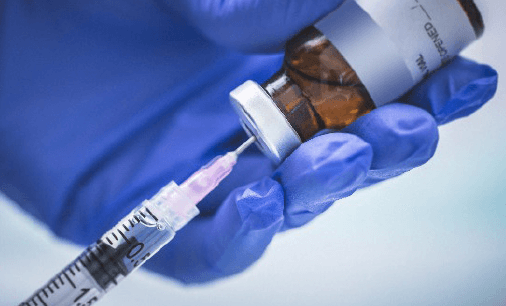 Scientists are ready to trial a new
cancer vaccine in humans following
the successful outcome of their
preclinical studies. The new vaccine
was developed by a Mater Research
team based at The Translational Research
Institute in collaboration with
The University of Queensland.
Lead Researcher Associate Professor
Kristen Radford says the vaccine
has the potential to treat a variety of
blood cancers and malignancies and
is a major breakthrough for cancer
vaccinations.
“We are hoping this vaccine could
be used to treat blood cancers, such
as myeloid leukaemia, non-Hodgkin’s
lymphoma, multiple myeloma, and
paediatric leukaemias, plus solid
malignancies including breast, lung,
renal, ovarian, and pancreatic cancers,
and glioblastoma,” she said.
“Our new vaccine is comprised of
human antibodies fused with tumourspecific
protein, and we are investigating
its capacity to target human
cells while activating the memory of
the tumour cells.” Associate Professor
Radford says the vaccine offers several
key advantages over existing cancer
vaccines, which have already shown
promise in early clinical trials. ...
Scientists are ready to trial a new
cancer vaccine in humans following
the successful outcome of their
preclinical studies. The new vaccine
was developed by a Mater Research
team based at The Translational Research
Institute in collaboration with
The University of Queensland.
Lead Researcher Associate Professor
Kristen Radford says the vaccine
has the potential to treat a variety of
blood cancers and malignancies and
is a major breakthrough for cancer
vaccinations.
“We are hoping this vaccine could
be used to treat blood cancers, such
as myeloid leukaemia, non-Hodgkin’s
lymphoma, multiple myeloma, and
paediatric leukaemias, plus solid
malignancies including breast, lung,
renal, ovarian, and pancreatic cancers,
and glioblastoma,” she said.
“Our new vaccine is comprised of
human antibodies fused with tumourspecific
protein, and we are investigating
its capacity to target human
cells while activating the memory of
the tumour cells.” Associate Professor
Radford says the vaccine offers several
key advantages over existing cancer
vaccines, which have already shown
promise in early clinical trials. ...
 The earth’s atmosphere and
magnetic field protect humans
from harmful radiation. However,
it is a known fact that astronauts
are exposed to radiation levels that
are 20-fold higher than those found
on planet earth. NASA recently did
an experiment on the International
Space Station after realizing that a
fungus growing near the Chernobyl
site was thriving on nuclear radiation
because of radiosynthesis. The fungus
was using melanin to convert gamma
radiation into chemical energy.
Therefore, space scientists grew the
fungus inside the ISS for a month and
analyzed its ability to block radiation.
The experiment showed that the
Chernobyl fungus, now identified as
“Cladosporium sphaerospermum,”
was able to block some of the incoming
radiation. This finding has implications
for future space missions.
Scientists are thinking of shielding
astronauts and space objects with a
layer of this radiation-absorbing protective
fungus. Meanwhile, let’s await
further updates from NASA.
The earth’s atmosphere and
magnetic field protect humans
from harmful radiation. However,
it is a known fact that astronauts
are exposed to radiation levels that
are 20-fold higher than those found
on planet earth. NASA recently did
an experiment on the International
Space Station after realizing that a
fungus growing near the Chernobyl
site was thriving on nuclear radiation
because of radiosynthesis. The fungus
was using melanin to convert gamma
radiation into chemical energy.
Therefore, space scientists grew the
fungus inside the ISS for a month and
analyzed its ability to block radiation.
The experiment showed that the
Chernobyl fungus, now identified as
“Cladosporium sphaerospermum,”
was able to block some of the incoming
radiation. This finding has implications
for future space missions.
Scientists are thinking of shielding
astronauts and space objects with a
layer of this radiation-absorbing protective
fungus. Meanwhile, let’s await
further updates from NASA.
 Graduate collective Soup International
has designed eight
community kitchens that would allow
refugees and asylum seekers to enjoy
“the normalcy of domestic activities”.
The kitchens were designed for the
Migrant Living/Nomadic Domesticities
project by Soup International –a
group of eight graduates that met
whilst studying the MA Interior Design
course at the University of East
London. Led by course tutor Claudia
Palma Romao, the eight graduates developed
portable and multifunctional
kitchen designs that would benefit
the Southwark Day Centre for Asylum
Seekers (SDCAS).
The non-profit organisation has three
day centres which provide a range of
services that support asylum seekers ...
Graduate collective Soup International
has designed eight
community kitchens that would allow
refugees and asylum seekers to enjoy
“the normalcy of domestic activities”.
The kitchens were designed for the
Migrant Living/Nomadic Domesticities
project by Soup International –a
group of eight graduates that met
whilst studying the MA Interior Design
course at the University of East
London. Led by course tutor Claudia
Palma Romao, the eight graduates developed
portable and multifunctional
kitchen designs that would benefit
the Southwark Day Centre for Asylum
Seekers (SDCAS).
The non-profit organisation has three
day centres which provide a range of
services that support asylum seekers ...
 Around the world, public toilets get
a foul rap. Even in Japan, where
restrooms have a higher standard of
hygiene than in much of the rest of
the world, residents harbor a fear that
public toilets are dark, dirty, smelly
and scary.
To cure the public’s phobia, the nonprofit
Nippon Foundation launched
“The Tokyo Toilet Project,” tasking 16
well-known architects to renovate
17 public toilets located in the public
parks of Shibuya, one of the busiest
commercial areas of Tokyo.
So far, the most talked-about design
comes from Pritzker Prize-winning architect
Shigeru Ban, whose transparent
restrooms popped up this month
in Haru-no-Ogawa Community Park
and the Yoyogi Fukamachi Mini Park.
The two units each have three
cubicles, which are surrounded by
transparent tinted glass in cyan, lime
green, blue, yellow, pink or purple.
The see-through design has a practical
reason, which is to allow a person to
easily check inside before entering. ...
The design relies on a new smartglass
technology that turns the walls
opaque when the door is locked. “At
night, they light up the parks like a
beautiful lantern,” according to The
Nippon Foundation. ...
Around the world, public toilets get
a foul rap. Even in Japan, where
restrooms have a higher standard of
hygiene than in much of the rest of
the world, residents harbor a fear that
public toilets are dark, dirty, smelly
and scary.
To cure the public’s phobia, the nonprofit
Nippon Foundation launched
“The Tokyo Toilet Project,” tasking 16
well-known architects to renovate
17 public toilets located in the public
parks of Shibuya, one of the busiest
commercial areas of Tokyo.
So far, the most talked-about design
comes from Pritzker Prize-winning architect
Shigeru Ban, whose transparent
restrooms popped up this month
in Haru-no-Ogawa Community Park
and the Yoyogi Fukamachi Mini Park.
The two units each have three
cubicles, which are surrounded by
transparent tinted glass in cyan, lime
green, blue, yellow, pink or purple.
The see-through design has a practical
reason, which is to allow a person to
easily check inside before entering. ...
The design relies on a new smartglass
technology that turns the walls
opaque when the door is locked. “At
night, they light up the parks like a
beautiful lantern,” according to The
Nippon Foundation. ...
 Italian lighting brand Artemide has
developed a way of turning lamps
into room sanitisers that emit antiviral
ultraviolet light when people
are not around. Called Integralis, the
patented technology can be fitted to
light fixtures and programmed via an
app to emit normal light when rooms
are occupied and ultraviolet (UV) rays
when they are empty.
While invisible UV light can kill
pathogens including viruses, it can be
harmful to humans. However, the blue
spectrum of visible light can also have
an anti-microbial effect.
“In the presence of people, emission
frequencies and doses of energy that
are not harmful to the eyes and skin
can be used, which nonetheless act to
inhibit the growth of bacteria, mould
and fungi,” Artemide CEO Carlotta de
Bevilacqua told Dezeen.
“In the absence of people, higher
energy levels and frequencies ...
Read full text:
Italian lighting brand Artemide has
developed a way of turning lamps
into room sanitisers that emit antiviral
ultraviolet light when people
are not around. Called Integralis, the
patented technology can be fitted to
light fixtures and programmed via an
app to emit normal light when rooms
are occupied and ultraviolet (UV) rays
when they are empty.
While invisible UV light can kill
pathogens including viruses, it can be
harmful to humans. However, the blue
spectrum of visible light can also have
an anti-microbial effect.
“In the presence of people, emission
frequencies and doses of energy that
are not harmful to the eyes and skin
can be used, which nonetheless act to
inhibit the growth of bacteria, mould
and fungi,” Artemide CEO Carlotta de
Bevilacqua told Dezeen.
“In the absence of people, higher
energy levels and frequencies ...
Read full text:
 Journal. Instead of essentially liveblogging
the happenings of your
internal world to friends via text, write
them down in a diary instead. “When
you journal specifically to reduce anxiety,
you allow yourself to vent without
judgment about whatever is on your
mind,” says Dr. Manly.
2 Get physically stronger. Physical
activity can serve as an effective
anxiety outlet for some people as well.
“Anxiety involves a belief that you’re
weak or not good enough, so exercise
that makes you feel strong makes
sense,” says Dr. Daramus.
3 Jam out. Dr. Daramus also recommends
turning to music for
comfort in anxious moments; however,
it’s important to note that this is
not a one-size-fits-all solution. “Some people need soft, calming music, other
people need hard rock or a good jam,”
she says.
4 Get arty. “Any kind of creative art
that expresses your worries could
help,” says Dr. Daramus. This includes
art-lite options like coloring books,
DIY friendship-bracelets, or freestyle
dancing.
5 Acknowledge that, for some,
anxiety changed in 2020. “Dealing
with anxiety is different than it was
a few months ago, because therapy
often focused on why your anxieties
are irrational or exaggerated,” says Dr.
Daramus. “Now there’s less of that, and
more people are coming into therapy
for realistic anxiety.” ...
Journal. Instead of essentially liveblogging
the happenings of your
internal world to friends via text, write
them down in a diary instead. “When
you journal specifically to reduce anxiety,
you allow yourself to vent without
judgment about whatever is on your
mind,” says Dr. Manly.
2 Get physically stronger. Physical
activity can serve as an effective
anxiety outlet for some people as well.
“Anxiety involves a belief that you’re
weak or not good enough, so exercise
that makes you feel strong makes
sense,” says Dr. Daramus.
3 Jam out. Dr. Daramus also recommends
turning to music for
comfort in anxious moments; however,
it’s important to note that this is
not a one-size-fits-all solution. “Some people need soft, calming music, other
people need hard rock or a good jam,”
she says.
4 Get arty. “Any kind of creative art
that expresses your worries could
help,” says Dr. Daramus. This includes
art-lite options like coloring books,
DIY friendship-bracelets, or freestyle
dancing.
5 Acknowledge that, for some,
anxiety changed in 2020. “Dealing
with anxiety is different than it was
a few months ago, because therapy
often focused on why your anxieties
are irrational or exaggerated,” says Dr.
Daramus. “Now there’s less of that, and
more people are coming into therapy
for realistic anxiety.” ...
 Not only do we miss hugs, we need
them. Physical affection reduces
stress by calming our sympathetic
nervous system, which during times
of worry releases damaging stress hormones
into our bodies. In one series
of studies, just holding hands with a
loved one reduced the distress of an
electric shock. ...
Julian Tang, a virologist and associate
professor at the University of Leicester
in England who studies how respiratory
viruses travel through the air, said
he would add one more precaution to a
pandemic hug: Hold your breath.
Yuguo Li, a University of Hong Kong
engineering professor and senior author
on the paper that Dr. Marr cited to
make the calculations, said that hugs
probably pose less risk than a longer
face-to-face conversation. “The exposure
time is short, unlike conversation,
which can be as long as we like,” he
said. “But no cheek kissing.”...
Here are the Dos and Don’ts of hugging,
based on the advice of Dr. Linsey
Marr and other experts.
8 DON’T hug face-to-face.
8 DON’T hug cheeks together, facing
the same direction.
4 DO hug facing opposite directions.
4 DO let children hug you around
the knees or waist.
4 DO kiss your grandchild on the
back of the head.
Not only do we miss hugs, we need
them. Physical affection reduces
stress by calming our sympathetic
nervous system, which during times
of worry releases damaging stress hormones
into our bodies. In one series
of studies, just holding hands with a
loved one reduced the distress of an
electric shock. ...
Julian Tang, a virologist and associate
professor at the University of Leicester
in England who studies how respiratory
viruses travel through the air, said
he would add one more precaution to a
pandemic hug: Hold your breath.
Yuguo Li, a University of Hong Kong
engineering professor and senior author
on the paper that Dr. Marr cited to
make the calculations, said that hugs
probably pose less risk than a longer
face-to-face conversation. “The exposure
time is short, unlike conversation,
which can be as long as we like,” he
said. “But no cheek kissing.”...
Here are the Dos and Don’ts of hugging,
based on the advice of Dr. Linsey
Marr and other experts.
8 DON’T hug face-to-face.
8 DON’T hug cheeks together, facing
the same direction.
4 DO hug facing opposite directions.
4 DO let children hug you around
the knees or waist.
4 DO kiss your grandchild on the
back of the head.
 On Thursday 20 August, it will be
exactly two years since the first
school strike for the climate took place.
Looking back, a lot has happened.
Many millions have taken to the
streets to join the decades-long fight
for climate and environmental justice.
And on 28 November 2019, the European
parliament declared a “climate
and environmental emergency”. ...
Last month, just ahead of the European
council summit, we published
an open letter with demands to EU
and world leaders. Since then, more
than 125,000 people have signed this
letter. Tomorrow [August 20] we will
meet the German chancellor, Angela
Merkel, and deliver the letter and
demands, as well as the signatures. We
will tell Merkel that she must face up
to the climate emergency... The EU and
the United Kingdom are accountable
for 22% of historic accumulative global
emissions, second only to the United
States. It is immoral that the countries
that have done the least to cause the
problem are suffering first and worst.
The EU must act now, as it has signed
up to do in the Paris agreement.
Our demands include halting all
fossil fuel investments and subsidies,
divesting from fossil fuels, making
ecocide an international crime,
designing policies that protect workers
and the most vulnerable, safeguarding
democracy and establishing annual,
binding carbon budgets based on the
best available science. ...
Read full text:
On Thursday 20 August, it will be
exactly two years since the first
school strike for the climate took place.
Looking back, a lot has happened.
Many millions have taken to the
streets to join the decades-long fight
for climate and environmental justice.
And on 28 November 2019, the European
parliament declared a “climate
and environmental emergency”. ...
Last month, just ahead of the European
council summit, we published
an open letter with demands to EU
and world leaders. Since then, more
than 125,000 people have signed this
letter. Tomorrow [August 20] we will
meet the German chancellor, Angela
Merkel, and deliver the letter and
demands, as well as the signatures. We
will tell Merkel that she must face up
to the climate emergency... The EU and
the United Kingdom are accountable
for 22% of historic accumulative global
emissions, second only to the United
States. It is immoral that the countries
that have done the least to cause the
problem are suffering first and worst.
The EU must act now, as it has signed
up to do in the Paris agreement.
Our demands include halting all
fossil fuel investments and subsidies,
divesting from fossil fuels, making
ecocide an international crime,
designing policies that protect workers
and the most vulnerable, safeguarding
democracy and establishing annual,
binding carbon budgets based on the
best available science. ...
Read full text:
 Is there any form of real green energy
nowadays? [Question to Jeff Gibbs]
“Green renewable” energy is neither
green nor renewable. Sunshine and
blowing wind might be renewable, but
giant technological machines made
to harvest the wind and solar are the
opposite. That technology could ever
be “green” or “renewable” is one of the
greatest illusions ever. Technology
comes from digging, blasting, mining,
burning, smelting, refining, and manifold
industrial processes. Technology
consumes non-renewable resources,
and emits toxins and pollution. No
other options exist. There is no free
pony for everyone. Switching from carbon
based energy sources to so-called
“renewables," even if it was possible,
INCREASES our dependency on, and
consumption of, non-renewable
resources, hastening the demise of industrial
civilization. The sun will keep
shining and the wind will keep blowing
long after our futile attempt to harvest
them with hundreds of thousands
of square miles of “green” technology
collapses. There will never be “green”
technological energy and fantasizing
there could be says something about
our desperation. And keep in mind
that the majority of what’s defined as,
and gets subsidized as “green” energy,
are biofuel and biomass —burning
what remains of the living planet to
fuel our lifestyles. ...
Read full text:
Is there any form of real green energy
nowadays? [Question to Jeff Gibbs]
“Green renewable” energy is neither
green nor renewable. Sunshine and
blowing wind might be renewable, but
giant technological machines made
to harvest the wind and solar are the
opposite. That technology could ever
be “green” or “renewable” is one of the
greatest illusions ever. Technology
comes from digging, blasting, mining,
burning, smelting, refining, and manifold
industrial processes. Technology
consumes non-renewable resources,
and emits toxins and pollution. No
other options exist. There is no free
pony for everyone. Switching from carbon
based energy sources to so-called
“renewables," even if it was possible,
INCREASES our dependency on, and
consumption of, non-renewable
resources, hastening the demise of industrial
civilization. The sun will keep
shining and the wind will keep blowing
long after our futile attempt to harvest
them with hundreds of thousands
of square miles of “green” technology
collapses. There will never be “green”
technological energy and fantasizing
there could be says something about
our desperation. And keep in mind
that the majority of what’s defined as,
and gets subsidized as “green” energy,
are biofuel and biomass —burning
what remains of the living planet to
fuel our lifestyles. ...
Read full text:
 The continued struggles of women,
minorities, and individuals with
disabilities to achieve equality in the
workplace are partly the result of
societal and cultural forces, but they
differ in at least one key respect: The
law explicitly enables employers to
pay workers with disabilities less than
the federal minimum wage of $7.25. In
other words, under the law, individuals
with disabilities may earn less than
their colleagues who are not disabled
due to a trait they cannot change.
This is the result of a section within
the Fair Labor Standards Act dating
back to 1938. While this landmark law
had a profound impact on America’s
economic, workforce, and social development
by creating a federal minimum
wage, establishing overtime pay, and
prohibiting oppressive child labor, it
proved discriminatory toward people
with disabilities. By creating a subminimum
wage for workers who were at the
time seen as “substandard” given their
perceived productivity levels, the Fair
Labor Standards Act failed to protect
individuals who use wheelchairs, are
blind or deaf, or have cerebral palsy,
autism, or certain other physical or
mental health impairments. ...
As of January 1, 2020, more than
1,200 employers nationwide are certified
to employ more than 300,000
workers with disabilities in subminimum
...
The continued struggles of women,
minorities, and individuals with
disabilities to achieve equality in the
workplace are partly the result of
societal and cultural forces, but they
differ in at least one key respect: The
law explicitly enables employers to
pay workers with disabilities less than
the federal minimum wage of $7.25. In
other words, under the law, individuals
with disabilities may earn less than
their colleagues who are not disabled
due to a trait they cannot change.
This is the result of a section within
the Fair Labor Standards Act dating
back to 1938. While this landmark law
had a profound impact on America’s
economic, workforce, and social development
by creating a federal minimum
wage, establishing overtime pay, and
prohibiting oppressive child labor, it
proved discriminatory toward people
with disabilities. By creating a subminimum
wage for workers who were at the
time seen as “substandard” given their
perceived productivity levels, the Fair
Labor Standards Act failed to protect
individuals who use wheelchairs, are
blind or deaf, or have cerebral palsy,
autism, or certain other physical or
mental health impairments. ...
As of January 1, 2020, more than
1,200 employers nationwide are certified
to employ more than 300,000
workers with disabilities in subminimum
...
 The Sea Life Trust has confirmed
that two beluga whales have
been safely rehomed in their new sea
sanctuary after almost 10 years out of
the ocean. Little Grey and Little White
have been in captivity for most of their
lives, having spent nearly a decade
at an aquarium in China, where they
were trained to perform tricks to live
audiences. Prior to that, they were
held at a Russian research centre.
Now, the beautiful 12-year-old
whales have been safely rehomed at
Klettsvik Bay in Iceland.
In photographs of the transfer —
which took place on Friday [August
7]— the whales can be seen being
transported into the water via a special sling —and they look over the moon
about their new residence! They will
need a short period of time to acclimatise
to their new natural environment
before they are released into the wider
sanctuary at Klettsvik Bay, but so far
the pair are feeding well and seem to
be making great progress. They will
now be assessed around the clock to
make sure they’re settling in safely.
The beluga whales travelled 6,000
miles to their new home, including a
12-hour flight, after the Sea Life trust
rescued them last year. But the team
made sure they had the safest journey
possible. ...
Read full text
The Sea Life Trust has confirmed
that two beluga whales have
been safely rehomed in their new sea
sanctuary after almost 10 years out of
the ocean. Little Grey and Little White
have been in captivity for most of their
lives, having spent nearly a decade
at an aquarium in China, where they
were trained to perform tricks to live
audiences. Prior to that, they were
held at a Russian research centre.
Now, the beautiful 12-year-old
whales have been safely rehomed at
Klettsvik Bay in Iceland.
In photographs of the transfer —
which took place on Friday [August
7]— the whales can be seen being
transported into the water via a special sling —and they look over the moon
about their new residence! They will
need a short period of time to acclimatise
to their new natural environment
before they are released into the wider
sanctuary at Klettsvik Bay, but so far
the pair are feeding well and seem to
be making great progress. They will
now be assessed around the clock to
make sure they’re settling in safely.
The beluga whales travelled 6,000
miles to their new home, including a
12-hour flight, after the Sea Life trust
rescued them last year. But the team
made sure they had the safest journey
possible. ...
Read full text

 This rechargeable
fan handily provides a cool-down when
you need one. Can be used handheld or in its stand
that sticks to surfaces —even upside down.
www.thegrommet.com
This rechargeable
fan handily provides a cool-down when
you need one. Can be used handheld or in its stand
that sticks to surfaces —even upside down.
www.thegrommet.com
 These
whimsical dishes turn eating into an adventure.
The smaller bowl is perfectly sized
for children and can also serve as a nut
dish. The larger size makes a striking centerpiece
for fruit. Smaller size is stackable.
Dishwasher safe. store.moma.org
These
whimsical dishes turn eating into an adventure.
The smaller bowl is perfectly sized
for children and can also serve as a nut
dish. The larger size makes a striking centerpiece
for fruit. Smaller size is stackable.
Dishwasher safe. store.moma.org
 “The land
is the real
teacher.
All we need
as students
is mindfulness.”
“The land
is the real
teacher.
All we need
as students
is mindfulness.” 
 The Bachelor of Food Science (BS)
program helps students develop
the set of skills necessary to occupy
positions in food production plans and
work in quality assurance, product development,
microbiology and chemical
analysis as well as roles within
consulting laboratories, government
organizations and regulatory bodies.
The Bachelor of Food Science (BS)
program is offered online via distance
learning. After evaluating both academic
record and life experience, AIU
staff working in conjunction with Faculty
and Academic Advisors will assist
students in setting up a custom-made
program, designed on an individual
basis. This flexibility to meet student
needs is seldom found in other distance
learning programs. Our online
program does not require all students
to take the same subjects/courses, use
the same books, or learning materials.
Instead, the online Bachelor of Food
Science (BS) curriculum is designed
individually by the student and
academic advisor. It specifically addresses
strengths and weaknesses with
respect to market opportunities in the
student’s major and intended field of
work. Understanding that industry
and geographic factors should influence
the content of the curriculum
instead of a standardized one-fits-all
design is the hallmark of AIU’s unique
approach to adult education. This
philosophy addresses the dynamic and
constantly changing environment of
working professionals by helping adult
students in reaching their professional
and personal goals within the scope of
the degree program.
The Bachelor of Food Science (BS)
program helps students develop
the set of skills necessary to occupy
positions in food production plans and
work in quality assurance, product development,
microbiology and chemical
analysis as well as roles within
consulting laboratories, government
organizations and regulatory bodies.
The Bachelor of Food Science (BS)
program is offered online via distance
learning. After evaluating both academic
record and life experience, AIU
staff working in conjunction with Faculty
and Academic Advisors will assist
students in setting up a custom-made
program, designed on an individual
basis. This flexibility to meet student
needs is seldom found in other distance
learning programs. Our online
program does not require all students
to take the same subjects/courses, use
the same books, or learning materials.
Instead, the online Bachelor of Food
Science (BS) curriculum is designed
individually by the student and
academic advisor. It specifically addresses
strengths and weaknesses with
respect to market opportunities in the
student’s major and intended field of
work. Understanding that industry
and geographic factors should influence
the content of the curriculum
instead of a standardized one-fits-all
design is the hallmark of AIU’s unique
approach to adult education. This
philosophy addresses the dynamic and
constantly changing environment of
working professionals by helping adult
students in reaching their professional
and personal goals within the scope of
the degree program.
 Atlantic International University is accredited by the Accreditation Service for International
Schools, Colleges and Universities (ASIC). ASIC Accreditation is an internationally
renowned quality standard for colleges and universities. Visit ASIC’s Directory of Accredited
Colleges and Universities. ASIC is a member of CHEA International Quality Group
(CIQG) in the USA, an approved accreditation body by the Ministerial Department of the Home Office
in the UK, and is listed in the International Directory of the Council for Higher Education Accreditation
(CHEA). The University is based in the United States and was established by corporate charter in 1998.
Atlantic International University is accredited by the Accreditation Service for International
Schools, Colleges and Universities (ASIC). ASIC Accreditation is an internationally
renowned quality standard for colleges and universities. Visit ASIC’s Directory of Accredited
Colleges and Universities. ASIC is a member of CHEA International Quality Group
(CIQG) in the USA, an approved accreditation body by the Ministerial Department of the Home Office
in the UK, and is listed in the International Directory of the Council for Higher Education Accreditation
(CHEA). The University is based in the United States and was established by corporate charter in 1998.
 In some cases, accredited colleges
may not accept for transfer courses and degrees
completed at unaccredited colleges, and some
employers may require an accredited degree as
a basis for eligibility for employment. Potential
students should consider how the above may affect
their interests, AIU respects the unique rules and
regulations of each country and does not seek to
influence the respective authorities. In the event
that a prospective student wishes to carry out any
government review or process in regards to his
university degree, we recommend that the requirements
of such are explored in detail with the relevant
authorities by the prospective student as the
university does not intervene in such processes.
AIU students can be found in over 180 countries,
they actively participate and volunteer
in their communities as part of their academic
program and have allocated thousands of service
hours to diverse causes and initiatives. AIU
programs follow the standards commonly used by
colleges and universities in the United States with
regards to the following: academic program
structure, degree issued, transcript, and
other graduation documents.
AIU graduation documents can include
an apostille and authentication from the
US Department of State to facilitate their
use internationally.
In some cases, accredited colleges
may not accept for transfer courses and degrees
completed at unaccredited colleges, and some
employers may require an accredited degree as
a basis for eligibility for employment. Potential
students should consider how the above may affect
their interests, AIU respects the unique rules and
regulations of each country and does not seek to
influence the respective authorities. In the event
that a prospective student wishes to carry out any
government review or process in regards to his
university degree, we recommend that the requirements
of such are explored in detail with the relevant
authorities by the prospective student as the
university does not intervene in such processes.
AIU students can be found in over 180 countries,
they actively participate and volunteer
in their communities as part of their academic
program and have allocated thousands of service
hours to diverse causes and initiatives. AIU
programs follow the standards commonly used by
colleges and universities in the United States with
regards to the following: academic program
structure, degree issued, transcript, and
other graduation documents.
AIU graduation documents can include
an apostille and authentication from the
US Department of State to facilitate their
use internationally.
| Dr. Franklin Valcin President/Academic Dean |
Dr. José Mercado Chief Executive Officer Chairman of the Board of Trustees |
Ricardo González, PhD Provost |
| Dr. Ricardo Gonzalez Chief Operation Officer and MKT Director |
Linda Collazo Logistics Coordinator |
Dr. Silvia Restorff Academic Advisor |
| Dr. Miriam Garibaldi Viceprovost for Research |
Irina Ivashuk Alumni Association Coordinator |
Dr. Prakash Menon Academic Advisor |
| Clara Margalef Director of Special Projects of AIU |
Carlos Aponte Telecommunications Coordinator |
Dr. Nilani Ljunggren De Silva Academic Advisor |
| Juan Pablo Moreno Director of Operations |
David Jung Corporate/Legal Counsel |
Dr. Scott Wilson Academic Advisor |
| Paula Viera Director of Intelligence Systems |
Bruce Kim Advisor/Consultant |
Dr. Mohammad Shaidul Islam Academic Advisor |
| Felipe Gomez Design Director / IT Supervisor |
Thomas Kim Corporate/ Accounting Counsel |
Dr. Edgar Colon Academic Advisor |
| Daritza Ysla IT Coordinator |
Camila Correa Quality Assurance Coordinator |
Deborah Rodriguez Academic Tutor Coordinator |
| Nadeem Awan Chief Programming Officer |
Maricela Esparza Administrative Coordinator |
Cyndy Dominguez Academic Tutor Coordinator |
| Dr. Jack Rosenzweig Dean of Academic Affairs |
Chris Benjamin IT and Hosting Support |
Kinmberly Diaz Admissions Support Tutor |
| Dr. Edward Lambert Academic Director |
Mayra Bolivar Accounting Coordinator |
Amalia Aldrett Admissions Coordinator |
| Dr. Ariadna Romero Advisor Coordinator |
Roberto Aldrett Communications Coordinator |
Sandra Garcia Admissions Coordinator |
| Nadia Gabaldon Academic Coordinator |
Giovanni Castillo IT Support |
Jose Neuhaus Admissions Support |
| Jhanzaib Awan Senior Programmer |
Jaime Rotlewicz Dean of Admissions |
Junko Shimizu Admissions Coordinator |
| Leonardo Salas Human Resource Manager |
Dr. Mario Rios Academic Advisor |
Veronica Amuz Admissions Coordinator |
| Benjamin Joseph IT and Technology Support |
Michael Phillips Registrar’s Office |
Alba Ochoa Admissions Coordinator |
| Rosie Perez Finance Coordinator |
Rene Cordon Admissions Support |
Jenis Garcia Admissions Counselor |
| Chris Soto Admissions Counselor |
||
 The School of Business and Economics
allows aspiring and practicing
professionals, managers, and entrepreneurs
in the private and public sectors
to complete a self paced distance
learning degree program of the highest
academic standard.
The ultimate goal is to empower
learners and help them take advantage
of the enormous array of resources
from the world environment in order
to eliminate the current continuum of
poverty and limitations.
Degree programs are designed for
those students whose professional experience has been in business,
marketing, administration, economics,
finance and management.
The School of Business and Economics
allows aspiring and practicing
professionals, managers, and entrepreneurs
in the private and public sectors
to complete a self paced distance
learning degree program of the highest
academic standard.
The ultimate goal is to empower
learners and help them take advantage
of the enormous array of resources
from the world environment in order
to eliminate the current continuum of
poverty and limitations.
Degree programs are designed for
those students whose professional experience has been in business,
marketing, administration, economics,
finance and management.
 The School of Social and Human Studies
is focused on to the development of
studies which instill a core commitment
to building a society based on social and
economic justice and enhancing opportunities
for human well being.
The founding principles lie on the
basic right of education as outlined
in the Declaration of Human Rights.
We instill in our students a sense of
confidence and self reliance in their
ability to access the vast opportunities
available through information channels,
the world wide web, private, public,
nonprofit, and nongovernmental organizations in an ever expanding
global community.
Degree programs are aimed towards
those whose professional life has been
related to social and human behavior,
with the arts, or with cultural studies.
The School of Social and Human Studies
is focused on to the development of
studies which instill a core commitment
to building a society based on social and
economic justice and enhancing opportunities
for human well being.
The founding principles lie on the
basic right of education as outlined
in the Declaration of Human Rights.
We instill in our students a sense of
confidence and self reliance in their
ability to access the vast opportunities
available through information channels,
the world wide web, private, public,
nonprofit, and nongovernmental organizations in an ever expanding
global community.
Degree programs are aimed towards
those whose professional life has been
related to social and human behavior,
with the arts, or with cultural studies.
 The School of Science and Engineering
seeks to provide dynamic, integrated,
and challenging degree programs
designed for those whose experience
is in industrial research, scientific production,
engineering and the general
sciences. Our system for research and
education will keep us apace with the
twenty-first century reach scientific
advance in an environmentally and
ecologically responsible manner to allow
for the sustainability of the human
population. We will foster among our
students a demand for ethical behavior,
an appreciation for diversity, an understanding
of scientific investigation, knowledge of design innovation, a
critical appreciation for the importance
of technology and technological change
for the advancement of humanity.
The School of Science and Engineering
seeks to provide dynamic, integrated,
and challenging degree programs
designed for those whose experience
is in industrial research, scientific production,
engineering and the general
sciences. Our system for research and
education will keep us apace with the
twenty-first century reach scientific
advance in an environmentally and
ecologically responsible manner to allow
for the sustainability of the human
population. We will foster among our
students a demand for ethical behavior,
an appreciation for diversity, an understanding
of scientific investigation, knowledge of design innovation, a
critical appreciation for the importance
of technology and technological change
for the advancement of humanity.
 With access to a global catalog created and maintained collectively by more than
9,000 participating institutions, AIU students have secured excellent research
tools for their study programs.
With access to a global catalog created and maintained collectively by more than
9,000 participating institutions, AIU students have secured excellent research
tools for their study programs.