


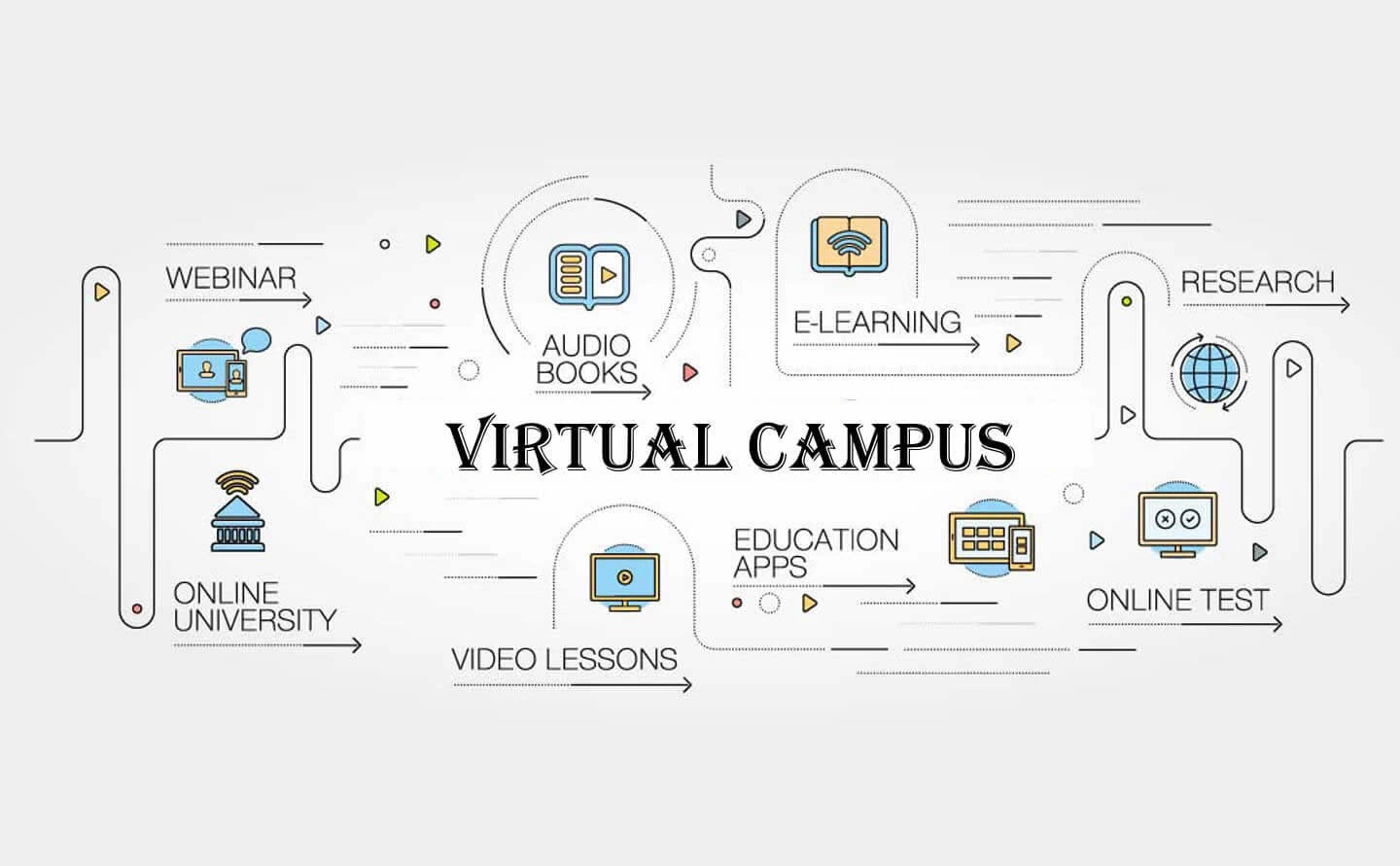
Distance Learning at AIU is enhanced by vast academic resources and innovative technologies build into the Virtual Campus: Hundreds of self-paced courses with video lectures and step by step lessons, thousands of optional assignments, 140,000 e-books, the Social Media & Networking platform allowing collaboration/chat/communications between students, and MYAIU develop students holistically in 11 areas beyond just academics.
The world is YOUR campus!”, that is the message of AIU’s month magazine Campus Mundi. Hear the voices and see the faces that make up AIU. Campus Mundi brings the world of AIU to you every months with inspirational stories, news and achievements by AIU members from around the world (students and staff are located in over 200 countries).
School of Science and Engineering
This Bachelor’s degree program will teach students the technical knowledge and innovative capabilities related to unmanned aerial systems engineering (UASS) and provide them with a solid foundation in how to educate adults using distance education techniques and strategies. Unmanned aerial systems degree students who have completed this program will develop practical applications of technologies and will be prepared to meet the needs of the unmanned aviation industry. By using blended Bachelor of unnamed aerial systems engineering educational methods, including engineering fundamentals, unmanned aerial systems engineering degree practical application of engineering methods, and digital UAS engineering bachelor educational methodologies, students will have the skills required to design, build, and operate advanced aeronautical systems using UASS.
Begin Your Journey!
AIU’s Summer of Innovation and Growth gives you the ability to earn up to $5000 in tuition credit by completing free lessons and courses.
Whether you’re looking to acquire new skills, advance your career, or simply explore new interests, AIU is your gateway to a world of opportunities. With free access to 3400 lessons and hundreds of courses the ability to earn credits and earn certificates there’s no better time to start learning.
Join us today as a Guest Student and take the first step towards a brighter, more empowered future.
Explore. Learn. Achieve.
Important: Below you’ll find a summary of the subjects and fields you can delve into and engage with throughout the course of your academic journey. It’s important to note that this list is neither exhaustive nor mandatory, as the graduate school programs at AIU might differ from conventional curriculum. Its main purpose is to serve as a guiding and visual aid. Are you interested in diving deeper into the curriculum framework at AIU?
An undergraduate degree in unmanned aerial systems (UAS) engineering generally provides students with a robust background in aviation, basic engineering principles, and automation technologies. Most programs include foundational coursework on aerodynamics, aircraft structure, propulsion systems, and flight mechanics, but will also have all areas specific to UAS’s e.g., UAS design, remote sensing, autonomous navigation and control systems.
A typical curriculum includes study in electronics, embedded systems, and communication networks to support the understanding of how drones collect and disseminate data; in addition to topics on mission planning; airspace rules, safety management; sensor integration; data analysis; and human factors; as such, the completion of this program prepares drone engineering degree students to design, operate, and support advanced UAS in a variety of industries.
Orientation courses for the Bachelor’s in Unmanned Aerial Systems Engineering, Andragogy and Distance Learning provide a base for students as they enter the unmanned systems engineering degree program. The purpose of these courses is to familiarize students with the technology, education, and operation scope of the program; it prepares them for how to learn effectively online, be successful academically, and understand the foundation of UAS Engineering. As students have an effective and clear understanding of digital learning environments, safety principles associated with UAS, technical tools needed to operate in a successful learning environment, and how adults learn; this will enable them to be well prepared for success in both Engineering and Instructional portions of the degree program.
The research that comes with the Bachelor’s Unmanned Aerial Systems Engineering: Andragogy and Distance Learning Program allows students to use their theoretical knowledge to solve current issues in both unmanned aviation and adult education. These research opportunities motivate students to develop innovative approaches for the advancement of autonomous flight technology, the integration of UAS technology program sensors, the use of remote learning tools and techniques, and, ultimately, improve the connection between humans and machines.
Students of drone technology engineering collect data through aerospace drone engineering experimentation, analyze data collected from their experiments, collaborate with peers to find solutions to problems, and identify developing trends within the field of UAS Engineering and effective methods of teaching adult learners. This combination of experience will produce graduates with an increased level of technology proficiency as well as insight into educational strategies. Graduates will be able to successfully lead and drive technological advances within their respective fields.
Publication – Through publications in the Bachelor of Science degree program for UAS Engineering with an emphasis on andragogy and distance learning, the innovative achievements and intellectual development of students can be demonstrated. Students publish research articles, engineering technical reports, UAS design briefs, and reflective studies demonstrating their skills as it relates to UAS technology development, performance of autonomous systems, instructional design, and digital learning strategies. These publications not only serve as a testament to the student’s ability to conduct rigorous investigations and communicate effectively but also provide insight into the fields of engineering and education. Students developing publications develop professional standing in their field as well as prepare them for the workforce or the advanced education.
Students benefit from a learning environment designed for them by artificial intelligence (AI), which helps improve educational experiences by providing adaptive learning based on student needs at their own pace with ongoing feedback and hands-on experiences. Adaptive Intelligent Learning Platforms are designed to fit the student’s individual learning speed and abilities and provide customized content, including simulated labs, simulated flight simulations, and case-based practice applications of UAS (Unmanned Aerial Systems Engineering) and Adult Learning Methodologies. Virtual airdromes, AI-assisted flight simulators, and intelligent assessment tools work together to produce an interactive, engaging environment in which to enhance technical competency and develop critical thinking skills through hands-on problem solving. By implementing AI into everyday unmanned aircraft systems engineering learning, collaboration, and project perpetuation, students develop an acute appreciation and understanding of UAS as well as a practical perspective of emerging trends in the future of distance/digital education.
The community and social aspects of pursuing your Bachelor of Science in Unmanned Aerial Systems Engineering using Andragogy/Distance Learning are extremely positive and promote connections among students, foster collaborative projects, and expand each student’s professional circle. The network of individuals who are committed to unmanned aircraft systems and innovative learning supports this community, and students are actively involved with one another through large group projects, online forums to discuss their innovations, peer-mediated study groups, face-to-face gatherings, and participation in unmanned systems online activities.
The program also offers mentoring opportunities from Contributors in the unmanned aircraft systems field, participation of industry speakers in classes, and activities organized by students in the Student Club, providing students with a feeling of ownership of the learning experience. Even though the program is provided through distance learning, the program creates a safe and supportive community for the ideas of learners to flow freely and for the creation of lasting friendships, allowing learners to be part of a diverse learning environment.
The Bachelor in Unmanned Aerial Systems Engineering (UASE) with andragogy and distance learning has a variety of academic resources to assist your professional and technical growth. The UASE program has digital libraries, UAS simulation software, virtual labs, and multimedia learning modules available that will give you an understanding of unmanned aerial vehicles and adult learning principles. Academic advisors provide students with academic support in addition to online tutoring, office hours, and virtual academic support. In addition to academic support, drone engineering students have access to multiple databases of scholarly articles, design tools, and aerial systems instructional design platforms to facilitate coursework, project completion, and remain informed of industry advances. Overall, UASE provides students with an extensive collection of resources that provide the framework for academic success in a 100% online learning environment.
Complete assignments online or offline at your convenience with 24/7 access to distance learning through AIU’s Virtual Campus. Step by Step guides including videos, tutorials, live webinars and examples for each course. All materials can be access on all web browsers as well as via AIU's Mobile App which brings all the features of the Virtual Camus to your Mobile Device.
MyAIU’s primary goal is to go beyond Academics, it looks to guide students through 11 elements that are key to living life optimally in all aspects. By identifying and reflecting on these key areas, an opportunity arises to holistically address them, through positive change, habits, reinforcement and tools to keep students on their chosen path.
The students have the opportunity to produce, edit and host their own show reaching a worldwide audience, the AIU community and giving notice of their expertise/passion in the subject. AIUTV & AIU Radio allow students to explore new ways to communicate, develop a platform and form potential collaboration with likeminded individuals.
AIU Campus Mundi is a monthly magazine that gathers the most notable news and information about the university and its members in one convenient place. The magazine allows our community to be well informed, involved and keep in tough regardless of their geographic location. AIU Campus Mundi publishes, news, research, events, awards, academic achievements.
Each year AIU organizes graduation ceremonies where the students can assist and share their experiences with fellow students and academic members Participation in the ceremony is optional, the day’s events include conferences, research presentations, group meetings, networking, lunch and formal dinner.
Students are encouraged to be active participants in symposiums that provide an opportunity for students to exhibit their research, showcase their innovative ideas, and interact with subject matter experts (SMEs) in Unmanned Aerial Systems and Adult Education. These events give students the chance to connect on a national or international level and provide an opportunity for exchanging information and making professional connections.
During the course, there will be 2 opportunities every day for students to join live classes where they will have a chance to engage with their peers and instructors in real time as well as to get feedback on their work daily from the instructors & fellow classmates. Within these live sessions, students will learn about technical aspects of unmanned aerial vehicles through the lens of how adults learn & how adult learners can be taught effectively through distance education methods.
The live class experience allows students to receive immediate feedback; work collaboratively to develop solutions for complex technical issues; and see how to perform hands-on demonstrations of difficult engineering concepts. As a result of this daily live class schedule, students can continue to interact with, stay engaged with, and receive assistance from instructors as well as remain connected to fellow classmates all while benefiting from an online learning format.
Through special projects; independent and collaborative research; and publishing / co-authoring opportunities, the program puts a strong emphasis on real-world engagement with students as they work on problems associated with unmanned aerial systems, autonomous technologies, and distance learning methods. Students use the theoretical knowledge gained in class to complete real-world applications. Research papers, technical reports, and journal articles are produced by students with/on industry or faculty members, and in so doing, develop critical thinking, analytical, and scientific communication skills that are important in both technical and educational careers. Through their experiences, students develop technical and educational expertise and create a professional portfolio, which establishes them as credible professionals in their academic field, prepares them for future studies or leadership positions in engineering and educational innovation.
The Career Center: Council for Distance Learning and Andragogy, located within the Mechatronics Engineering Degree Program, supports students’ professional growth and career placement. The Career Center offers extensive support for students, including assistance with resumes and portfolios, interview preparation, and internship/job placement in the fields of Unmanned Aerial Systems (UAS), Autonomous Systems and Educational Technologies, in addition to aerospace technology career counseling. The Career Center also provides networking opportunities with employers, graduates, and potential employers so that the student can convert their academic achievement into a successful career path. The Career Center provides on-going support to help the graduates succeed in their job searches by offering workshops and mentoring programs. The Career Center helps the flight systems graduates to be in a better position than the other job seekers when they enter the job market with the necessary skill set, confidence and advantage.
With the combination of an Unmanned Aerial Systems Engineering Degree & Andragogy Distance Learning, Graduates hold both the technical skills needed to work within the aerospace field as well as the educational abilities required to teach in a technologically-based environment. This program also provides numerous opportunities for graduates to use their unmanned aerial systems, autonomous technologies and adult education. Among many other roles, you may find the following opportunities available to graduates of this program:
For students pursuing a Bachelor of Science degree in unmanned aerial systems (UAS) engineering with an emphasis on andragogy and distance learning, there is a variety of specialised tools that will help them develop technical capabilities and facilitate educational creativity. Systems Engineering students will have access to state-of-the-art software such as those used for designing drones and simulating flight, programming autopilots and analysing flight data, as well as digital platforms that enable the development of e-Learning and instructional design solutions, such as the creation of AI-driven personalised learning experiences.
Utilisation of these aviation engineering tools enables students to experience hands-on engineering training; conduct individual research projects; produce high quality instructional materials; and effectively create an online learning environment in which to collaborate with other students. By using the tools available to them, students will be equipped with the necessary practical skills to successfully complete the Australian Qualifications Framework (AQF) qualifications, in addition to having developed the ability to think critically about complex engineering and educational issues, and to remain at the leading edge of current technological and educational advancements.
Students and graduates who have earned a Bachelor’s degree in Unmanned Aerial Systems Engineering through Andragogy and Distance Learning are encouraged to connect with profession-based organisations that promote growth, networking, and knowledge about the industries related to this area. These organisations provide a pathway to the most current research, annual conferences, workshops, industry-based certification and collaborative activities through the unmanned aerial systems, aerospace engineering and drone design educational technology sectors.
Before they can enter the EVEC program, applicants must provide evidence of completing (at least) secondary education with an acceptable form of certification such as a GED or recognized diploma and should have taken classes in math & science (that would include Physics). Given that the EVEC program includes both Technical Engineering and Distance Education components, applicants should also demonstrate the ability to utilize basic computer applications (word processing/Spreadsheets) and have had limited exposure to Science, Technology, Engineering, Mathematics (STEM) or programming through secondary education.
To be eligible to apply for a Bachelor’s Degree program in Unmanned Aerial Systems Engineering, an applicant must first verify their eligibility criteria (academic qualification of a minimum of High School or 12th Grade, with strong mathematical and scientific skills) and basic computer skill set. Second, an applicant must scan copies of all the required documents such as previous academic records, ID Proof, and Passport Size photo; other required documents as specified will also need to be scanned.
Candidates will be able to access the online application via the admissions portal once they have created their documents. From there, they can complete the application form as per all instructions, ensuring that they enter accurate personal information as well as providing current data about their previous academic history; this includes their full name, email address, postal address, phone number, etc. Applicants will upload their scanned files according to the directions provided and then proceed to complete the registration process by making payment of the Application Fee through an online Payment Gateway.
The Bachelor of Science in Unmanned Aerial Systems Engineering provides a variety of forms of financial assistance and scholarship opportunities to promote access to degree programs by a wide range of student populations. Such forms of financial assistance include merit scholarships awarded based on academic achievement, need-based grants, and early application or early registration discounts that reduce tuition costs for qualified applicants.
Additionally, the Bachelor of Science degree program offers students options for paying tuition in installments, flexibility in fee payment schedules, and counseling regarding financial aid to better enable students to manage the costs associated with higher education. By providing these forms of financial support to students, the Bachelor of Science in UAS Engineering with Andragogy and Distance Learning seeks to lessen the financial burden of accessing higher education; increase opportunities for students of all financial means to obtain a higher education; and provide motivated students the opportunity to complete their educational pursuits regardless of their financial situation.
We have taken a student-centric approach to AIU online tuition by providing an affordable and flexible fee structure for students from different walks of life to gain access to post-secondary education. The tuition structure enables students to pay their tuition fees in a convenient manner by providing students with smaller, more manageable payment options, thus reducing the financial strain of education as well as providing a better opportunity for financial planning on behalf of the student. Moreover, students will be able to obtain their degrees as they continue to work, support a family, or fulfill other commitments allowing students to spend their time on education and professional development.
Bachelor of Unmanned Aerial Systems Engineering is an undergraduate degree program designed to provide students with an education in the areas of drone and autonomous system design, operation and management. This will be accomplished by providing students with the technical engineering skills necessary to design unmanned aerial systems (UAS) and combine that with knowledge of flight systems, sensors, and data analysis.
Engineering within Unmanned Aerial Systems includes a range of topics including;
Aerodynamics and flight mechanics, Avionics, Unmanned Aerial Systems (Drones) Design, Autonomous systems, Sensors and instruments, Control systems, Robotics, Data Analysis and Regulatory/Compliance..
Strong analytical thinking and problem-solving abilities, proficiency with computer programming and software, a solid understanding of mathematics/physics, and knowledge/experience with electronics and avionics are some of the essential skills needed for UAS engineering degrees. UAS engineering students must also possess effective communications and teamwork skills.
Graduates with degrees in UAS Engineering may find employment as design engineers specializing in unmanned aerial systems (drones), as well as flight operation specialists, developers of autonomous systems, remote sensing analysts, avionics engineers, UAV technicians or maintenance workers, and technical trainers in both aerospace and technology-oriented education sectors.
"*" indicates required fields