
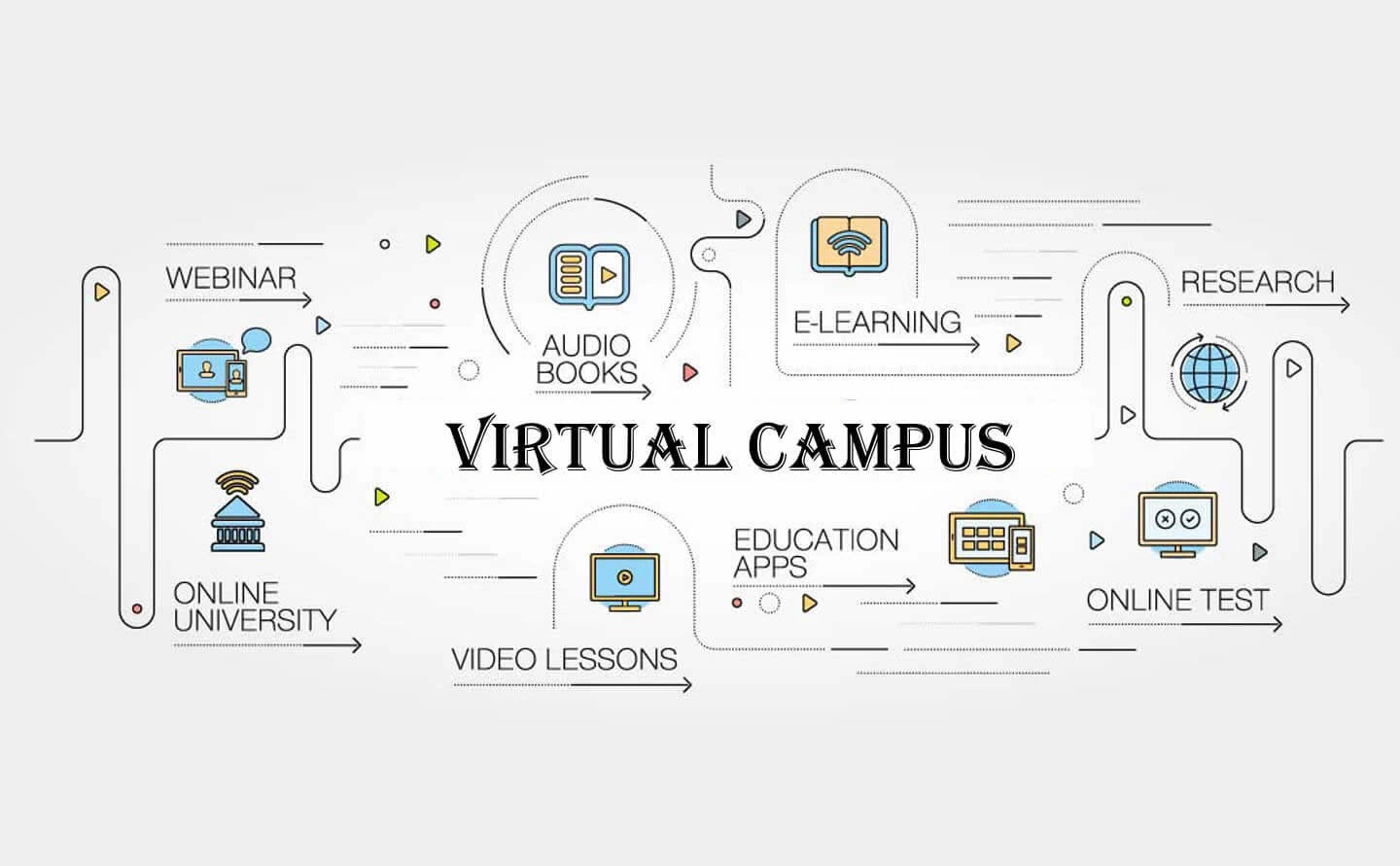
Distance Learning at AIU is enhanced by vast academic resources and innovative technologies build into the Virtual Campus: Hundreds of self-paced courses with video lectures and step by step lessons, thousands of optional assignments, 140,000 e-books, the Social Media & Networking platform allowing collaboration/chat/communications between students, and MYAIU develop students holistically in 11 areas beyond just academics.
The world is YOUR campus!”, that is the message of AIU’s month magazine Campus Mundi. Hear the voices and see the faces that make up AIU. Campus Mundi brings the world of AIU to you every months with inspirational stories, news and achievements by AIU members from around the world (students and staff are located in over 200 countries).
School of Social and Human Studies
The bachelor in ecotourism degree program at Atlantic International University (AIU) merges the concepts of environmental protection and sustainable tourism. This BA degree program is designed around AIU’s andragogical principles, which recognize that adult students want to have control over their own educational experiences, and focuses on developing independent thinkers through developing critical-thinking skills, conducting self-directed bachelor degree in ecotourism research, and applying what they have learned in the ecotourism context of the real world to their lives.
In addition, the format of AIU’s distance-learning bachelors in ecotourism program allows students to study on their schedule, choosing how much time to dedicate to their studies each week without regard to a classroom schedule. The topics and concepts that students can study in this program include biodiversity conservation, eco-lodge management, community-based tourism, and sustainable business models, and integrate the student’s life experiences in conjunction with the student’s career aspirations into their course of study and personal degree program.
Begin Your Journey!
AIU’s Summer of Innovation and Growth gives you the ability to earn up to $5000 in tuition credit by completing free lessons and courses.
Whether you’re looking to acquire new skills, advance your career, or simply explore new interests, AIU is your gateway to a world of opportunities. With free access to 3400 lessons and hundreds of courses the ability to earn credits and earn certificates there’s no better time to start learning.
Join us today as a Guest Student and take the first step towards a brighter, more empowered future.
Explore. Learn. Achieve.
Important: Below is an example of the topics or areas you may develop and work on during your studies. By no means is it a complete or required list, as AIU programs do not follow a standardized curriculum. It is meant solely as a reference point and example. Want to learn more about the curriculum design at AIU? Check here: Course and Curriculum
AIU’s Bachelor in Ecotourism degree program was prepared on purpose to lay a solid foundation for graduates to create sustainable tourism and environmental management programs. Examples of the courses and areas of study that are part of this area of study (major) are as follows: Ecotourism Principles and Practice; Biodiversity Conservation; Sustainable Travel Planning; Community Based Tourism Development; Environmental Policy and Ethics; Eco-Lodge and Hospitality Management; Wildlife and Habitat Management; Tourism Marketing and Promotion; and Sustainable Business Strategy.
The students will have developed a wide range of theoretical knowledge and gained practical skills by completing this ecotourism bachelor degree course of study which will allow them to successfully create and manage bachelor in sustainable tourism and ecotourism programs that are economically viable as well as ecologically and socially responsible.
Orientation courses for the bachelor in ecotourism program at AIU have been developed as a means of preparing the student for success at AIU via the self-directed approach to learning that is unique to AIU. These “Foundations” courses will provide the student with skills necessary for academic research and writing, critical thinking, digital literacy and time management in a distance education environment. In addition to the bachelors in ecotourism modules on academic skills, the student will also receive an introduction to the concept of ecotourism, sustainable development principles and awareness of environmental issues in order to assist the bachelor in eco tourism management student in successfully completing both core and elective coursework using the AIU andragological and student-developmental approach.
Within the Bachelor of Ecotourism program at AIU, students engage in a variety of research activities, using theoretical knowledge gained through coursework to solve issues related to the environment and tourism. Examples of projects may include studies of biodiversity conservation, developing sustainable tourism, managing eco-lodges, involving communities in nature tourism and ecotourism, completing an environmental impact assessment or integrating cultural heritage into tourism practices.
In conducting guided and self-directed research, students develop critical analytical skills; learn to design experiments, implement problem-solving techniques and contribute original ideas to the field of ecotourism (all while following AIU’s distance-learning models and andragogical approaches that focus on student independence, creativity, and purposeful learning).
Publication – Bachelor in Ecotourism students at AIU are encouraged to contribute to the academic community through student publications. The students have the chance to publish their original research, project reports and case studies on topics that relate to the field of ecotourism such as, but not limited to: sustainable tourism practices and policies; the conservation of biodiversity through ecotourism; community-based ecotourism; and environmental policy related to ecotourism.
Publishing has the following benefits for Bachelors in Ecotourism students: development of research and writing skills; sharing innovative solutions with others in the field; and establishing an academic portfolio showcasing their ability and dedication to the field of ecological tourism. In addition to the above, this process is in line with AIU’s andragogical methodology and encourages students to take ownership of their academic learning and have a positive effect on the world around them through their professional contributions.
At AIU, the Bachelor of Ecotourism degree program culminates in an academic thesis defense/expedition. During this time, students will present their original research in front of a panel of academic advisors who will ask them to defend it. This important event enables students to demonstrate their ability to implement ecotourism concepts and research methods and apply those methods to develop sustainable tourism practices; therefore, providing real-world solutions to environmental and community issues.
Throughout this process, students will also be able to further develop their critical thinking, communication, and problem-solving skills, which exemplifies AIU’s andragogical philosophy, emphasizing self-directed learning, independent research, and the application of knowledge to real-world problems through the use of a distance-learning format.
The student experience at AIU for the Bachelor in Ecotourism is created to be immersive, deemed flexible and completely satisfying the needs of adult learners. Students at AIU can complete self-directed projects and complete field studies, as well as complete virtual activities for the completion of assignments or community-based activities where developing connections between theory and practice is part of the process through the Distance Learning Platform that AIU provides.
The student has access to an assigned advisor or tutor who provides personalized assistance while using a variety of online tools to connect them with other students from diverse countries around the world. Ultimately, this delivers an educational experience that develops the student’s knowledge of sustainable tourism development and environmental management as well as developing important professional and life skills, resulting in a transformational and rewarding education.
At AIU, the Bachelor in Ecotourism programme focuses strongly on Community and Social Engagement as it pertains to Responsible Tourism and its positive environmental and social impacts. Students will engage directly in local projects that support and develop local communities, preserve cultural heritage, and assist in promoting sustainable development practices. Through service-learning projects, collaborative bachelors in ecotourism research projects, and Ecotourism planning, students will gain valuable experience in balancing tourism growth with social responsibility.
This philosophy of experiential learning reflects AIU’s andragogical philosophy, providing a means for students to use their knowledge in the “real world,” develop their leadership abilities, and make positive contributions to the communities and ecosystems they serve in ways that will create a lasting and continuing positive effect.
AIU’s bachelor in ecotourism studies provides a wide variety of institutional resources, allowing a flexible and independent study experience for all learners. In addition to thousands of digital library resources available to students (including books, research articles, case studies, and multi-anime files) which deal with subjects such as sustainable tourism, environmental stewardship, and community development, students also have access to virtual labs, interactive software packages, webinars, and AI-driven learning resources to support their practical application and critical thinking skills. The academic advisors and tutors who are available to assist bachelors in ecotourism students with using these resources, coupled with the online distance education format of ATU, allow ecotourism management degree students to learn anytime and anywhere during their educational experiences, and create an exciting, stimulating and transformative educational experience.
Complete assignments online or offline at your convenience with 24/7 access to distance learning through AIU’s Virtual Campus. Step by Step guides including videos, tutorials, live webinars and examples for each course. All materials can be access on all web browsers as well as via AIU's Mobile App which brings all the features of the Virtual Camus to your Mobile Device.
MyAIU’s primary goal is to go beyond Academics, it looks to guide students through 11 elements that are key to living life optimally in all aspects. By identifying and reflecting on these key areas, an opportunity arises to holistically address them, through positive change, habits, reinforcement and tools to keep students on their chosen path.
The students have the opportunity to produce, edit and host their own show reaching a worldwide audience, the AIU community and giving notice of their expertise/passion in the subject. AIUTV & AIU Radio allow students to explore new ways to communicate, develop a platform and form potential collaboration with likeminded individuals.
AIU Campus Mundi is a monthly magazine that gathers the most notable news and information about the university and its members in one convenient place. The magazine allows our community to be well informed, involved and keep in tough regardless of their geographic location. AIU Campus Mundi publishes, news, research, events, awards, academic achievements.
Each year AIU organizes graduation ceremonies where the students can assist and share their experiences with fellow students and academic members Participation in the ceremony is optional, the day’s events include conferences, research presentations, group meetings, networking, lunch and formal dinner.
Students studying a bachelor in ecotourism are encouraged by AIU to attend symposiums. Symposiums are organized events that provide students with the opportunity to explore new trends and discoveries in sustainable tourism and environmental management through presentations, networking opportunities and discussions between students, faculty and professionals.
The bachelor in ecotourism program includes 2 live, interactive classes offered every day; these encourage additional self-directed learning through real-time interaction with your peers and/or instructor(s). Each of the core topics discussed throughout each session include relevant case studies and practical applications that pertain to sustainable tourism, biodiversity conservation, and community-based projects. Students of bachelor in tourism and sustainability may ask questions, discuss conceptually difficult material, and work with other students to develop solutions to complex problems at the course’s end, thereby increasing their knowledge and ability to think critically about ecotourism.
In addition, the live classroom session time is flexible, allowing students from around the world the opportunity to participate; this flexibility provides students who are learning at a distance through AIU with the opportunity to experience an engaging, dynamic learning environment while still maintaining the self-directed and convenient qualities of AIU’s distance education program.
The bachelor in ecotourism program encourages students to get involved with special projects, research publications, and co-authored works, allowing them to apply the theoretical aspects learned in their classes. Working with faculty or other students, participants create and implement projects relating to one of the following areas: sustainable tourism, conservation of biodiversity, management of eco-lodges, and community-based tourism.
Students prepare sustainable tourism research papers, case studies, and co-authored publications and continue to develop critical thinking skills, analytical thinking skills, communication skills, and develop a portfolio of published work. Through their participation in these bachelors in ecotourism activities, students contribute to the pleasure of ecotravel and demonstrate AIU’s andragogical approach to learning, which is independent, purposeful, and oriented toward making a positive difference in the world.
The AIU Career Center assists Ecotourism students through individual assistance, career counseling/job placement service, resume/portfolio assistance and networking opportunities globally in the ecotourism industry by providing them tools to develop their career. Workshops on entrepreneurship, leadership, and professional skills for adults are also available. With the use of an andragogical self-directed approach to wildlife tourism career planning, students are equipped to relate their environmental tourism education (academic and experiential) to their personal career goal aspirations, find rewarding employment and create positive change in communities and ecosystems around the world.
The bachelor in ecotourism is offered at American International University. It prepares graduates to enter many sectors within the sustainable tourism industry and to make contributions toward environmental stewardship and community development. Career opportunities in ecotourism include the following: ecotourism manager; sustainable travel consultant; wildlife/habitat coordinator; eco-lodge/resort manager; environmental educator; community tourism developer; conservation project officer; marketing/promotional specialist for tourism; adventure/nature-based tourism guide; or policy adviser/enforcer for tourism and environmental organizations. Each of these tourism management career paths supports graduates’ ability to use their education, knowledge, and skills to create new ways to offer responsible travel options, raise awareness of conservation efforts/benefits, support local communities with financial opportunities, and enhance the long-term economic viability of all communities throughout the world.
The Bachelor in Ecotourism program at AIU offers a comprehensive suite of both digital and experiential tools that support students throughout their education and help them develop professionally and academically. Through the use of GIS mapping software, students can plan for ecotourism development and land use with a tool tailored specifically to the ecotourism development process; develop environmental models; create virtual labs to simulate environmental changes; perform various types of data analysis through data analysis programs; and have access to AI-based research assistance. These tools are augmented by the use of online educational resources, such as project management systems and digital collaboration platforms, all of which can assist students with community-focused projects through group work.
The AIU wants the students of its Bachelor of Ecotourism program to interact with industry leading organizations for a couple reasons: to receive professional development opportunities; and to establish an international network. When students work with these associations they will have access to research materials, seminars, certificates, and opportunities for collaborative projects.
These experiences will assist the students in applying what they learn relating to sustainable tourism and environmental management in an academic setting and give them a better understanding of what these practices look like in practice. Through their ongoing participation with the associations, students will be able to keep abreast of the ongoing developments and trends in ecotourism and build professional networks/contacts with professionals in the ecotourism industry worldwide.
The Bachelors in Ecotourism at AIU is designed to be flexible and accessible for all adult learners of diverse educational and professional backgrounds. To qualify for the Bachelor of Ecotourism program at AIU, candidates are usually expected to have completed a secondary education or its equivalent, demonstrating satisfactory academic proficiency to a level that provides a foundation for future successes. To receive the best consideration for admission, we encourage all cultural tourism applicants to submit their official transcripts and a personal statement describing their educational goals related to the field of ecotourism and sustainability as well as any work/volunteer experience relevant to ecotourism and sustainability. Because AIU takes an andragogical approach to learning, the admissions process also considers the applicant’s potential, motivation, and ability to learn independently, which is part of the AIU commitment to producing independent, purpose-driven learners in a completely distance-based format.
To apply for the Bachelor of Science in Ecotourism program at American InterContinental University (AIU), an adult learner-friendly online application can be filled out and submitted on AIU’s website with academic transcripts and any other documents needed for your application. Once an application is evaluated, applicants are required to create and submit their own personal statement articulating their interest in ecotourism, sustainability and self-directed learning goals before receiving approval to attend AIU; after receiving admission approvals, an advisor will assist with designing a customized study plan to meet each individual’s career goals. After being accepted into the program, students will be completing the enrollment procedures and gaining access to all AIU resources such as the distance learning platform, educational materials and multi-faceted support systems to facilitate an educational journey that will change your life forever.
AIU provides numerous financing choices for learners to make the Ecotourism Degree both affordable and attainable worldwide. Different resources, such as flexible payment plans, merit-based grants and scholarships, and occasional promotional awards exist to assist students in reducing the total cost of obtaining their degree from AIU. Additionally, AIU offers support by providing guidance to learners regarding external sources of funding and personal finance consulting services, which can assist in eliminating the stress of draining finances associated with continuing one’s education. The support AIU offers is reflective of its vision of providing inclusive, self-directed and goal-oriented education that allows all students to pursue their education and vocational growth while supporting sustainable practices in ecotourism throughout the world. Additional information is available at AIU’s website.
An eco-tourism degree from AIU is an affordable option for anyone looking to further their education. AIU’s tuition levels are designed to be affordable for adult learners of all circumstances. Students can take advantage of AIU’s monthly payment program, which allows them to pay their tuition over time in manageable monthly amounts; therefore, reducing the financial load on their ability to focus on their studies and build their careers. Because AIU is committed to creating a distance-learning environment that is accessible and high quality, independent, and self-directed, all students will receive the resources necessary to be successful in school while creating no unnecessary financial strain.
Ecotourism is a cross-discipline degree program that blends study of the natural environment and tourism industry in terms of how to create and operate sustainable travel experiences that will protect and enhance the natural environment. Students will learn skills necessary to manage and deliver eco-friendly tourism experiences, while supporting local economies and promoting environmental stewardship.
An individual’s academic program in ecotourism (such as a bachelor’s degree) will teach them the skills needed to work within any of the jobs that are listed above, but their real-world experience will depend on whether they continue their education beyond their bachelor’s degree.
Yes, ecotourism can be a great career option for individuals who value sustainable practices, love nature and want to help develop communities. It can also provide a variety of opportunities in tourism management, conservation, education and sustainable business while having an overall positive effect on both the environment and society in general.
If you have graduated with an ecotourism degree you will be able to use your education to find employment in the following areas: Ecotourism Managers, Sustainable Travel Consultants, Wildlife or habitat coordinating, Eco Lodge/Resort Managers, Environmental Educators, Community Based Tourism Developers, Adventure Guides, and Tourism Marketing Specialists.
"*" indicates required fields