



Bachelor in Agriculture Food and Resources

School of Science and Engineering

Academic Freedom to Discover Your Purpose

Open Curriculum Design at Atlantic International University

A bachelor in agriculture food and resources focuses on the management of agriculture, food, and resources sustainably within our rapidly changing world. The curriculum provides an examination of advanced subject areas in Agricultural Science, Food Security, Environmental Sustainability, and Resource Management integrated with contemporary technology and research-based practices. There will also be an emphasis on gaining the necessary agriculture food and resources bachelor degree knowledge and skills to address the global issues that exist today including climate change, sustainable agriculture, and creating efficient food systems. Graduates of bachelor in agricultural resource management will be prepared for leadership opportunities within Agriculture, Agribusiness, Public Policy, and Environmental Management.

Contact Us Today!

Begin Your Journey!
AIU’s Summer of Innovation and Growth gives you the ability to earn up to $5000 in tuition credit by completing free lessons and courses.
Whether you’re looking to acquire new skills, advance your career, or simply explore new interests, AIU is your gateway to a world of opportunities. With free access to 3400 lessons and hundreds of courses the ability to earn credits and earn certificates there’s no better time to start learning.
Join us today as a Guest Student and take the first step towards a brighter, more empowered future.
Explore. Learn. Achieve.

What are the Core Courses & Topics for a Bachelor in Agriculture Food and Resources ?

Important: Below is an example of the topics or areas you may develop and work on during your studies. By no means is it a complete or required list, as AIU programs do not follow a standardized curriculum. It is meant solely as a reference point and example. Want to learn more about the curriculum design at AIU? Check here: Course and Curriculum.

The primary courses and themes in the Bachelor’s degree(s) in Agriculture, Food and Resource Management include an interdisciplinary foundation for modern agriculture, sustainable food production, and resource management.

The bachelor in agriculture and food systems curriculum has many different important facets of msc in agriculture food and resources including sustainable agricultural practices, food security, agricultural economic principles, environmental resource management characteristics, and agricultural policy; however, students are introduced to many other subject areas such as soil conservation principles and techniques, water conservation principles and techniques, agribusiness management principles and practices, or climate-resilient farming methods or technologies related to food production. Through engagement with these major content areas of study, students will gain the knowledge and tools necessary to create practical and effective solutions for global food system challenges and responsible use of available resources.

What are the Orientation Courses for Bachelor in Agriculture Food and Resources ?

The Bachelor’s Program in Agriculture, Food Systems and Resources includes Orientation Courses that introduce students to the way the university teaches and how to have a successful academic career. The Orientation Courses help prepare students to understand how to be an independent or self-directed learner and some important academic and research skills. The online bachelor in agriculture food and resources orientation Courses give students exposure to some of the different modules that they will be studying in the Bachelor’s Program, including critical thinking, academic writing, research methodology and digital learning tools. The Orientation Courses will also help students learn how to create personal and professional goals and how to relate their studies to their own personal interests in Agriculture, Food Systems and Resource Management.

During the Orientation Courses, students will gain the skills needed to prepare for advancement in the academic and/or professional area of their choice.

  • Communication & Investigation (Comprehensive Resume)
  • Seminar Administrative Development (Book Summary)
  • Organization Theory (Portfolio)
  • Seminar Cultural Development (Practical Experience)
  • Experiential Learning (Autobiography)
  • Seminar International Development (Publications)

Research Projects : Bachelor in Agriculture Food and Resources

Students of affordable agriculture food resources degree can pursue their own independent research through the Bachelor of Agriculture, Food and Resources program by developing their own research project that applies research methodology to a practical problem in the areas of agriculture; food systems; and management of natural resources, giving students an opportunity to address real-world issues and challenges in the following areas: sustainable agriculture; food security; agricultural technology; environmental conservation; and rural development. 

Research Projects emphasize critical thinking, analysis of data, and practical problem-solving for students and allow for connection between the theoretical and practical aspects of agriculture to real agricultural situations. Working on the accredited agriculture food resources program research projects provides students with the opportunity to provide new knowledge to the field and develop skills necessary to support sustainable agricultural practices and efficient management of natural resources worldwide.

  • MBM300 Thesis Proposal
  • MBM302 Bachelor Thesis (5,000 words)

Publication – Students in the Bachelor of Agriculture, Food and Resources program may publish articles, research papers, case studies, and reports about agricultural sustainability, food systems, natural resource management, and agricultural innovations as part of the Student Publications component of their course. This allows students to improve upon their research, writing, and analytical skills while adding to the body of knowledge in this area. In addition, the published work of the student will support their academic recognition, enhance their professional credibility, and develop into a source of thought leadership regarding agriculture and resource management.

Are You Ready to Apply for a Bachelor in Agriculture Food and Resources ?

Click Here

Thesis Defense

At the end of the bachelor in agriculture food and resources, all students will present their final research project (the Thesis) and defend their research to an audience of faculty members (and occasionally, to an audience that may include family). This presentation will consist of an overview of the student’s research and a description of how that affordable agriculture food and resources bachelor research applies to agriculture, food systems, sustainability or natural resource management. 

Students of bachelor in agriculture food and resources will be able to exhibit their independent/research capabilities and demonstrate their capability to evaluate a variety of online bachelor in agriculture food and resources complex issues within the agricultural community and propose innovative and workable solutions to them.

Bachelors in Agriculture Food and Resources Student Experience

Students enrolled in the Bachelor in agriculture food and resources program gain a greatly enhanced experience through the use of AI Education Technology, which allows them to experience a brand new learning environment that is modern, flexible, and personalized to individual learners. Advanced AI applications provide students with the ability to research through numerous academic sources, interpret agricultural data, and produce research for specific areas such as sustainable agriculture, food systems, and managing natural resources.

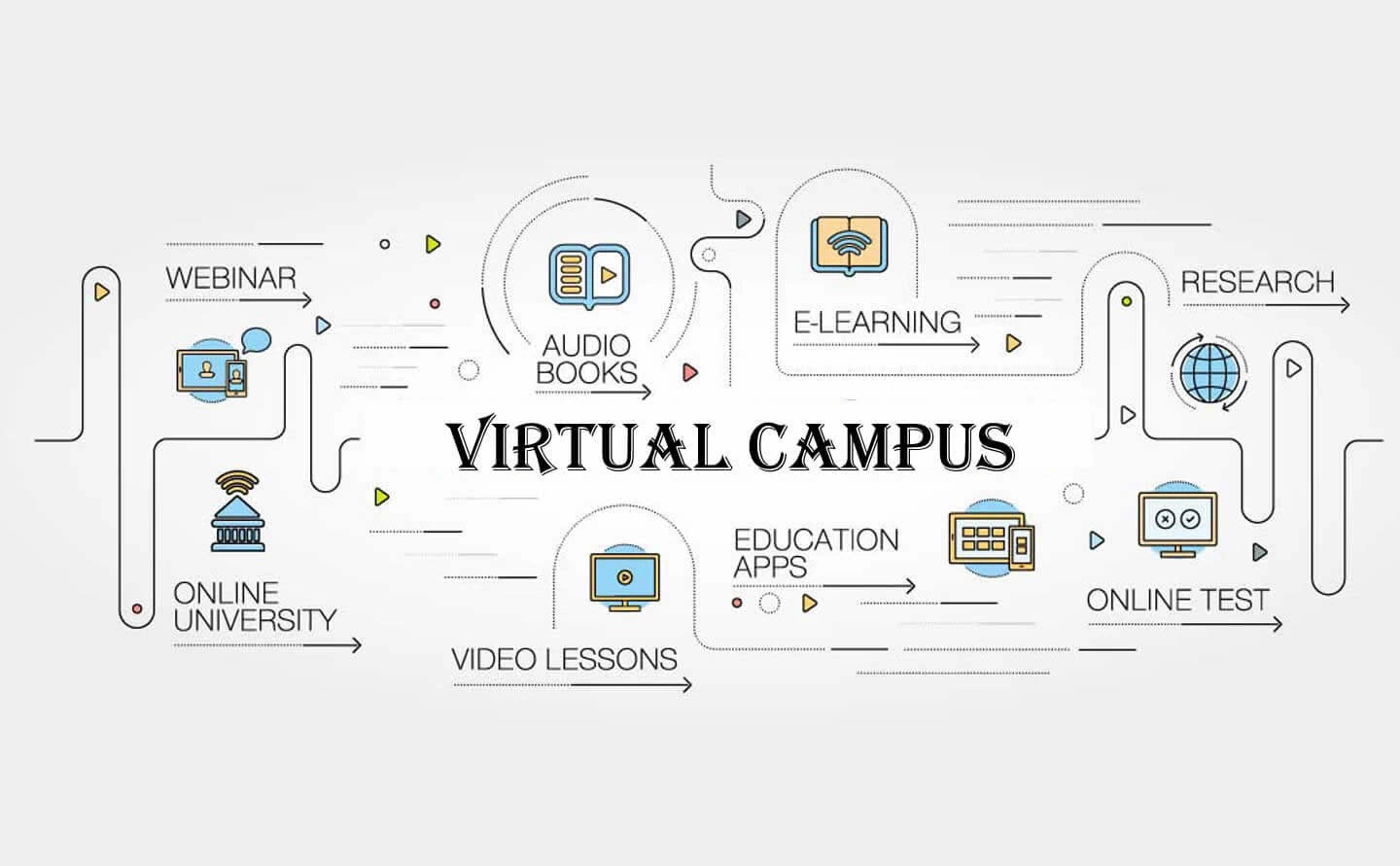
Driven by Intelligent Learning Software Solutions, bachelors in agriculture food and resources learners have access to a wide range of interactive content, Virtual Labs, research databases and on-demand academic resources in real-time. The use of distance learning agriculture and food systems program technology as a vehicle for learning allows students to learn at their own rhythm while gaining a greater understanding of how to address complicated global issues related to agriculture and resources through innovation.

Community & Social

In the Community and Social Engagement area of the Bachelor’s degree in Agriculture, Food and Resources programs students learn how to put into practice what they have learned in the classroom by addressing problems in the field of agriculture and the environment. Encouraging students to get involved in community-based projects to help improve their communities through various types contribute to sustainable agriculture, support local food systems, raise awareness about resource conservation and food security etc. 

Students connect with many different people and organizations within the agricultural industry by participating in sustainable agriculture and food resources, bachelors collaborative projects, outreach and global discussions related to their area of expertise. In addition, participation allows students to develop skills related to leadership, social responsibility as well as providing them with knowledge on how agriculture/management of natural resources will provide positive contributions to the community and assist in sustainable development.

Academic Resources

The bachelor in agriculture food and resources program will provide students with advanced information as well as applied knowledge for understanding how to manage present day agricultural systems, produce food sustainably and efficiently manage resources. 

The following key areas will be explored: sustainability of agriculture; food security; conservation of the environment; innovative technologies in agriculture. Through the application of knowledge through sustainable agriculture research and projects, graduates will develop their ability to think critically, research, develop and solve problems that contribute to solving the global challenges in understanding and working with agriculture and the food systems that underlie agricultural production. Integrating scientific understanding along with real world application will prepare graduates to support the sustainable development of agriculture and the efficient use of resources resulting in better food systems worldwide.

Live Classes

The Bachelor of Agriculture, Food & Resources is a degree program that offers its participants the opportunity to take two live classes every day where they can participate in several different interactive learning opportunities as well as engage academically. 

Live classes provide students with a platform in which they can establish connections with professors, researchers and other students worldwide while discussing a variety of topics that relate to agriculture such as sustainable agriculture, food systems, environmental management, and agricultural innovations. Through live discussion, case studies and presentations by experts in their fields, students also gain knowledge about trends and developments in their respective industries. For students, the use of live classes promotes collaboration, sharing of knowledge, and active participation among the students who are participating in these classes, and offers a unique, collaborative, and supportive learning experience for their students on a global basis.

Special Projects, Research Publications, & Co-Authoring

With the Bachelor of Agriculture, Food and Resource program, the students can be engaged in delivering quality research, through Special Projects, grants, assisted research, or writing, they have the opportunity to be a part of real, academic and practical research. The special projects focus on the student’s exploration of new ways of producing food and include projects related to sustainable agricultural produce through various forms of food production, the conservation of our environment and resource management. The students in the program can co-author their research findings with faculty and other researchers on professional pieces of writing (ex. scholarly articles, reports, case studies). This experience increases their capabilities as a researcher and adds value to their academic profile and provides the opportunity to share their knowledge with others as a means of advancing the field of agriculture and sustainable food systems through education and research development.

Get Started with AIU’s Innovation Theory 

Register Today

Career Center for Bachelors in Agriculture Food and Resources

The Bachelor Program Career Center for Agriculture, Food and Resource (AFR) provides support for students to successfully prepare themselves for their careers in agriculture, food systems and resource management. The career center offers students the resources necessary to effectively plan for their careers; develop professionally; and locate jobs within the area of sustainable agriculture; agribusiness; environmental management; food production; and agricultural research. Many services are provided to assist students in developing their skills and gaining the confidence needed to be successful leaders in the global agriculture and food system, including career counseling; resume writing assistance; job fairs; industry statistics and industry insights. The Career Center connects students’ academic learning to real-world job opportunities, providing students with the knowledge and tools to help them make valuable contributions to the development of sustainable agriculture.

Job Description

For the Bachelor in the Agricultural Food and Resources Sciences, the Career Center helps with planning and preparing for a successful career in these fields. The Career Center assists students with career planning, professional development and job search assistance in disciplines such as sustainable agriculture, agribusiness, environmental management, food production, and agricultural research.

The career opportunities in agriculture food resources provide service through individual career counseling appointments, resume assistance, networking opportunities, and access to industry information about employment opportunities. Students of agriculture management career receive a variety of resources to develop the skills and confidence to pursue farm operations manager leadership roles in the world’s agricultural and food industries. The Career Center creates linkages between academic programs and career opportunities by preparing graduates to contribute to the sustainable development of agriculture. Some of the prominent job roles are : 

  • Agricultural Consultant
  • Agribusiness Manager
  • Food Systems Analyst
  • Agricultural Research Scientist
  • Sustainable Agriculture Specialist
  • Farm Manager
  • Soil and Crop Scientist
  • Agricultural Policy Analyst
  • Food Safety and Quality Manager
  • Natural Resource Manager
  • Agricultural Extension Officer
  • Environmental Sustainability Specialist
  • Agricultural Supply Chain Manager
  • Rural Development Officer

Tools for Bachelor in Agriculture Food and Resources

The Bachelors of Agriculture Food and Resources (MAFR) degree program introduces students to a diverse range of tools and technologies that aid in research, data analysis, and sustainability efforts in Agriculture through modern methods. It provides students with the opportunity to have experience with tools for analyzing Agriculture data, monitoring of Environmental factors, efficient use of Resources and improvement of Crop Production. 

Students through their use of modern software applications, internet-based platforms and analytical tools acquire the skill sets required for agribusiness management success as an Agriculture and Food Systems Manager today. Additionally, the multiple applications of technology can assist students in carrying out research work; assessing Agricultural trends; creating creative solutions to address global food security issues and enable them to have a long-term, positive influence on sustainability for all forms of Resource usage.

Associations for Bachelor in Agriculture Food and Resources Professionals

The Bachelor in Agriculture, Food and Resources or Bachelor in Sustainable Agriculture program provides numerous opportunities for students to connect with industry professionals through a variety of associations and other organizations. Students with agribusiness specialist degree can utilize these natural resource and farm management resources to attend conferences, workshops, journals and engage in research collaboration, network with peers and develop their professional skillset. By joining such organizations and gaining access to information, students keep abreast of recent developments in the industry, learn about sustainable practices, and find ways to leverage the latest technology into their food security future careers through the creation of an international agricultural economics professional network that will support their career progression and career leadership in both agriculture and environmental fields.

Explore AIU Mundi Magazine to Stay Updated 

Read Now

Bachelors in Agriculture Food and Resources Admission Requirements

Most applicants to the Bachelor’s program in agriculture, food, and resource must have completed their high school with agriculture, environmental science, or biology, or a combination of those fields as  core subjects. In many cases, supporting documentation, including transcripts from all previous higher education courses, a statement of purpose describing interest and career objective(s), and previous professional experience(s) if applicable, will also be part of the admissions process. The primary objective of the program is to provide opportunities for individuals who aspire to become leaders in soil science, sustainable agriculture, food systems, and responsible resource management, and who desire to create a positive impact in those areas of emphasis.

How Can You Apply?

The process of applying for the Bachelor’s degree program in Agriculture, Food and Resource Management can be accomplished easily and flexibly, thereby encouraging students to embark upon their academic pursuits with a minimum of problems. A potential candidate can complete an on-line application, provide their academic records and supporting documentation including transcripts and resume if applicable; then an academic adviser will typically contact that student after reviewing their application to discuss their educational interests, aspirations for career development, and goals with respect to enrolling in this course of study. Upon acceptance into the program, a student will work directly with his or her adviser on issues related to enrolling in classes, planning a schedule of classes, and obtaining access to the university’s online learning environment so that they may commence their educational careers and develop knowledge and skills related to agriculture, food systems, and resource management.

Financial Support & Scholarships

The institution is committed to providing financial support and scholarships for the Bachelor in Agriculture Food and Resources program to provide quality higher education for students who come from diverse backgrounds. Financial assistance options are available throughout an entire course of study and may include scholarships and flexible payment plans in addition to other types of financial aid in order for the student to be able to concentrate on his/her studies while effectively managing their financial obligations. Additionally, all of these types of financial assistance demonstrate the institution’s desire to provide increased access to a higher education and support students who are committed to improving agriculture, food systems and resource management in the future.

How Much is the Cost Per Year for a Bachelors in Agriculture Food and Resources ?

Financially feasible options exist to help students achieve their goals of earning their bachelors degree(s) in agriculture, food and resources. Flexible payment options also help to ease affordability for all types of students, especially those who may not otherwise be able to afford pursuing a graduate degree without an up-front tuition cost. Graduate students need to balance their financial obligations with their academic pursuits; thus, universities with online degree programs provide multiple ways of paying for tuition (e.g., through monthly payments versus a one-time payment) which allows those food production systems students to continue pursuing their education and remain actively engaged in the workforce through a variety of flexible scheduling options. High quality agricultural environment sustainability education continues to be available to motivated rural development learners via the combination of these flexible payment options along with high-quality educational content.

FAQs

What can I do with a bachelor in agriculture food and resources?

A Bachelor in Agriculture, Food and Natural Resources allows for career opportunities ranging from farming to food systems, business and the environment. Careers include working in agribusiness management, including management of farm operations or supply chains; working in food quality control, food processing or working in the development of food; working in sustainable agriculture; working in the area of environmental conservation; working as an agricultural consultant; working with government agencies on rural development and food security; working in research; and working in education. In addition to these careers many graduates will pursue entrepreneurship through starting farms, agri-tech companies, or businesses that create food products. The degree provides for a wide range of career opportunities with vast opportunities for advancement.

Is agriculture a good career choice?

Absolutely, agriculture is a promising career option because there is a continual need for agriculture workers due to the following reasons; many different areas of employment exist within agriculture; farming, agribusiness, food production, and sustainability are all included; agriculture is critical to the security of food globally; and, due to advances in technology and the increased emphasis placed on sustainable practices, the field provides an opportunity for continued growth and innovation.

What jobs can you get with an agriculture degree?

Opportunities within Australia are plentiful; potential roles include; farm manager, agronomist, agricultural consultant, food quality specialist, supply chain manager or in agribusiness. Other careers include; environmental specialist, researcher, government official or establishing your own agricultural/agribusiness company.

How long does a bachelor in agriculture take?

Approximately 3 years.

Postdoctoral Areas of Study

Let us know your goals and aspirations so we can chart a path at AIU to achieve them!
//
Admissions Counselor
Alba Ochoa
Available
//
Admissions Counselor
Juan Mejia
Available
//
Admissions Counselor
Veronica Amuz
Available
//
Admissions Counselor
Rene Cordon
Available
//
Admissions Counselor
Ariadna Romero
Available
//
Admissions Counselor
Sandra Garcia-Fierro
Available

"*" indicates required fields

This field is for validation purposes and should be left unchanged.
Name*

"*" indicates required fields

This field is for validation purposes and should be left unchanged.
Name*

"*" indicates required fields

This field is for validation purposes and should be left unchanged.
Name*

"*" indicates required fields

This field is for validation purposes and should be left unchanged.
Name*

"*" indicates required fields

This field is for validation purposes and should be left unchanged.
Name*

"*" indicates required fields

This field is for validation purposes and should be left unchanged.
Name*

"*" indicates required fields

This field is for validation purposes and should be left unchanged.
Name*

"*" indicates required fields

This field is for validation purposes and should be left unchanged.
Name*

"*" indicates required fields

This field is for validation purposes and should be left unchanged.
Name*

"*" indicates required fields

This field is for validation purposes and should be left unchanged.
Name*

"*" indicates required fields

This field is for validation purposes and should be left unchanged.
Name*

"*" indicates required fields

This field is for validation purposes and should be left unchanged.
Name*

"*" indicates required fields

This field is for validation purposes and should be left unchanged.
Name*

"*" indicates required fields

This field is for validation purposes and should be left unchanged.
Name*

"*" indicates required fields

This field is for validation purposes and should be left unchanged.
Name*

"*" indicates required fields

This field is for validation purposes and should be left unchanged.
Name*

"*" indicates required fields

This field is for validation purposes and should be left unchanged.
Name*

"*" indicates required fields

This field is for validation purposes and should be left unchanged.
Name*

"*" indicates required fields

This field is for validation purposes and should be left unchanged.
Name*

"*" indicates required fields

This field is for validation purposes and should be left unchanged.
Name*

"*" indicates required fields

This field is for validation purposes and should be left unchanged.

Submit your data.

After submitting, a widget will appear at the bottom-left corner so you can start your training.

Name*

Do you hate spam? Don’t worry, we hate them too. Your email is 100% secure with us.

"*" indicates required fields

This field is for validation purposes and should be left unchanged.

Submit the form below to begin your interview.

After submitting, a widget will appear at the bottom-left corner so you to start your AI interview.

Name*
Accepted file types: docx, pdf, Max. file size: 500 MB.

Do you hate spam? Don’t worry, we hate them too. Your email is 100% secure with us.