

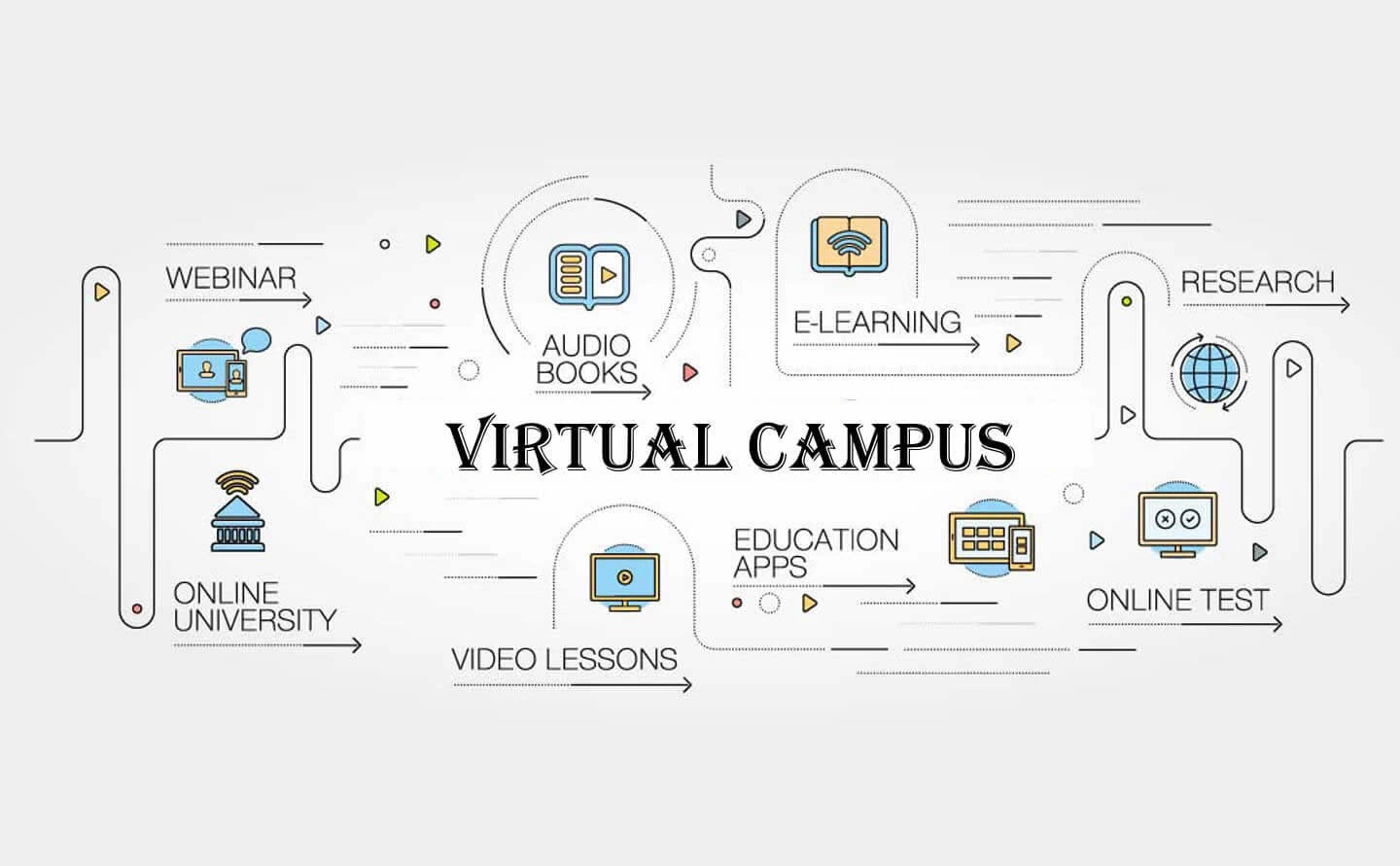
Distance Learning at AIU is enhanced by vast academic resources and innovative technologies build into the Virtual Campus: Hundreds of self-paced courses with video lectures and step by step lessons, thousands of optional assignments, 140,000 e-books, the Social Media & Networking platform allowing collaboration/chat/communications between students, and MYAIU develop students holistically in 11 areas beyond just academics.
The world is YOUR campus!”, that is the message of AIU’s month magazine Campus Mundi. Hear the voices and see the faces that make up AIU. Campus Mundi brings the world of AIU to you every months with inspirational stories, news and achievements by AIU members from around the world (students and staff are located in over 200 countries).
School of Science & Engineering
A bachelor in library science is a foundational qualification designed for students interested in managing information resources in academic, public, and digital environments. It is also called a Bachelor of Library Science and it introduces learners to core principles of library and information science, information science, and modern library management. The library science course emphasizes library science education through structured library science studies covering – cataloging, classification, archival studies, and knowledge management.
Students enrolled in a library science undergraduate program gain practical exposure to digital libraries, metadata systems, and user services. With growing flexibility – many institutions now offer a library science program online – enabling learners to pursue a library science degree online while balancing professional commitments. This program prepares graduates for roles in libraries, information centers, archives, and knowledge-based organizations, equipping them with skills essential for organizing, preserving, and disseminating information in an increasingly digital world with the help of right academic resources.
Important: Below you’ll find a summary and basic overview of the subjects and fields you can delve into and engage with throughout the course of your academic journey. It’s important to note that this list is neither exhaustive nor mandatory, as the graduate school and professional programs here at AIU might differ from conventional curriculum. Its main purpose is to serve as a guiding and visual aid. Are you interested in diving deeper into the curriculum framework at AIU?
Begin Your Journey!
AIU’s Summer of Innovation and Growth gives you the ability to earn up to $5000 in tuition credit by completing free lessons and courses.
Whether you’re looking to acquire new skills, advance your career, or simply explore new interests, AIU is your gateway to a world of opportunities. With free access to 3400 lessons and hundreds of courses the ability to earn credits and earn certificates there’s no better time to start learning.
Join us today as a Guest Student and take the first step towards a brighter, more empowered future.
Explore. Learn. Achieve.
The bachelor in library science is a holistic undergraduate qualification designed to build a strong foundation in library and information science. Commonly referred to as the Bachelor of Library Science – this library science bachelor degree from Atlantic International University (AIU) focuses on both traditional and modern information practices. The library science course curriculum covers core topics related to information science, cataloguing, classification, and reference services which forms the basis of quality library science education.
Students enrolled in this program explore advanced topics including – digital libraries, archival studies, knowledge management, and library management, preparing them for evolving professional roles. Many institutions now offer a library science program online. This is advantageous because it gives flexibility to working professionals to fulfill their professional commitment while maintaining academic rigor.
Through structured library science studies – learners can gain practical and theoretical expertise in managing information resources across academic, public, and special libraries. Hence, this program equips graduates with skills relevant to modern information environments and lifelong learning.
Orientation courses in any course is an important part of AIU’s curriculum. They are designed to introduce students to the scope, structure, and professional expectations of the field. In a bachelor of library science or library science bachelor degree – orientation modules provide a foundation in library science education while keeping the program goals in mind. This helps learners understand core concepts before advancing into specialized subjects. Also, these courses explain the structure of the library science course, outline academic expectations, and familiarize students with library and information science as an interdisciplinary domain that integrates information science, technology, and user services.
Within a library science undergraduate program – the orientation course also highlights career pathways in library management, digital libraries, archival studies, and knowledge management. For learners enrolled in a library science program online or pursuing a library science degree online – orientation courses are particularly important for building digital literacy and engagement. Overall, orientation strengthens readiness for advanced library science studies, ensuring students are well prepared for both academic success and professional practice.
Research projects in a bachelor’s in library science play a critical role in bridging theory and practice within the library science course. In a bachelor of library science or library science bachelor degree – students engage in structured library science studies that strengthen research, analytical, and technical competencies. These projects often explore core areas of library and information science, information science, digital libraries, archival studies, and knowledge management. Also, the best part is students in AIU can decide on their own curriculum through curriculum builder tool.
Within a library science undergraduate program, research topics may include user behavior analysis, metadata standards, information retrieval systems, and modern library management practices. With the growing popularity of a library science program online and a library science degree online – students also examine virtual reference services, digital preservation, and online knowledge repositories. Overall, research work in library science education enhances critical thinking, supports evidence-based decision-making, and prepares graduates for evolving roles in academic, public, and special libraries, ensuring professional readiness in a dynamic information environment.
Publication: Students pursuing Bachelor in Library science at AIU actively contribute to educational discourse through research projects, often resulting in publications in academic journals and conferences. These publications showcase their innovative approaches to teaching and learning, further solidifying AIU’s reputation as a leading institution for bachelor’s programs in Library science.
A student pursuing a Bachelor in Library Science experiences a truly transformational journey that extends far beyond traditional book management. Through a Bachelor of Library Science or library science bachelor degree – learners can gain a strong foundation in library and information science, information science, and modern knowledge management practices. The structured library science course introduces students to digital libraries, archival studies, and evolving technologies that shape access to information.
Comprehensive library science education emphasizes – critical thinking, research skills, and ethical information use. Whether enrolled in a campus-based library science undergraduate program or a flexible library science program online or library science degree online, students develop practical competencies in library management and user services.
Rigorous library science studies prepare graduates to adapt to dynamic information environments through unique and unrepeatable course, making them effective custodians of knowledge and innovators in information dissemination. This academic path transforms students into professionals capable of supporting learning, research, and digital transformation across institutions.
The full online education program at AIU cultivates an energetic community environment using cutting-edge technologies and collaborative tools, ensuring a nurturing academic journey. Through platforms like the Virtual Campus, Mobile APP, MYAIU, AIULink, and AIUTV, students, faculty, and alumni unite, creating a network of interconnected minds. Engaging in thought-provoking symposiums, webinars, and conferences fosters a global perspective general education and connections among the various community members.
Accessing the Merlin Media Center provides a wealth of academic resources while staying linked through AIULink, which ensures ongoing internet connectivity. The AIU Virtual Campus, APP compatible with Android and iOS, offers effortless access to programs, tools, information systems, and academic resources. These platforms facilitate sharing personal narratives, exploring holistic development, and contributing to the betterment of humanity, shaping an unparalleled AIU experience.
At AIU, the Virtual Campus is an innovative center equipped with more than 25 specialized tools, all geared towards supporting and empowering students throughout their educational endeavors. Our newest feature, the Virtual Reality 3D immersive experience, elevates community interaction and nurtures growth, motivation, and inspiration among our diverse student population.
Also, AIU includes the leading Artificial intelligence (AI) tools such as ChatGPT, Dall-E and Midjoruney, PDF Executive Assistance, and Slide Generator, plus others, and is adding new AI tools to ensure students are fluent in this emerging trend and benefit from the boost in productivity they bring.
Within our extensive online library, comprising 260,000 books and 30 million peer-reviewed articles, alongside 105,000 resources co-curated by the AIU community, we establish an unmatched academic setting dedicated to fostering our students’ growth, development, and success.
Complete assignments online or offline at your convenience with 24/7 access to distance learning through AIU’s Virtual Campus. Step by Step guides including videos, tutorials, live webinars and examples for each course. All materials can be access on all web browsers as well as via AIU's Mobile App which brings all the features of the Virtual Camus to your Mobile Device.
MyAIU’s primary goal is to go beyond Academics, it looks to guide students through 11 elements that are key to living life optimally in all aspects. By identifying and reflecting on these key areas, an opportunity arises to holistically address them, through positive change, habits, reinforcement and tools to keep students on their chosen path.
The students have the opportunity to produce, edit and host their own show reaching a worldwide audience, the AIU community and giving notice of their expertise/passion in the subject. AIUTV & AIU Radio allow students to explore new ways to communicate, develop a platform and form potential collaboration with likeminded individuals.
AIU Campus Mundi is a monthly magazine that gathers the most notable news and information about the university and its members in one convenient place. The magazine allows our community to be well informed, involved and keep in tough regardless of their geographic location. AIU Campus Mundi publishes, news, research, events, awards, academic achievements.
Each year AIU organizes graduation ceremonies where the students can assist and share their experiences with fellow students and academic members Participation in the ceremony is optional, the day’s events include conferences, research presentations, group meetings, networking, lunch and formal dinner.
AIU’s symposiums serve as crucial hubs for knowledge and innovation, creating an interactive platform for students in Library science fields. These events are instrumental in disseminating groundbreaking research, facilitating dynamic exchanges of ideas, and nurturing a culture of lively discussions. Participation in these symposiums exposes individuals to varied perspectives, sparking collaborative research initiatives that consistently push the boundaries of Library science.
AIU introduces an innovative approach to virtual learning by incorporating dynamic live sessions twice daily. One can also access these live classes from the archive that hosts 100s of courses that can be combined to personalize a student’s academic journey. Led by seasoned faculty and experts from various industries, these sessions offer real-time discussions, interactive Q&A segments, and collaborative problem-solving, enriching your comprehension of community.
Participating in these sessions augments your expertise, equipping you to shape policies and refine your skills in Library science. AIU’s live classes promise intellectually engaging dialogues, up-to-the-minute industry perspectives, and individualized instructor feedback, guaranteeing a rewarding journey through the study of Library science. You can access 700+ live classes, 2000+ assignments and projects, 3400 mini courses free of cost as a Guest Student to learn new skills, new abilities, and earn certificates to grow and access new opportunities in your field of interest. In fact, one can earn up to $5000 credit towards their tuition fee by completing 5 Mini-courses and/or Live classes as a Guest Student.
Feel free to glance through some of our recorded live sessions on different subjects.
Special Projects, Research, Publications, and Co-Authoring are integral components of a Bachelor in Library Science, providing students with practical exposure beyond theoretical learning. In a bachelor of library science or library science bachelor degree, students engage in special projects related to digital libraries, archival studies, knowledge management, and library management, aligning closely with real-world information environments. Research activities within the library science course strengthen analytical and critical thinking skills while introducing core concepts of library and information science along with the support for online study.
Students in a library science undergraduate program are encouraged to contribute to academic publications, conference papers, and co-author research articles under faculty guidance. This academic engagement enhances professional credibility and supports advanced library science studies. Whether pursued on campus or through a library science program online or library science degree online – such scholarly involvement enriches overall library science education and prepares graduates for leadership roles in modern information organizations.
The Career Center is an integral part of AIU ensuring support to all students doing online study. In this course too students get support from the center throughout their academic journey and into professional employment. Aligned with the degree course one has opted for – the center offers career guidance, skill development, and placement assistance tailored to the evolving field of library and information science. For example, students enrolled in the library science course can gain exposure to diverse career paths in information science, digital libraries, archival studies, knowledge management, and library management.
Through workshops, internships, and employer networking – the Career Center enhances practical readiness for roles linked to library science education and library science studies. Special support is provided for learners pursuing a library science undergraduate program – including those enrolled in a library science program online or a library science degree online. By bridging academic learning with industry expectations, the Career Center ensures graduates are well-prepared for modern information environments.
A professional holding a bachelor in library science is responsible for organizing, managing, and disseminating information across physical and digital environments. As professionals, the individual supports users through research assistance, cataloging, classification, and reference services. The role typically requires completion of a structured library science course as part of formal library science education, which may be obtained through a traditional campus-based program or a library science program online.
Graduates of library science studies or library and information science programs are trained in information science, digital libraries, archival studies, and knowledge management. A library science undergraduate program or library science degree online equips professionals with competencies in library management, collection development, database administration, and information literacy instruction. These qualifications prepare individuals to work effectively in academic, public, corporate, and special libraries, as well as information centers and archives.
Key Employment Opportunities include:
Below is a curated list of professional tools and platforms that benefit individuals with a Bachelor in Library Science, particularly those working in cataloging, digital libraries, knowledge management, information science, library management, and related areas:
These tools support library science professionals with cataloging, metadata management, reference organization, digital collections, and ongoing library science education throughout their careers.
Here is a list of professional associations that are relevant for individuals with a Bachelor in Library Science, library and information science professionals, and those involved in information science, library management, digital libraries, and related fields — with website links where available:
These associations provide opportunities for networking, continuing education, professional standards, conferences, publications, and advocacy for professionals with a library science background. Membership can support career development and engagement with the broader library science community.
This undergraduate degree is designed for students interested in information organization, research support, and knowledge services. Admission to a bachelor of library science or library science bachelor degree typically requires completion of higher secondary education from a recognized board with minimum qualifying marks. Some institutions may also have assessment tests for information handling and communication skills.
The library science course focuses on foundational library science education – covering library and information science, information science, cataloging, classification, and user services. Students enrolled in a library science undergraduate program also study digital libraries, archival studies, and knowledge management, reflecting modern information environments. Core subjects include – library management, information retrieval, and database systems.
Many universities now offer flexible options such as a library science program online or library science degree online. AIU for example offers all its students academic freedom and open curriculum options that can enable students to pursue library science studies while balancing other commitments. These programs prepare graduates for roles in libraries, information centers, and digital knowledge organizations.
To apply for the Bachelor in Library science at AIU, follow these steps:
This process ensures a smooth application to the library science degree program, preparing students for careers in library science.
We’re excited to present an array of Bachelor in Library science full scholarships crafted for our students. Kindly share your details to unlock numerous Bachelors in Library science scholarship possibilities to bolster your academic endeavors. Allow us to aid you in reaching your educational aspirations and fostering your scholarly pursuits.
We recognize the significance of financial flexibility in your educational endeavors throughout life. Hence, depending on the type of degree requirements and of program you choose, we have introduced a convenient monthly payment plan to make your pursuit of a bachelor’s degree or master’s degree more manageable and freer from financial worries. Our exceptionally affordable tuition fee covers the expense of Library science. So, secure your future with AIU, where first-rate education aligns perfectly with your budget. Your aspirations are well within your grasp.
A Bachelor in Library Science is an undergraduate program focused on library management, information organization, digital resources, archival practices, and foundational concepts of library and information science.
This program suits individuals interested in information management, research support, digital libraries, archival work, knowledge organization, and careers within academic, public, or corporate libraries.
Candidates must typically have completed higher secondary education from a recognized board, meeting minimum academic requirements set by the institution offering the program.
The Bachelor in Library Science generally requires three years of full-time study, divided into semesters, though duration may vary depending on institutional and national academic regulations.
"*" indicates required fields