

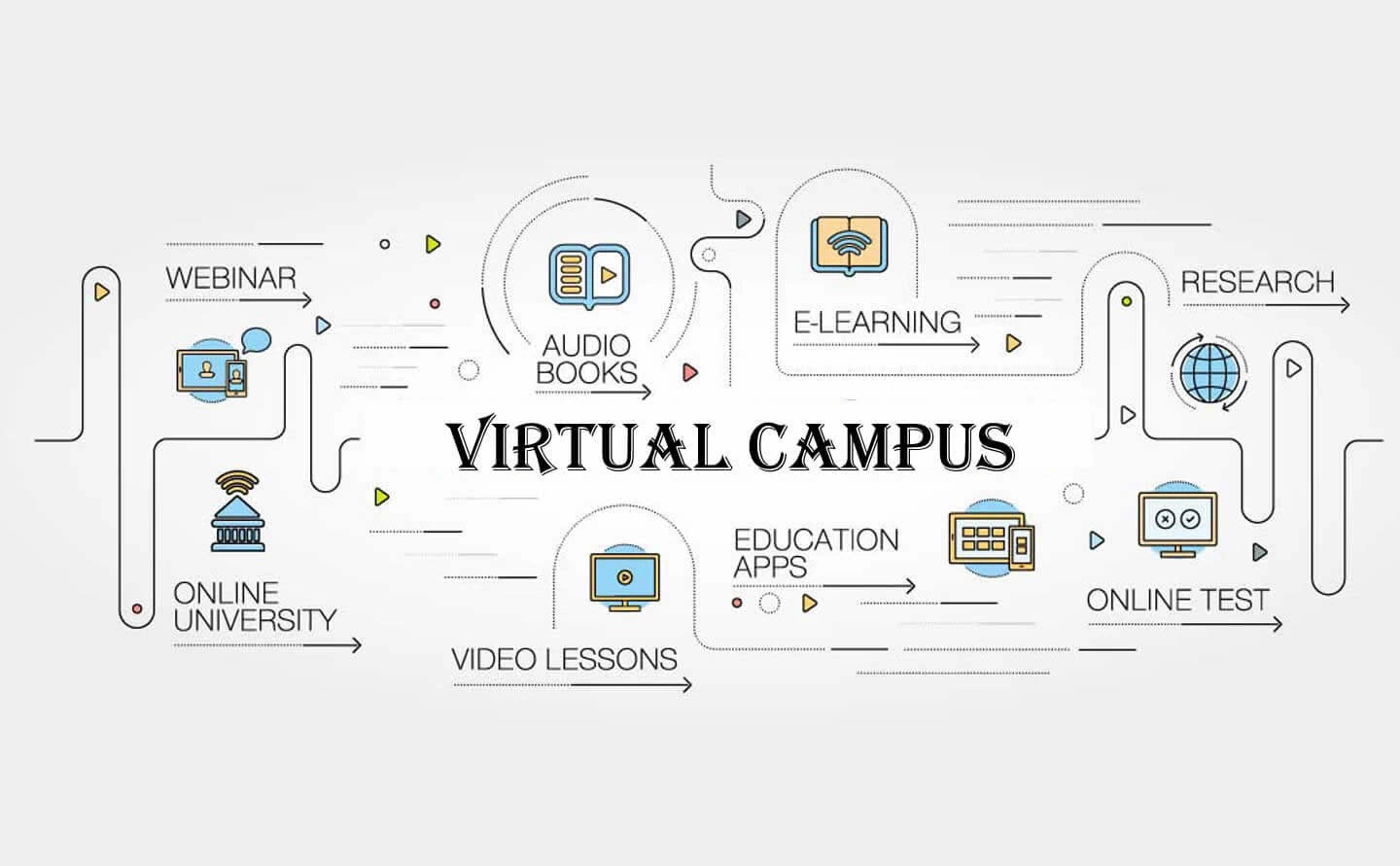
Distance Learning at AIU is enhanced by vast academic resources and innovative technologies build into the Virtual Campus: Hundreds of self-paced courses with video lectures and step by step lessons, thousands of optional assignments, 140,000 e-books, the Social Media & Networking platform allowing collaboration/chat/communications between students, and MYAIU develop students holistically in 11 areas beyond just academics.
The world is YOUR campus!”, that is the message of AIU’s month magazine Campus Mundi. Hear the voices and see the faces that make up AIU. Campus Mundi brings the world of AIU to you every months with inspirational stories, news and achievements by AIU members from around the world (students and staff are located in over 200 countries).
School of Science & Engineering
The Masters in Sanitary and Environmental Engineering aims to train professionals who are innovative and prepared to design and run sustainable systems of masters degree in sanitary and environmental engineering online that protect human and environmental health. The program incorporates advanced theory and applied theory into projects enriched with work-ready experience on water and wastewater treatment, pollution control, waste management practices, and impact assessment. Graduates of master of sanitary and environmental engineering acquire the knowledge and expertise to critically review how human activity interacts with natural systems and to develop efficient, environmentally-sound engineering controls and solutions. Master’s graduates develop technical skills, broad scientific knowledge of sanitary and environmental engineering degree, and underlying principles of ethics to help solve our interdisciplinary global environmental problems and to help create cleaner, healthier, and more sustainable communities.
Important: Below is an example of the topics or areas you may develop and work on during your studies. By no means is it a complete or required list, as AIU programs do not follow a standardized curriculum. It is meant solely as a reference point and example. Want to learn more about the curriculum design at AIU?
Check here: Course and Curriculum
The program provides a wide range of courses that integrate science and practice to solve environmental and cleanliness issues. Students will investigate systems for the design, operation, and management for safe water, waste treatment, and the use of natural resources. The program is geared towards analytical thinking, problem-solving, and utilizing new technologies for the protection of the environment. Environmental policy awareness, ethical responsibility, and sustainable development of communities is integrated, so graduates will have the capacity to provide innovative solutions for cleaner, healthier, and resilient communities.
The Masters in Sanitary and Environmental Engineering has orientation courses that provide students with a solid educational basis and clear expectations about the program itself. Study sanitary and environmental engineering at AIU and delve into orientation courses of the program taking students through essential principles around research design, scientific communication, professional ethics, and critical reasoning. Students consider and examine environmental and sanitation issues within a global framework while developing the analytical and problem-solving skills at a high level. Orientation helps learners to connect their educational goals with existing environmental priorities in the real world, while developing a system-oriented approach to sustainability and engineering-related innovation.
Research projects in the Master’s in Sanitary and Environmental Engineering program encourage students to apply their technical knowledge to real-world environmental challenges through innovative and practical investigations. These projects of postgraduate in sanitary and environmental engineering typically explore areas such as water and wastewater treatment efficiency, solid waste recycling technologies, air pollution control strategies, sustainable urban sanitation systems, and renewable energy integration in waste management.
Students may also conduct research on environmental impact assessments, climate change adaptation measures, or community-based sanitation solutions. Each project of msc in sanitary and environmental engineering aims to develop creative, data-driven approaches of online masters in sanitary and environmental engineering that promote sustainability, improve public health, and support environmental resilience at both local and global levels.
Completing a thesis defense in a Master’s in Sanitary and Environmental Engineering program is the culmination of a student’s academic and research experience. It is a time for students to summarize, explain, and clarify their research, concepts, and findings in front of a group of academic reviewers. During the thesis defense, candidates may be expected to illustrate that they can apply scientific principles, critical thinking, and engineering design to solve complex and multi-faceted environmental and sanitation problems.
Additionally, this rigorous experience of environmental protection and water treatment evaluates the student’s original and quality research as well as their detailed knowledge of their thesis topic and related knowledge all while displaying the ability to express their technical information clearly and with confidence while being subjected to questions and challenges by the panel of reviewers.
The AI-Driven Student Experience for the Master’s in Sanitary and Environmental Engineering provides a highly personalized and immersive learning journey for students who need to be empowered to direct their academic development and professional engagement within their field of study. It provides students the opportunity to identify individualized goals, monitor their progress, and engage with customizable dynamic resources. The AI-Driven Student Experience facilitates continuous reflection and self-assessment, and opportunities for growth to remain motivated and in control of their futures. I-Drive incorporates authentic projects on pollution control, cooperative learning, and professional mentorship and transforms education into a purpose – student-centered experience that cultivates a culture of innovation, responsibility, and leadership in environmental engineering.
The Community & Social Engagement component of the Master’s in Sanitary and Environmental Engineering represents the indispensable role engineers play in the public health, environmental sustainability, and social well-being a community gains. Students of wastewater engineering will demonstrate their engagement in community-based projects and/or sustainable development projects associated with an awareness campaign and/or sanitation and environmental challenges in the community. This engagement of environmental impact allows their ability to work collaboratively with multiple stakeholders to collectively improve problem-solving, as well as a strong pledge of social responsibility to the profession of engineering. Graduates, therefore, will leverage their technical knowledge with community needs that prepare them to design and implement a solution that has clear, positive outcomes for communities, and better helps communities build cleaner, healthier, and resilient communities.
Begin Your Journey!
AIU’s Summer of Innovation and Growth gives you the ability to earn up to $5000 in tuition credit by completing free lessons and courses.
Whether you’re looking to acquire new skills, advance your career, or simply explore new interests, AIU is your gateway to a world of opportunities. With free access to 3400 lessons and hundreds of courses the ability to earn credits and earn certificates there’s no better time to start learning.
Join us today as a Guest Student and take the first step towards a brighter, more empowered future.
Explore. Learn. Achieve.
Students enrolled in the Master’s in Sanitary and Environmental Engineering have access to an array of resources for their research, study, and professional development, both at the university and through external networks. The resources include a multitude of digital libraries, publications, case studies, and interactive learning modules about environmental and sanitation engineering. Some of the resources are laboratory-based, others allow for advanced simulations, and others present data analysis to allow students to work hands-on with complex engineering problems. Resources on public health and sustainable engineering are supplemented by mentorships and collaborative tools that will deepen students’ understanding, help students gain valuable skills, and allow students to remain current on trends in sustainable environmental solutions.
Complete assignments online or offline at your convenience with 24/7 access to distance learning through AIU’s Virtual Campus. Step by Step guides including videos, tutorials, live webinars and examples for each course. All materials can be access on all web browsers as well as via AIU's Mobile App which brings all the features of the Virtual Camus to your Mobile Device.
MyAIU’s primary goal is to go beyond Academics, it looks to guide students through 11 elements that are key to living life optimally in all aspects. By identifying and reflecting on these key areas, an opportunity arises to holistically address them, through positive change, habits, reinforcement and tools to keep students on their chosen path.
The students have the opportunity to produce, edit and host their own show reaching a worldwide audience, the AIU community and giving notice of their expertise/passion in the subject. AIUTV & AIU Radio allow students to explore new ways to communicate, develop a platform and form potential collaboration with likeminded individuals.
AIU Campus Mundi is a monthly magazine that gathers the most notable news and information about the university and its members in one convenient place. The magazine allows our community to be well informed, involved and keep in tough regardless of their geographic location. AIU Campus Mundi publishes, news, research, events, awards, academic achievements.
Each year AIU organizes graduation ceremonies where the students can assist and share their experiences with fellow students and academic members Participation in the ceremony is optional, the day’s events include conferences, research presentations, group meetings, networking, lunch and formal dinner.
The International Symposiums available in the Master’s in Sanitary and Environmental Engineering create a global stage for students to interact with foremost investigators, decision-makers, and practicing professionals. Symposiums promote the exchange of state-of-the-art innovative technologies, ideas, and best practices prevalent in environmental and sanitation engineering.

The Live Classes in the Masters in Sanitary and Environmental Engineering program give students an opportunity for real time exchanges with experienced faculty or professionals in the field. These classes are interactive, allowing students to discuss complex ideas, review case studies or consider new technologies and best practices in environmental and sanitation engineering.
During these classes, students can ask questions, exercise collaborative problem solving and obtain immediate feedback — all while improving their knowledge base and applied practice skills. In addition, live classes foster community and professional ties for students, allowing students to expand their relationships with their classmates, professional network and learn about new ideas and upcoming trends in the field.
AIU Live Classes Examples on Sanitary & Environmental Engineering :
Special Projects, Research Publications, and Co-Authoring opportunities within the Master’s in Sanitary and Environmental Engineering program provide students with real opportunities to advance knowledge in the discipline. Students at AIU’s virtual campus engage in on-the-ground innovative research projects addressing sanitation and environmental issues using a combination of engaged scholarship with faculty, industry partners, and even global researchers. Students are highly encouraged to publish their work in peer-reviewed journals, present their research at conferences, and co-author research papers which will advance their critical thinking skills, technical writing proficiency, and establish themselves professionally. All of these experiences may positively impact students professionally, and will ultimately develop graduates as scholars and leaders who can facilitate sustainable solutions and advance policies and practices in the discipline of environmental engineering.
The Career Center for the Master’s in Sanitary and Environmental Engineering program provides students with comprehensive support to navigate and advance their professional journeys. It offers personalized career guidance, mentorship, and access to global job opportunities in environmental engineering, sanitation management, and related sectors. Students receive assistance with resume building, interview preparation, and professional networking, ensuring they are well-equipped to secure impactful roles. By connecting learners with industry leaders, research organizations, and international projects, the Career Center empowers graduates to translate their academic knowledge into meaningful careers that contribute to sustainable development, public health, and environmental resilience worldwide.
Students who complete a Master’s in Sanitary and Environmental Engineering will be well-prepared for many professional opportunities that respond to the pressing needs within the realms of environmental issues and public health. Graduates are positioned to work in environmental consulting, water and wastewater management, solid and hazardous waste management, pollution prevention, and sustainable urban design. Graduates may also work for federal, state, and local governmental agencies, non-profit organizations, research institutions, and international government agencies and non-profits, in addition to organizations focusing on international development initiatives. Graduates use and build on their advanced knowledge of environmental systems and regulatory compliance and expertise in employing technologies for sustainability to leverage their skills in leadership and project management and as technical specialists in various professional sectors in order to contribute to cleaner, healthier and more sustainable communities around the world.
The equipment and technology used within the Master’s in Sanitary and Environmental Engineering program provide students with the applied skills required to solve complicated environmental and sanitation issues. Students get experience using software for environmental modelling, water and wastewater modelling, and geographic information systems (GIS) for mapping and analysis. Students also use laboratory tools for water quality testing, pollution monitoring, and waste characterization, and digital tools for data analysis and report building. With these tools, students will be in a better position to design, implement, and manage innovative, sustainable solutions that improve health and environmental resiliency.
The professional associations related to the Master’s in Sanitary and Environmental Engineering program offer students and graduates the chance to network, develop professionally, and stay current on professional standards, trends, and innovations. Becomes a member of these associations, learners become connected with professionals, attend conferences and workshops, have access to research publications, and collaborate on projects. Engaging in professional organizations with the potential to extend students’ depth of awareness of global environmental and sanitation practices, develop student’s future careers, and contribute to develop sustainable solutions to global challenges; public health, water management, and environmental protection.
The admission standards for the Master’s in Sanitary and Environmental Engineering degree program serve to assess that students have the academic background and professional readiness to succeed in graduate education. Applicants will typically be expected to have obtained a bachelor’s degree in engineering or environmental science (or a similar degree) from an institution of higher education that is recognized/ accredited by a national or international organization. A solid academic record, mastery of mathematics and basic sciences, and a demonstrated interest in environmental and sanitation challenges will be considered as well. Applicants may be required to submit letters of recommendation, write a professional statement outlining their intended career after earning a master’s degree (or at least the degree will take that into consideration) and provide evidence of professional experiences or research projects relevant to both sanitation and environmental engineering fields. These standards of admission confirm that the admitted students are adequately prepared to succeed in rigorous course work, research projects, and professional application within teaching and learning in the sanitation and environmental engineering field.
Financial Support and Scholarships are viable and affordable options for the students of Master’s in Sanitary and Environmental Engineering. AIU has scholarships and grants and flexibility in tuition payments that may help reduce tuition and fees with consideration to academic merit, experience on formal attire, or financing needs depending on the approach taken. Institutional funding may also include the costs of research projects, conference attendance, and travel internationally for research project collaboration with scholars abroad. In order to provide financial support, the Master’s program aims to develop financial resources, so that motivated students can pursue their academic and professional aspirations in an extensive array of areas of environmental and sanitary engineering in a manner that does not hold students back because of finances or tuition, and to promote sustainability and public health initiatives around the world.
The Master’s in Reproductive Health program at Atlantic International University (AIU) is affordably priced and flexible to meet the needs of working professionals and international students. AIU also offers a variety of individualized payment plans, including monthly payments, so that financial based concerns can be kept at bay when it comes to pursuing higher education. This way, students can concentrate on their education and/or research without the burden of paying substantial tuition upfront. If you would like to learn more about the tuition rates and different financial based options to consider, students are encouraged to contact AIU’s admissions office. This support allows students to access a socially responsible quality education and to take the opportunity to advance their careers in reproductive health or related fields.
The Master of Science in Sanitary and Environmental Engineering is a graduate-level program that offers deeper knowledge and capability in the design, management and enhancement of systems focused on drinking water provision, waste management, pollution control, and environmental sustainability.
Bachelors in Sanitary and Environmental Engineering or any relevant degree.
2 years minimum.
A Masters in Sanitary and Environmental Engineering program typically includes subjects such as water and wastewater treatment, solid and hazardous waste management, environmental chemistry and microbiology, air and noise pollution control, hydrology, environmental impact assessment, sustainable development, and environmental policy and regulation.
"*" indicates required fields