- RESEARCHDistance Learning at AIU is enhanced by vast academic resources and innovative technologies build into the Virtual Campus: Hundreds of self-paced courses with video lectures and step by step lessons, thousands of optional assignments, 140,000 e-books, the Social Media & Networking platform allowing collaboration/chat/communications between students, and MYAIU develop students holistically in 11 areas beyond just academics.
- PROGRAMS OFFERED
- Areas of Study
- Courses and Curriculum
- Open Courses
- Register for a Program
- Associate Program
- Associate in Addiction Counseling
- Associate in Agriculture Food And Resources
- Associate in Anti Terrorism Security
- Associate in Behavior Analysis In Special Education
- Associate in Bioethics
- Associate in Climatology
- Associate in Cultural Theological Communication
- Associate in Culinary Arts
- Associate in Ecotechnology
- View all Associates Programs
- Bachelor Program
- Bachelors in Community Development
- Bachelors in Environmental Science
- Bachelor in Education (B.Ed, BS)
- Bachelors in Economics
- Bachelors in Entrepreneurship
- Bachelors in Financial Administration
- Bachelors in Human Resource Management
- Bachelors in Linguistics
- Bachelors in Nutritional Science
- Bachelors in Occupational Health and Safety
- Bachelors in Psychology
- View all Bachelor Programs
- Doctorate Program
- Doctor | of Biology (PhD)
- Doctorate in Business Administration (DBA, PhD)
- Doctor of Economics (PhD)
- Doctor of Electrical Engineering (D.Sc, PhD)
- Doctor of Finance (PhD)
- Doctorate in International Relations
- Doctorate in Information Technology (D.Sc)
- Doctor of Legal Studies (PhD)
- Doctor of Project Management (PhD)
- Doctor of Sociology (PhD, D.Sc)
- Doctorate in Sustainable Natural Resources Management
- View all Doctorate Programs
- Master Program
- Postdoctoral Program
- Postdoctoral in Animal Science
- Postdoctoral in Anti Terrorism Security
- Postdoctoral in Behavior Analysis In Special Education
- Postdoctoral in Bioethics
- Postdoctoral in Blockchain Technology and Digital Currency
- Postdoctoral in Business Management
- Postdoctoral in Cloud Computing
- Postdoctoral in Computer Engineering
- View all Postdoctoral Programs
AIU offers a wide range of majors in areas including the Arts, Business, Science, Technology, Social, and Human studies. More than 120 degrees and programs are available for adult learners at the associate’s, bachelor’s, master’s, doctoral and postdoctoral level. - VIRTUAL CAMPUS
Distance Learning at AIU is enhanced by vast academic resources and innovative technologies build into the Virtual Campus: Hundreds of self-paced courses with video lectures and step by step lessons, thousands of optional assignments, 140,000 e-books, the Social Media & Networking platform allowing collaboration/chat/communications between students, and MYAIU develop students holistically in 11 areas beyond just academics.
- ALUMNI
The world is YOUR campus!”, that is the message of AIU’s month magazine Campus Mundi. Hear the voices and see the faces that make up AIU. Campus Mundi brings the world of AIU to you every months with inspirational stories, news and achievements by AIU members from around the world (students and staff are located in over 200 countries).

The Emergence of the Nitroplast: An Evolutionary Leap of Billions of Years
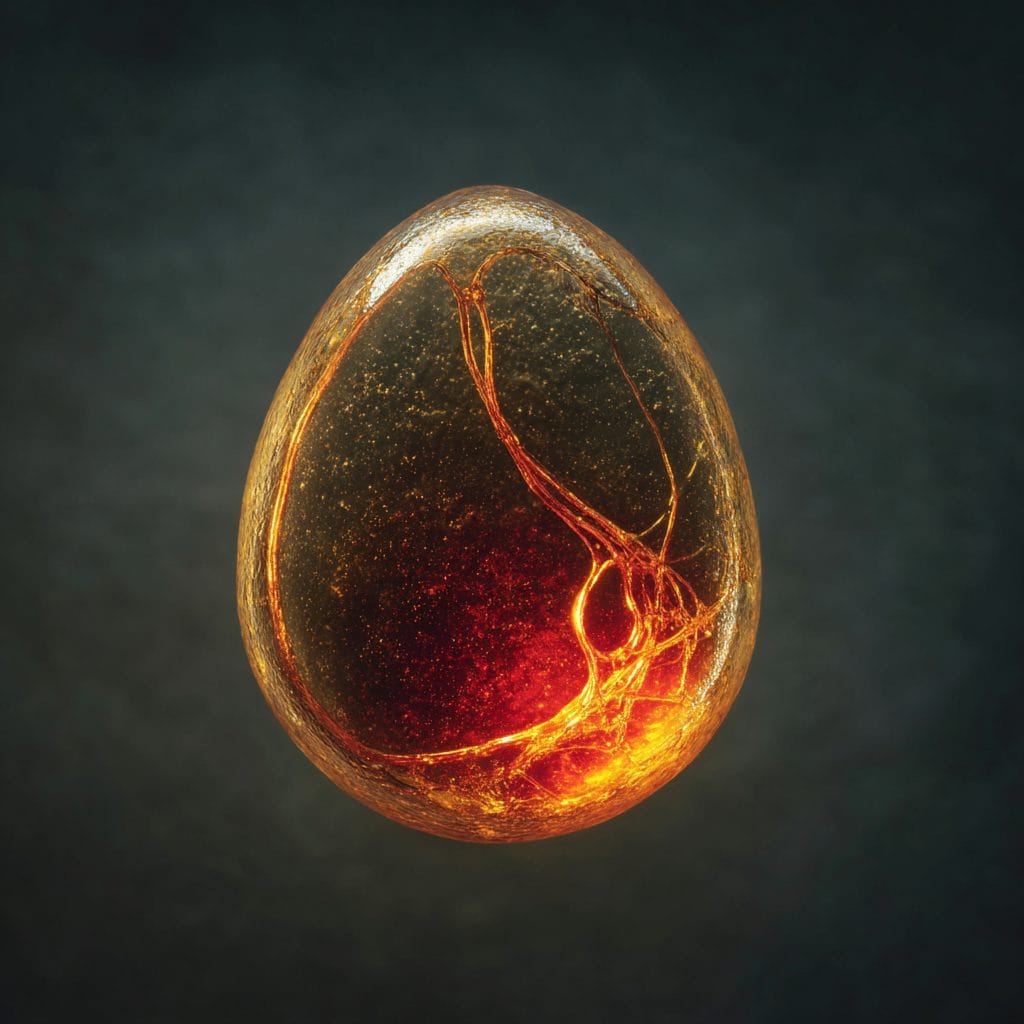
Why has the nitroplast been considered an important milestone for evolution?
How might nitroplast influence future considerations on agriculture and sustainability?
What does this find help us understand about how evolution continues to shape life today?
Become immersed in this landmark discovery of the nitroplast and its implications for evolutionary biology. For your assignment, define for your readers how primary endosymbiosis would occur and touch on why rare events like the development of mitochondria, chloroplasts, and now nitroplasts could be viewed as critical and rare evolutionary milestones in the history of life. Discuss potential areas of development and consideration for agriculture, biotechnology, sustainability, and nitroplast. Think about what this find tells us about the ongoing nature of evolution. All responses must be backed up with scientific evidence, world examples, and your own reasoning. Your assignment must have organization and be analytical demonstrating critical thinking.
(Login to your student section to access the AIU Additional Resources Library.)
The Emergence of the Nitroplast: An Evolutionary Leap of Billions of Years
Evolution is a story billions of years in the making – an unrelenting experiment that has shaped everything from the simplest microbe to the more complicated multicellular life. Most of the time, evolution occurs slowly, as the changes happen incrementally over time and period. But sometimes, evolution makes a giant leap forward – it creates rare, transformative events that change the course of life on Earth forever – that has just been witnessed for the first time in over a billion years. Scientists have observed a remarkable biological phenomenon; two total-life forms merged to become a single organism through the process known as primary endosymbiosis.
This event – as rare as hens’ teeth, only observed a couple of times in Earth history of 4.5 billion years – has the potential to rewrite what we know about how life evolves and perhaps even profoundly alter how we interface agriculture, biotechnology, and sustainability in the long run. This merging of two individuals has given rise to a newly discovered organelle, the nitroplast, which inside represents not only the process of evolution in action but a revolution in how it happens in front of our very eyes.
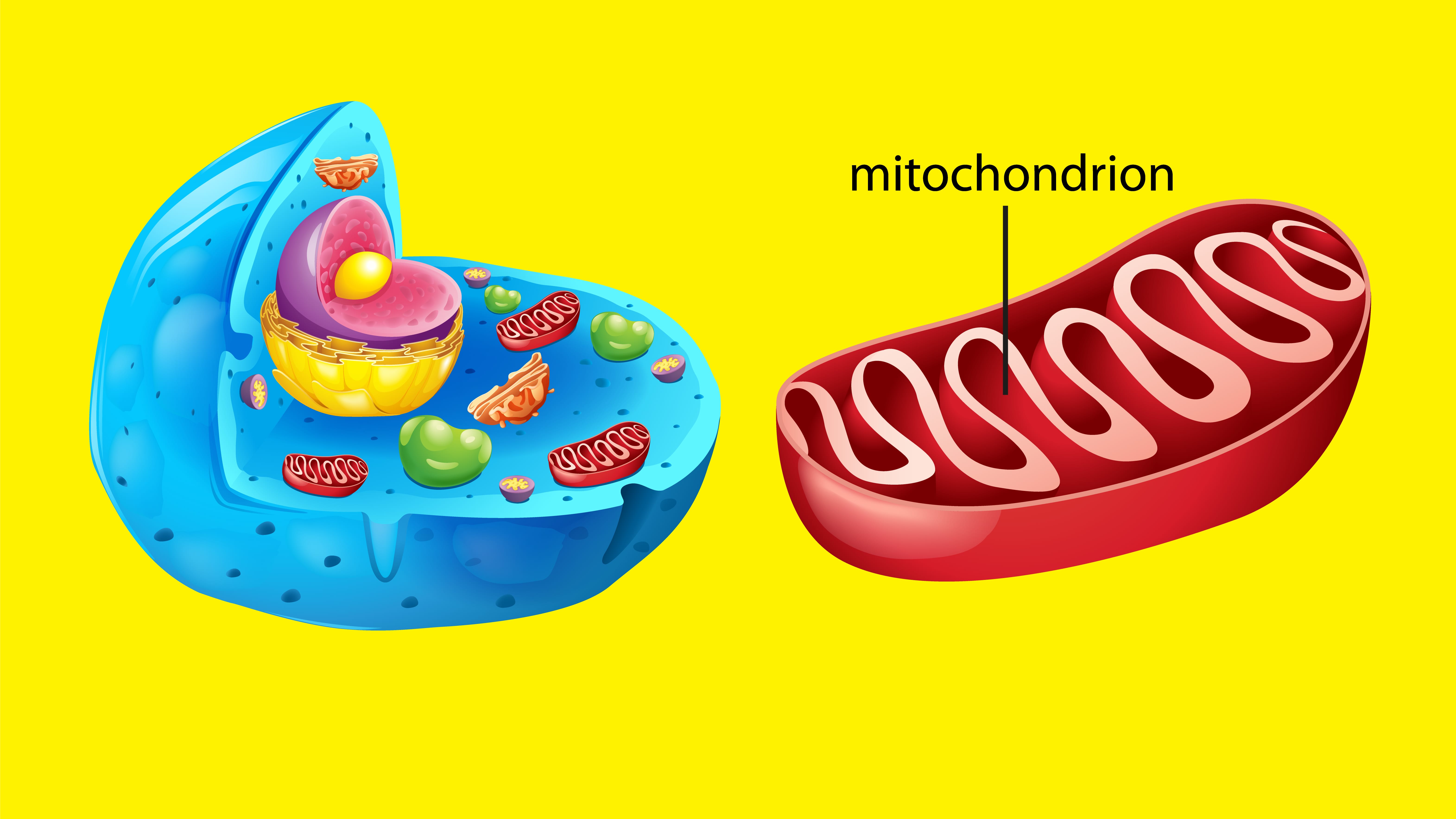
Primacy in endosymbiosis, in its heart, is one of evolutions most potent and forceful tools towards its purposes and period; Primary endosymbiosis is the moment in which one single-celled organism engulfs another and instead of digesting it, starts symbiotic living with it; to the point that eventually the endosymbiont has collected so many attributes that they can’t live independently, and eventually co-evolves to a functional organelle at that point all on its own.This is not a normal occurrence – and actually scientists feel it has occurred on Earth three times in life time: one being the billion year history, giving all significant consequence of the occurrence, are the following: The Origin of Mitochondria (~2.2 billion years ago): A primitive archaeal cell engulfed a bacterium that lead to the mitochondrion – the “power house of the cell.”
This allowed eukaryotic cells the ability to perform energy production at much higher efficiency, creating the mass bulk of complex multicellular life forms that arose from this time on.
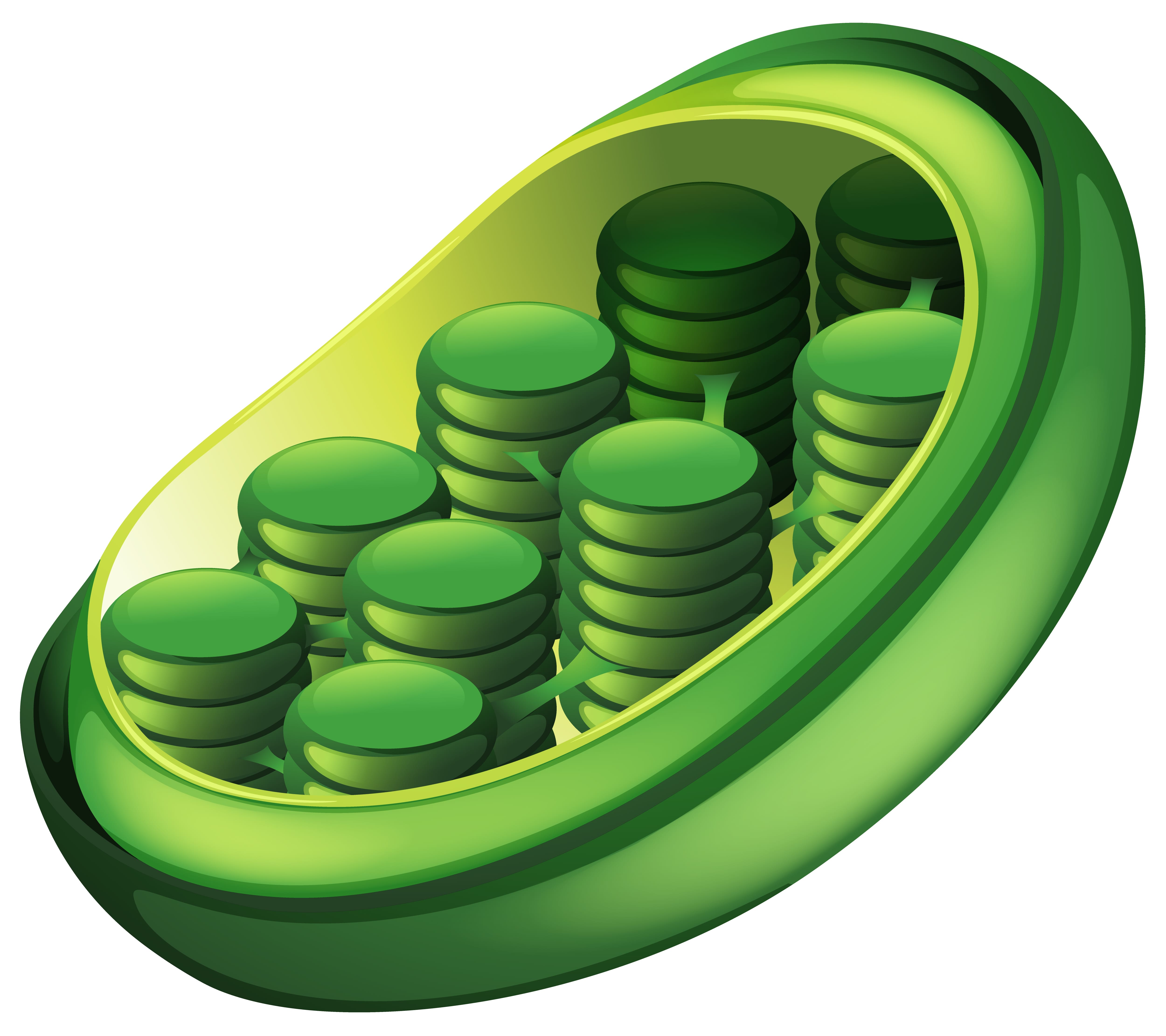
The Origin of Chloroplasts (~1 billion years ago): Unfortunately for life these eukaryotic cells engulfed a photosynthetic bacterium in what is known as chloroplasts. They eventually surrounded the chloroplasts, eventually being former photosynthetic life from once prior from Earth, able to turn sunlight into food in their diets, with the goings talking perhaps a functioning life form; This has ever eternally changed the biome and associated atmosphere.
The Birth of the Nitroplast (~100 million years ago): Luckily for Earth inhabitants, a marine alga, Braarudosphaera bigelowii, engulfed a bacterium known as UCYN-A, and co-evolved a new organelle that is capable of fixing atmospheric nitrogen into useable plant available nitrogens in their diets.
All of these instances symbolize an important shift in the evolutionary narrative. And the third— the particular instance we are currently witnessing— is particularly exhilarating for any number of reasons, the most obvious being that it is unfolding in our current scientific lifetimes.
The Historical Milestones: The Role of Symbiosis in Generating Complexity
- The First Leap: Mitochondria and the Emergence of Complexity
The first major endosymbiotic event occurred just over 2 billion years ago— when the ancestor of an archaean consumed a bacterium which was capable of generating energy via oxidative respiration. Instead of digesting the microbe, the host formed a symbiotic partnership with the bacterium. Over the course of millions of years, the bacterium eventually evolved into the mitochondrion — albeit one which shed many independent capabilities in the process.
Ultimately, this new organelle became the site of energy conversion for the cell. All nutrients are converted into adenosine triphosphate (ATP) — often referred to as the energy currency of the cell — so that cellular processes can occur. This is an incredible increase in resource efficiency. Moreover, it meant that cells could increase in size, become more complex, and eventually diversify into multicellular life forms over time.
“Everything more complicated than a bacterial cell exists because of that event,” says Tyler Coale, a postdoc at the University of California in Santa Cruz, and co-author of the recent study.
- The Second Leap: Chloroplasts and the Green Revolution
About a billion years after the rise of mitochondria, another symbiotic merger initiated yet another “leap” in the history of life. Early eukaryotic cells consumed photosynthetic cyanobacteria — life forms that harness sunlight to convert water and carbon dioxide into energy-storing sugars.These cyanobacteria now become the chloroplasts, which are the organelles responsible for photosynthesis in both plants and algae. With these advances in plant life came the transformation of Earth’s atmosphere by systems that produced oxygen and, essentially, the foundation of nearly every food chain on land. The development of photosynthetic organisms led to ecosystems, and eventually, to animals.
The Third Leap: Algae and Bacteria Join Forces to Become One Organism
Fast forward another billion years, scientists have now identified a third major primary endosymbiosis, this time between a type of marine algae, Braarudosphaera bigelowii, and a nitrogen-fixing bacterium known as UCYN-A. Upon first glance, this appears to be another symbiotic relationship, as nitrogen-fixing bacteria are prevalent in nature – often entering into external relationships with plants to alter atmospheric nitrogen (N₂) into ammonia (NH₃), a usable form of nitrogen to build proteins and nucleosides.
What is different about B. bigelowii and UCYN-A is that they have moved far beyond a simple cooperative relationship. A team of scientists determined that the bacteria is permanently integrated into the biology of the algal cell—this is reminiscent of the earlier evolution of mitochondria and chloroplasts.
The Evidence: UCYN-A has so become a Nitroplast
To demonstrate that UCYN-A has become an organelle, researchers had to demonstrate that it showed several accuracy-criteria. Through several years of research, evidence on the transformation was compelling.
- Coordinated Growth and Division
A marker of an organelle is the life cycle of organelles synchronizing (in unison) with that of host cells. Using soft X-ray tomography, researchers and other scientists have shown UCYN-A divides in specific time frames of its algal host. The homogeneity of division shows a level of biological integration far beyond simple symbiosis.
“Until this paper it was still an open question if this was still an endosymbiont or if it was truly an organelle,” says Carolyn Larabell, a co-author of the paper and director of the National Center for X-Ray Tomography at Berkeley Lab. “We were able to show using x-ray images that the replication and division of the algal host and endosymbiont are synchronized, thus providing the first evidence that this is occurring.”
- Joint Metabolism and Dependency
A further significant indication was the metabolic interaction between the two organisms. In this case, it was shown that the growth and size of the UCYN-A are directly dependent upon the metabolic activity of algae. These two organisms share metabolic intermediates, and their growth rates are highly matched – indicating their metabolism is co-dependent as a result of their integration.
- Gene Dependency and Genome Reduction
Lastly, perhaps the most profound evidence of UCYN-A’s shift is their genome reduction. Over evolutionary time, endosymbionts that become organelles will lose many of their genes, as they have become reliant on the host cell to produce some of the important proteins.
When scientists compared UCYN-A from within the algal cells to free-living bacteria, they noted that UCYN-A could only produce about half of their necessary proteins. The remainder of the proteins needed would have to come from the host. This gene-dependent state is perhaps one of the clearest hallmark evidences of organellar evolution.
“That’s one of the hallmarks of something moving from an endosymbiont to an organelle,” says co-author Jonathan Zehr. They start throwing away pieces of DNA, and as time goes on, their genomes just become smaller and smaller.”
The Nitroplast: A Novel Organelle with Valuable Potential
After all the evidence presented, the scientists concluded UCYN-A is not just bacterium, but instead a newly evolved organelle — The nitroplast! The primary purpose of the organelle is nitrogen-fixation; the process of converting nitrogen gas to biologically-useable forms of nitrogen which the algae can utilize for growth and metabolism.
This new revolved potential is critical because nitrogen is one of the most limiting nutrients for sustaining life on earth. The atmosphere is 78% nitrogen gas on average, however, most organisms are unable to utilize or fix this nutrient. Most plants rely on some soil bacteria to supply them with adequate supply of nitrogen in a form they can use for growth. However, the nitroplast enables the host to bypass advantageously and capitalize on a level of metabolic independence previously unattainable among plants and nitrogen.
Why is Discovery Important: Significance for Science and Society?
The discovery of the nitroplast is not just a cool biological milestone, it has broad implications for multiple disciplines, from evolutionary biology to agriculture to environmental science.
- A living example of evolution in the present
Despite the accomplishment and importance of this discovery, it does demonstrate that evolution is still ongoing on a large scale. For decades, biologists assumed that primary endosymbiosis was some form long ago. Biologists figured it occurred billions of years ago and nothing like it would ever happen again.The nitroplast demonstrates that is certainly not the case, evolution is still creating, and life is still evolving in ways that will likely change ecosystems.
- Agriculture and sustainability
The agricultural implications of this discovery are possibly the most exciting. Nitrogen is one of the critical elements in fertilizers and virtually all of global agriculture is reliant on synthetic nitrogen fertilizers to support crop yields. The effects of nitrogen fertilizers on our environment are negative and cause greenhouse gas emissions and water pollution. If scientists could figure out how the nitroplast works, and potentially put something like that into crop plants, it could lead to a whole new level of sustainable farming. Crops that would fix their own nitrogen could reduce the need for chemical fertilizer and make farming cheaper with less service to the environment.
“This system is a new take on nitrogen fixation,” says Coale. “It could provide a resource for us to start to consider how that organelle could be engineered into crop plants. ”
- New possibilities for synthetic biology
In addition to agricultural possibilities, there are possibilities for synthetic biology or more specifically the field of synthetic biology, which is the process of design or synchronization of new biological parts to make new biological systems. If scientists can truly understand how endosymbionts evolve into organelles some years in the lab they may be able to create new organelles that evolved to fulfill a specific function: a biofuel organelle or carbon capture organelle.
The road forward: Unanswered questions and future studies
As significant of a discovery as the nitroplast is, it most likely leaves a lot of other unanswered questions. Biologists are extremely excited to see what might develop.
- How exactly would the metabolic exchange between B. bigelowii and UCYN-A develop?
- Are there other organisms with recovery-like organelles that we just have not noticed?
- How likely would it be that nitroplast like organelles could be attacked or engineered into other families of plants?
These questions will not only advance our understanding of cellular evolution, possibly tapping into new and useful inventions for biotechnology, ecology, and agriculture.
Conclusion: Evolution’s Next Chapter is Being Written Right Now
The nitroplast is not just a new scientific discovery, it is a strong reminder that life is never complete. Life and evolution are continuously creating new forms, making new connections and finding new ways for organisms to exist in the world and thrive.
We were starting to believe that evolution had exhausted the possibilities of development with the development of the mitochondria and the invention of performing functions for complex life; and then the organelle of the chloroplast which allows life to have the ability to catch sunlight and convert it into energy. Then, to our amazement, another world of potential life may have begun, the nitroplast, which may support life and exploit the atmospheric nitrogen in the air, in life, for its own colonization. This discovery changes the scavenger of what we thought was the scavenger evolutionary development and not only provides hope that we may partner with nature’s genius to solve the most pressing global issues humanity faces.
At Atlantic International University (AIU), we believe that the entire experience of education should follow this kind of world of discovery and creativity. Our program is designed to inspire your inquiry into the worlds of radical scientific development, helping you become discontent with traditional thinking, and become a partner in creating the future of uses of science, in life, and society. Join AIU now and begin your process of becoming the next thinker, creator and partner in that evolution of life.
- Masters in Biology
- Organisms, Nutrients, & Digestion
- Introduction to Chemical Biology
- Bachelors in Biology
- Individual Course : Cellular Biology
- Individual Course : Evolutionary Biology
- Sustainable Development & Environmental Issues
- Masters in Agriculture
- AIU Form
References
- Get Ready to Hear a Lot about Mitochondria
- For the first time in one billion years, two lifeforms truly merged into one organism
Reminder to our Dear Students,
Please ensure you are logged in as a student on the AIU platform and logged into the AIU Online
Library before accessing course links. This step is crucial for uninterrupted access to your learning
resources.
AIU Success Stories


Contact Us Today!
Begin Your Journey!
AIU’s Summer of Innovation and Growth gives you the ability to earn up to $5000 in tuition credit by completing free lessons and courses.
Whether you’re looking to acquire new skills, advance your career, or simply explore new interests, AIU is your gateway to a world of opportunities. With free access to 3400 lessons and hundreds of courses the ability to earn credits and earn certificates there’s no better time to start learning.
Join us today as a Guest Student and take the first step towards a brighter, more empowered future.
Explore. Learn. Achieve.