According to secondary research, Parkinson’s disease affects more than 10 million people worldwide and is known for its wide array of symptoms, from tremors and stiffness to balance issues and cognitive decline. Until now, treatments have generally followed a standardized approach, targeting symptoms rather than individual disease trajectories.
But as Dr. Fei Wang, senior author of the study and professor of population health sciences at Weill Cornell Medicine, explains, “Parkinson’s is highly heterogeneous, which means that people with the same disease can have very different symptoms. This indicates there is not likely to be a one-size-fits-all approach to treating it.”
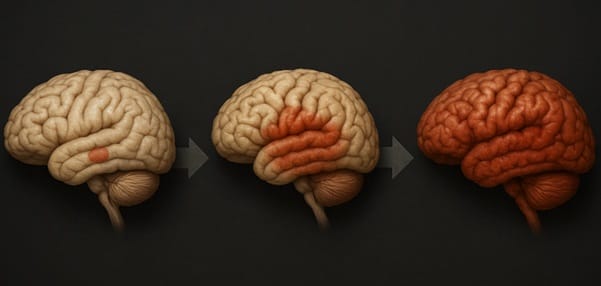
Using a cutting-edge deep learning model called deep phenotypic progression embedding (DPPE), the research team analyzed an extraordinary dataset: clinical, genetic, multi-omics, biospecimen, and brain imaging information from 406 participants in the Parkinson’s Progression Markers Initiative (PPMI), an international study spearheaded by the Michael J. Fox Foundation. The result? A first-of-its-kind classification system that defines Parkinson’s not as a single condition, but as three distinct subtypes:
- Rapid Pace (PD-R)
- Moderate Pace (PD-M)
- Inching Pace (PD-I)
- Rapid Pace (PD-R): The High-Speed Threat
Comprising roughly 13.3% of the study participants, this subtype is marked by a fast and aggressive progression of both motor and non-motor symptoms. Patients in the PD-R group often face cognitive impairments and frequent falls early in the disease.
“Rapid progression means we have a narrow window for intervention,” noted Dr. Daniel Truong, neurologist and medical director of the Truong Neuroscience Institute. “Targeting this group with early and aggressive treatment is critical.”
One of the study’s most striking findings is the potential benefit of the diabetes drug metformin for this group. Real-world clinical data suggest that PD-R patients taking metformin experienced improved cognitive outcomes and reduced fall risk—opening the door to drug repurposing as a fast-track strategy.
- Moderate Pace (PD-M): The Balanced Middle
Accounting for about 51% of the cohort, this is the most common subtype. These patients begin with mild symptoms and experience a moderate rate of progression.
For this group, a hybrid treatment model seems most effective: lifestyle modifications combined with pharmacological interventions such as dopamine agonists, MAO-B inhibitors, and potentially disease-modifying therapies. “This is the group that benefits most from a vigilant, sustained care plan,” said Dr. Steven Allder, a neurologist at Re: Health.
- Inching Pace (PD-I): The Slow Burner
Comprising 35.7% of the patients studied, PD-I is defined by its slow and mild progression. The truth is that these individuals often live a normal life with minimal decline. So, the focus shifts to preventative care – exercise, diet, physical therapy, and neuroprotective strategies aimed at slowing disease escalation. “For these patients, it’s about buying time and preserving independence,” Dr. Allder emphasized.
Why This Matters: Precision Medicine in Action
Historically, the challenge in Parkinson’s disease treatment has been its unpredictable nature. Some patients experience rapid cognitive decline, while others live for decades with only mild symptoms. The inability to predict these outcomes has made it difficult to offer customized treatments. This new research however changes the game.
By identifying subtypes based on progression pace—and confirming them with brain imaging, genetic data, and cerebrospinal fluid biomarkers—doctors can now stratify patients from the outset. As per Dr. Truong – this study offers a glimpse into the future of neurology where one can envision clinical trials designed specifically for each subtype. This makes drug development faster and more efficient. Hence, resource can be allocated more wisely intensifying care where it’s needed most.
The Role of AI: Unlocking Hidden Patterns
At the heart of this breakthrough is the AI-powered DPPE model. Unlike traditional statistical tools, DPPE can ingest massive amounts of longitudinal, multidimensional data and learn from it holistically. It doesn’t just track symptoms—it detects subtle patterns over time that may be invisible to the human eye. This is where artificial intelligence excels allowing one to find order in chaos because what seems random in clinical symptoms often reflects deeper biological mechanisms.
In fact, the study didn’t stop at classification. The team also investigated the molecular pathways associated with each subtype. For PD-R patients, for example, markers of neuroinflammation, oxidative stress, and metabolic dysfunction were more prominent—hinting at specific biological processes driving the rapid decline.
Such insights could eventually lead to targeted therapies for each subtype, with drug development informed by actual disease mechanisms rather than a trial-and-error approach.
Challenges Ahead: The Road to Clinical Adoption
While the findings are undeniably exciting, but experts caution that the work is far from done. Dr. Clemens Scherzer, a physician and scientist at Yale School of Medicine, – praised the research but also identified the limitations. He mentioned that although this is a promising step, but these classifiers need validation in much larger and more diverse populations. Precision medicine depends on high-quality, representative data. Without it, AI models risk becoming biased or inaccurate.
There are also accessibility concerns. Advanced diagnostics, machine learning tools, and even drugs like metformin may not be readily available in under-resourced settings. Data privacy and security remain ongoing challenges as well, especially when sensitive health records are used to train AI models.
Despite these challenges, the vision is clear – a future where a patient’s Parkinson’s subtype is identified early, and customized care is given in real-time to match the disease’s progression. It’s a vision in which AI and human expertise work in harmony, leading to smarter treatments, improved quality of life to slower disease progression.
Dr. Chang Su, lead author of the study, summed up the long-term goal: “We hope our research will inspire others to use diverse data sources and continue refining this approach. With enough validation, this could become the new standard for Parkinson’s care.” From its humble origins in a data challenge hosted by the Michael J. Fox Foundation in 2016, this research has matured into a blueprint for the future of neurodegenerative disease management. And as AI continues to evolve, the hope is that no Parkinson’s patient will be treated generically—but uniquely, precisely, and effectively.